April 17, 2026 (MLN): Plug-in hybrid electric vehicles (PHEVs) are rapidly
emerging as the most practical gateway to electrified transport in Pakistan and
several other emerging markets.
Limited charging infrastructure and affordability challenges
continue to slow the widespread adoption of fully electric vehicles (EVs).
According to industry developments and market trends, this
is reinforcing the role of PHEVs as a transitional technology.
The growing preference for PHEVs aligns with a broader
global transformation in the auto sector, where China has strengthened its
dominance to become the world’s largest automobile exporter.
This shift has been largely driven by new energy vehicles
(NEVs), including both fully electric and hybrid models, which are increasingly
shaping global demand patterns.
In Pakistan, early market signals indicate a clear tilt
toward plug-in hybrids.
Chery Master Pakistan has reportedly received more than
2,000 bookings for its newly introduced plug-in hybrid SUV lineup within a
short span of market entry, showing strong initial consumer response, according
to company representatives.
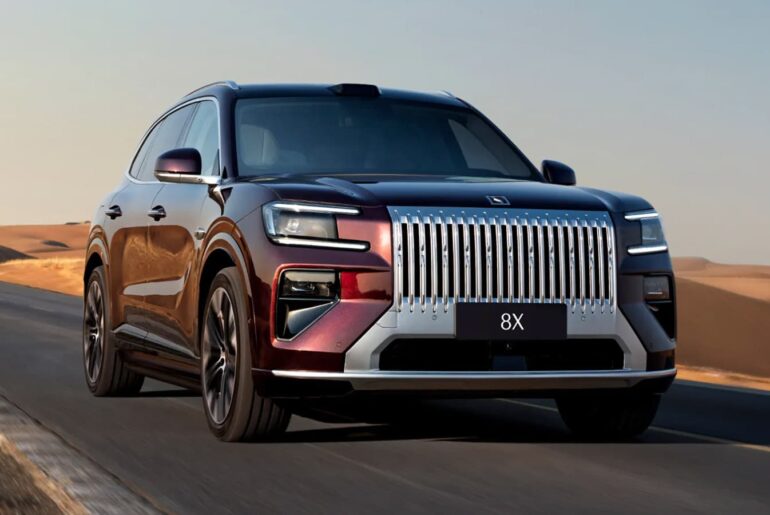
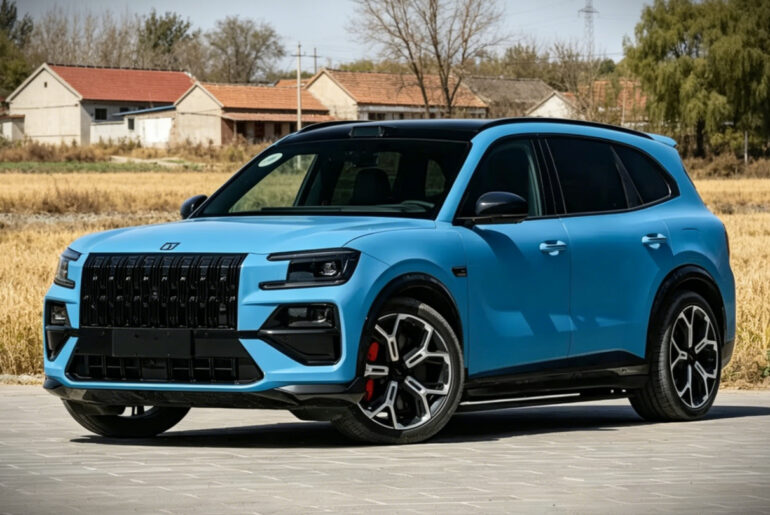
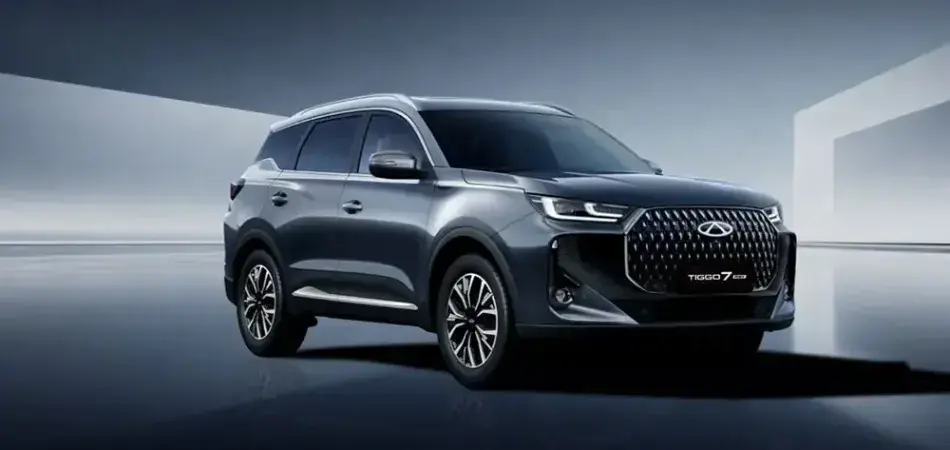
The bookings cover the company’s Tiggo PHEV portfolio,
including the Tiggo 7, Tiggo 8, and Tiggo 9 variants, highlighting demand
across multiple consumer segments ranging from urban users to larger family and
premium SUV buyers.
Industry experts attribute the rising interest not solely to
upfront pricing considerations but primarily to fuel efficiency and real-world
usability.
With petrol prices remaining elevated, conventional vehicles
averaging around 10 km per litre result in significantly higher per-kilometre
running costs compared to hybrid and plug-in hybrid alternatives, particularly
in congested urban driving conditions.
At the same time, structural limitations continue to
restrict mass EV adoption in Pakistan. Charging infrastructure remains
underdeveloped, while concerns around grid reliability and driving range
persist, especially for consumers outside major metropolitan areas.
These constraints have positioned PHEVs as a transitional
mobility solution, enabling drivers to use electric power for daily commuting
while retaining a combustion engine for longer journeys, offering a balance
between efficiency and convenience.
Industry observers also note that China’s expanding export
strategy is increasingly aligned with this hybrid-first transition, focusing on
scalable technologies that can be deployed across markets with varying
infrastructure readiness levels.
Recent developments in Pakistan’s SUV segment further
reinforce this trend, with newly launched PHEV models witnessing strong early
demand and robust booking activity.
Pakistan’s shift toward electrification is likely to remain
gradual, with plug-in hybrids playing a central role in the near to medium term
transition phase.
They further emphasize that consumer buying behaviour driven
by fuel costs, practicality, and running economics will remain a decisive
factor in shaping adoption trends, alongside future improvements in policy
support and charging infrastructure development.
Copyright Mettis Link News