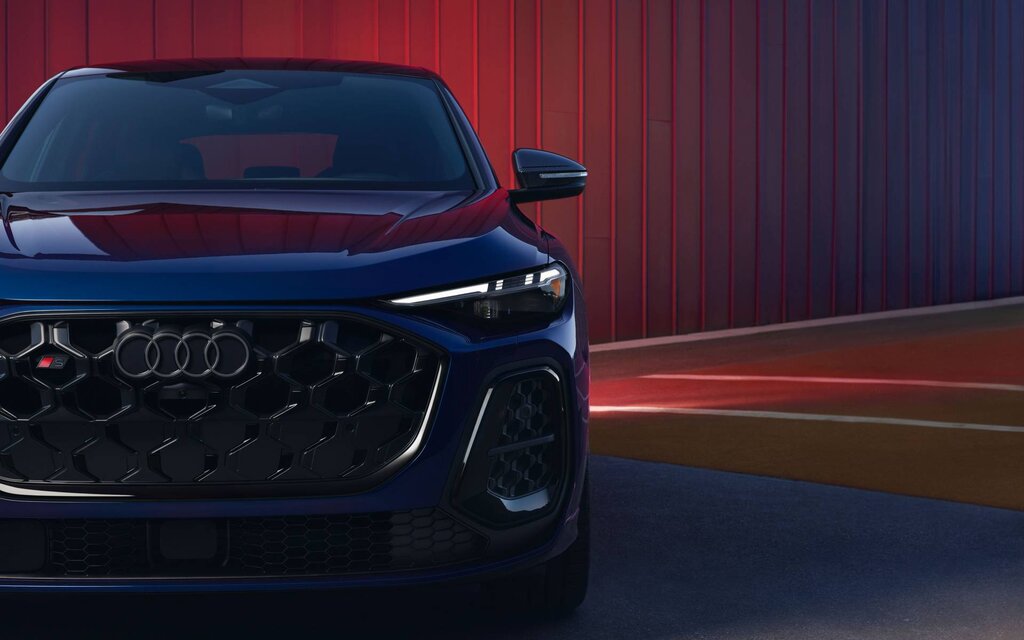
Audi has produced a number of RS models over the years, but the only SUV to receive this high-performance treatment in the North American market so far has been the Q8. When it comes to its best-selling vehicle, the Q5, the four-ring luxury brand stops at the SQ5 with a 362-horsepower turbocharged V6.
As you know, BMW, Mercedes-Benz and Porsche all do better than that (although the next-generation X3 M has yet to show up). However, things are finally about to change.
Read also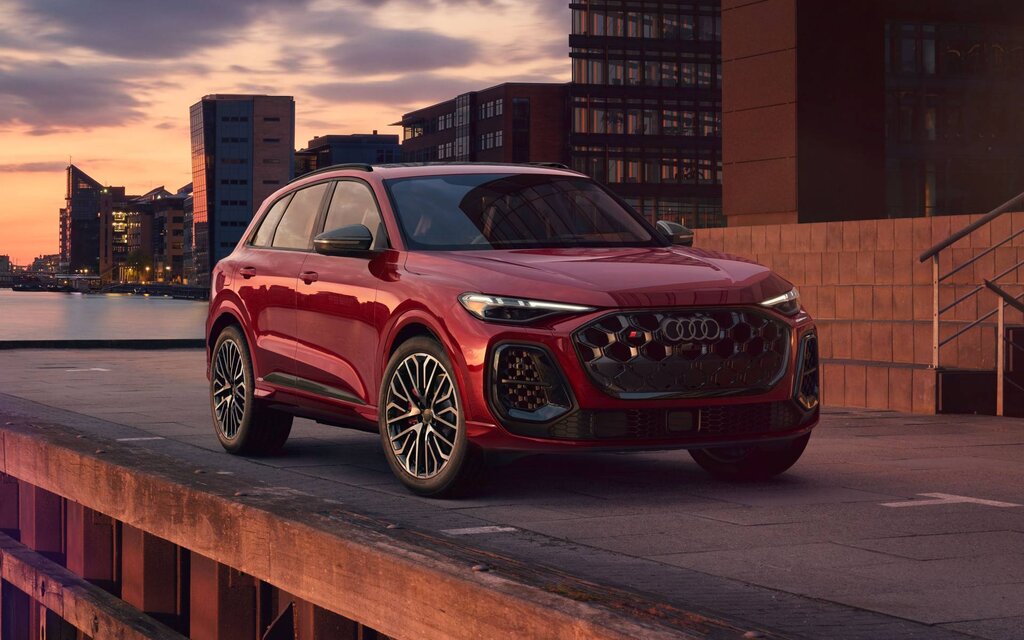 Photo: Audi
Spy photographers recently spotted a very sporty-looking Q5 prototype on German roads, and all indications are that it’s the upcoming RS Q5, which would be a first. Unfortunately, we cannot show you the pictures here due to copyright restrictions.
The vehicle has a wider track necessitating more flared fenders. It’s safe to assume the tires are also wider as a result. Large, drilled brake rotors and dual tailpipes instead of a quad exhaust are part of the package, too. On that last point, it’s worth noting that the latest Audi RS models feature two oversized oval exhaust tips.
Consider the freshly announced 2027 RS 5 sedan as evidence. Speaking of which, the plug-in hybrid system powering the latter is expected to end up in the RS Q5. We are talking about a twin-turbo 2.9-litre V6 paired with an eight-speed transmission that incorporates an electric motor drawing energy from a 25.9kWh battery.
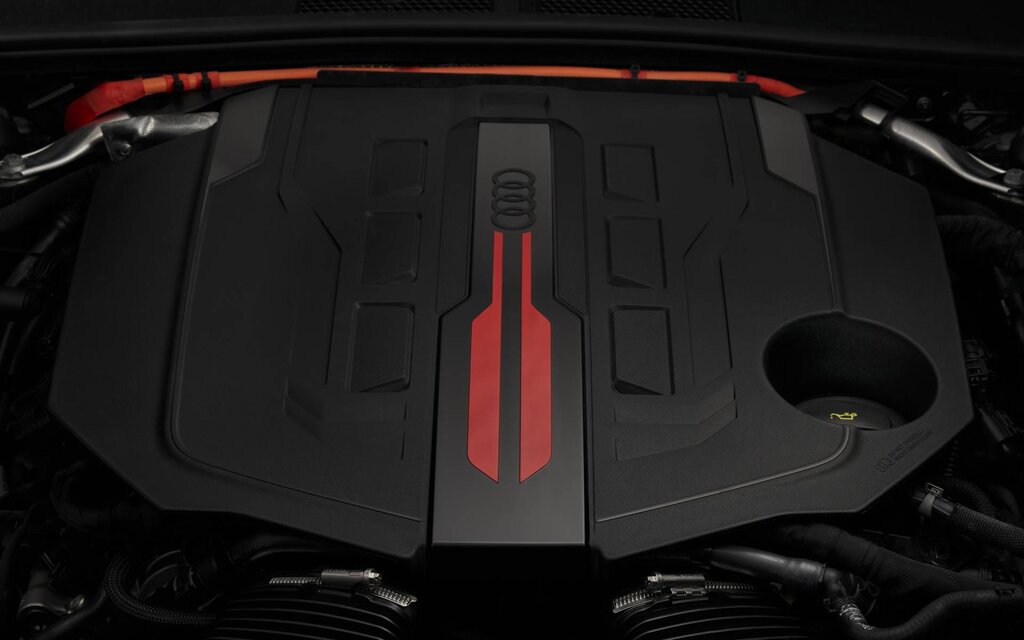 Photo: Audi
In the RS 5, pure electric range is estimated at 80 km according to the WLTP standard (more realistically around 60 km), while the 630 horsepower and 627 lb-ft of torque deliver 0-100 km/h acceleration in just 3.6 seconds. That would easily trump the SQ5 (4.8 seconds) and compete directly with the Mercedes-AMG GLC 63 S E Performance, another plug-in hybrid that generates a whopping 671 horsepower and up to 752 lb-ft of torque.
Of course, weight will prove to be an issue: the RS 5 tips the scales at a hefty 2,355 kg, so imagine the RS Q5. Hopefully, Audi will adopt that sophisticated new rear differential with an electric motor enabling active torque vectoring, which provides improved agility and stability in corners by sending more torque to the outside wheel.
An official debut could take place before the end of the year. Canadian availability and timing should be announced at that time.