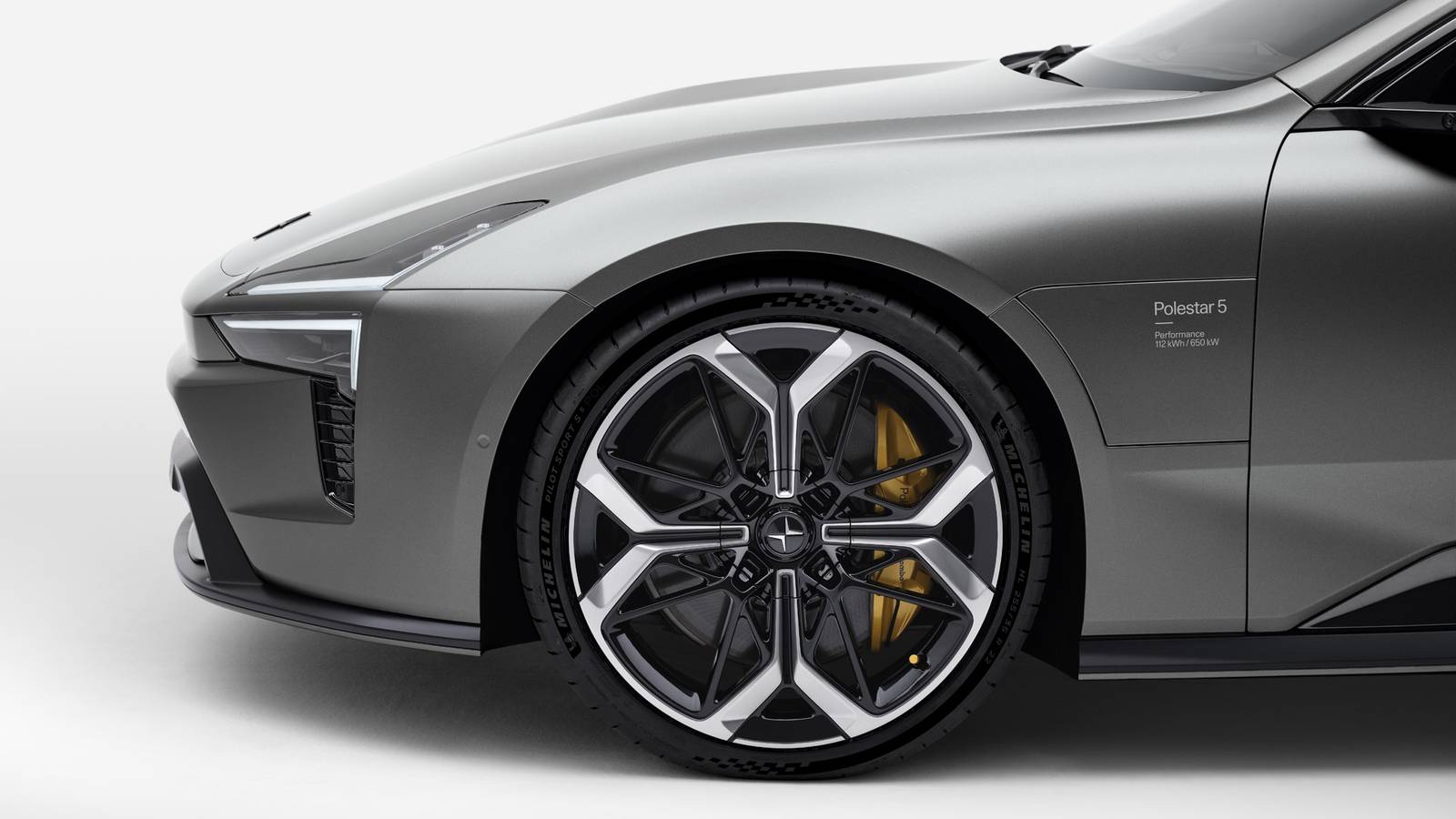
The Polestar brand launched with a plug-in hybrid vehicle, but the Swedish electric upstart isn’t happy about them anymore. The company’s Managing Director for Australia has just called plug-in hybrids “the worst of both worlds,” with good reason. Though it makes us wonder if extended-range EVs are any better, or will be when they show up.
More Complex, But Not Used As Intended
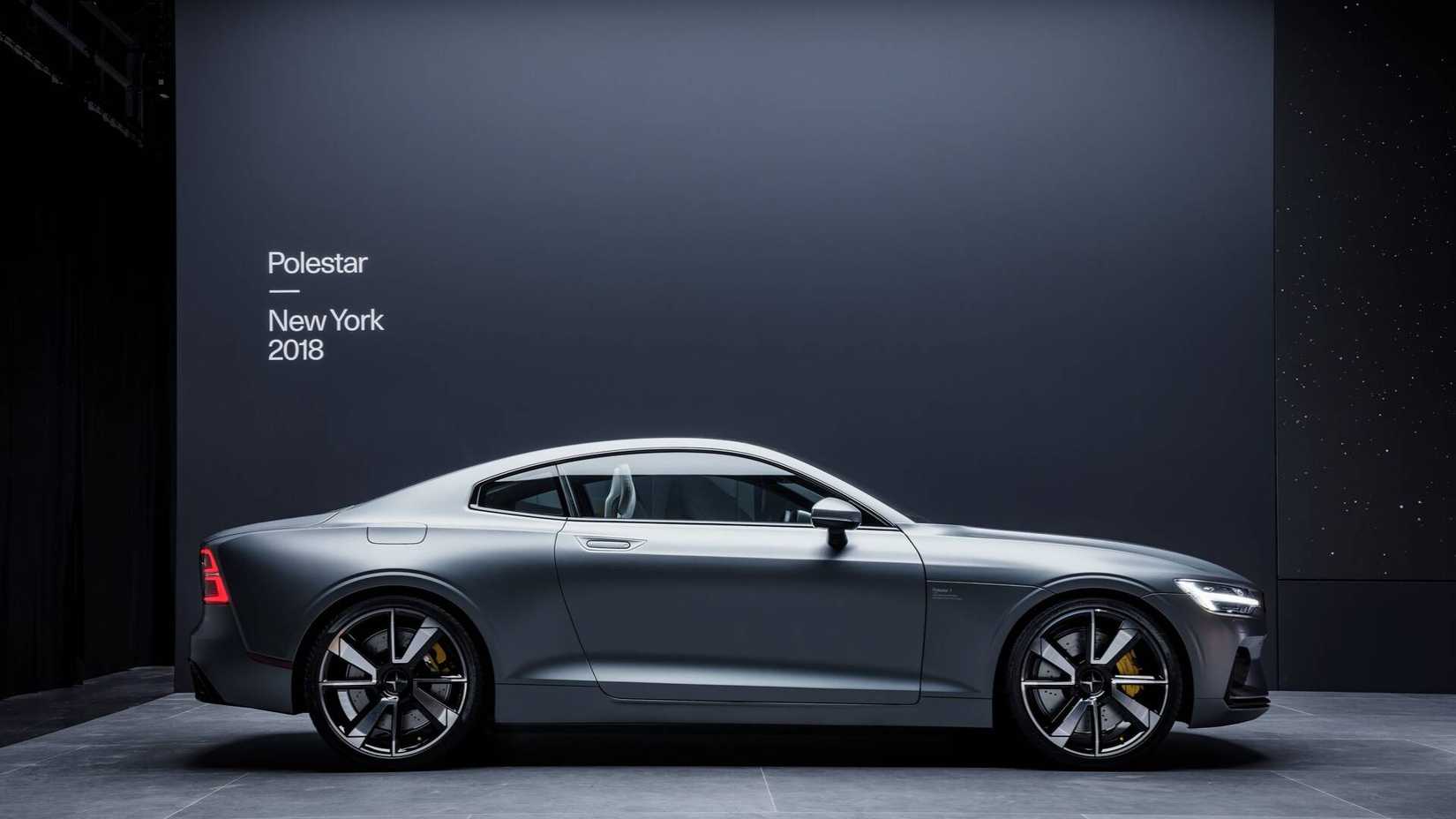
Polestar 1 profile parkedPolestar
If you’re not quite ready for an electric, or really aren’t sure, then PHEVs are being pitched as the perfect middle ground. They’re electric when you don’t need to go far and gas when you do. In theory, that means no EV range anxiety and lower emissions. Polestar Australia MD Scott Maynard feels differently, and he’s not alone, even though his company literally came into existence with a PHEV, namely the Polestar 1.
“I think [plug-in hybrid vehicles] are the worst of both worlds. So you’ve got all the complexity of an electric drivetrain, coupled with all of the weight and complexity of a petrol drivetrain,” he toldDrive Australia.

Base Trim Engine
2.0L Twincharged Inline-4 Plug-in Hybrid
Base Trim Transmission
8-Speed Automatic
Base Trim Drivetrain
All-Wheel Drive
Base Trim Horsepower
322 hp
Base Trim Torque
321 lb-ft @ 3600 rpm
Fuel Economy
TBC
Infotainment & Features
8 /10
He pointed out that the vehicles aren’t zero-emissions, because they use gas engines. He also pointed out that they have extra maintenance because you have both gas and electric systems to look after. Not only that, but “they’re propped as a stepping stone to electric,” he said. “It’s often the case that people that buy and drive those cars rarely plug them in to charge them.”
More and more studies are beginning to back that up. Ask automakers how frequently their PHEV owners charge, and you’re less likely to get an answer than if you asked about an unannounced new model.
Related
Polestar Addresses Its Self-Made Naming Nightmare For Next-Gen 2
Polestar will not go down the slippery slope with its model naming.
A recent look at PHEVs from the UK’s Transport & Environment found that real-world and official testing results were massively different. WLTP testing showed a reduction of CO2 emissions of 75%, while real-world monitoring put the vehicles at just 19% lower than their pure gas or electric counterparts. This is because many owners don’t plug them in regularly, or at all.
EV Company Wants More EV Charging
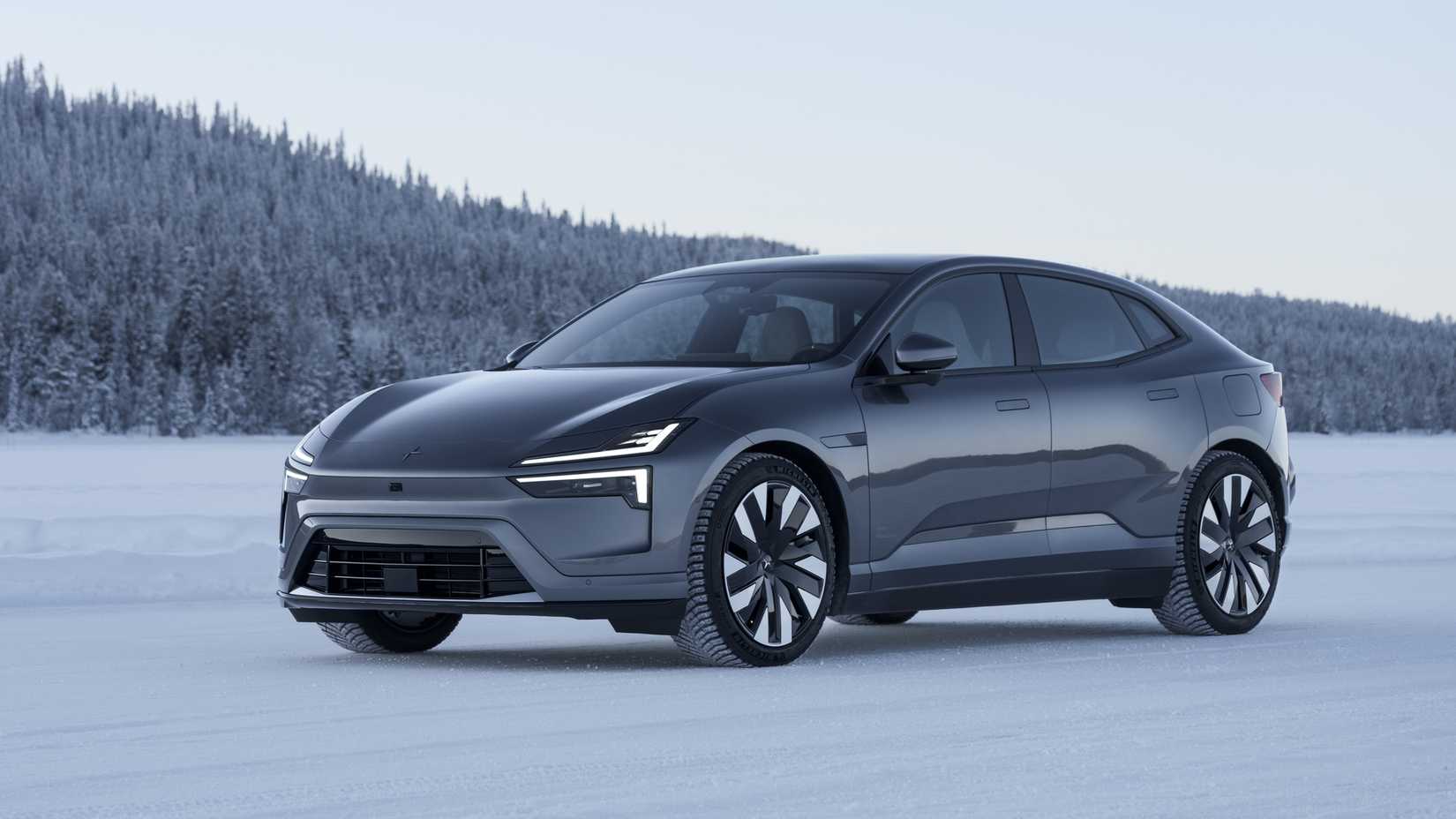
2026 Polestar 4 Long Range Single Motor w/Plus Pack front 3/4 angle in grayPolestar
What does Polestar want? Now that the Polestar 1 PHEV coupe has been discontinued, the brand only makes EVs. So it wants more EVs. Maynard described a problem in Australia that is very similar to what potential buyers report in the US. “We would love to see continued focus on charging infrastructure in Australia,” he said, adding that it has grown with government and private support. He said, “we need that work to continue.”
PHEVs generally deliver around 30 miles of electric range before switching to their gas engine. Because of the small electric battery, the gas engines need to be sized to drive the vehicle on their own. Most have small electric motors, so during hard acceleration, the gas engine comes on to assist and then remains on until it gets up to operating temperature. This can have the gas engine running for up to 10 minutes even though it isn’t moving the vehicle.
Related
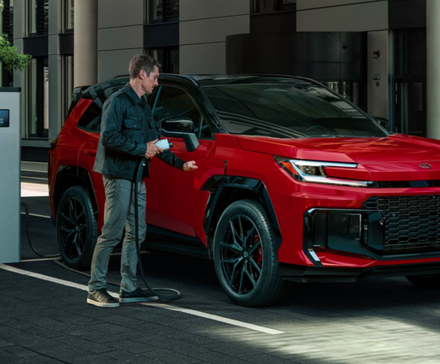
Automakers Are Honing In The Perfect PHEV Setup
Toyota and Hyundai think they’ve found the right balance of usable range without a crazy-heavy battery for new PHEVs.
Cool and cold weather can also be a problem for PHEVs. The cost and complexity of the gas engine means they don’t include the heat pump or resistance heater found in EVs. Instead, they run the gas engine purely for cabin heat, which consumes significant amounts of fuel.
At this point, the billion-dollar question automakers are asking right now is whether extended-range EVs – vehicles that function solely on electric power but use a gas engine to charge the battery – are the right-now solution buyers want. Considering the billions that have been lost on pure EV development by many brands so far, this literally is a billion-dollar question. And only time holds the answer.
Source: Drive