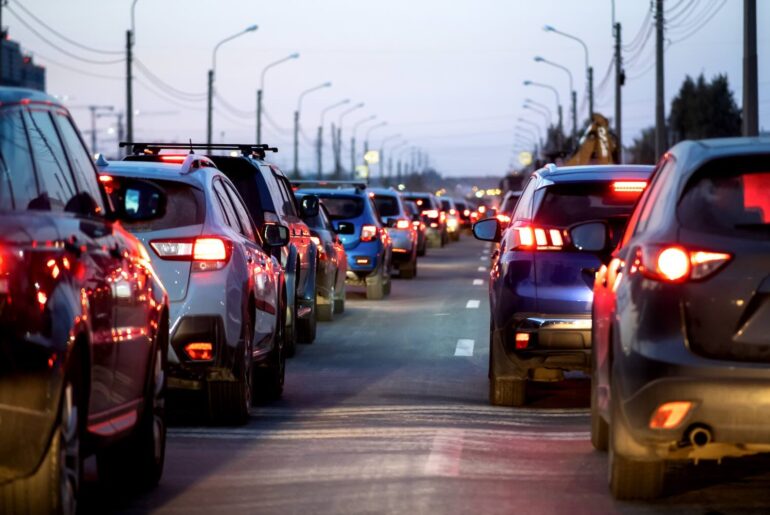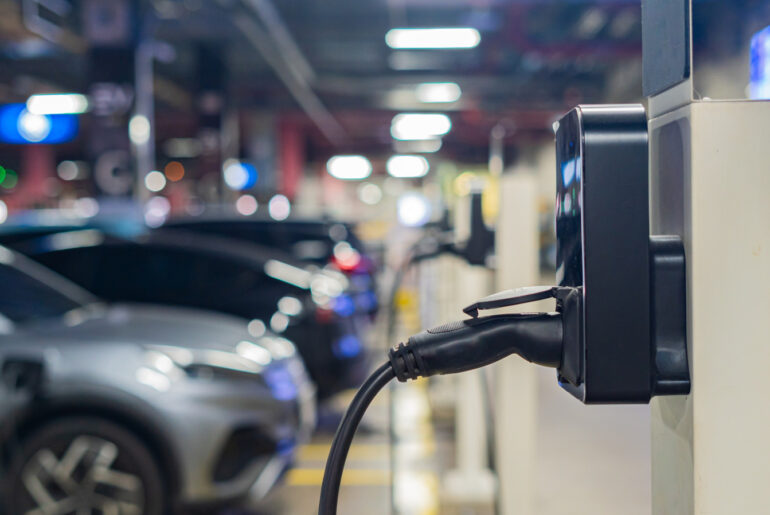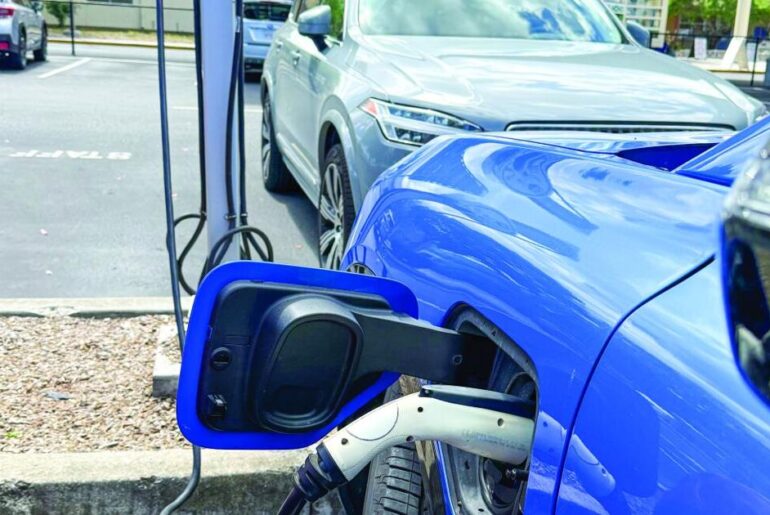
To end where we came in, the conflict in the Middle East has put our reliance on oil and fossil fuels, in general, into sharp focus. They are not long-term options for energy provision, and climate change and pollution also mean that we need to be actively exploring other avenues. So what might those be, and how do we transition – as painlessly as possible – to an oil-free future? Chris Smith asked Richard Black, former BBC correspondent, and director of policy and strategy at Ember to take a look at our other options, and how they might compare…
Richard – If you look in terms of the amount of energy that these fuels contain, which is called primary energy, then they’re supplying something like 80% of the energy that the world uses. So that’s a big hole to be filled. Fortunately, it’s not actually quite as bad as that because fossil fuel-burning devices, whether it’s power stations, cars, whatever, are quite inefficient. Well over half of the energy in those fossil fuels is wasted. And actually, the alternatives that we have now, such as wind turbines, electric cars, batteries, et cetera, are far more efficient. So it’s not an 80% hole that you need to fill, it’s maybe 30, 40%, that kind of thing.
Chris – How does it break down in terms of uses? So you say there’s about 80% energy, but energy goes into transport, it goes into heating, it goes into industry. What does that look like?
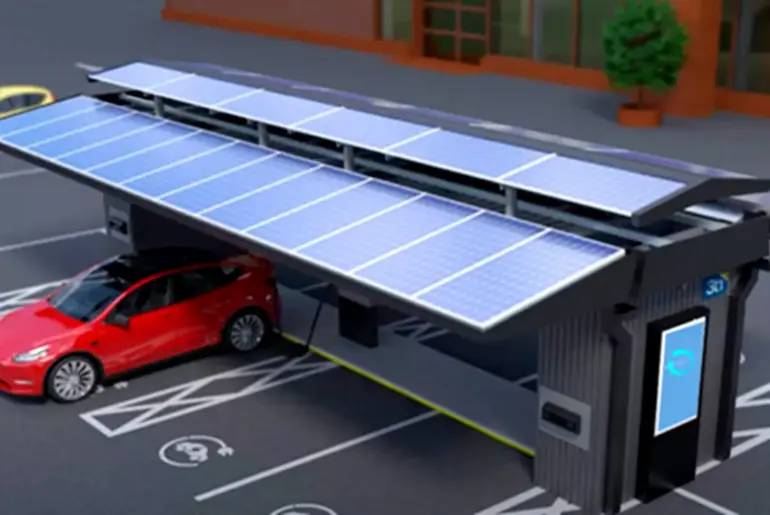
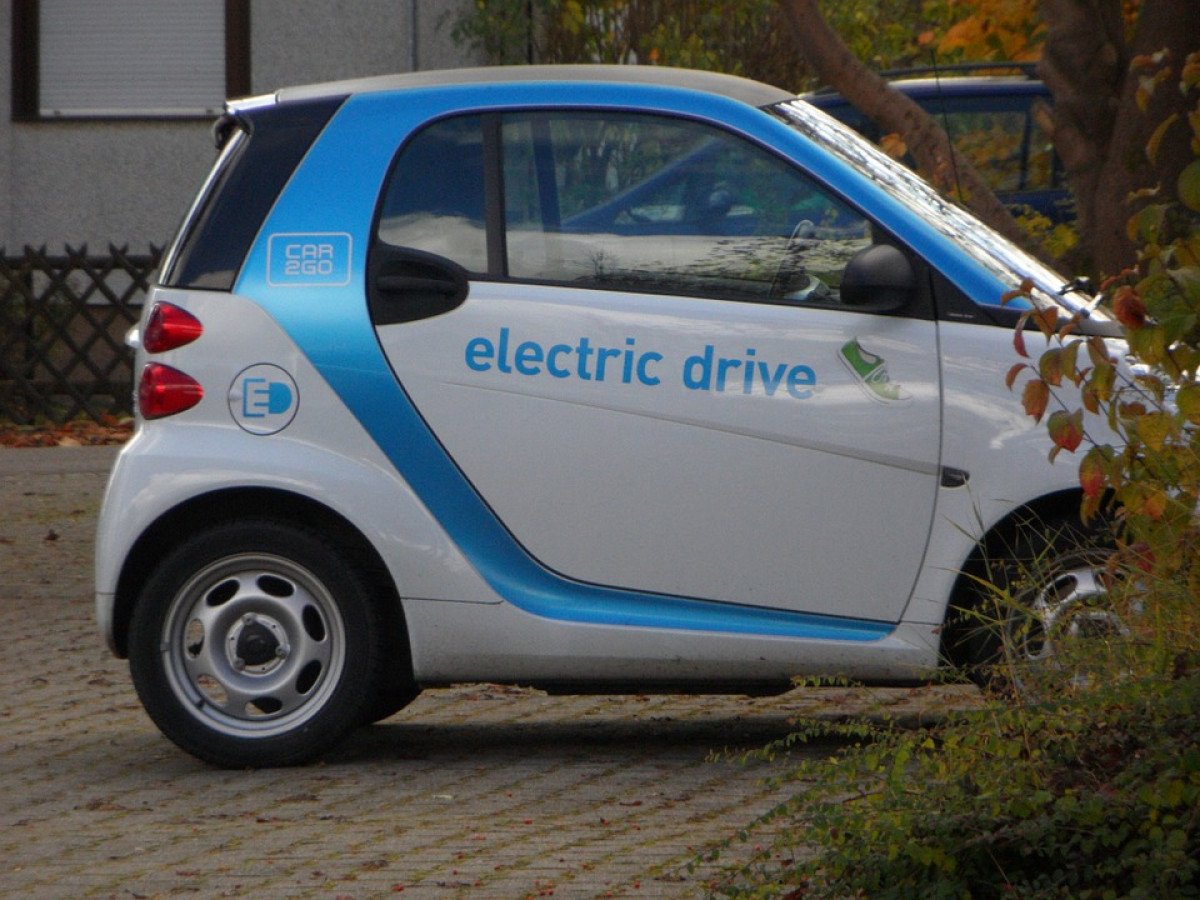
Richard – Yeah, I mean, it varies by country, and there are different ways of sort of cutting the cake. But as a ballpark, we’ve got transport, which is a big user. We’ve got industry, which is a big user. We’ve got cooling and heating, which is a big user, and then we’ve got the energy industry itself, because the energy industry actually needs energy to get the stuff out of the ground, transport it around the world, and so on. So when you’re thinking of how to replace the fossil fuels in total, then you’ve got to think about all these different applications. Fortunately, there is a vector, as scientists call it, a thing that can do virtually all of that, and it’s a thing that we’re very familiar with, and that is electricity. So if you take the humble car, the majority of the cars on the roads of Britain and every other European country, bar one, are mainly powered by petrol and diesel. But increasingly, electric cars are absolutely realistic. It’s a real thing, and it’s coming to, if it’s not already coming in a street near you, it’s coming to you very soon.
Chris – So you’re substituting, when we talk about the energy equation, and we regard oil and gas and coal as an energy supply, you’re saying, well, we can substitute some of that as electricity. And therefore, you can say, well, where do we get the electricity from? And that can be some renewable and alternative sources. The problem is that many of those, solar is an example, wind is a good example, which the UK is invested in very heavily, they’re not always available. So many people will say, well, we need a gas backup, because when the sun doesn’t shine, like at night, when the wind doesn’t blow, like some of the time, we need to be able to turn that energy supply on from alternative sources.
Richard – Yes, I mean, there is a future where all of the electricity that is used in pretty much every country in the world does come from wind and solar, mainly, with ingredients from hydropower, geothermal, maybe a bit of nuclear here and there, and then what are called flexibility mechanisms. So the main problem, as you’re alluding to there, Chris, is that with wind and solar, is that you can’t turn them on and off at will. So you need to be able to bridge those gaps in some way, but gas backup is only one of the ways of doing that. And there are four, as they’re called, flexibility mechanisms. So one is simply that you switch off non-essential uses at times when generation is low. This is something that’s called demand-response, and it’s used quite a lot in various countries, including the United States. And basically, it’s a bit like if I buy a ticket for the train, I can buy a ticket in rush hour, at seven in the morning, and it’s going to cost me a lot of money. Or I can decide not to do that. I’ll go at 10 o’clock instead because I don’t need to be there bang on time, and it’s going to cost me a quarter of the price or something. Well, if you feed this price signal through into electricity bills, you get the same thing. Do I need to run my dishwasher at 8 p.m. in peak time of peak load? No, I actually don’t. If it’s cheaper, I’ll run it sometime in the early morning. That’s fine. So that’s demand-response. The second one, which is really coming up fast, is storage. The main historical way of storing energy for electricity systems was something called pumped hydro. There are quite a few stations around Britain, and basically, when you’ve got abundant electricity, you pump water uphill from a low reservoir to a high reservoir. When you need electricity, you reverse; the water comes downhill and generates electricity. So that’s there, but the big new player is battery storage. Increasingly cheap, prices have come down by something like 85% in a decade. The amount of volume being deployed around the world is going up. Well, it’s not quite doubling every year, but it’s that kind of ballpark. The third way you do things is by sharing electricity. So you connect electricity systems with big, long cables. In the case of the UK, they have to go under the sea. The UK’s got, I don’t know, at the moment, seven or eight, I think, cables linking it to other countries. So you’re basically sharing electricity, and you’re getting around some of the shortages that way. And then the fourth system is you have to have some kind of long-term storage, and a lot of those systems are basically in development. But you can also do things like making hydrogen, and then, in extremis, you burn the hydrogen in a hydrogen-burning power station. So you don’t have to have gas backup. It’s just one of the means that’s available.
Chris – But in our country, the weather’s appalling half the time. And so you just don’t have the solar capacity. So we do need some kind of surefire way of getting that energy. If solar is going to pay dividends, perhaps placing solar panels in bigger rays on the Sahara, which is a project that’s undertaken at the moment, isn’t it? And shipping that electricity long distances, that’s coming. But what sort of timeline are we looking at? Because energy prices are incredibly high at the moment, and they’re being made even higher by what’s going on geopolitically. And as a result of this, people are saying, look, I know we’ve made great progress with recyclables, but there are limits, and we really need to be tapping into an energy source that will drive prices down in the short term while we iron out these bumps. So what sort of timeline are we looking at with these sorts of things?
Richard – Well, I think, I mean, for those projects in the Sahara, it’s really a question of when investors gain enough confidence to plough ahead and build it. I mean, there was a project I remember 15 years ago that was posited to build solar panels in North Africa and bring electricity into modern Europe, and it didn’t happen because in the end, for whatever reason, the investors didn’t think it’s worthwhile. I mean, we’re talking big sums of money here, multiple billions, so it’s very hard to give a timeline on a project like that. One thing that’s very important to realise at the moment is that the high electricity prices in the UK are primarily a result of the way that the market is designed. So for any given period of time, half hour or whatever, the price of electricity is set by the most expensive generator that is supplying electricity at that point. So you can have a situation where 90% of your electricity is coming from wind turbines and nuclear reactors, 10% is coming from gas, but everybody’s having to pay the gas price for all of their electricity. So this is something that energy professors have been talking about in the UK and other countries with a similar market structure for years, and the government has recently begun to talk about changing that. So basically, people benefit from the cheaper renewables.