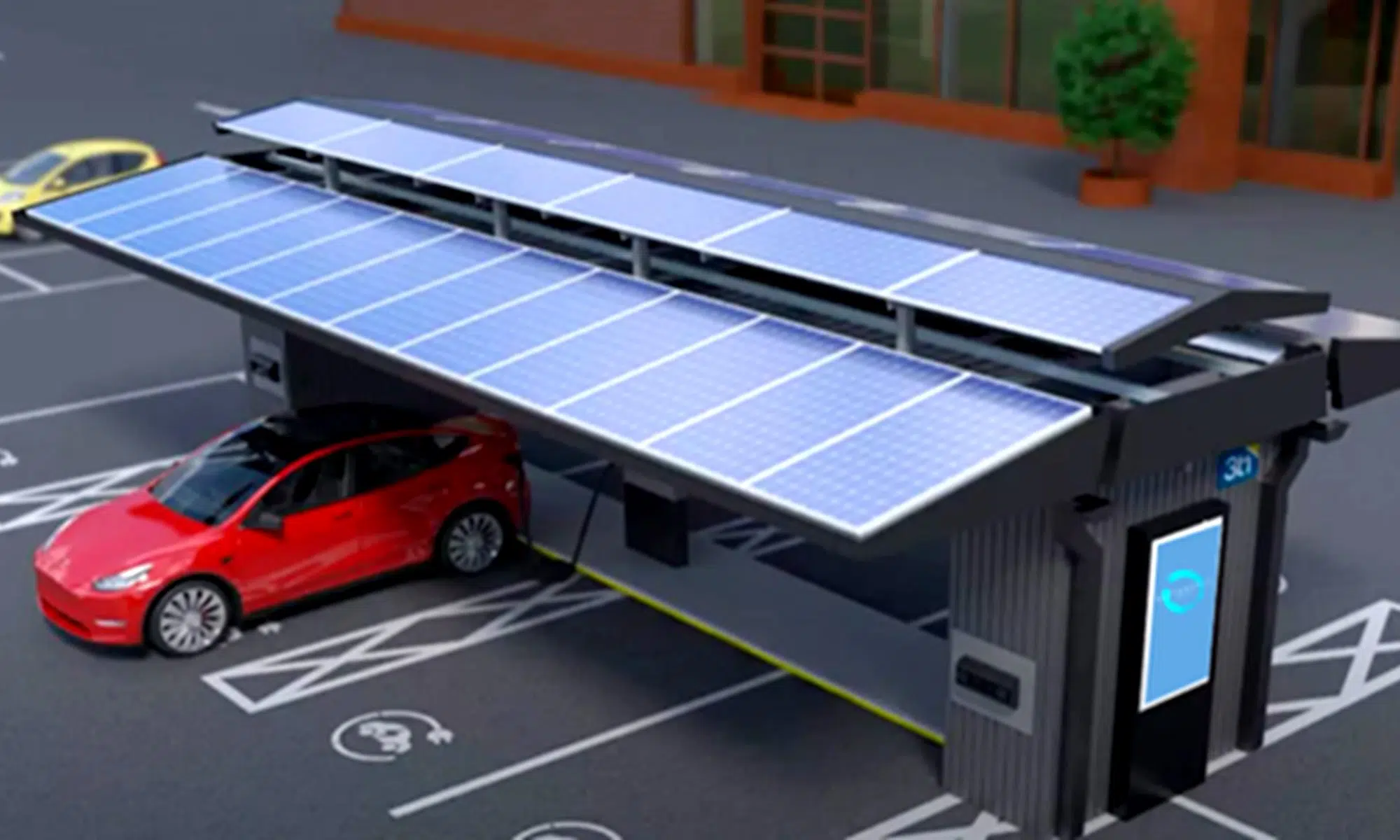
The Spanish company Batteryfly presented a portable charging station for electric vehicles that combines several innovative features: it is autonomous, modular, intelligent, and bidirectional, and it can also operate with second-life batteries.
The project aims to accelerate the transition to electric mobility in Spain, where the deployment of infrastructure is advancing but still slower than ideal.
Autonomy and Versatility
The station is designed to operate in multiple scenarios: from domestic environments to temporary events, rural areas, or emergency situations.
Its portable nature allows charging to be brought where it is most needed, even in adverse contexts such as extreme weather events, ensuring energy supply and mobility.
The system integrates advanced intelligent energy management technologies, optimizing resources and improving overall efficiency. It is compatible with renewable energy sources, reinforcing its role within a more sustainable and decentralized energy model.
Modularity is another of its pillars. The design allows for capacity expansion, easy component repair, and technology updates without needing to replace the entire station. This extends its lifespan and promotes material reuse, aligning with the principles of the circular economy.
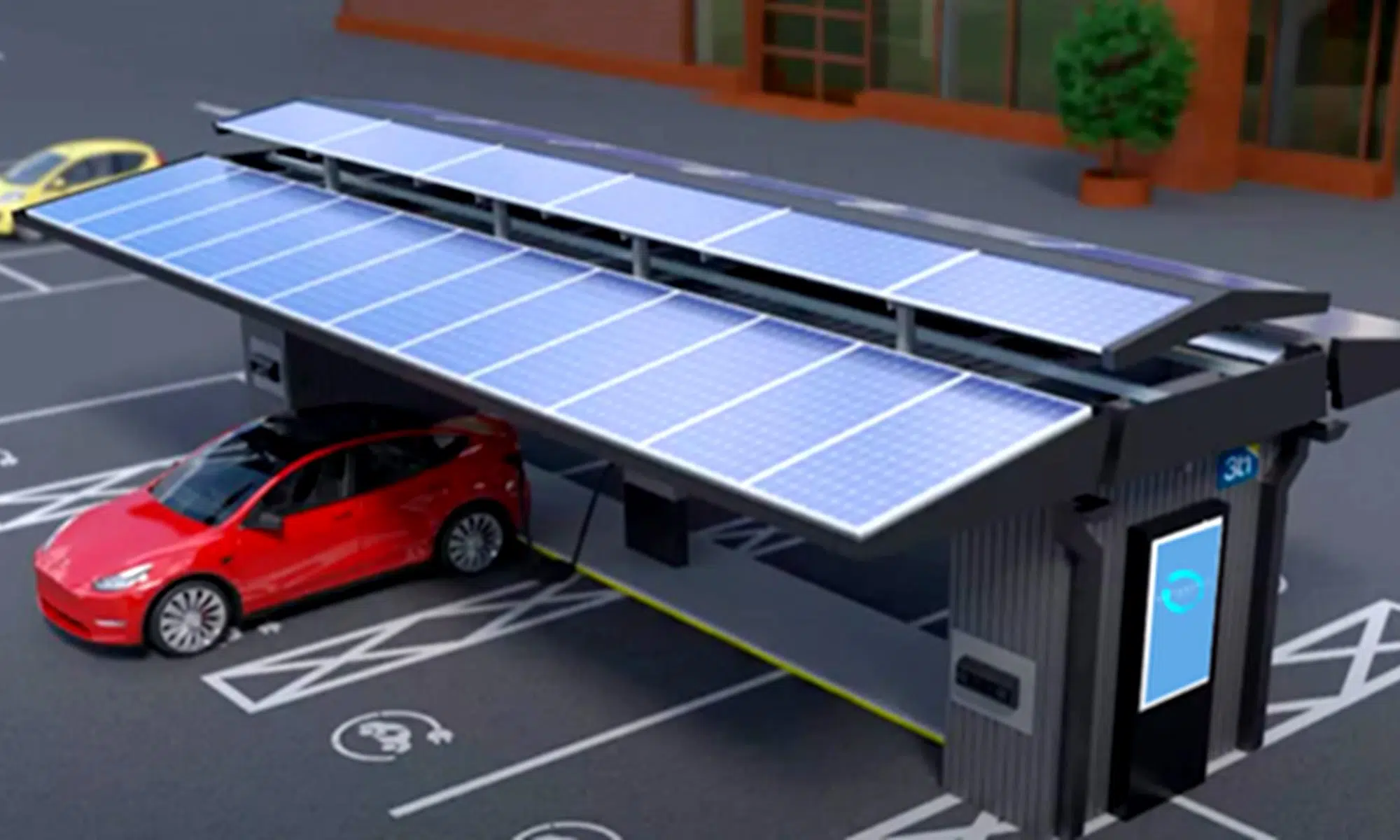 Portable charging is the ideal solution for electric mobility.
Second-Life Batteries
The most innovative aspect is the use of reused batteries from electric vehicles or stationary storage systems. Although they no longer meet the demands of a car, they retain enough capacity for less demanding applications. Their integration into portable stations gives them new value and reduces waste generation.
The system includes analysis tools that allow for the assessment of each battery’s state of health (SOH), providing precise information about its remaining lifespan and facilitating maintenance or replacement decisions.
The station not only supplies energy to electric vehicles but can also return it to homes, devices, or even the power grid, expanding its use possibilities in a more flexible energy ecosystem.
Development and Future
The project, led by Javier Alcalá, general director of Batteryfly, is part of the Proyecto Gaviota, alongside V2C and supported by Ivace+i Innovación.
It also has funding from the European Union through FEDER in the Valencian Community (2021-2027). Its expected duration is two years, from 2025 to 2027, and will result in a functional prototype validated in real environments.
The Batteryfly station represents a significant advancement in sustainable portable energy, with high potential impact on the market and the energy transition.
Its combination of autonomy, modularity, battery reuse, and bidirectional charging makes it a key solution to accelerate electric mobility and consolidate a more resilient and circular energy model.