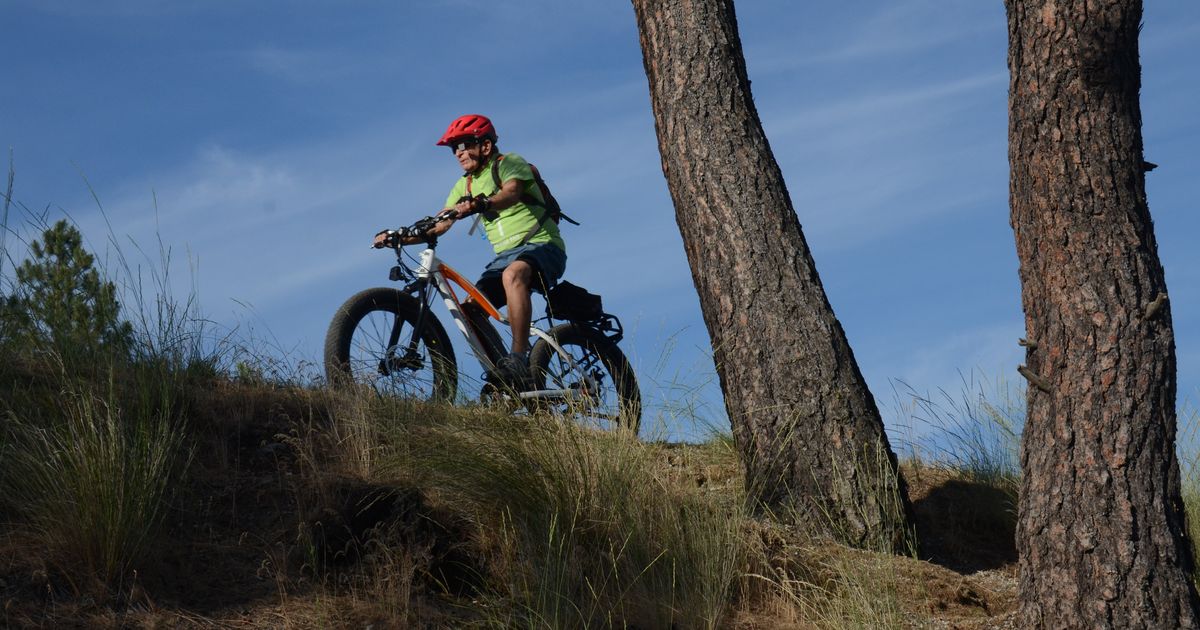
Inland Northwest cyclists can now use certain electric bikes on Spokane County parklands.
The Spokane County Commission unanimously approved new laws and policies for the use of electric bicycles on county-owned recreation sites like John H. Shields Park, Antoine Peak and the Mica Peak Conservation Area. The change effectively ends a long-term ban on any motorized vehicles.
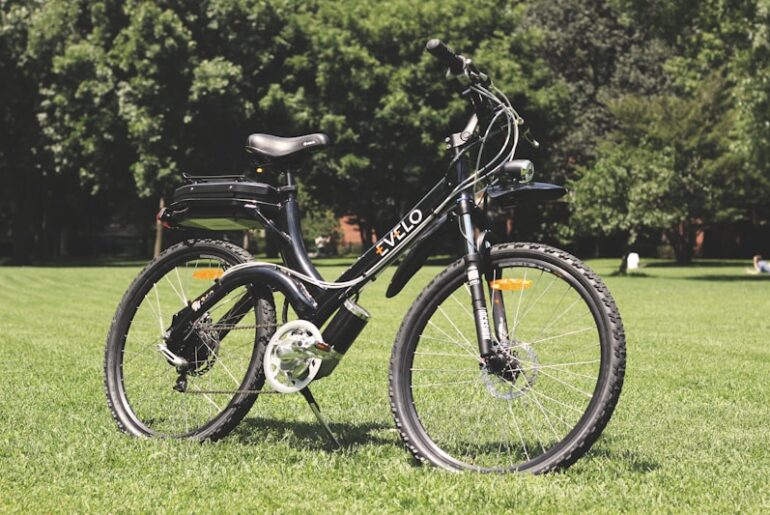
The new policies are in line with those already in place at state parks allowing Class 1 and Class 3 pedal-assisted e-bikes.
Spokane County Parks, Recreation and Golf director Doug Chase said the consistency between jurisdictions is by design. The county wanted to make it easy on riders who are already familiar with state policies, and it allows for peace of mind for more adventurous riders who may find themselves passing from county land to state land and vice versa.
“So often our users don’t know when they leave a county park and enter a city facility or state facility,” Chase said.
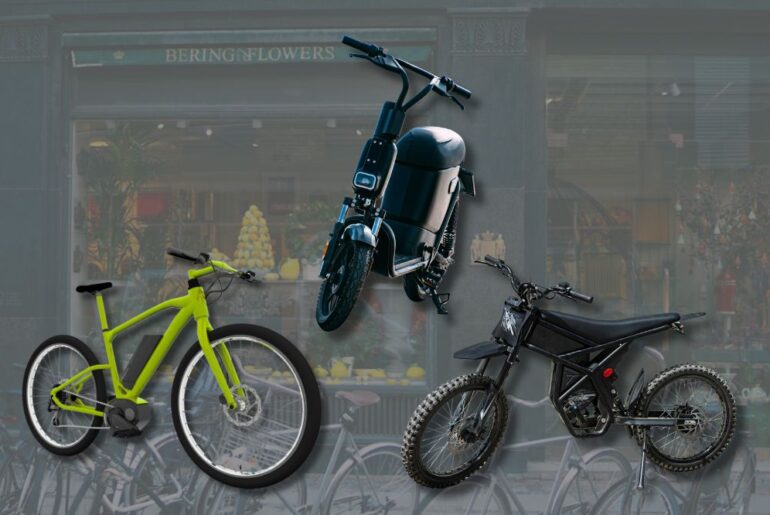
Class 2 e-bikes have a throttle that allows riders to propel themselves without pedaling. Those will not be allowed on county parks trails because of concerns that they damage trails.
Using a Class 2 e-bike will result in the rider receiving a civil infraction and $200 fine under the new policies. If a rider is caught using one of the Class 2 bikes on county land again, it will result in a misdemeanor and more significant fine.
The additions to county code would also include a requirement that bike, e-bike or power wheelchair users are maintaining control and limiting speeds. They must also adhere to posted speed limits, which tend to hang around 15 mph.
The ban on Class 2 e-bikes received some pushback during public testimony. County resident Phil Brinley said his fat-tire bike made for trail riding should not be villainized, but that the policies should target irresponsible users of Class-2 bikes. He posited putting in an exemption for seniors and riders with disabilities.
“I’m 76 years old. I couldn’t use these trails without an e-bike, without a throttle,” Brinley said. “When the problem is people hot-rodding around the trails, that should be the issue you need to solve.”
Commissioners Josh Kerns and Chris Jordan agreed the policies enacted Tuesday only serve as a starting point. Teasing out the differences between bikes under the Class-2 classification is something they hope to further explore, alongside policies that more directly impact irresponsible users and potential exemptions.
“My concern here is it’s the behavior we want to prevent,” Kerns said. “But my guess is there is a way you can appropriately use a Class 2 that we would be fine with, if you’re not burning out, leaving divots.”
Chase noted that the technology is still evolving and developing; the county may need to update the policies depending on what the e-bike landscape looks like in the future. Up until Tuesday, county code contained no definitions for the e-bikes or the different categories established by state law, as well as any regulations regarding use.
“As it stands, no bikes are allowed on the county trails, and so this allows for more to be welcomed,” Jordan said. “I would ask, as well, we continue to evaluate whether there could be exceptions made as we learn more about these technologies.”