2026 BMW iX3 vs Mercedes GLC EV | Full Electric Luxury SUV Showdown!
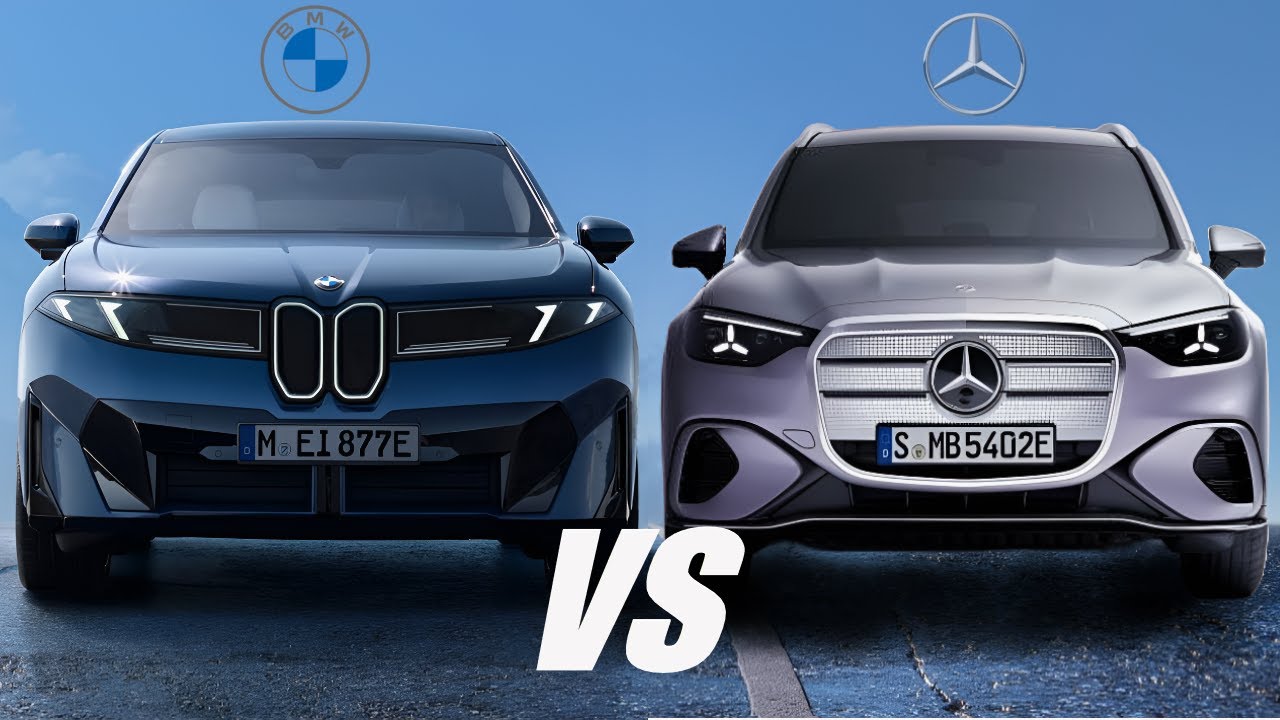
The showdown was bound to happen when two of Germany’s automotive giants unleash all electric versions of their best-selling SUVs within days of each other. Sparks are guaranteed to fly. The timing couldn’t be more theatrical. MercedesBenz pulls the curtain back on the GLC EV, or as they proudly brand it, the GLC with EQ technology. Just 48 hours after BMW unleashes its electrified X3. both enter the same battlefield, the fiercely contested arena of luxury electric SUVs. Yet, when placed side by side, the contrast becomes impossible to ignore. These aren’t just rival vehicles. They’re two radically different interpretations of what the future of German luxury should look like. Exterior design. If you think the GLC EV and the BMW i3 give off a similar vibe, you’re not imagining it. Both automakers even use nearly identical phrasing in their marketing campaigns, calling their SUVs the dawn of a new era. Whether that’s an intentional nod or just a case of corporate deja vu, it shows how both brands are trying to position these models as their entry points into a more electrified future. Mercedes, however, has taken a slightly different approach than BMW. The EX-3 represents more of a clean break from BMW’s traditional styling with a look that stands apart from its combustion engine siblings. In contrast, the electric GLC plays it safer, leaning heavily on evolution rather than revolution. This makes the SUV feel familiar and instantly recognizable as a Mercedes product, which could appeal to loyal buyers who prefer continuity over drastic change. Up front, the grill is perhaps the most divisive element. It’s dominated by an oversized three-pointed star that leaves no doubt about its identity, even if the overall execution isn’t universally loved. Still, the strong presence of the badge ensures the GLC EV carries the signature Mercedes DNA at first glance. The headlights are sharper and more modern, flowing neatly into the grill and giving the front end a more cohesive, upscale look. Around the back, Mercedes takes a bolder step forward. The tail lights introduce a fresh lighting signature that feels both futuristic and premium, drawing subtle inspiration from the concept AMG GTX. The horizontal layout not only widens the visual stance, but also injects a hint of sportiness that sets the GLCV apart from its combustion engine counterpart. The overall rear profile is sleek, wellproportioned, and arguably the most striking angle of the SUV. In short, while the EX-3 may feel like a brand new chapter in BMW’s design story, the GLC EV is more of a refined continuation for Mercedes. It balances familiarity with forward-looking elements, ensuring it appeals to traditional Mercedes buyers while signaling that the brand is fully invested in the electrified era. interior design. Step inside the electric GLC and it becomes immediately clear that Mercedes wants the cabin to make a statement. At the center of it all, quite literally, is the brand’s highly publicized MBUX hyperscreen. It stretches across the entire dashboard, merging multiple displays into one seamless digital panel. While some may feel that replacing traditional dash elements with a wall of screens is a bit excessive, there’s no denying that it creates a futuristic minimalist atmosphere. Compared to the current GLC’s more boltedon approach to infotainment, this integration feels sleeker and more cohesive. Love it or not, the hyperscreen is impossible to ignore, and it firmly positions the GLC EV as a tech forward SUV. The steering wheel is another highlight. Redesigned specifically for this model, it maintains Mercedes classic proportions while introducing a modernized look. It strikes an excellent balance between thickness and control, giving drivers a sense of sturdiness without feeling cumbersome. In many ways, it feels more traditional and elegant than what BMW has chosen for the EX-3, staying true to Mercedes luxury first design philosophy. Seating has also been upgraded with new contours and materials designed to maximize comfort on long drives. Mercedes offers a vegan package that swaps out animal-derived materials for sustainable alternatives, an increasingly important option for eco-conscious buyers. For those who prefer more conventional luxury, MBEX and genuine leather upholstery remain available, ensuring there’s something for every taste. Practicality hasn’t been forgotten either. Cargo space is nearly identical to that of the BMW i3. With the seats folded flat, the GLC EV delivers 61.4 cubic feet of storage capacity, just shy of the EX-3’s 61.8 cubic feet. In real world terms, that difference is negligible, meaning both SUVs offer plenty of room for luggage, groceries, or weekend adventure gear. Altogether, the interior of the GLC EV blends futuristic technology with classic Mercedes familiarity. It may not please purists who prefer a more traditional dashboard layout, but it will certainly impress tech enthusiasts and younger buyers looking for a luxury SUV that feels firmly planted in the electric era. Performance. Sorry Mercedes fans, but when it comes to range, the GLC 400 EV doesn’t quite outshine its Bavarian rival. Based on Europe’s WLTP testing cycle, Mercedes estimates 713 km on a full charge. Respectable, but not class leading, the BMW iX3 edges ahead with an impressive 805 km of range, thanks largely to its larger battery pack. That extra capacity doesn’t just extend range, it also shows up in charging performance. BMW claims the EX-3 can add 372 km of range in just 10 minutes on a high-speed charger. Mercedes isn’t far behind, but its figure of 303 km in the same time window gives BMW a slight advantage for roadtrip convenience. Where the GLC strikes back is an outright power. Mercedes has tuned the dual motor setup to deliver 483 horsepower, giving it a small edge over the EX-3’s 463 horsepower. While both SUVs promise brisk, effortless acceleration typical of electric luxury models, the extra ponies in the GLC suggest sharper throttle response and perhaps a bit more excitement behind the wheel. Ultimately, it’s a trade-off. The BMW offers longer range and faster top-up charging, making it the more practical choice for frequent long-d distanceance driving. The Mercedes, meanwhile, emphasizes performance and driving character, aiming to balance efficiency with a bit of that AMG inspired punch. Technology. All right, let’s circle back to the star of the GLC EV’s cabin, the MBU Hyperscreen. Stretching 39.1 in across the dashboard. It’s not just a display. It’s the entire visual identity of the interior. The design philosophy here is unmistakable. Mercedes wants the driver and passengers to be surrounded by technology at every glance. The seamless integration of multiple screens behind a single pane of glass gives the cabin a futuristic, almost concept car feel. It’s bold, flashy, and definitely aimed at buyers who want their SUV to scream next generation. BMW, on the other hand, has chosen a completely different strategy with the EX-3. Instead of stretching tech across the cabin, it relies on a more conventional 17.9 in central display paired with its panoramic vision system, a head-up style display that projects information across the base of the windshield. BMW calls this approach shy tech, emphasizing subtlety and minimal distraction. The result is a cleaner, less overwhelming cabin experience compared to Mercedes Maximalist take. When you peel back the presentation, though, both SUVs offer nearly identical core features. Expect voice activated controls, advanced navigation, wireless Apple CarPlay and Android Auto, overthe-air updates, and AI powered search functions, no matter which you choose. Both brands also include robust driver assistance suites from adaptive cruise control to lanekeeping and automated parking. It’s worth noting, however, that the Hyperscreen isn’t standard equipment. buyers will have to pay extra for it, while BMW’s panoramic vision display comes standard with the EX-3. Pricing hasn’t been officially confirmed for the GLC EV, but given how closely these two compete, it’s likely to land in the same ballpark as the EX-350X drive, which starts at just under $60,000. This pricing detail could play a big role in buyer decisions. Shoppers who want a dramatic, futuristic looking dashboard may gravitate toward the Mercedes, even if it costs a bit more with options. Those who value subtle, driver focused tech integration might prefer BMW’s more understated approach. But the Mercedes will have to work hard to offset its shorter range and slower charging performance if it hopes to lure buyers away from the EX-3. In the end, when it comes to technology, these two SUVs highlight the contrasting philosophies of their brands. The GLCEV puts its tech front and center, making it part of the showpiece. The EX-3, meanwhile, tucks it away in the background, prioritizing function over flash. Both paths lead to a premium experience. It just depends on what kind of tech personality you want your luxury EV to have. So, after looking at the exterior, the interior, the performance, and the tech, who comes out on top? Well, if range and charging speed are your top priorities, the BMW EX-3 takes the crown. It’s practical, efficient, and ready for those long road trips without the constant charging anxiety. But if you want a luxury EV that feels more powerful, more stylish, and more Mercedes, the GLC EV is going to win you over with its futuristic hyperscreen and bold design. At the end of the day, the EX-3 is the logical winner. But the GLC EV might just be the one that steals your heart. So now I want to hear from you. Which one would you pick? The BMW EX-3 or the Mercedes GLC EV? Drop your choice down in the comments below. And as always, if you enjoyed this breakdown, don’t forget to hit that like button, subscribe to the channel, and ring that bell icon so you never miss our next luxury car showdown. Thanks for watching, and I’ll catch you in the next one. [Music]
The ultimate electric SUV battle is here!
In this video, we put the all-new 2026 BMW iX3 head-to-head with the Mercedes-Benz GLC EV (GLC with EQ Technology). Both are brand-new all-electric versions of their best-selling SUVs, and the competition has never been more intense.
We’ll compare:
✅ Design & Styling – Who looks more futuristic?
✅ Performance & Range – Which electric SUV goes further and faster?
✅ Interior & Luxury – BMW’s modern minimalism vs Mercedes’ high-tech cabin.
✅ Features & Tech – iDrive vs MBUX, infotainment, and driver assistance.
✅ Price & Value – Which SUV gives you more for your money?
If you’re considering a luxury electric SUV in 2026, this review will help you decide between BMW iX3 and Mercedes GLC EV.
👉 Which one would YOU choose – the iX3 or the GLC EV? Comment below!
––––––––––––––––––––––––––––––
Music: The Big Score – MK2 • The Big Score – MK2 (No Copyright Music)
––––––––––––––––––––––––––––––
––––––––––––––––––––––––––––––
This Too Shall Pass by Scott Buckley
/ scottbuckley
Creative Commons — Attribution 3.0 Unported — CC BY 3.0
Free Download / Stream: https://www.audiolibrary.com.co/scott…
Music promoted by Audio Library • This Too Shall Pass – Scott Buckley (No Co…
––––––––––––––––––––––––––––––
📌 Don’t forget to like, subscribe, and hit the bell 🔔 so you never miss the latest luxury car reviews, comparisons, and auto news.