For decades, Americans have followed a simple rule:
If you’re going somewhere, you drive.
This assumption shaped entire cities, lifestyles, and daily routines.
But today, that habit is quietly starting to break.
Not because cars are disappearing.
Not because people suddenly stopped driving.
But because something much more practical is happening:
For short trips, cars are no longer the most efficient choice.
And as this realization spreads, a new alternative is gaining traction:
👉 the folding electric bike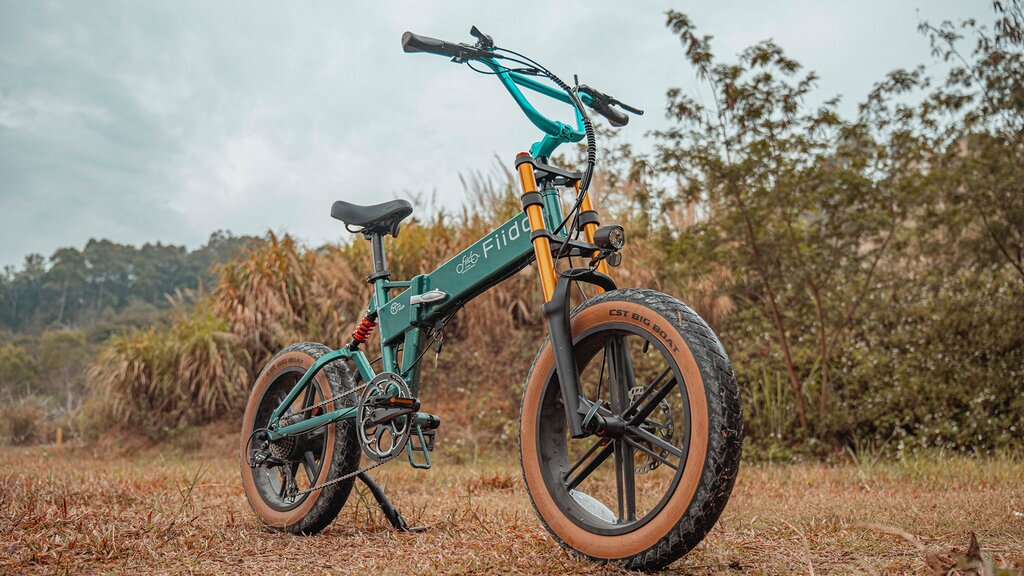
What is a folding electric bike?
A folding electric bike is a compact ebike designed to fold into a smaller size, allowing it to be easily stored, carried, and transported.
It combines two powerful ideas:
electric assistance, which reduces physical effortfoldability, which removes storage and portability barriers
This combination transforms the bike from a traditional vehicle into something more flexible:
a mobility tool that fits into your daily life, instead of forcing your life to adapt to it.
The real issue with short-distance travel in the U.S.
Many people believe that transportation challenges in the U.S. come from long distances.
But the data—and everyday experience—tell a different story.
Most daily trips are actually short:
1–5 miles to workquick grocery runscoffee shops, gyms, errandscampus or downtown movement
So why do people still rely on cars?
Because for years, there was no better alternative.
However, this creates a major inefficiency:
using a system designed for long-distance travel to solve short-distance needs.
The result?
excessive time spent on parkingunnecessary fuel consumptionmental effort just to complete simple tripsreduced willingness to go out frequentlyWhy folding electric bikes are growing rapidly
Folding electric bikes are not just another version of e-bikes.
They solve a very specific and overlooked problem:
the friction of everyday mobility
With a car, every trip involves:
preparationdecision-makingparking considerationstime uncertainty
With a folding e-bike, most of that disappears.
You don’t need to plan.
You don’t need to think.
You don’t need to commit.
👉 You simply:
unfold → ride → arrive → fold
This simplicity is what makes them powerful.
A deeper shift: from transportation to behavior
What’s happening isn’t just a change in vehicles.
It’s a change in behavior.
In the past, mobility required conscious decisions:
Should I go now or later?Is traffic going to be bad?Will I find parking?
These small decisions create mental resistance.
Over time, that resistance leads to inaction.
People delay trips.
They skip errands.
They reduce spontaneous movement.
Folding electric bikes remove that friction entirely.
And when movement becomes easy:
people move more often, more freely, and with less stress.
Key benefits of a folding electric bike1. Compact and space-saving
A foldable electric bike for apartment living is ideal for urban and suburban environments where space is limited.
You can:
store it indoorsavoid theft riskseliminate the need for bike racks or garages2. Portability and flexibility
A lightweight folding electric bike allows you to:
carry it upstairsfit it into your car trunkcombine it with public transportation
This creates a hybrid mobility system that cars alone cannot provide.
3. Perfect for short commutes
A folding electric bike for commuting is optimized for:
1–10 mile tripsdaily routinesquick and efficient movement
It’s not about replacing all transportation—it’s about optimizing the most frequent trips.
4. Cost efficiency
Compared to cars, folding e-bikes dramatically reduce costs:
no gasminimal maintenanceno parking feeslower upfront investment
Over time, this leads to significant savings.
How to choose the best folding electric bike
If you’re searching for the best folding electric bike, avoid focusing only on specs.
Instead, prioritize real-life usability:
weight (can you carry it?)folding speed (will you actually fold it daily?)size (does it fit your living space?)battery range (30–50 miles is ideal for most users)durability and reliability
👉 The best bike is not the most powerful one.
It’s the one that fits seamlessly into your routine.
Real-world solutions: Fiido folding e-bikes
To understand how this shift plays out in reality, let’s look at two practical examples.
Urban simplicity: compact everyday mobilityFiido D3 Pro Electric Mini Bike
The D3 Pro is designed for one thing:
👉 making daily short trips effortless
compact and lightweighteasy to fold in secondsideal for apartments and small spacesperfect for 1–5 mile rides
This type of folding electric bike excels in:
daily errandsshort commutesspontaneous trips
Its biggest advantage is not performance—
it’s consistency of use.
Power and versatility: beyond the cityFiido M1 Pro Fat Tire Folding Electric Bike
The M1 Pro offers a different approach:
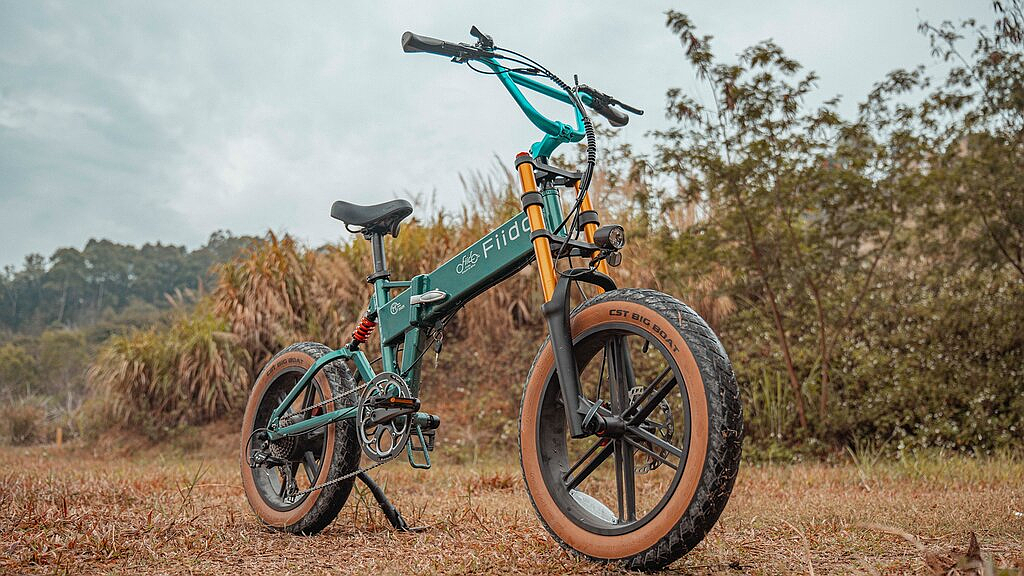
stronger motor performancefat tires for multiple terrainsfoldable but more ruggedsuitable for both city streets and outdoor paths
This makes it ideal for:
suburban usersmixed terrain ridingweekend exploration
It doesn’t fully replace a car—
but it significantly reduces reliance on one.
Folding electric bike vs car: a practical comparison
For short-distance trips, the contrast is clear:
🚗 Carrequires planningparking takes timetraffic adds unpredictabilityhigher cost per trip🚲 Folding electric bikeinstant startpark almost anywherepredictable travel timeextremely low cost
👉 The key difference:
one creates friction, the other removes it.
The changing role of cars in the U.S.
Cars are not disappearing.
They remain essential for:
long-distance travelfamily transportationheavy loads
But their role is shifting.
For short trips, they are becoming:
inefficient, oversized, and unnecessary.
Folding electric bikes are filling that gap.
The hidden truth: mobility affects lifestyle
Transportation is not just about getting from point A to point B.
It shapes how often you move, how easily you act, and how flexible your life becomes.
When mobility is difficult:
you go out lessyou plan moreyou hesitate
When mobility is easy:
you act immediatelyyou explore moreyou live more dynamically
Folding electric bikes enable the second scenario.
Final takeaway
Folding electric bikes won’t replace cars—but they will replace the majority of trips that never needed one.
One-line conclusion
The future of short-distance travel in America isn’t about driving faster—it’s about removing friction completely.