Few performance arms of an automaker have caused quite as much of a stir in the last ten years as Hyundai’s N division, with timeless classics such as the Veloster N and Elantra N, and newer entries including the Ioniq 5 N. While other performance brands like Porsche have had to backtrack on their electrification plans and Mercedes-AMG has carried out ill-fated four-cylinder hybrid experiments, Hyundai N has shown it is still possible to make an ordinary car exciting. Like many of its rivals, Hyundai has forged its own success in the world of motorsport. The South Korean automaker has used lessons from this to create some of the most fun, engaging road cars in their respective segments, and also save the EV from being perceived as a car that can never be fun to drive.
But what are the origins of this relatively new performance division? Why, of all the letters in the alphabet, was “N” used, and how did the Hyundai N line become a rival to BMW? We will take an in-depth look at the origins of the Hyundai N series, the motorsport achievements that set it up for road success, the key road car models that gained the brand its current reputation, and what we can expect from Hyundai N in the future…
A Background On Hyundai Performance Cars
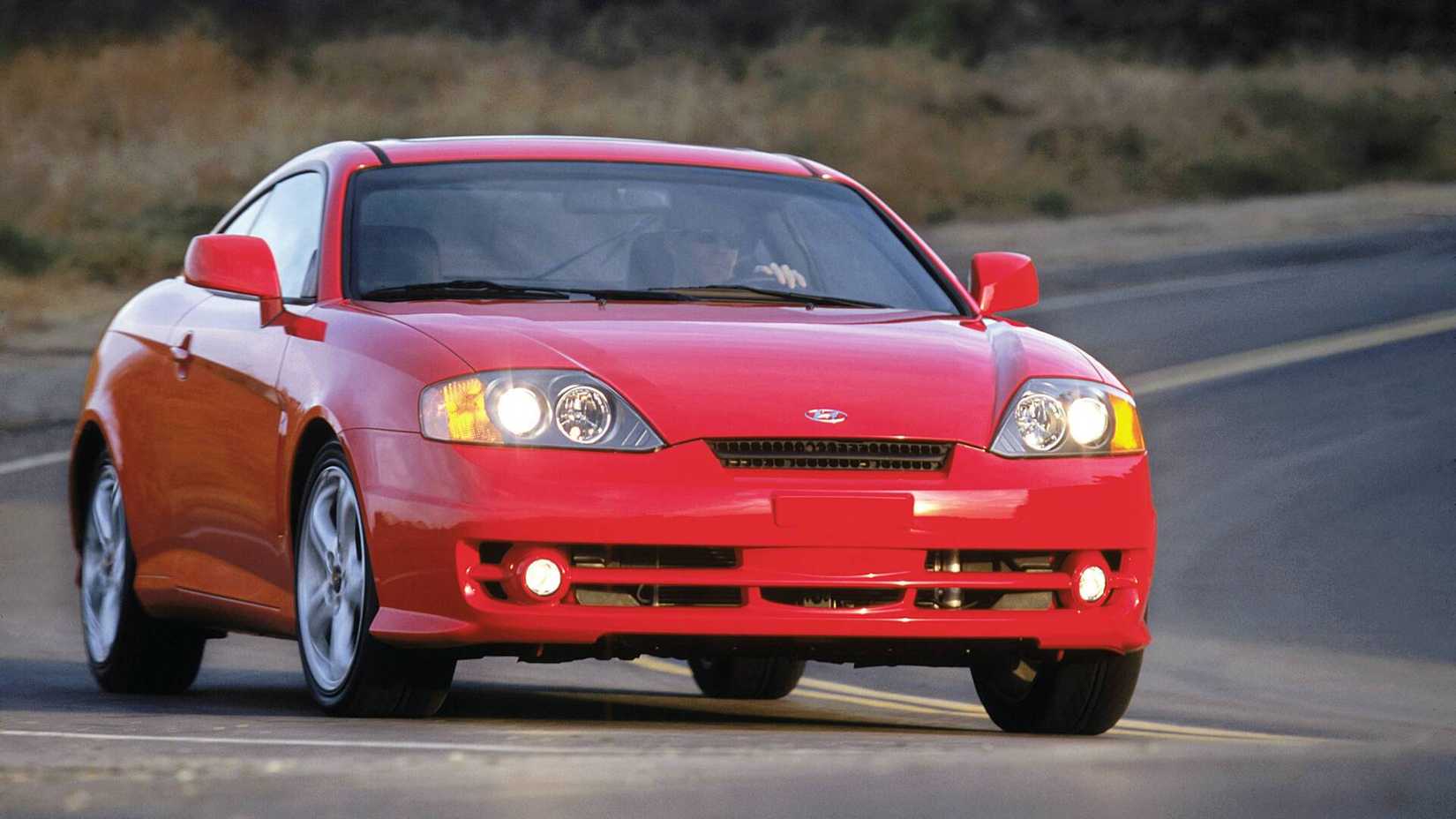
An action shot of the 2003 – 2004 Hyundai Tiburon on a mountain roadHyundai
The Hyundai Motor Company was founded in 1967 after having previously been an engineering and construction company, and 12 years after Hyundai’s first car, the Pony, it made its debut in the United States with the Excel. While this car and other early models that followed it were extremely affordable, they were also plagued by many reliability problems. This led to Hyundai being the butt of many automotive jokes in the late 80s and early 90s, as its cars were seen as being cheap, but not at all cheerful. Things did improve in the 1990s, however, as Hyundai invested heavily in research and development, and models like the Elantra helped to boost the automaker’s credibility by being better put together.
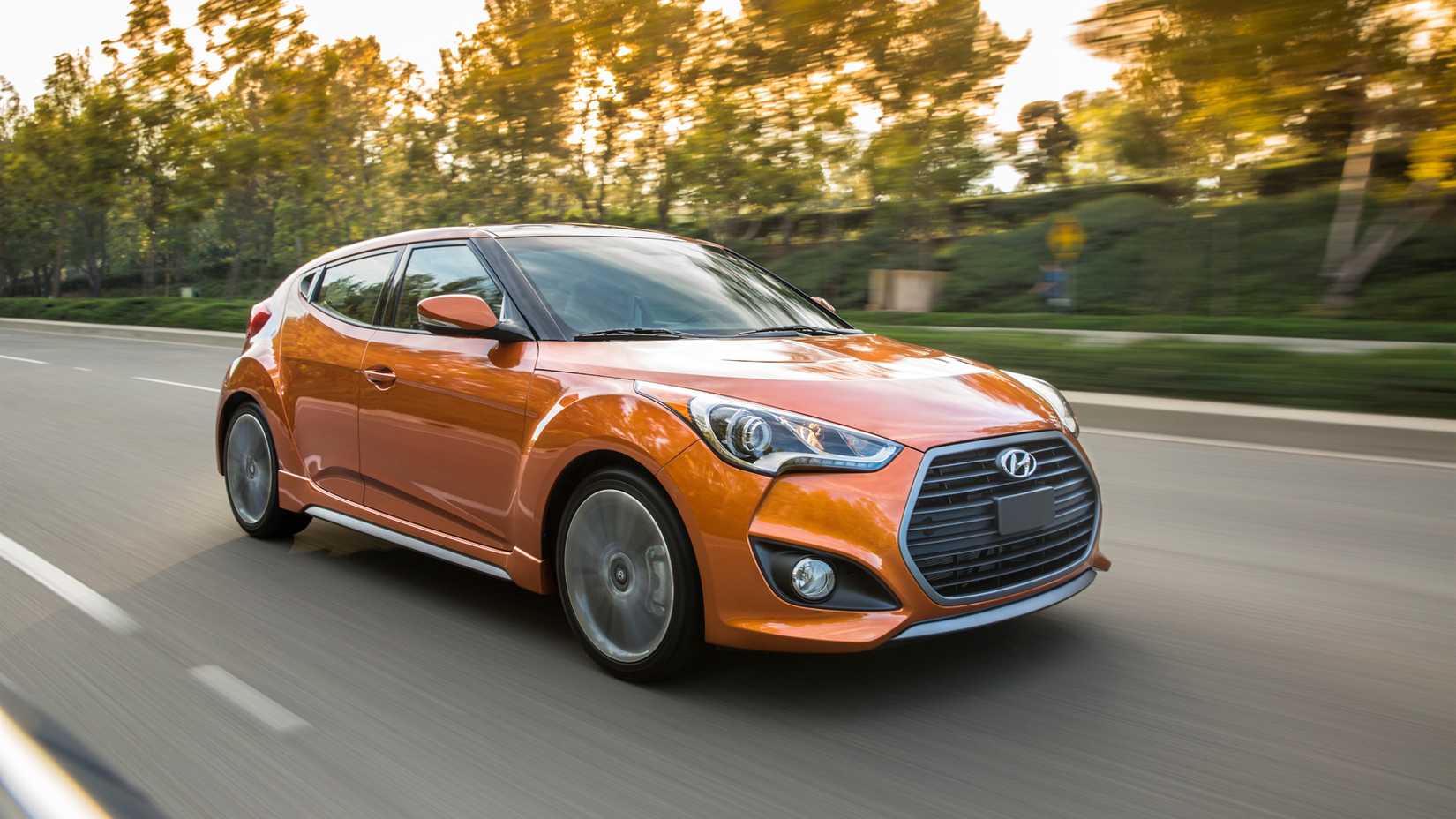
2017 Hyundai Veloster TurboHyundai
You may not be surprised to learn that Hyundai’s performance car-making journey did not start with the creation of the N division, but, rather, the company dipped its toes into making performance cars before, starting with the Tiburon sports coupe. It was a humble start, but Hyundai would produce another sports coupe called the Genesis, which was seen as a far more legitimate performance model. There were also mildly souped-up “Turbo” versions of the Sonata and the first-generation Veloster back in the early 2010s. Some private endurance racing teams were also, by this point, starting to use Hyundai models and using them to achieve success…
The Formation Of Hyundai’s N Division

Press image depicting Hyundai N historyHyundai
It was this last thing that inspired Hyundai to be involved in this world, and after a small team of engineers and developers was formed at a research and development center for performance cars in Namyang, South Korea in 2012, Hyundai Motorsport went racing in 2014. Victory came in that same year for factory driver Thierry Neuville at Rally Germany, and Hyundai would go on to win the manufacturer’s title in 2019. In 2016, Hyundai Motorsport entered the Nürburgring 24 Hours with the i30 N TCR and got its first podium in the TCR class in 2018. The Elantra N TCR was the most successful challenger, scooping up five consecutive TCR class victories by 2025.

Press image depicting Hyundai N historyHyundai
Success at the Nürburgring, and the use of its demanding Nordschleife to test future production parts, as well as the R&D site being based in Namyang is why N is the letter worn by Hyundai performance cars. After making a name for itself on the racetrack, it sought to do the same on the road and challenge the likes of Audi and BMW in the world of performance cars. One of the aces up its sleeve was poaching people from BMW’s M performance division, who were instrumental in its success. These were BMW M’s chief engineer, Albert Biermann, and Alex Eichler, the “executive expert” who had been responsible for BMW M’s intensive testing regime. At the 2015 Frankfurt Motor Show, the first road-going Hyundai N vehicle, the i30 N, was shown to the world.
Corner Rascals: The Early Hyundai N Models
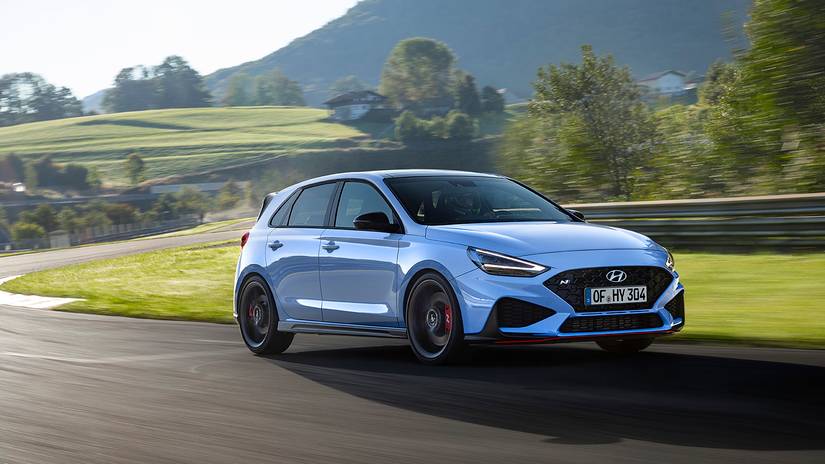
2025 Hyundai i30n front three-quarter view while drivingHyundai
While all of that testing and motorsport success would suggest that ultimate performance would be the sole aim of the Hyundai N models, when road testers first got their hands on the i30 N, it became clear that driver involvement was its USP (unique selling proposition). The car was not exactly slow, with a power output that could be as high as 276 horsepower from a turbocharged four-cylinder engine, but it wasn’t as fast as the equivalent hot Golf at the time. However, with a limited-slip differential, sports suspension, and the option of a manual transmission, this wasn’t much of a concern, and the lively driving experience reflected Biermann’s desire for the N cars to be “corner rascals.”
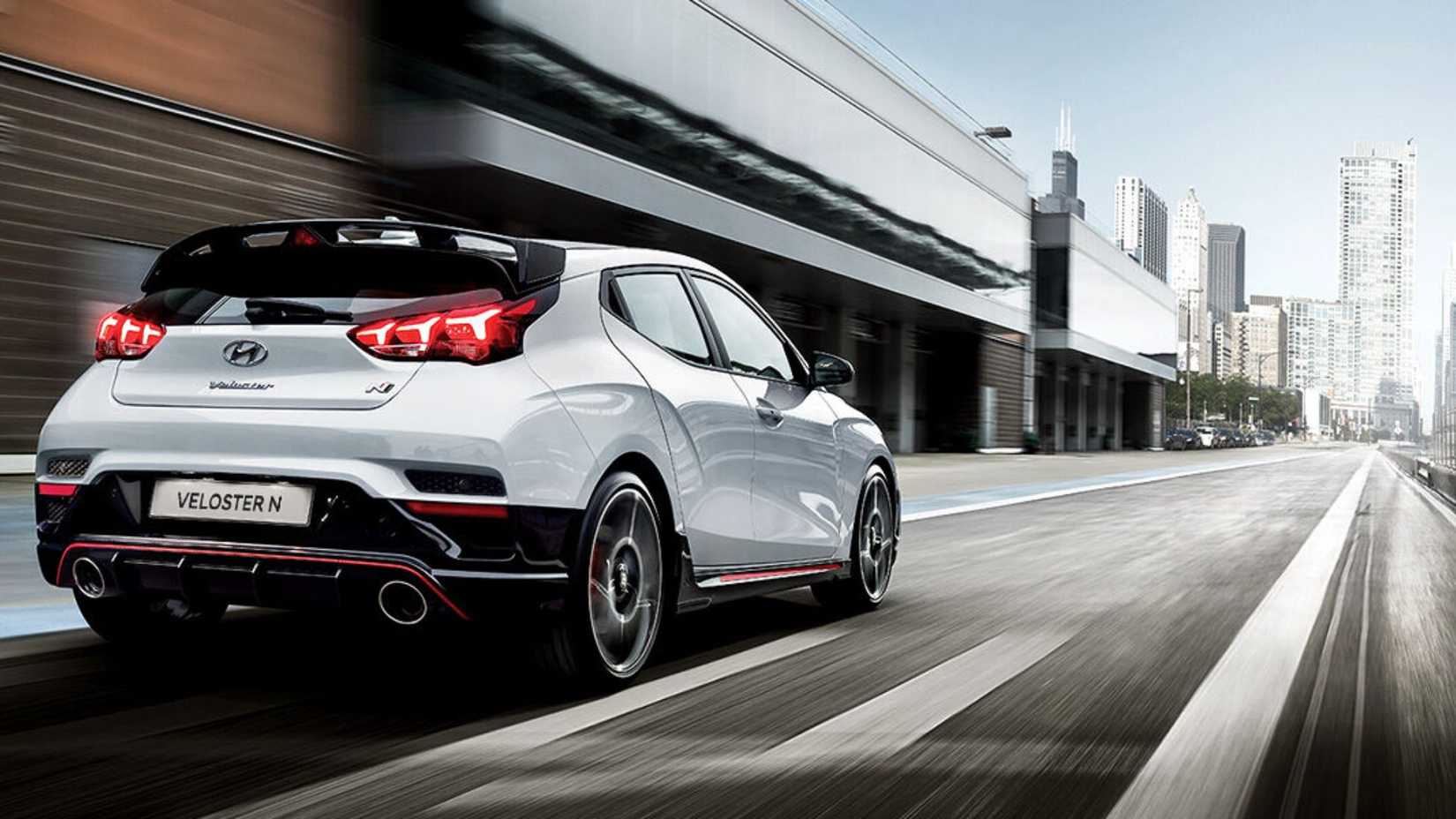
2019-2022 Hyundai Veloster N White Rear Angled View DrivingHyundai
Unfortunately, neither the i30 N nor the smaller, even more rascal-like i20 N was ever sold in the United States, but we weren’t totally deprived of Hyundai N hot hatches, thanks to the Veloster N. Technically, the Veloster was a coupe, but thanks to its quirky rear door on one side concept, it also worked as a hatchback. After the i30 N and several “rolling lab” concepts, the N version of the second-generation Veloster arrived in 2018 as the first N model sold in the States. It was full of driver-feedback-enhancing features like an N Power Sense axle, an N Grin Control System, LSD super-fast steering, and hard-riding suspension. The similarly fun-loving Kona N SUV arrived soon after, followed by the performance car bargain that is the Elantra N in 2021. Out of these, only the latter car is still available, making it the only new Hyundai N car you can currently buy with an internal combustion engine.
Hyundai N Pioneering A New Segment: Making EVs Fun
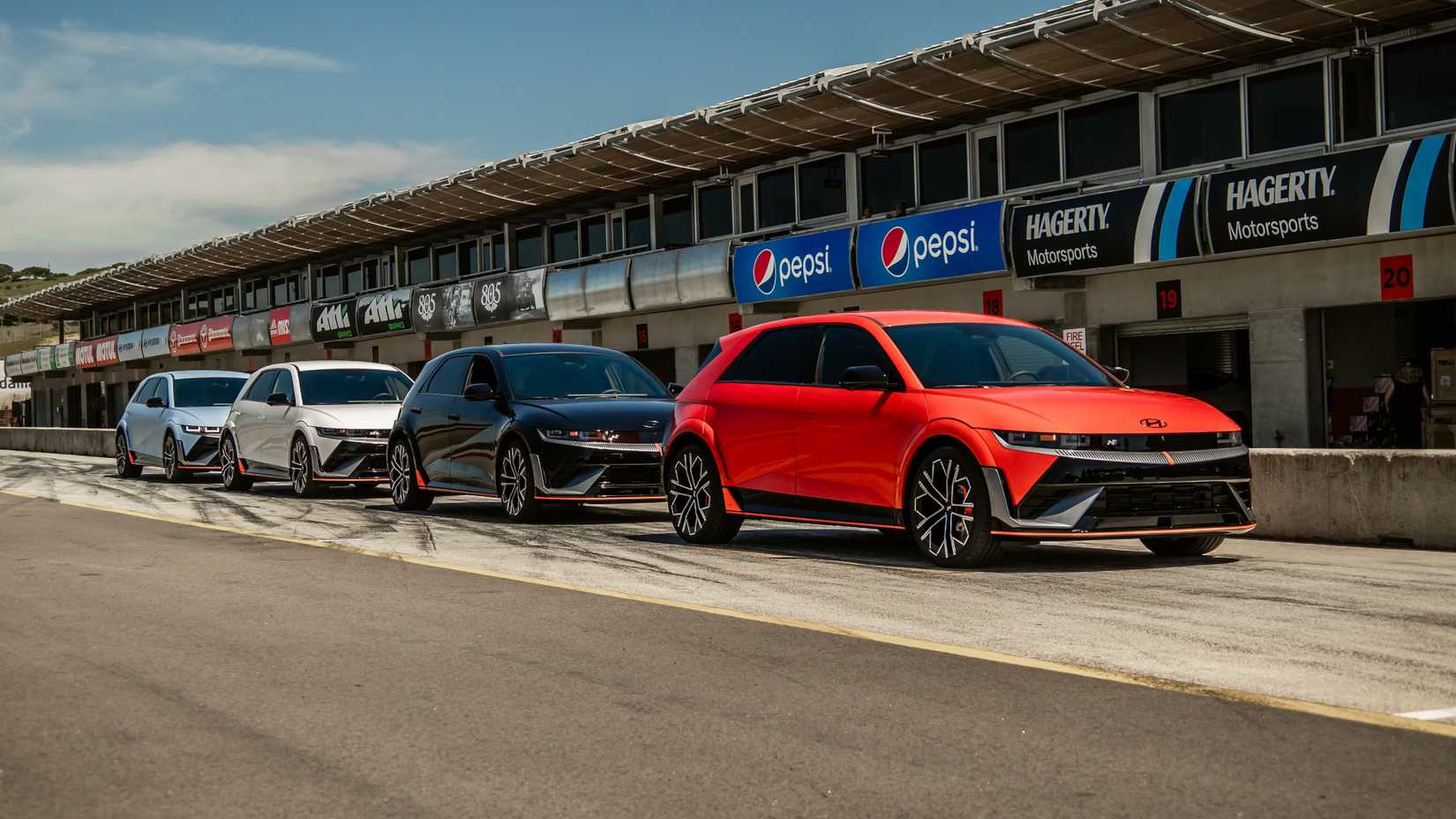
A lineup of 2025 Hyundai Ioniq 5 N EVs on track.Ian Wright/CarBuzz/Valnet
If you think that makes the Elantra N the only Hyundai performance car that is worth buying, though, think again. Hyundai embraced electric propulsion relatively early on, and so, by the start of this decade, it had a great EV platform to build a performance car from with the Ioniq 5. Rather than playing it safe with more hot hatches, Hyundai didn’t want to avoid trying to make a performance EV work; the automaker instead jumped into the challenge with both feet.

2025 Hyundai Ioniq 5 N driving front 3/4Hyundai
The Groundbreaking Ioniq 5 N And 6 N
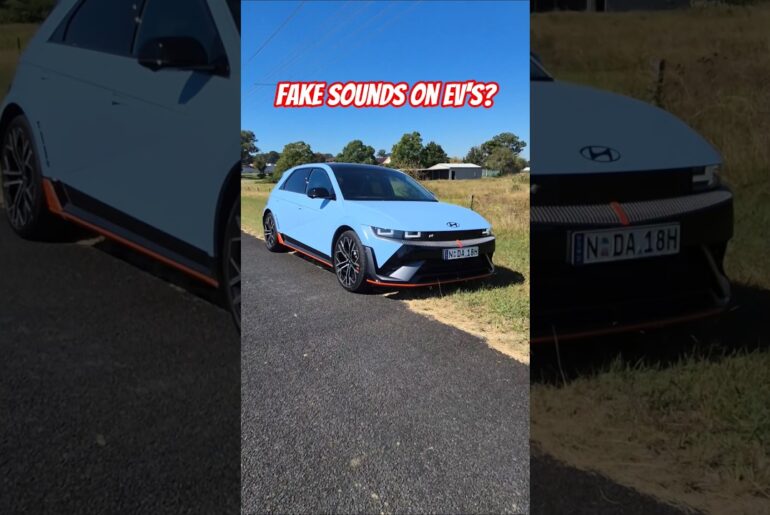
It would not be an exaggeration to say that the Ioniq 5 N completely changed how we think about what a performance EV can be when it was launched at Goodwood just two years ago. It had a substantial dollop of power added to it, bringing the total output to 641 hp, but what sets it apart is N active sound and e-shift, which, between them, allow the Ioniq 5N to mimic a real exhaust note and gearshifts. This helps anyone who misses the tactile experiences they had in an ICE-powered vehicle before to have them back. It was all so novel that not even its sister car, the Kia EV6 GT, got them at first, and though a Porsche Macan Turbo Electric might be more luxurious and handle better, we came away from driving the Ioniq 5N wishing that all hi-po (high-performance) EVs would be made in the same way. It is possible Porsche now agrees…
“If driving the Ioniq 5 N doesn’t get you excited about the electrified future, you are simply impossible to please.”
– Jared Rosenholtz. Editor-At-Large, CarBuzz
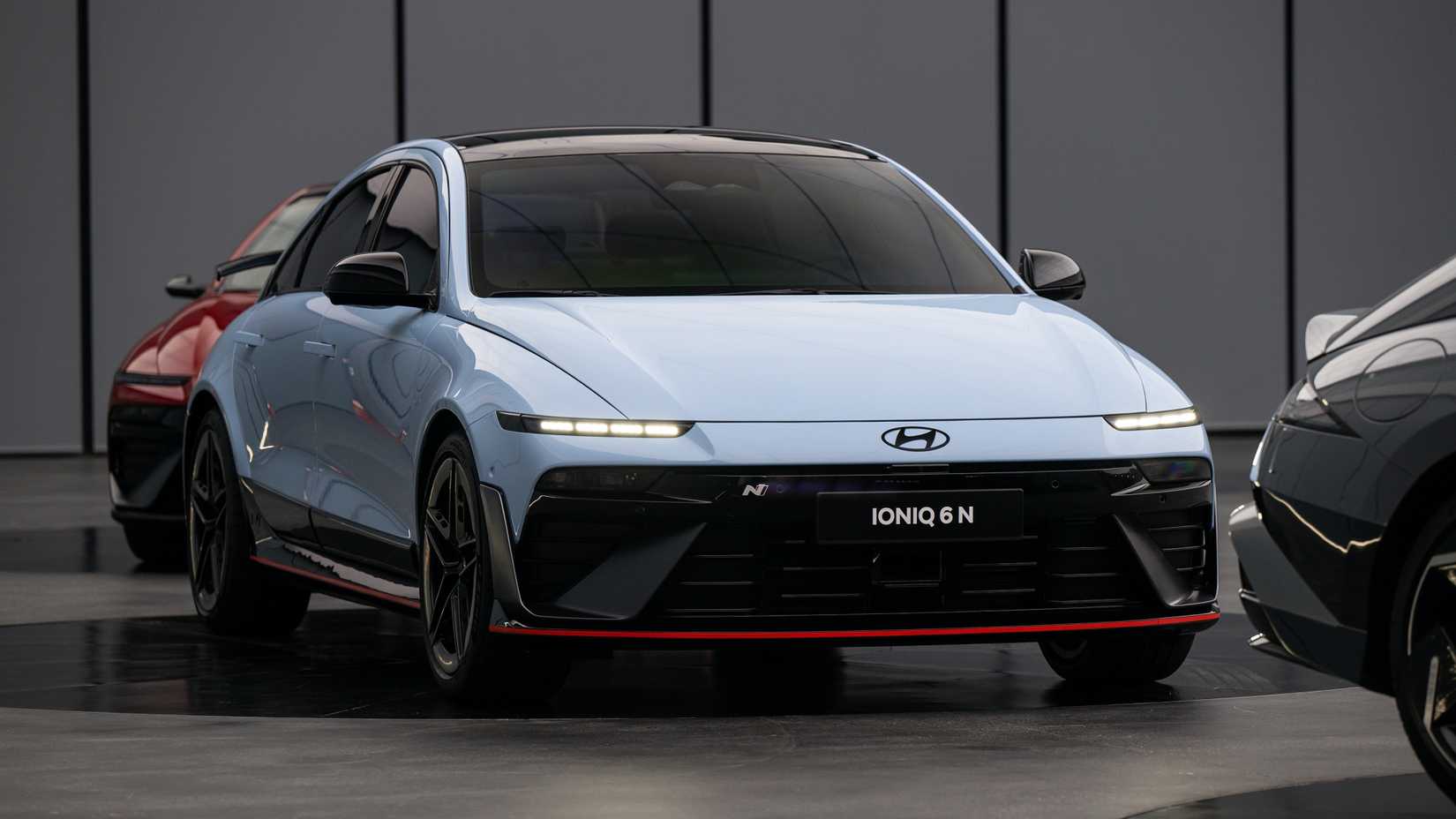
2026 Hyundai Ioniq 6 NHyundai
If you are not on board the Ioniq 5 hype train by now, you may yet get excited about the next performance EV that Hyundai is cooking up. The Ioniq 6 N will, in a lot of respects, be similar to the Ioniq 5 N, with the same dual-motor setup developing the same amount of power, but with the Ioniq 6 N being lower and lighter, it should be quicker. You can also expect the Ioniq 6 N to have all the same electronic features that enhanced the driving experience of the Ioniq 5 N, only they have been improved so that they won’t impact performance as much and will feel more natural. With both a completely redesigned suspension and chassis and electronically controlled dampers, the 6 N should have the speed to threaten gas-powered rivals like the BMW M2 while making EV rivals like the Tesla Model 3 Performance look far too one-dimensional.
Here’s How Hyundai N Is Beating The Top Dogs
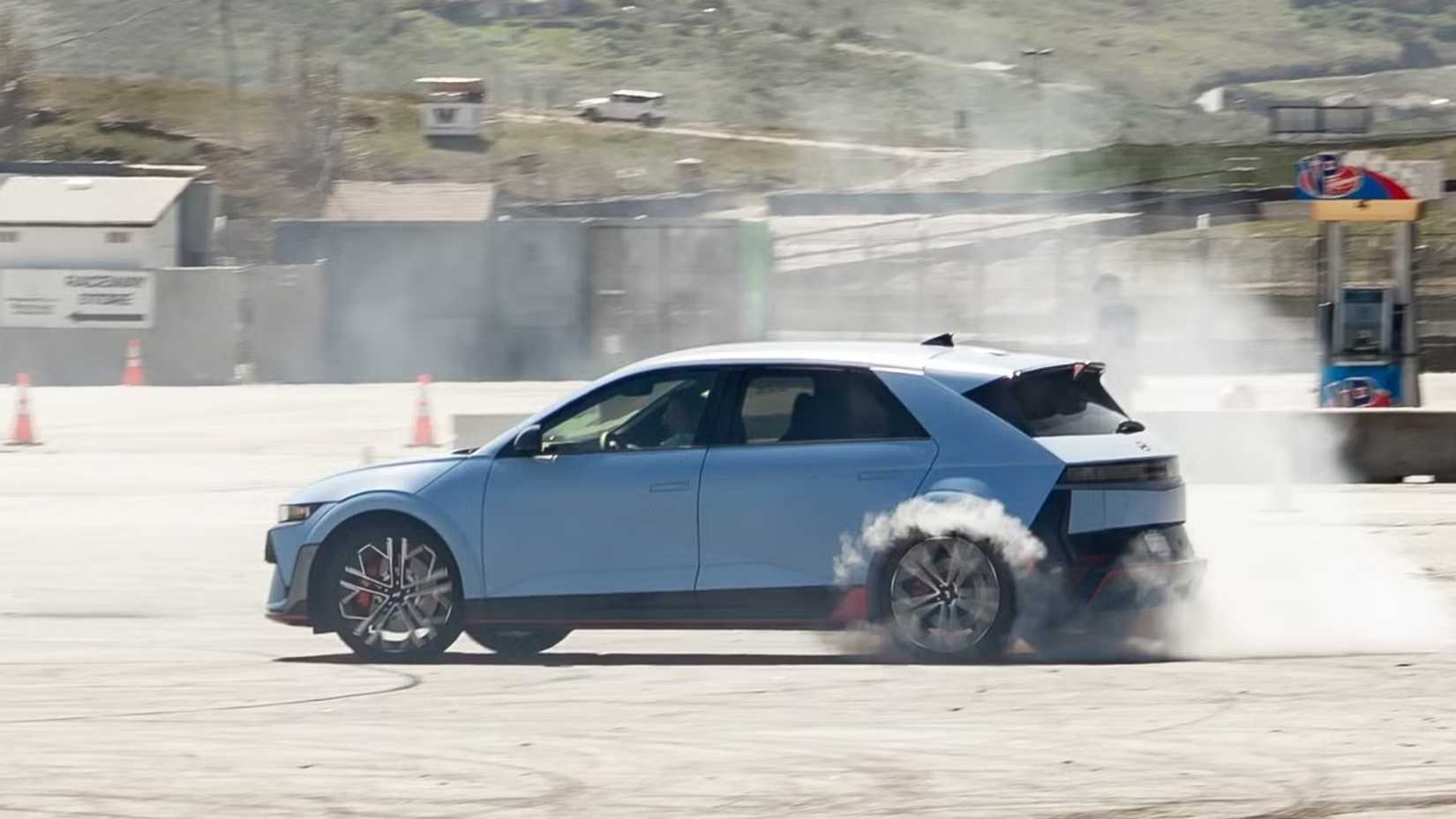
Hyundai Ioniq 5 N Drift ModeIan Wright/CarBuzz/Valnet
Hyundai’s pioneering of incredible technologies like simulated gear shifts have even the big dogs on their toes. When the Ioniq 5 N launched with N e-Shift technology, many of the established brands took notice. In 2023, a BMW spokesperson said of the simulated gear shifts:
“…I think what [Hyundai] did with gear emulation and sound – which is actually what we’re working on already – is the way to go.”
BMW M has been looking to Hyundai in some ways, and even the upcoming electric M3 being tipped to use tech from the 5 N. Since then, it’s not the only brand that made use of similar tech. Honda has taken a similar approach to expanding on the simulated shifts and noises Hyundai baked into the 5 N.
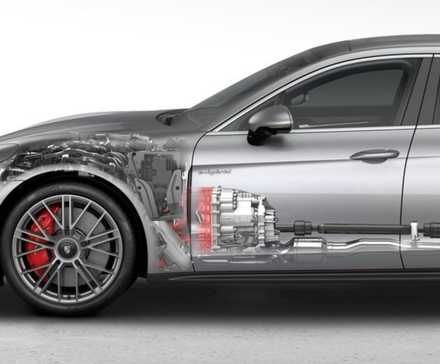
Porsche, a giant in the performance car industry, has also tipped its hat to the Korean automaker, stating that its 718 successor may be using tech pioneered by Hyundai.
Related
Porsche Shifts Gears On Making EVs That Simulate Gear Shifts
Porsche has reversed course on its stance against programming fake gear shifts into its EV models, and it could also be making them noisier.
The Future Of Hyundai N: Is It Going All-electric?
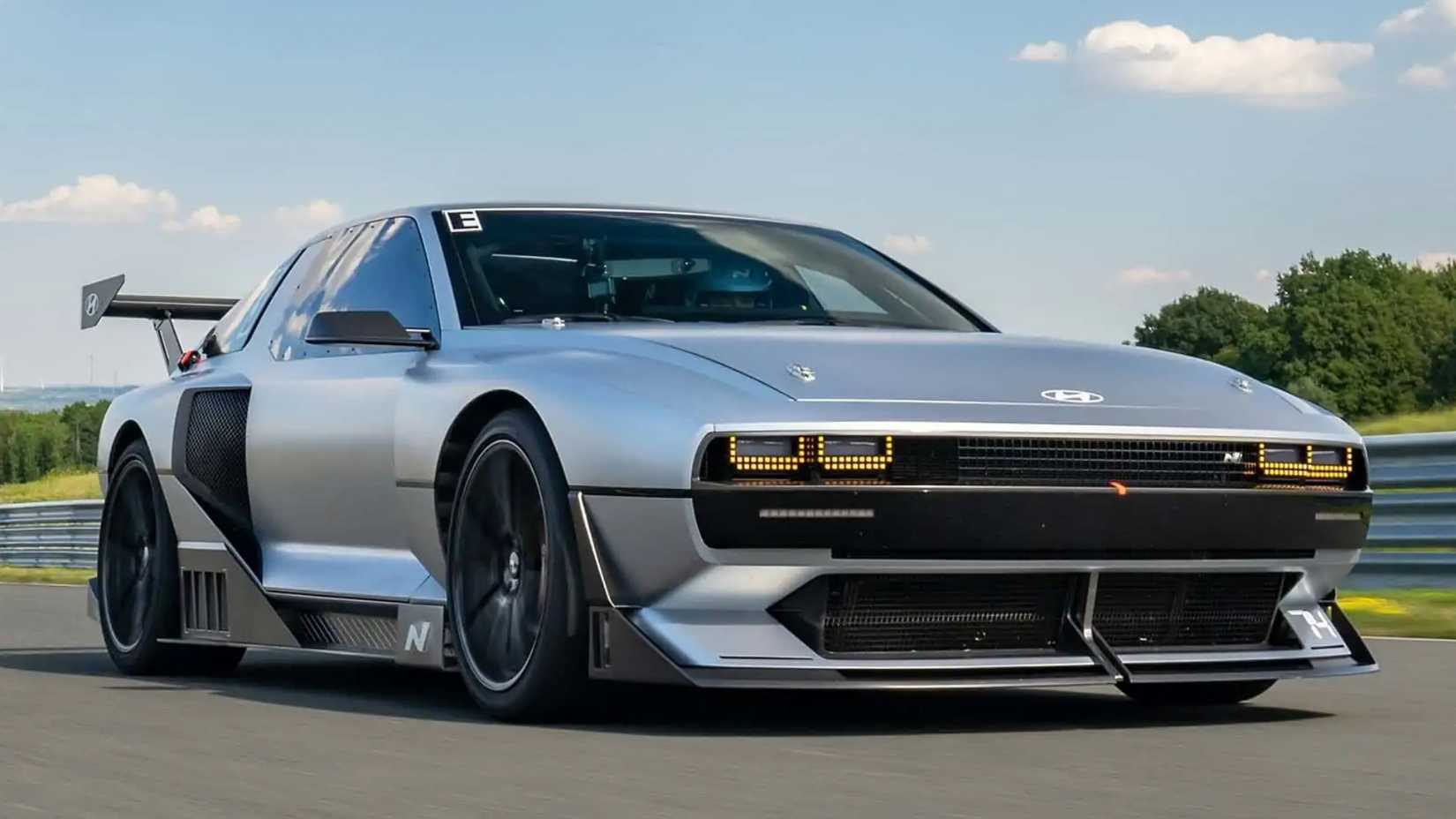
The Hyundai N Vision Concept on a track on a sunny day.Hyundai
Corner rascal, racetrack capability, and everyday sports car. These are the three pillars that have guided the philosophy behind every Hyundai N vehicle so far, and it is hard to disagree that the electric Hyundai performance models have largely stuck to it. Despite this, there will still be those wondering if Hyundai has all but abandoned those rowdy four-cylinder gasoline cars like the Veloster N that used to define the brand. Based on what the current boss of Hyundai’s sports cars, Joon Park, has said, this is not the case, and Hyundai will not be an EV-only brand; the company just needs to sell more EVs and hybrids first…
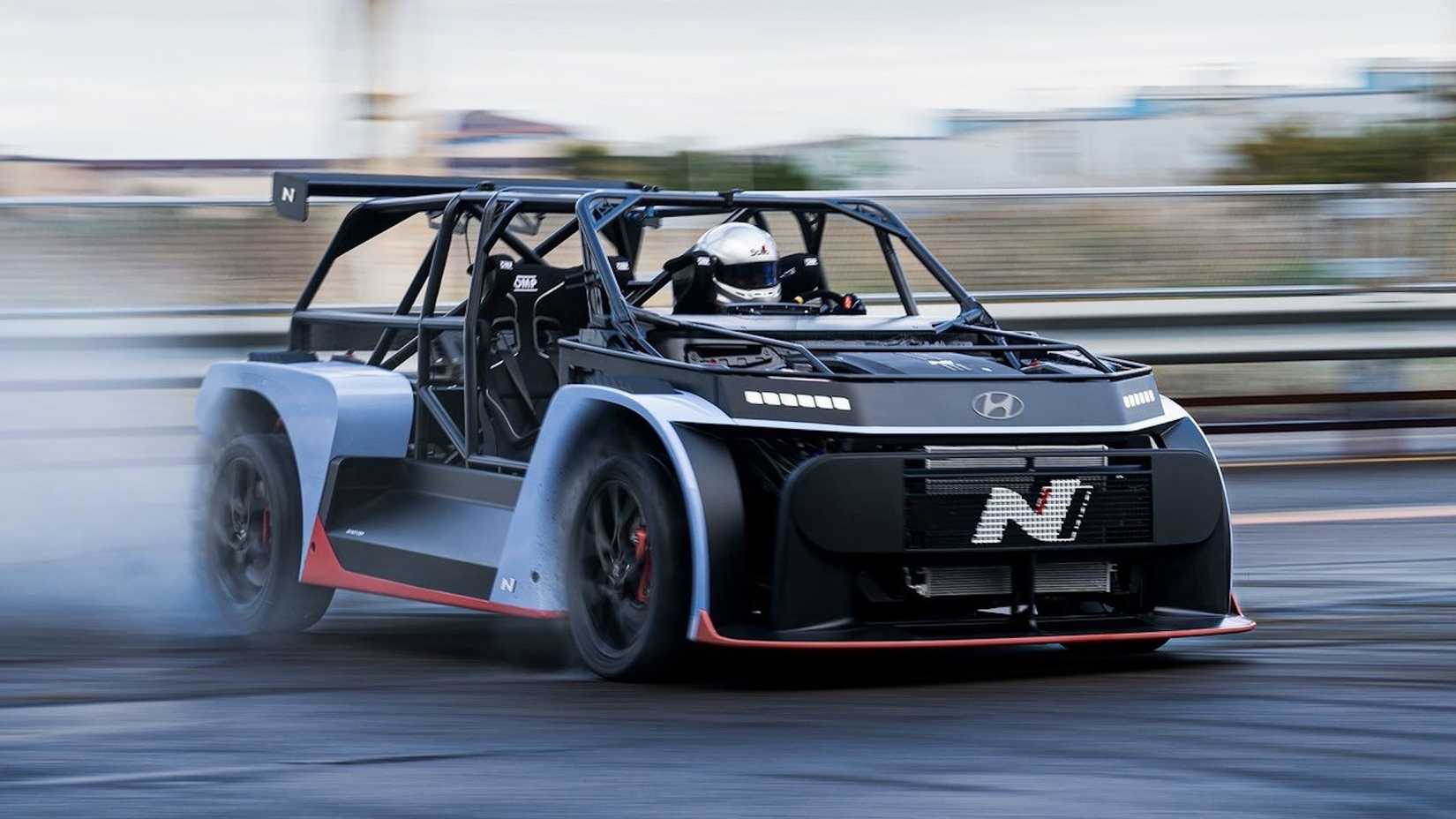
The Hyundai RN24 is a mad, buggy-like EV.Hyundai
There aren’t currently any Hyundai N hybrids in production, but if it allows Hyundai to carry on producing pure gas cars for a bit longer, Park is willing to embrace the technology. Based on the N Vision 74 concept, a hydrogen fuel cell sports car could even be on the cards. The RN24 Prototype also previews a possible E-Handbrake, which would mean that, as well as drifts and downshift blips, Hyundai’s performance EVs could also one day carry out proper handbrake turns. All of this suggests that the future of Hyundai’s N division is likely to be filled with innovation, rather than more of the same, and with all the fun and games a traditional sports car provides, both in its EVs and in any new internal combustion-engined cars it produces.
Sources: Hyundai