Key TakeawaysThe jump in fuel oil prices should spur global demand for China’s EVs, batteries and energy storage products, and solar panels.That said, excess capacity remains a challenge with intense competition in China, leading to lower average selling prices.Three Chinese solar panel stocks covered by Morningstar are currently undervalued, including CSI Solar and Jinko Solar.
Rising fossil fuel prices have put the spotlight on the benefits of renewable energy resources and electric vehicles, leading to increased interest in China’s EVs and solar panels. China is the world’s leading producer of solar panels, and Chinese EVs have been making inroads in Europe and Southeast Asia. Stocks in these two industry groups have gone up since the Iran war began, but we believe investors should mind domestic pressures.
Chinese EV and Battery Stocks Run Up
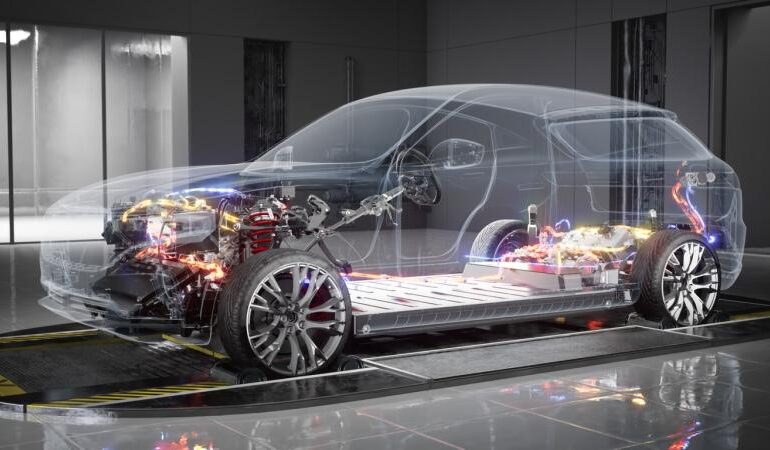
The most apparent beneficiaries so far are EV companies. EV exports from China were up 120% year on year in the first quarter, versus a 24% decline in domestic sales by units. The additional benefit to the companies’ earnings is that the profit margin on exports is higher, which helps mitigate domestic margin pressure. EV sales in China are suffering from lower average selling prices due to intense competition, given excess manufacturing capacity.
With news of stronger export growth, share prices of leading Chinese EV companies are up 10%-30% since the start of the Iran war through March 31, well outperforming the Morningstar China Target Market Exposure Index’s drop of around 8%.
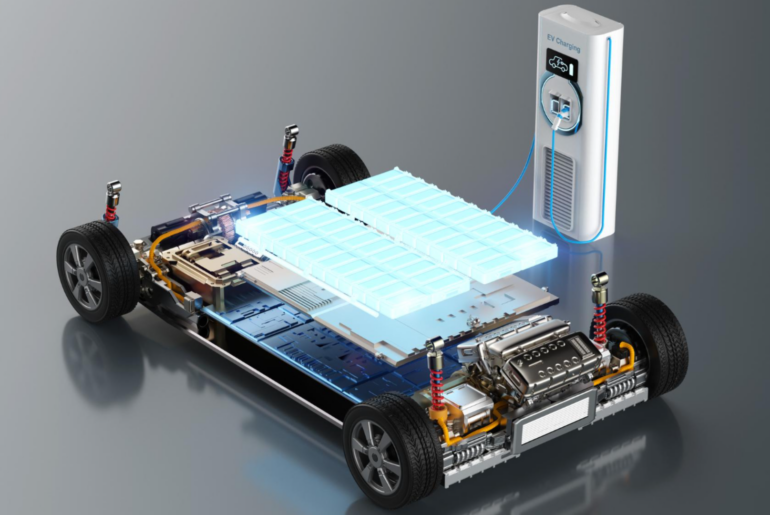
Battery makers are also potential beneficiaries amid the energy crisis. All three Chinese battery makers covered by Morningstar Equity Research have reported increases in energy storage system orders and revenue, driven by demand from AI data center construction. With the ongoing war, the momentum for ESS growth will likely persist for longer, thanks to grid projects and home storage.
3 Undervalued Chinese Solar Stocks
In contrast, stocks for Chinese solar module producers have fallen, with earnings suffering from excess capacity and low selling prices. Morningstar Equity Research analyst Cheng Wang believes the leading Chinese solar module producers—Jinko Solar, JA Solar, Trina Solar, and CSI Solar—are undervalued, but he does not think the war will help their stocks recover. “While the oil shortage and high prices may spur solar demand in some markets, we still expect global demand to decline in 2026,” he says.
Cheng notes that global solar installations are concentrated, with China, the European Union, and the United States collectively accounting for more than 70% of annual additions. China is expected to experience a double-digit percentage decline in demand in 2026, due to the renewable power trading policy introduced last year. While the Russia‑Ukraine war triggered a boom in EU solar installations in 2022 amid soaring gas prices, this time, the impact is much more moderate. Cheng observes that sales of Chinese-made solar panels to the US remain mired in trade tariff uncertainties.
On the supply side, according to the China Photovoltaic Industry Association, in 2025, the country’s polysilicon capacity increased by 9%, solar wafer capacity increased 11%, and solar cell capacity increased 7% year on year, while module capacity declined 5%. Currently, capacity remains more than double our estimated global demand for 2026 across the supply chain.