To the surprise of no one who’s been paying attention to the automotive world over the past couple years, electric cars aren’t proving to be as popular (or profitable) as manufacturers once hoped. Almost every automaker, from Honda to Lamborghini, is rethinking its EV strategy and canceling previously planned models, and companies are reevaluating their promises to go all-electric within the next decade or so.
Nissan is no different, as we learned during an interview with one of the company’s executives who frankly acknowledged that a combustion-free product lineup just wouldn’t be effective – heck, the automaker has already axed one of its two EVs, leaving only the spunky Leaf hatchback to hold the fort.
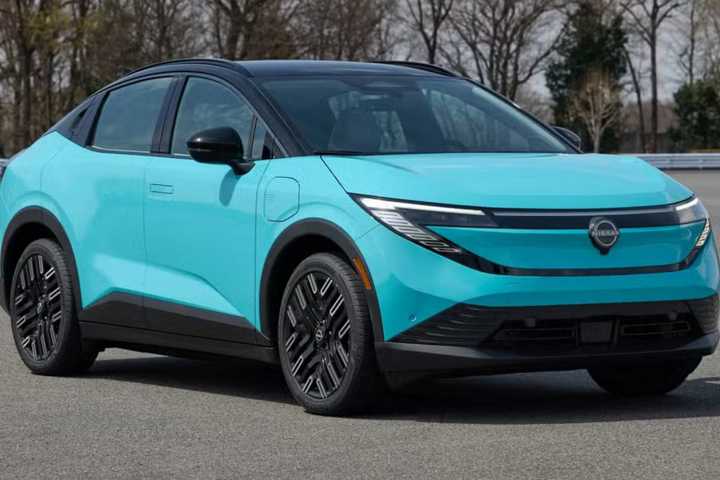

Base Trim Engine
Electric
Base Trim Transmission
Single-speed Automatic
Base Trim Drivetrain
Front-Wheel Drive
Base Trim Horsepower
174 hp
Base Trim Torque
254 lb-ft
Base Trim Battery Type
lithium-ion
Infotainment & Features
9 /10
A Varied Global Environment
We sat down with Christian Meunier, chairman of Nissan Americas, shortly after the debut of the next-generation Rogue crossover to discuss the company’s future product plans for both the US and all over the world. Meunier acknowledged that although globalization is making it easier in some ways for the automaker to build and sell cars, the markets themselves are still very individualistic.
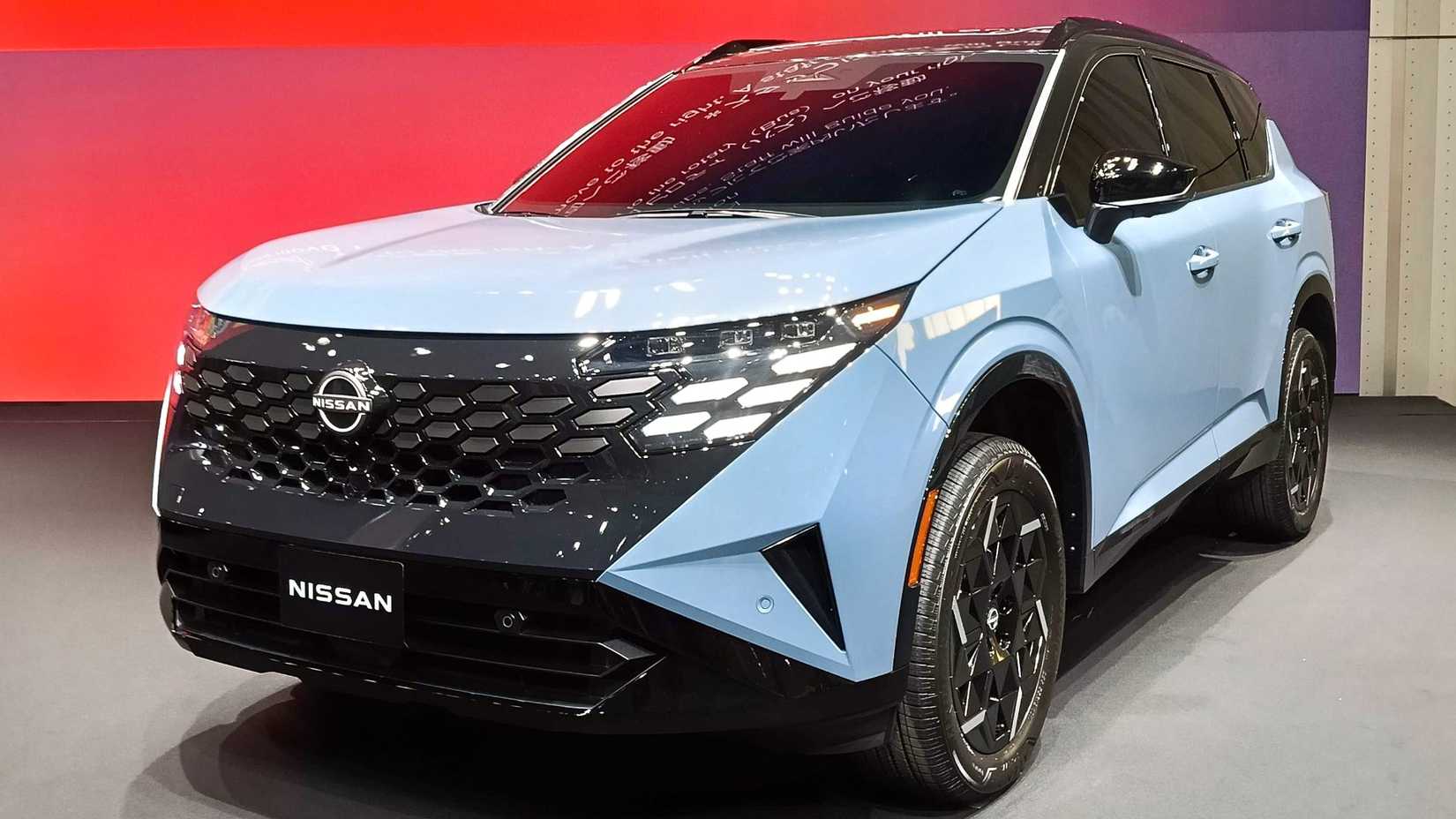
2027 nissan rogue hybrid e-power live imageGerhard Horn / CarBuzz / Valnet
“The world is getting more and more complex, and even within the US, you have many different markets,” the chairman said. “So it’s not going to get easier. I think success is going to be for those who are fast and have different solutions for different markets.”
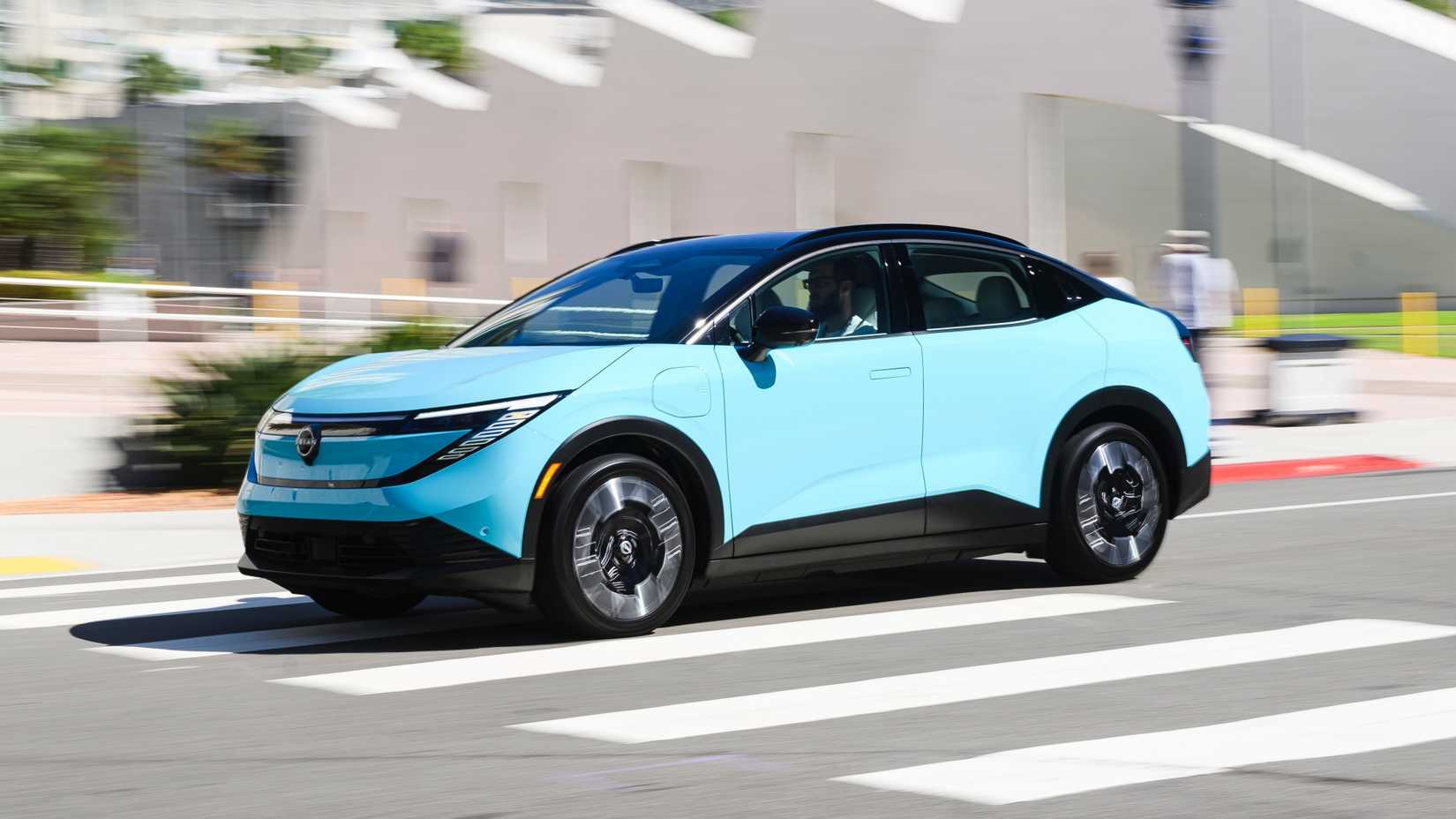
2026 Nissan Leaf ExteriorNissan/James Lipman
Meunier also said that rapidly changing market conditions, such as the massive slowdown in EV sales in the US following the Trump administration canceling federal tax incentives on electric cars, mean that Nissan will have to have a robust variety of powertrains and platforms. Without copping to any specific product, he mentioned internal combustion, hybrid, plug-in hybrid, fully electric, and extended-range EV technologies in the interview, suggesting Nissan will implement more types of powertrains into its future.

Related
The Nissan Xterra Is Back, And It’s Bringing More Body-On-Frame SUVs With It
At an event revealing the new Rogue E-Power crossover, Nissan announced the return of the Xterra, which will be built in America in late 2028.
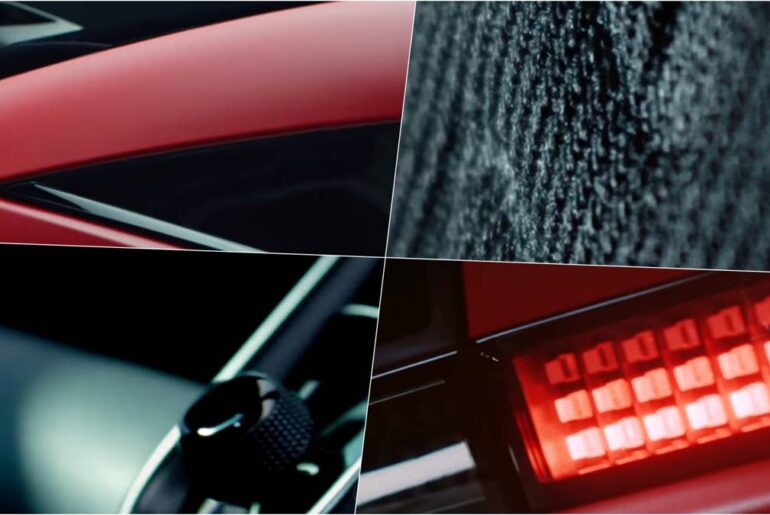
Those powertrains will come in a variety of different packages, with the automaker confirming the return of the premium Skyline to its Japanese lineup, as well as a US-assembled Xterra SUV that’ll have a body-on-frame platform to go 4Runner-hunting. Infiniti could get access to those products as well via a next-generation Q50 sports sedan and a rugged rival to the Lexus GX.
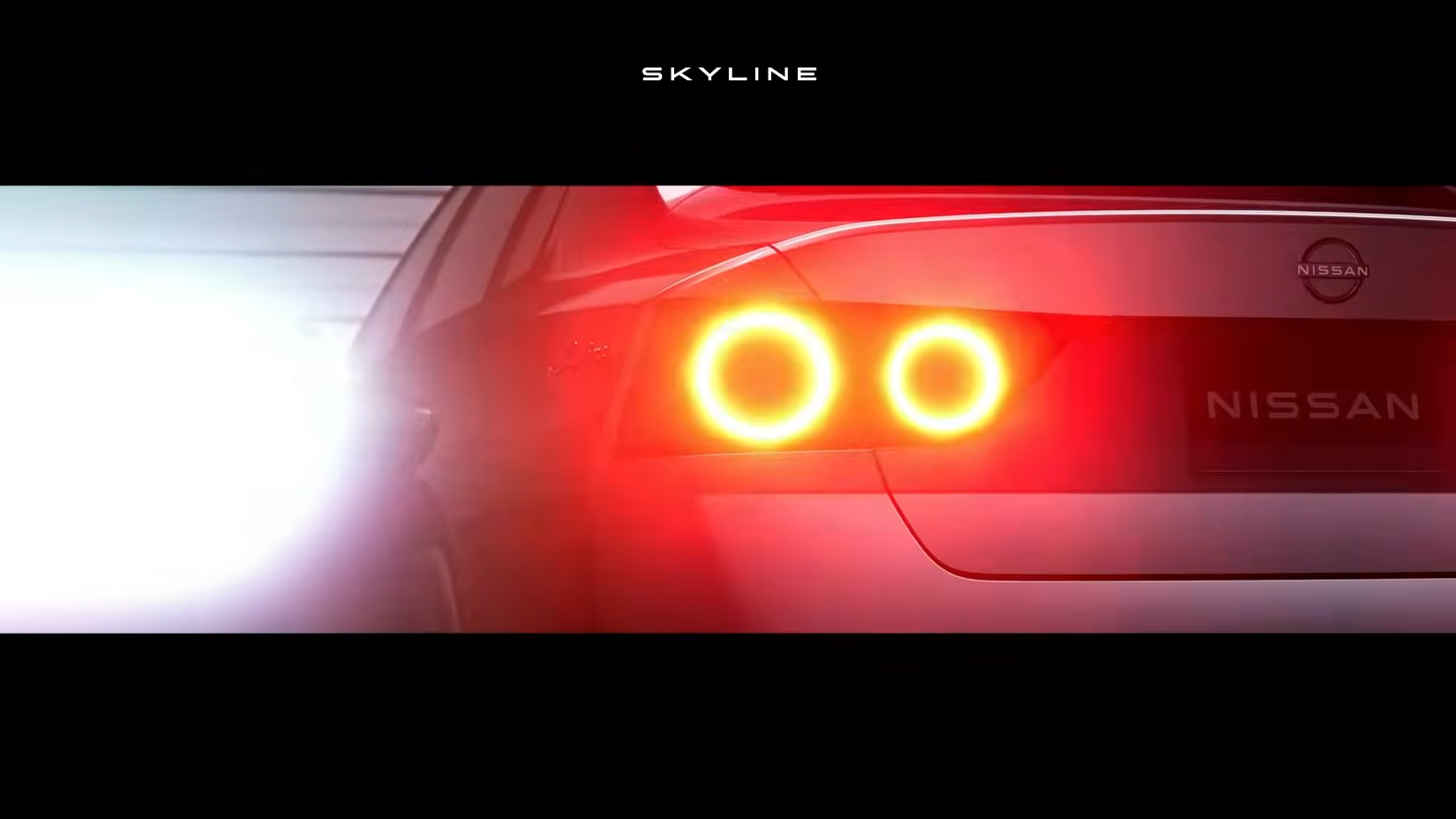
Skyline Teaser Rear lights illuminatedNissan
Exclusive Electric Power Isn’t Ready For Prime Time
It’s also clear that neither Nissan nor its luxury Infiniti brand will go fully electric for the foreseeable future, a fact that Meunier was very upfront about. Due to the variances even within particular US metropolitan areas, EVs still don’t make sense for many Americans, such as those who need to tow for business or pleasure, renters without access to at-home charging, and people who live or work in remote areas.
You need to be compliant and do it the right way, but also make money, because ultimately, we’ve seen that the 100 percent EV thing is not yet a big solution. It doesn’t work.
Christian Meunier, Chairman of Nissan Americas
Meunier said that in the last year or two, there has been a cumulative write-off of $65 billion in the EV programs of five or six different automakers, a massive sum that shows that EV adoption isn’t going nearly as quickly as they once imagined. Nissan’s homegrown rival, Honda, knows that feeling well. Its EV program cost the company nearly $4.5 billion in 2025, requiring a wholesale restructuring of the automaker’s internal operations.
Nissan has felt the pinch, too. In addition to the discontinued Ariya, which was only sold in the US for three model years, the company is rolling back some of its aspirations for the Leaf – the cheapest trim level and its attendant smaller battery have been delayed for the US market, if not canceled entirely.
Related
Nissan’s Ambitious Vehicle Onslaught Proves It Won’t Go Down Without A Fight
This is your first look at the new Nissan Leaf, plus plans for a potential Xterra revival and so much more from the Japanese brand.