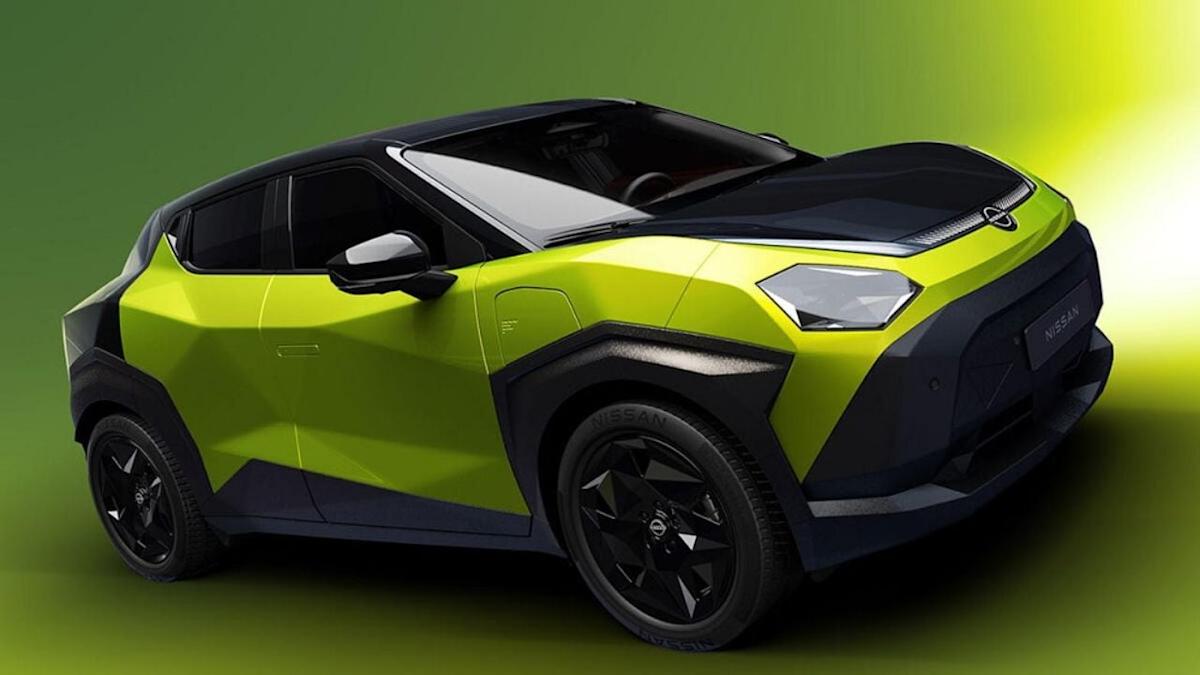
Nissan has taken one of its most recognizable European nameplates and moved it into a completely new era. The new third-generation Juke has been revealed as a fully electric crossover, with Nissan saying it is built on the CMF EV platform and inspired by the Hyper Punk concept.
That alone makes this launch a big one for the brand in Europe, where the Juke has remained Nissan’s second best seller behind the Qashqai and has topped 1.5 million sales since the original arrived in 2010.
Just as important, Nissan is not trying to make the new Juke look safe or anonymous. The company is clearly betting that the model’s long-standing appeal still comes from its willingness to look different.
That makes this reveal about more than a new powertrain. It is really about whether Nissan can carry one of its boldest design identities into the electric age without losing the character that made the Juke matter in the first place.
A Bolder Electric Identity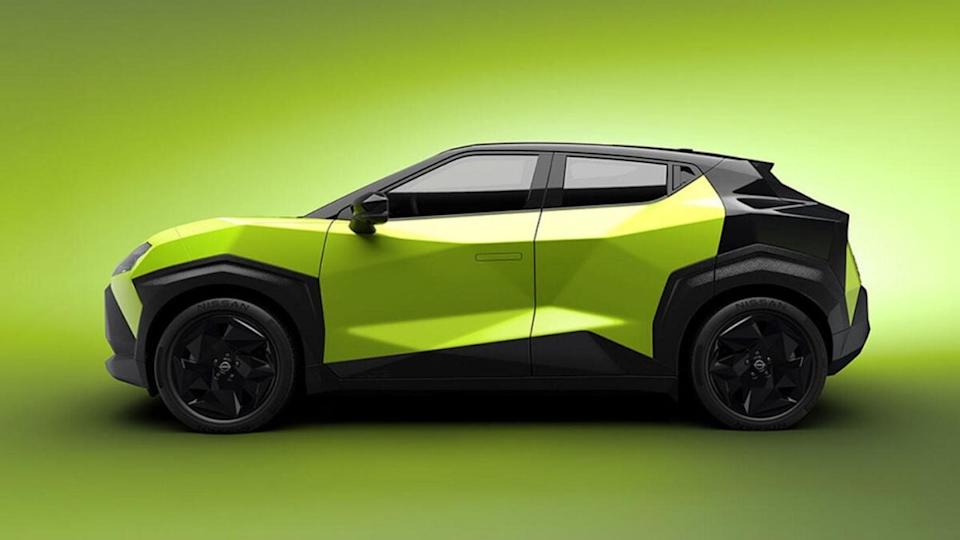
Photo Courtesy: Autorepublika.
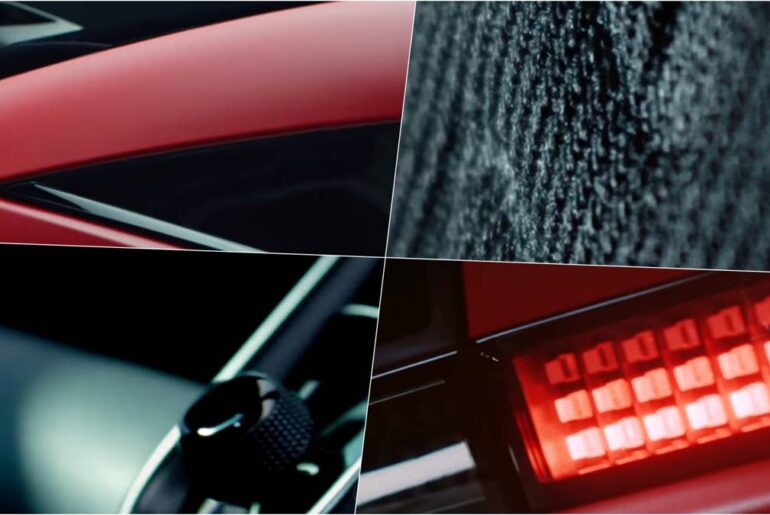
The new Juke stays loyal to the idea that has defined the badge from the beginning. Nissan says the third-generation model was shaped by the Hyper Punk concept, and the production car keeps the sharp surfacing, dramatic body forms, and distinctive new light signatures that make the connection easy to see.
That point matters because the Hyper Punk concept first appeared in October 2023, not 2024, and the new Juke looks like a direct effort to turn that show car attitude into something people can actually buy. Autocar described the design as a reimagining of the Juke’s sculpted and unconventional look, while Nissan’s own European material ties it to the concept directly.
In a compact EV market that is quickly filling up with more cautious shapes, Nissan seems comfortable doing the opposite. That could be exactly what keeps the Juke visible against rivals such as the Ford Puma Gen E and Kia EV3, both of which are already being discussed as natural competitors.
New Platform, Familiar Questions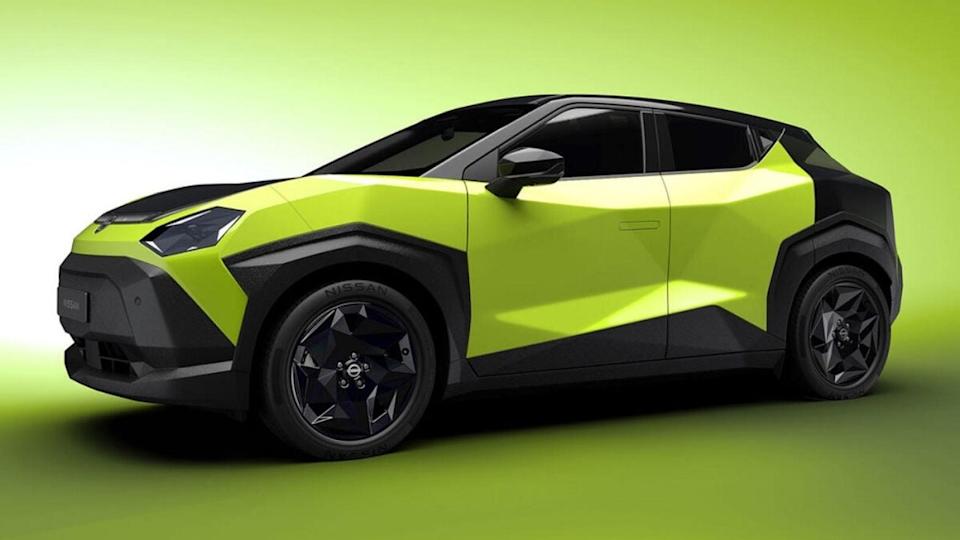
Photo Courtesy: Autorepublika.
This is the first Juke to go fully electric, and Nissan says it rides on the same CMF EV architecture as the new Leaf. The company also confirmed that both models will be built in Sunderland, England, which keeps one of Nissan’s most important European products rooted in the same factory network.
What Nissan has not done yet is publish full technical specifications. Reports from Autocar and Electrive say the new Juke is expected to share much of its hardware with the latest Leaf, which offers 52 kWh and 75 kWh battery options, front-wheel drive, up to 215 horsepower, and as much as 386 miles of range in European testing.
That does not mean the Juke will simply be a Leaf with different bodywork. Autocar reported that Nissan engineers have been working on a more bespoke chassis setup to give the Juke a more playful and dynamic feel, which makes sense now that the Leaf itself has moved toward a crossover shape.
Why Nissan Is Taking A Dual-Track Approach
The more surprising part of the story is that the current Juke is not going away immediately. Nissan has confirmed that the new electric Juke will be sold alongside an updated version of the existing hybrid model rather than replacing it outright.
That decision says a lot about the market. Autocar reported that Nissan had originally planned a cleaner handoff from the current generation to the new one, but slower EV demand growth changed the economics and pushed the company toward a two-model strategy.
From a business standpoint, that looks sensible. It gives Nissan a way to protect Juke volume in Europe while still moving the nameplate into the fully electric future, and it gives buyers a wider choice at a time when EV demand is growing unevenly across different markets.
Europe Remains Central
Photo Courtesy: Autorepublika.
Nissan is also using the new Juke to underline how important Europe remains to the company’s long-term plan. The automaker says the vehicle was designed, engineered, and developed across the United Kingdom, Spain, and Germany, which makes this much more than a global model merely assigned to Europe for production.
Production trials in Sunderland are set to begin in the coming weeks, with full production scheduled for early 2027 and market launch expected in spring 2027. That timeline places the Juke right in the middle of Nissan’s broader European EV push, which also includes the new Leaf and the return of the Micra as an EV.
The new Juke, then, is not just a replacement for a successful small crossover. It is Nissan’s attempt to prove that a model known for being odd, bold, and intentionally divisive can still stand out when the segment around it is becoming crowded with electric alternatives that are often more careful than memorable.
This article originally appeared on Autorepublika.com and has been republished with permission by Guessing Headlights. AI-assisted translation was used, followed by human editing and review.
Read More
13 Muscle Cars So Overlooked Most People Forgot Them
15 Car Features That Should Have Never Been Phased Out