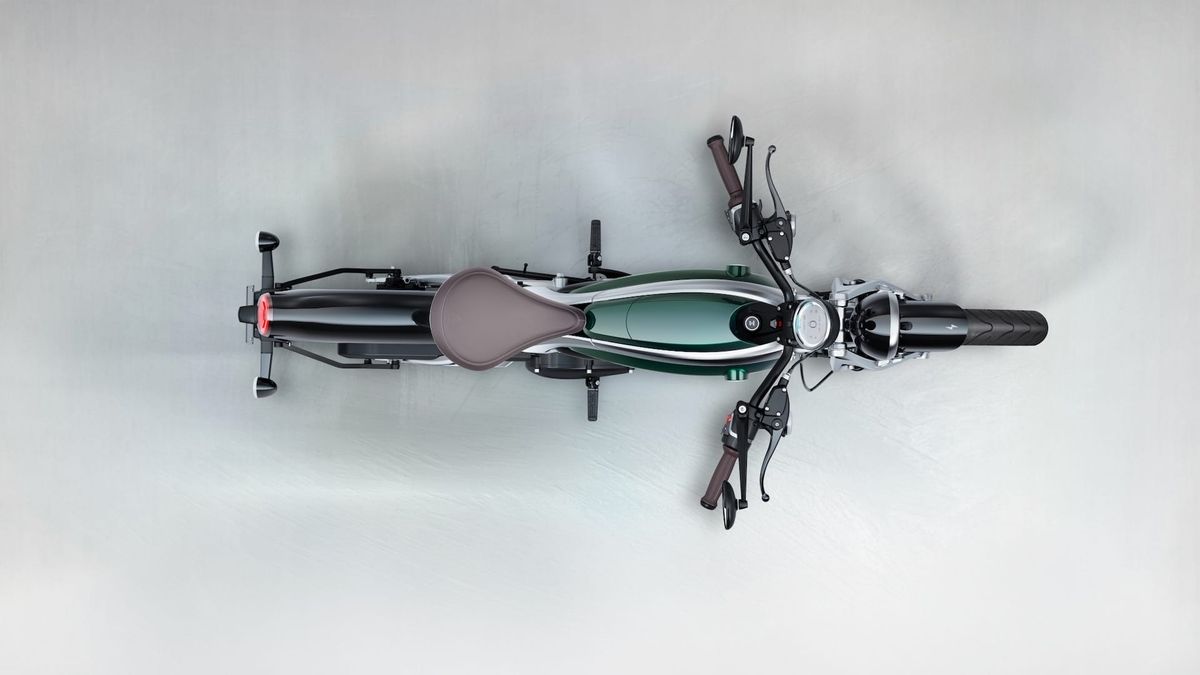
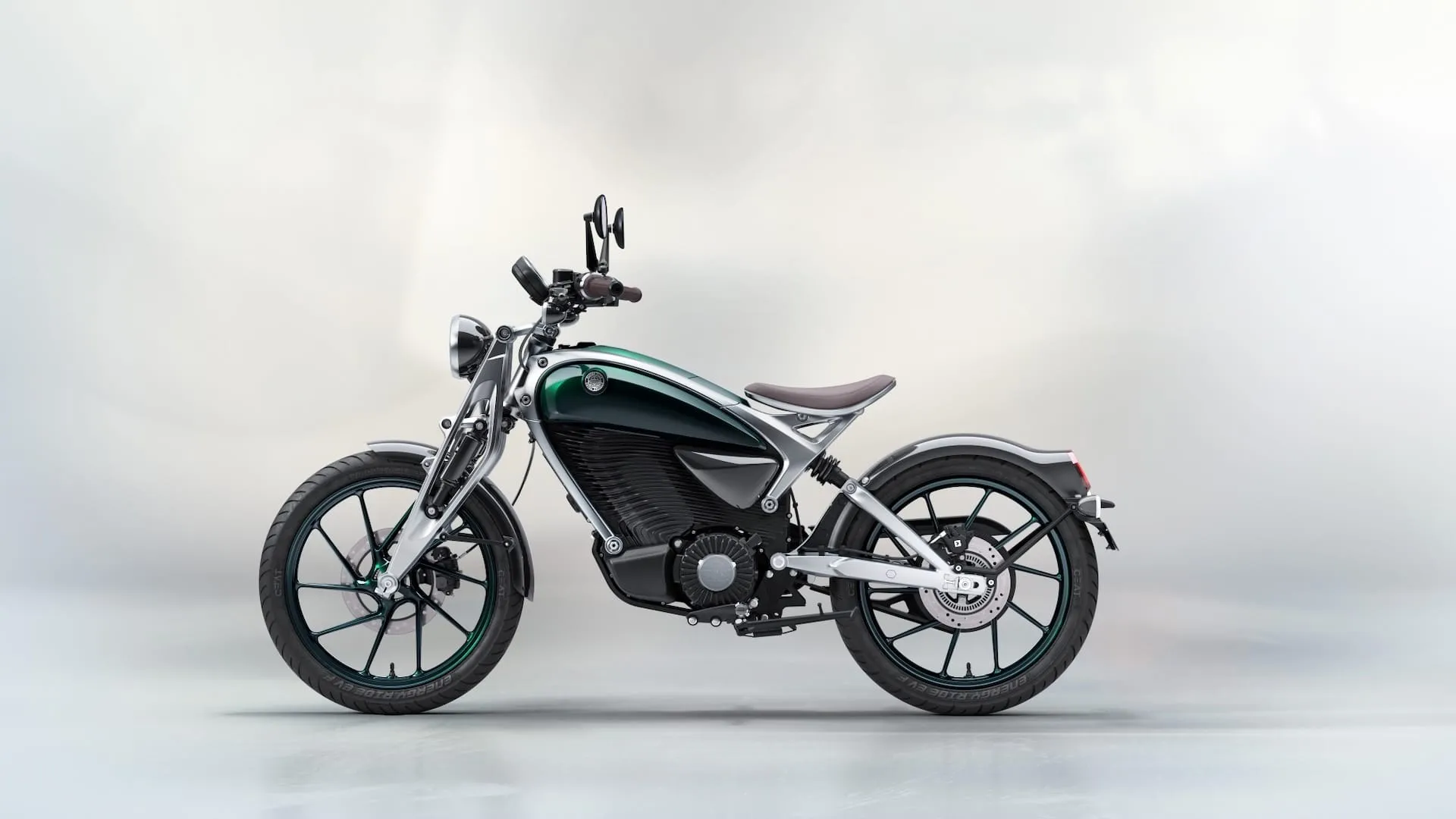
On April 10, Royal Enfield opened bookings for its latest electric vehicle, the Flying Flea C6 motorcycle, in Bengaluru. Inspired by the original Flying Flea—a lightweight, purpose-built military motorcycle from World War II—the new C6 sets itself apart with a blend of heritage, design, and technology.
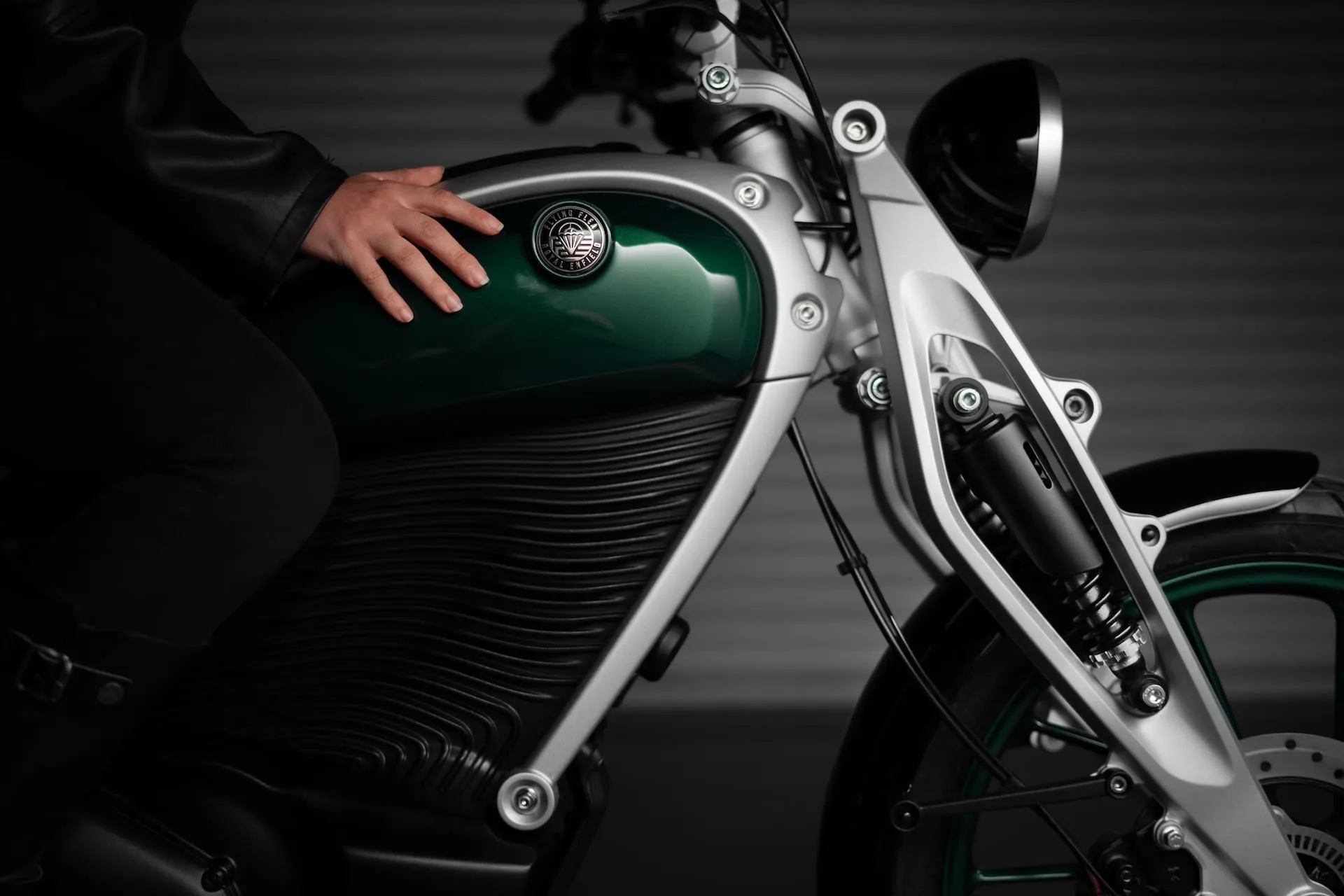
Engineered on a dedicated EV ‘L’ platform, the Flying Flea features an all-aluminium chassis and swingarm, an aluminium girder fork front suspension, and minimal body panels composed of advanced polymer and composite materials. This makes it Royal Enfield’s lightest production motorcycle to date.
Weighing just 124 kg, the Flying Flea C6 is not a mere adaptation of an existing model but a standalone electric offering. Siddhartha Lal, Managing Director of Eicher Motors, describes it as “a significant step in our evolution”, distilling the Royal Enfield DNA into an EV that promises “super fun, gorgeous, and enjoyable urban-plus mobility”.
What does the Flying Flea C6 launch signify?
Royal Enfield’s legacy has been built on its iconic, thumpy internal combustion engine (ICE) motorcycles—machines that embody exploration, camaraderie, and the pure joy of motorcycling. However, changing regulatory norms, global electrification trends, and India’s own push for EV adoption under schemes such as PM E-DRIVE and FAME have made it clear that embracing electric mobility is essential for long-term relevance.
At the launch, CEO B. Govindarajan framed it perfectly: “The Flying Flea C6 marks our first step into electric motorcycling in our 125th year—a milestone that reflects both our legacy and our intent for new beginnings.” The company is not abandoning its core philosophy but evolving it for a new era.
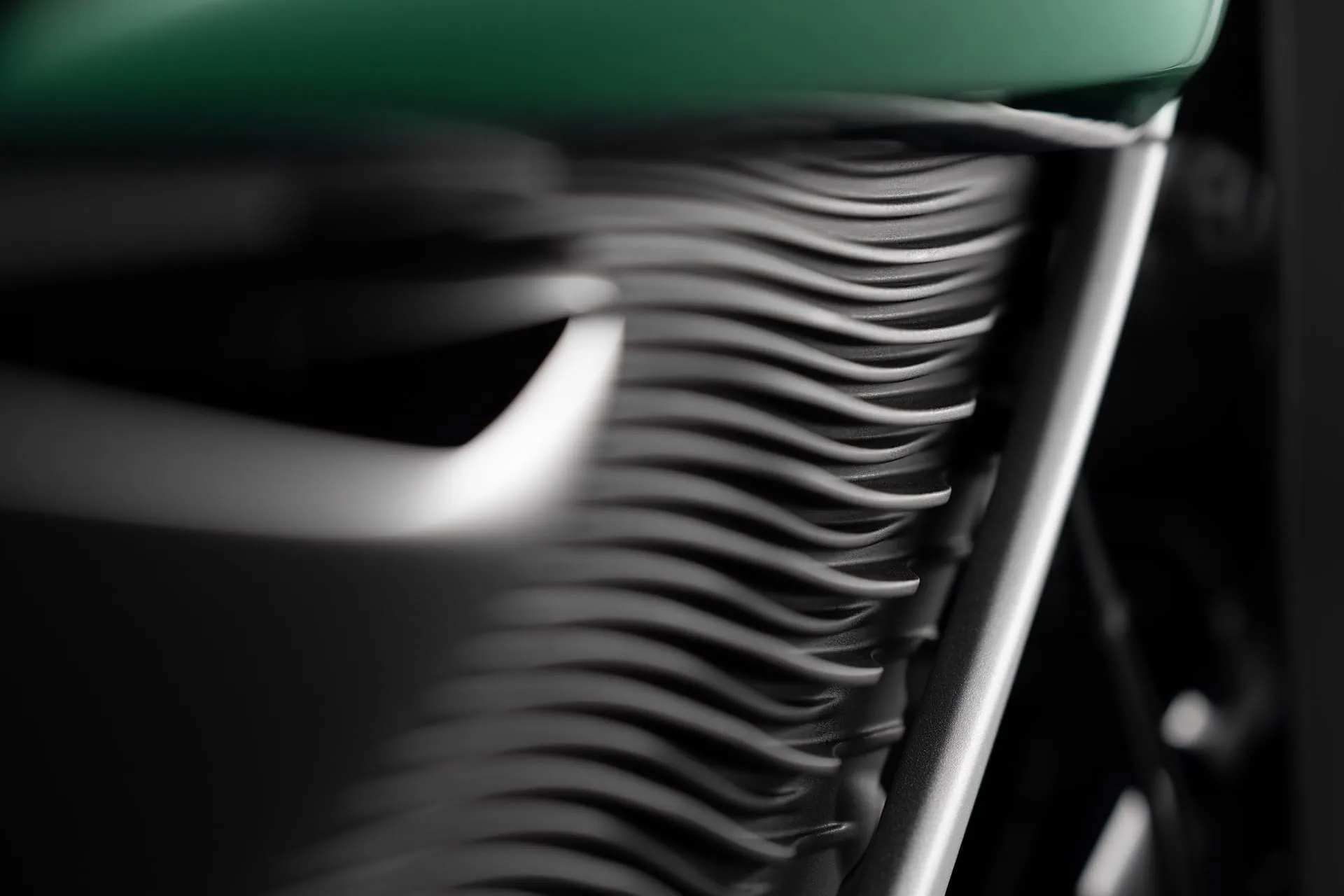
Powered by a 15.4 kW PMSM electric motor and a 3.91 kWh air-cooled battery encased in a magnesium-alloy shell, the C6 claims an IDC (Indian Driving Cycle) range of 154 km and a top speed of 115 km/hr, positioning it as an urban commuter. Its low, narrow profile is deliberately futuristic, signalling a bold new design direction.
While traditionalists can continue to enjoy the Bullet and Himalayan, the Flying Flea C6 is aimed at a new, younger, urban demographic—riders who value style, agility, intuitive technology, and sustainability.
Launching the C6 as a heritage-inspired sub-brand allows Royal Enfield to innovate without the constraints of its legacy product portfolio.
Previous attempts to integrate modern technology, such as the new J-Series engines, required careful balancing of innovation and user expectations. The Flying Flea sub-brand sidesteps these challenges, providing a clean slate for experimentation.
This launch also signals an industry-wide shift: legacy motorcycle brands now view EVs as both commercially viable and strategically necessary.
Differentiation in a crowded market
The Indian EV two-wheeler market is already dominted by established brands such as Ola Electric, Ultraviolette, Ather, Tork, Hero Vida, TVS iQube, Bajaj Chetak and Revolt. So, what sets Royal Enfield apart?
With the Flying Flea C6, Royal Enfield prioritises the riding experience over sheer performance or aggressive pricing. As Govindarajan puts it, “For over a century, Royal Enfield has been driven by a singular pursuit: to create pure, engaging motorcycling experiences. With Flying Flea, we are carrying this philosophy into the electric era. This is not just about going electric—it is about creating a new category of urban mobility rooted in experience, not just specifications or numbers.”
Unlike many new entrants focused purely on technology, C6 leverages Royal Enfield’s heritage while offering advanced features such as traction control, cornering ABS (anti-lock braking system), cruise control, a joystick-controlled TFT (thin-film transistor) interface, voice assist, and Bluetooth connectivity.
Marketing strategy
Royal Enfield has opted for a phased, city-by-city rollout rather than a nationwide blitz, ensuring the product’s readiness and the brand’s reputation remain intact.
“Flying Flea is not just a motorcycle; it is about shaping the future of riding and welcoming a new generation into the world of Royal Enfield,” Govindarajan notes.
Though initial reports suggested a Europe-first strategy, the India-first approach, supported by dedicated Flying Flea stores, allows for controlled scaling and valuable market feedback. Royal Enfield’s established manufacturing capabilities, brand loyalty, and export potential position the company well for international expansion.
There are no immediate volume targets; instead, the focus is on building a robust pipeline. “We have a strong pipeline of electric two-wheelers that will continue to build on our vision over time,” adds Govindarajan. The upcoming Flying Flea S6, an electric scrambler, is next in line.
The C6 is competitively priced at Rs 1.99 lakh with battery-as-a-service (BaaS) and Rs 2.79 lakh ex-showroom (without BaaS), targeting premium EV motorcycle buyers rather than entry-level e-scooter customers. This premium positioning is designed to attract urban riders seeking a blend of heritage, innovation, and a unique riding experience.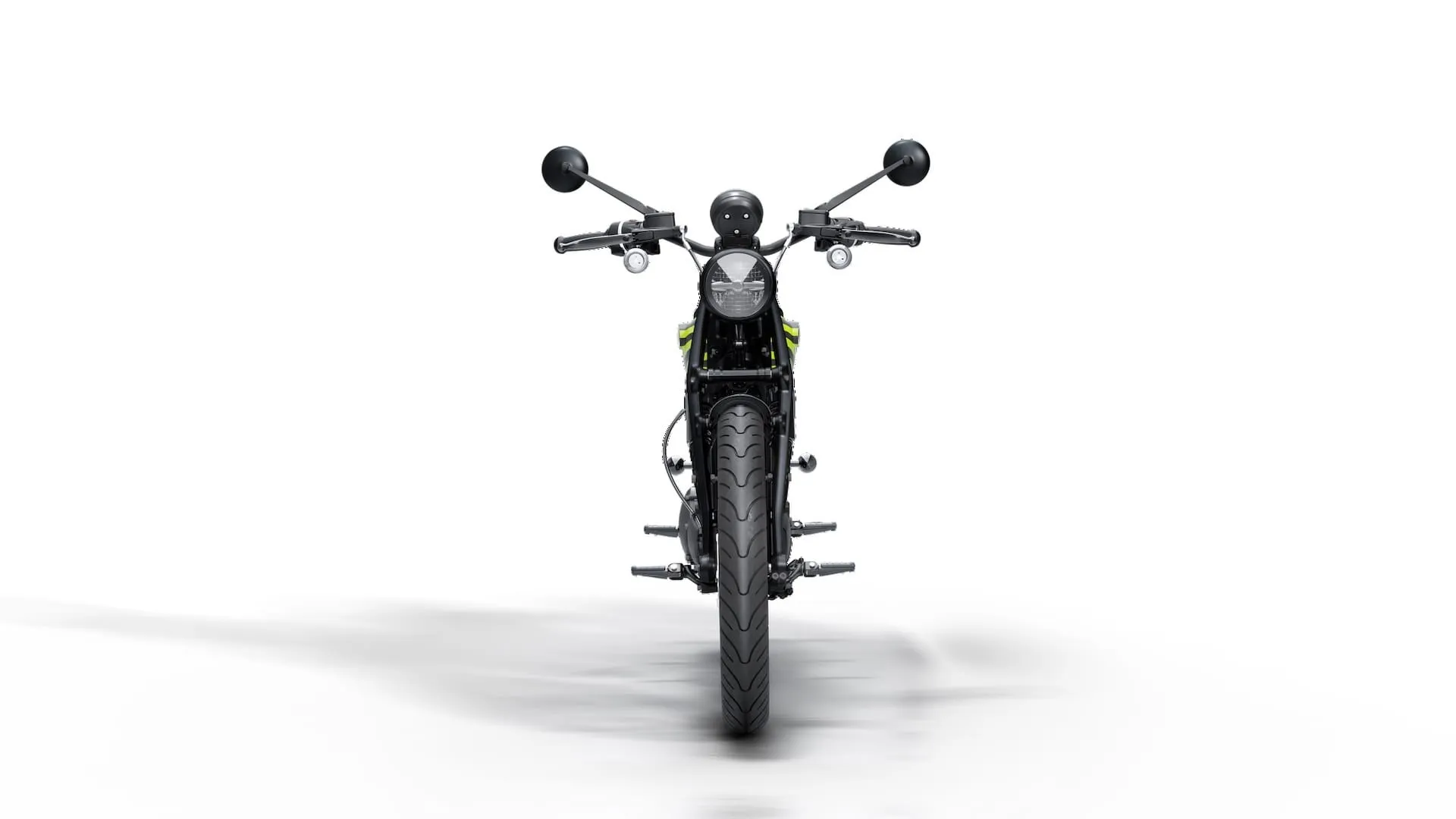
Strategic patience pays off
Royal Enfield resisted the temptation to join the early EV rush, instead waiting for favourable market and regulatory conditions.
According to Autocar India, in 2025, India’s electric two-wheeler market hit a new high, with sales reaching 1.28 million units—an 11% increase over 2024. EVs made up about 6.3% of the total 20.29 million two-wheelers sold nationwide.
The maturing Indian two-wheeler market, with growing urban demand, government incentives, better charging infrastructure, and declining battery costs, now supports premium EV offerings.
Flying Flea prototypes debuted at EICMA in 2024 and 2025, with the C6 nearing production by early 2026. Substantial investments of around €50 million in partnerships like Spanish electric bike manufacturer Stark Future for R&D and technology sharing have resulted in a refined, market-ready product featuring battery-as-a-service (BaaS) for affordability.
Developed by a team of over 200 engineers across India and the UK, and supported by more than 45 patent applications, the Flying Flea C6 is a testament to Royal Enfield’s commitment to in-house expertise and innovation. Govindarajan highlights that the result is “an agile, design- and technology-led motorcycle that feels intuitive, connected, and alive to the rider.”
The road ahead
The Flying Flea C6 represents a thoughtful, strategic move by a brand celebrated for its authenticity. In a rapidly evolving landscape, Royal Enfield is adapting without compromising its core identity—attracting new riders through electrification while retaining its distinctive spirit.
While the C6 may not revolutionise Royal Enfield’s business overnight, it positions the company as a forward-thinking icon ready for the next 125 years. If it resonates with Indian riders, we can expect the product pipeline to accelerate. The future of Indian motorcycling has never been more exciting.