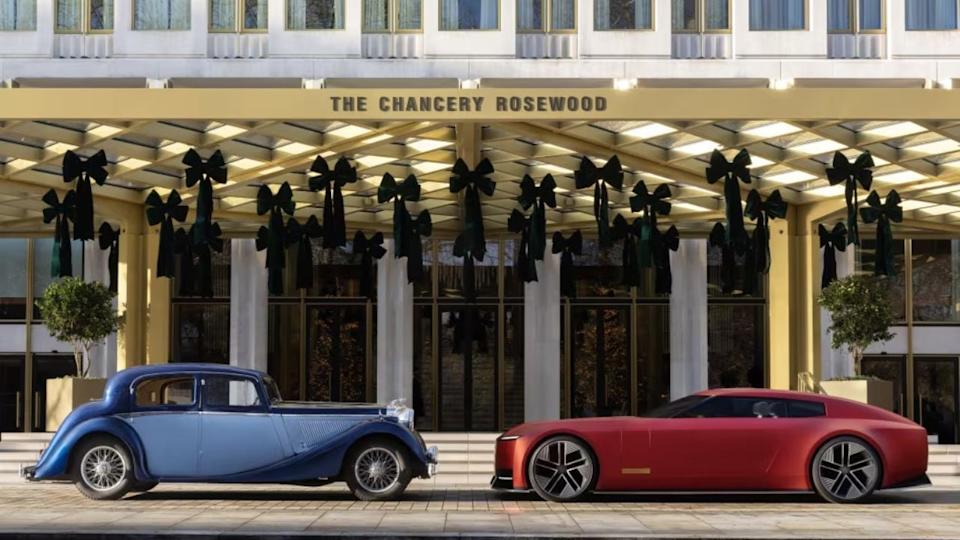
More than a year after Jaguar unveiled the radical Type 00 concept, the promised electric revolution still has not taken its final form, at least not in dealer showrooms. In fact, the situation is even more dramatic than that. Jaguar currently does not sell any vehicles at all after ending production of its previous generation gasoline and electric models. What used to be a full lineup has now been reduced to a vision of the future that still has not arrived.
That future is centered on the Type 00. The concept, revealed in late 2024, previews a high-end electric grand tourer that will define Jaguar’s next era. Recent reports say the production version is expected to be shown this summer, with order books opening by fall and first customer deliveries not beginning until early 2027.
That leaves Jaguar in one of the most vulnerable periods in its history, a stretch with no cars to sell but with enormous ambitions hanging on what comes next.
The Hard Reset Cost Jaguar More Than Most People Knew
Photo Courtesy: Autorepublika.
As this transition drags on, it is becoming clearer just how much Jaguar sacrificed to create room for it. Former design chief Ian Callum, the man who shaped much of the brand’s modern identity, recently revealed that an entire new generation of Jaguars was either finished or deep into development before it was abruptly canceled. According to Callum, that list included replacements for the XF, XJ, F Type, and F Pace.
That means Jaguar did not just walk away from one future sedan. It threw out nearly an entire next chapter of its lineup. Among the canceled projects was a new XF intended to continue Jaguar’s fight against cars like the BMW 5 Series, Mercedes-Benz E-Class, and Audi A6. There was also a second-generation F-Pace, still the brand’s best-selling vehicle, plus a new F-Type that would have carried Jaguar’s sports car heritage forward.
For enthusiasts, the most painful loss may still be the XJ. Jaguar’s flagship sedan, a nameplate that had represented the brand since 1968, was reportedly very close to production before it was killed. Callum said the decision came suddenly, describing it as something that was simply stopped “just like that.” Prototype versions of the new XJ had already been seen testing in camouflage, which only makes its cancellation feel more dramatic in hindsight.
Jaguar Is Chasing A Richer Future, Not A Safer One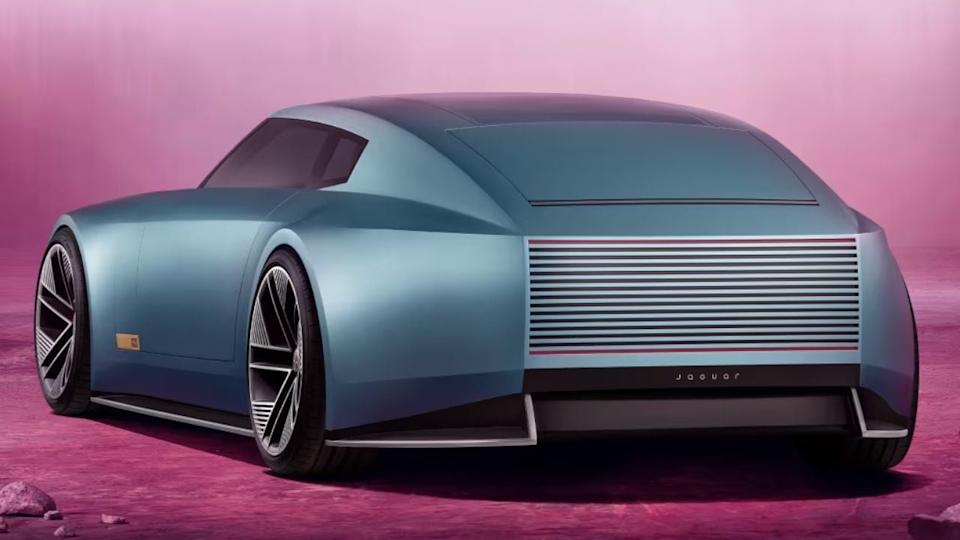
Photo Courtesy: Autorepublika.
The reason behind all of this is now obvious. Jaguar is no longer trying to compete where it used to. Instead of chasing the traditional German luxury mainstream, the brand is moving sharply upmarket. Dealer reports and industry coverage indicate that the new electric GT will start at around $130,000, with Jaguar openly accepting that the majority of its current customers will not follow it into this new phase. Internal estimates say as many as 85% of existing buyers may not return.
That makes the strategy unusually bold at a moment when many automakers are moving in the opposite direction. Across the industry, brands have been softening EV plans, leaning back toward hybrids, or extending the life of internal combustion powertrains. Jaguar, by contrast, is still publicly rejecting hybrids and insisting that its future remains all electric. Reports this year say the company has dismissed hybrid rumors and continues to frame the new era as a full EV reset.
A luxury electric SUV is also expected to follow the first GT, giving Jaguar a second major pillar for its reinvention. But even that does not remove the risk. Some dealers have already raised doubts about whether the new model makes financial sense, and coverage from earlier this year showed real concern inside the retail network about Jaguar’s near total disappearance from the market while it waits for the new products to arrive.
Type 00 Is More Than A Car; It Is A Brand Restart
Photo Courtesy: Autorepublika.
That is why the type 00 matters so much. It is not simply Jaguar’s next model. It is effectively a restart button for the entire brand. Jaguar itself describes the concept as a “fearless statement” and a “total reset” of its design identity, which makes clear how much pressure is now resting on the production car that follows it.
The question is whether buyers will embrace that vision. Jaguar believes radical change is the only way back to relevance. But the company is also asking the market to accept a very expensive, fully electric, design-led luxury car from a brand that currently has nothing else to sell. That is an unusually high-stakes gamble, even by modern auto industry standards.
In that context, the Type 00 is not just a new Jaguar. It is the test of whether Jaguar still has the power to reinvent itself at all. If the market responds, the brand could emerge with a sharper and more exclusive identity than before. If it does not, Jaguar may end up paying a very high price for being brave enough to go where most of the industry no longer wants to go.
This article originally appeared on Autorepublika.com and has been republished with permission by Guessing Headlights. AI-assisted translation was used, followed by human editing and review.
Read More
Four Things You Should Never Use WD-40 On