
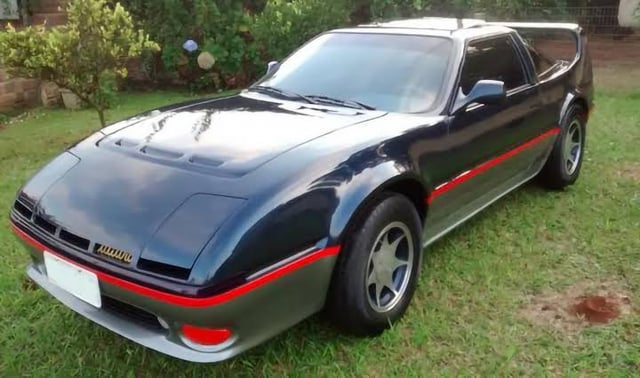
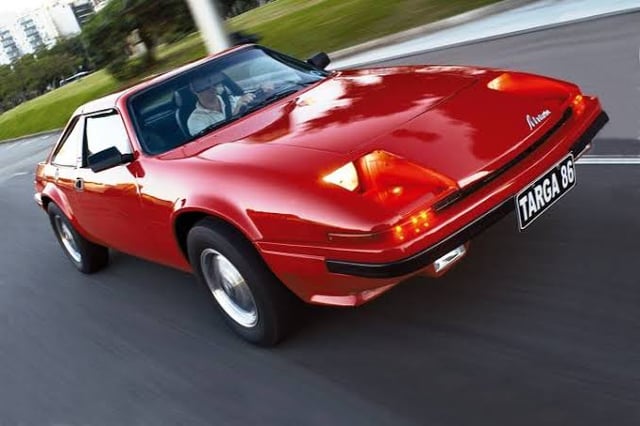
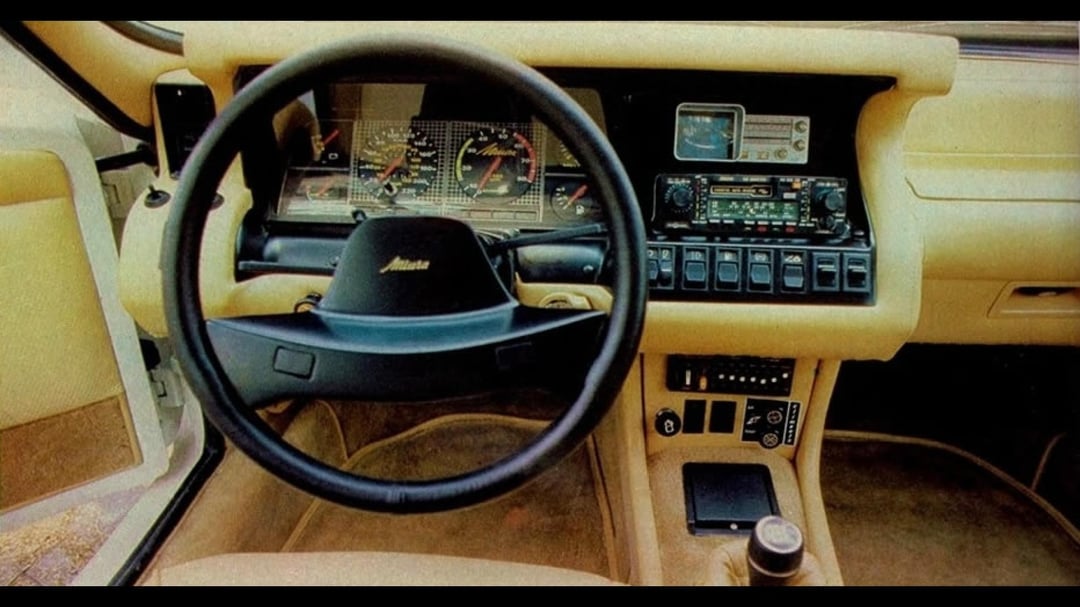
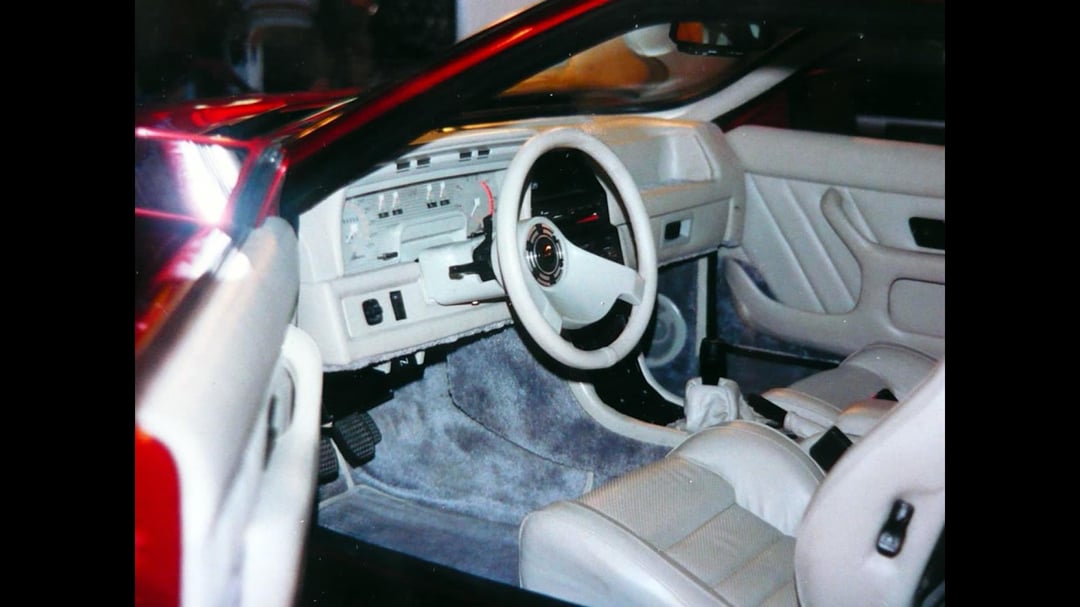
Aldo Auto Capas was a company from Porto Alegre that worked with car interior upholstery. The quality of its products inspired exclusivity, luxury and refinement.
Based on this and a peculiar market condition at the time that limited the supply of imported cars, the owners saw the possibility of producing a sports car, and thus Bensson Gobbi was born in 1974, which designed and built the Miura.
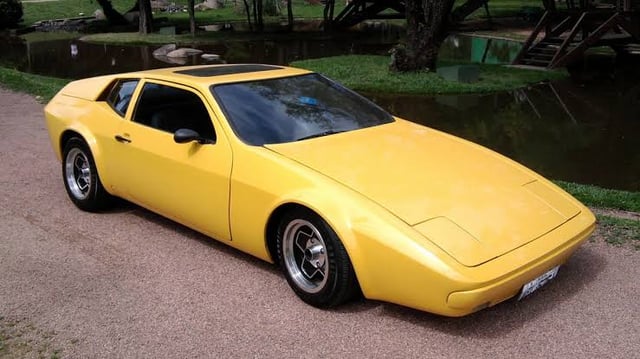
The bold and innovative design inspired by European sports cars, the body made of fiberglass-reinforced plastic, the impeccable finish, the recessed and retractable headlights and the driving position, gave it an air of thoroughbred sportiness.
Although the mechanics used were simple, coming from Brasília Volkswagen, they were reliable and robust. These qualities, added to the restrictions generated by the ban on importing vehicles into Brazil, transformed the Miura into a national phenomenon.
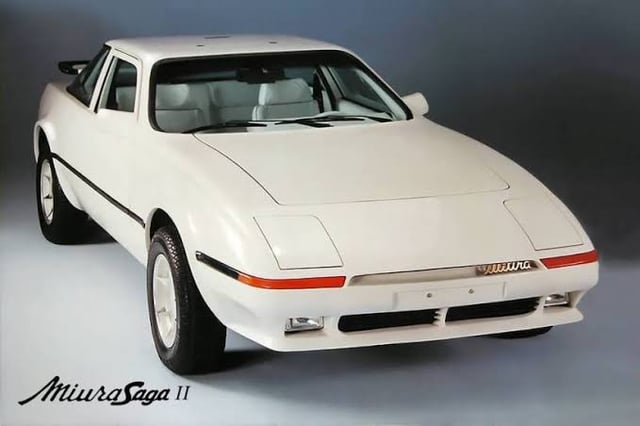
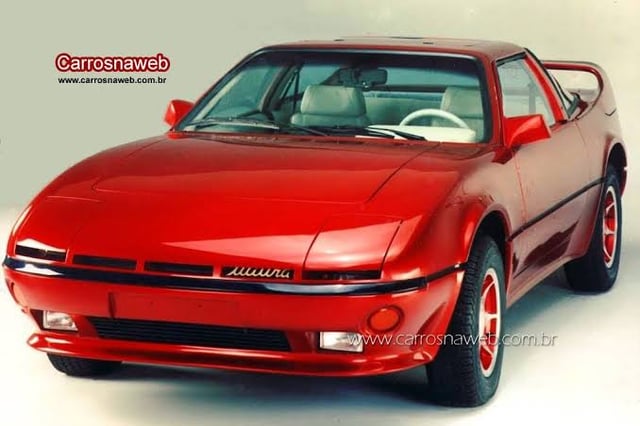
The success of the first model, considered by many to be the most beautiful, gave rise to others. In 1984, the Miura SAGA was launched, a beautiful car with updated mechanics, better and more powerful engine, giving it a performance more suitable for it’s looks, front-wheel drive and McPherson suspension.
But what differentiated it was innovative technology: the car had blue neon lighting on the bumpers, which despite the questionable taste, was an innovation in the national market, electric steering wheel position adjustment and the big one, the car could talk! A voice assistant alerted you about the use of items such as seat belts, parking brakes, closing doors and fuel levels in the tank.
The car that sparked the imagination of young people who queued up to buy it in the 1980s stopped being sold in 1992, with an incredible 3500 units produced. Today it is part of the national car factories that followed a path of glory and abandonment.
MIURA, over the years, bacame a synonym for strength, luxury and exclusivity, always aiming to achieve a quality standard equal to that of the most renowned global manufacturers. MIURA was characterized by producing sophisticated and highly technological vehicles, always using national technology developed by the company itself or by its associates.
ITEMS AND COMFORT
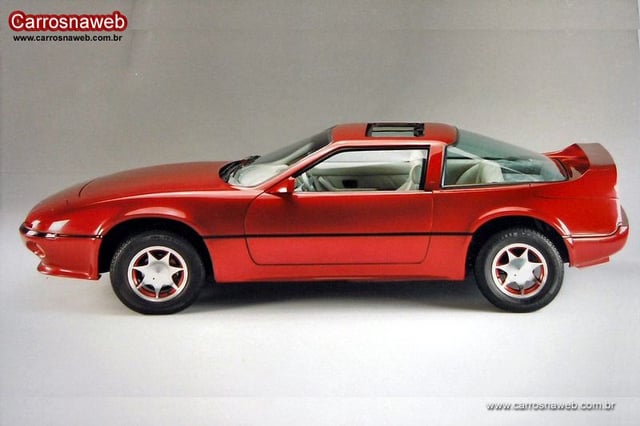
In these models, accessories never before imagined in national vehicles were incorporated: sunroof, minibar, automatic door opening system by remote control, pop-up headlights, TV on the dashboard, external neon light, power windows, air-conditioning, heating, electric adjustment of the seats and steering wheel height, the pedals were also adjustable: using manually adjustable extensions, it was possible to modify the position of each pedal, thus making it easier to find the ideal driving position. The individual seats with a unique design and rectangular shape were developed to receive the driver and passenger in a sporty way. They were anatomical, with reclining headrests and covered in the same material as the cabin. One of the main features was the unforgettable talking onboard computer, which notifies the driver about the need to refuel the vehicle, use a seat belt, etc.
MODELS AND YEARS
MIURA SPORT (1977-1979)
MIURA MTS (1980-1983)
MIURA TARGA (1982-1988)
MIURA SPIDER (1983-1986)
MIURA KABRIO (1984-1985)
MIURA SAGA I (1984-1988)
MIURA 787 (1987-1989)
MIURA X8 (1987-1990)
MIURA SAGA II (1989-1992)
MIURA TOP SPORT (1989-1992)
MIURA X11 (1992-1993).
by OriginalPapaya8
![Purple [BMW M1]](https://www.evshift.com/wp-content/uploads/2026/04/iatbcmk6nctg1-770x515.jpg "Purple [BMW M1]")
8 Comments
The Mazvette SupRX-924
That ~1977 one in #4 is my favorite of these.
Starion, 3000GT, 260z, 280ZX, Eclat influences.
Had a Vw 1.8 engine but couldn’t find specs on how much horsepower it had. I’m guessing it was more show than go.
The yellow one with the long nose is awesome, that’s the earlier model I’m guessing? Really interesting.
What was the story then with Brazil and imported cars? All I know is VW seemed to have big presence and made models there that were not sold anywhere else, who else was making cars?
there’s only one Miura and these aren’t them…
The x11 fucks, hard
She has an 80s charm to her