
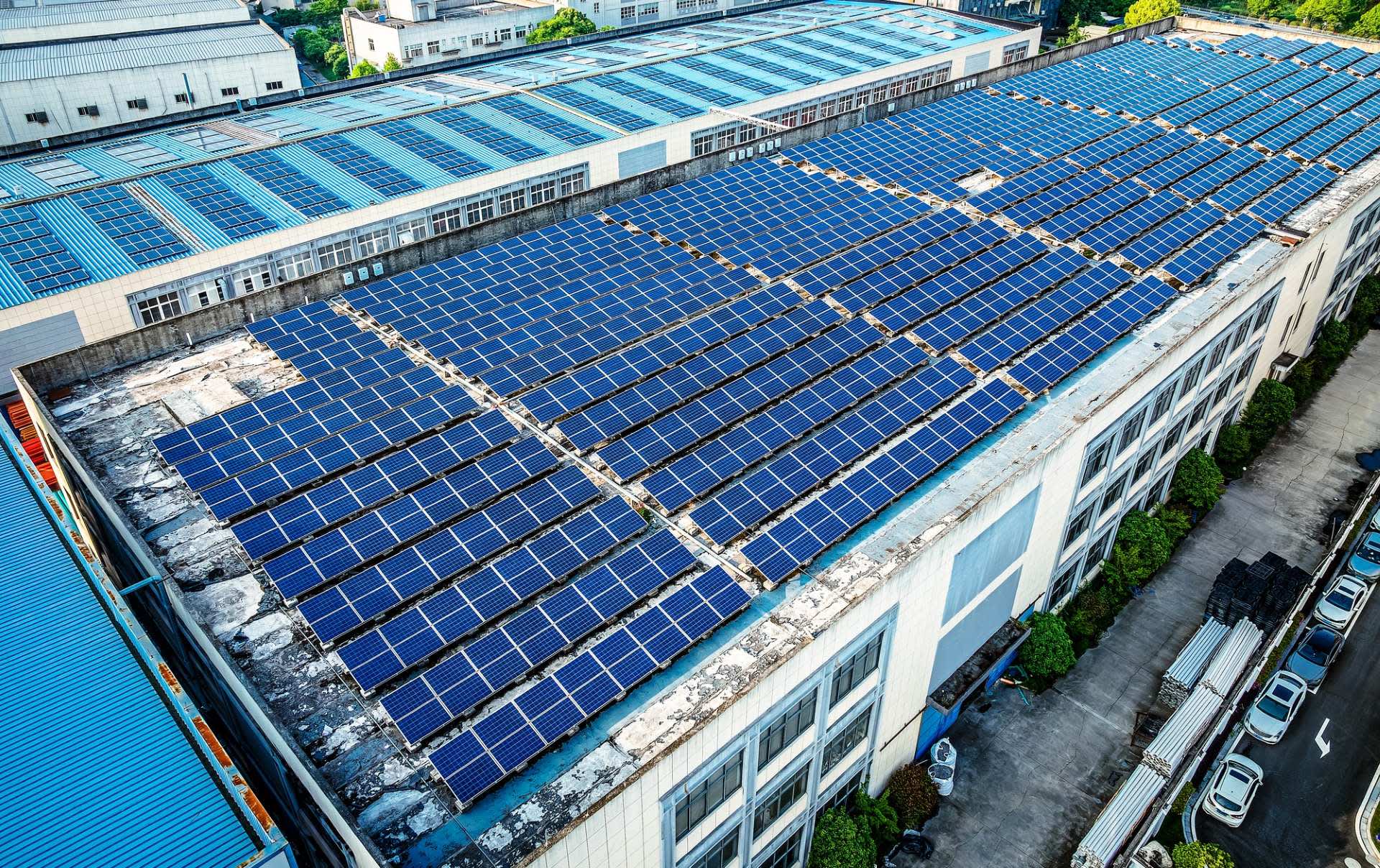
A sharp rise in global fuel prices is helping accelerate one of the world’s biggest clean-energy shifts: Demand for batteries, solar panels, and electric vehicles made in China is rising as more countries seek ways to reduce their reliance on costly non-renewable fuels.
According to Bloomberg, new trade data shows how quickly that transition is unfolding. In recent months, China’s exports of lithium-ion batteries, EV shipments, and solar-cell exports were all higher than in previous years.
“Chinese manufacturers are catching an export tailwind from this worldwide rush, which is helping to support their prices in overseas markets,” said Chia Chen, a Bloomberg Intelligence analyst.
The trend highlights how fast cleaner alternatives can scale when oil and diesel prices become too painful for households, businesses, and national economies.
Bloomberg reported that the latest acceleration followed the energy-market disruption tied to the Iran war. As uncertainty around fuel costs spread, overseas demand for Chinese clean-tech products increased.
One example came at the end of April, when Jinko Solar reached a pair of agreements in Nigeria, where diesel prices were up 40% from the start of the war.

The Merino Mono is a heating and cooling system designed for the rooms traditional HVAC can’t reach. The streamlined design eliminates clunky outdoor units, installs in under an hour, and plugs into a standard 120V outlet — no expensive electrical upgrades required.
And while a traditional “mini-split” system can get pricey fast, the Merino Mono comes with a flat-rate price — with hardware and professional installation included.
In places where many use diesel generators for backup power — or even day-to-day electricity — that kind of increase can hit families, schools, hospitals, and businesses especially hard. Solar can offer a cheaper, more stable alternative, particularly when paired with battery storage.
The same pattern is playing out beyond Africa. Bloomberg said Chinese carmakers and battery-storage firms are widening their reach in Europe and elsewhere as customers look for relief from swings in fuel prices.
For consumers, that could bring meaningful benefits.
More exports can mean more competition, and more competition often helps lower prices for EVs, batteries, and solar equipment. That can make it easier for drivers to switch away from gas-powered cars, for homeowners to consider rooftop solar or battery backup, and for communities to build cleaner, more resilient energy systems.
“Since the crisis, oil prices have risen in many places, some are experiencing supply shortages. So everyone’s perception of electrified vehicles is changing,” Chery’s chairman, Yin Tongyue, said in an interview, according to Bloomberg. “There’s been a rise in orders and also some Western manufacturers are urgently looking for ways to partner with Chinese EV makers.”
It also means people may be less exposed to the price spikes that often follow geopolitical conflict. A driver who charges an EV instead of filling up a gas tank is less vulnerable to oil shocks. A business powered by solar and battery storage is less dependent on diesel deliveries. A utility adding more battery capacity can better manage peak demand and reduce strain on the grid.
Those are not just financial benefits — they are environmental ones too.
Every EV that replaces a gas-burning vehicle helps reduce tailpipe pollution. Every solar installation that displaces diesel or coal cuts planet-warming harmful air pollution. And every battery added to the energy system can help renewable power go further by storing electricity for later use.
That is especially important in fast-growing markets, where rising energy demand could otherwise lock in non-renewable resource infrastructure for years.
While the fuel shock itself is a reminder of how unstable the non-renewable energy economy can be, the response offers a hopeful counterpoint. Countries and consumers are not just reacting to higher prices; in many cases, they are using the moment to move toward cleaner, cheaper, and more durable energy solutions.
Get TCD’s free newsletters for easy tips, smart advice, and a chance to earn $5,000 toward home upgrades. To see more stories like this one, change your Google preferences here.
