
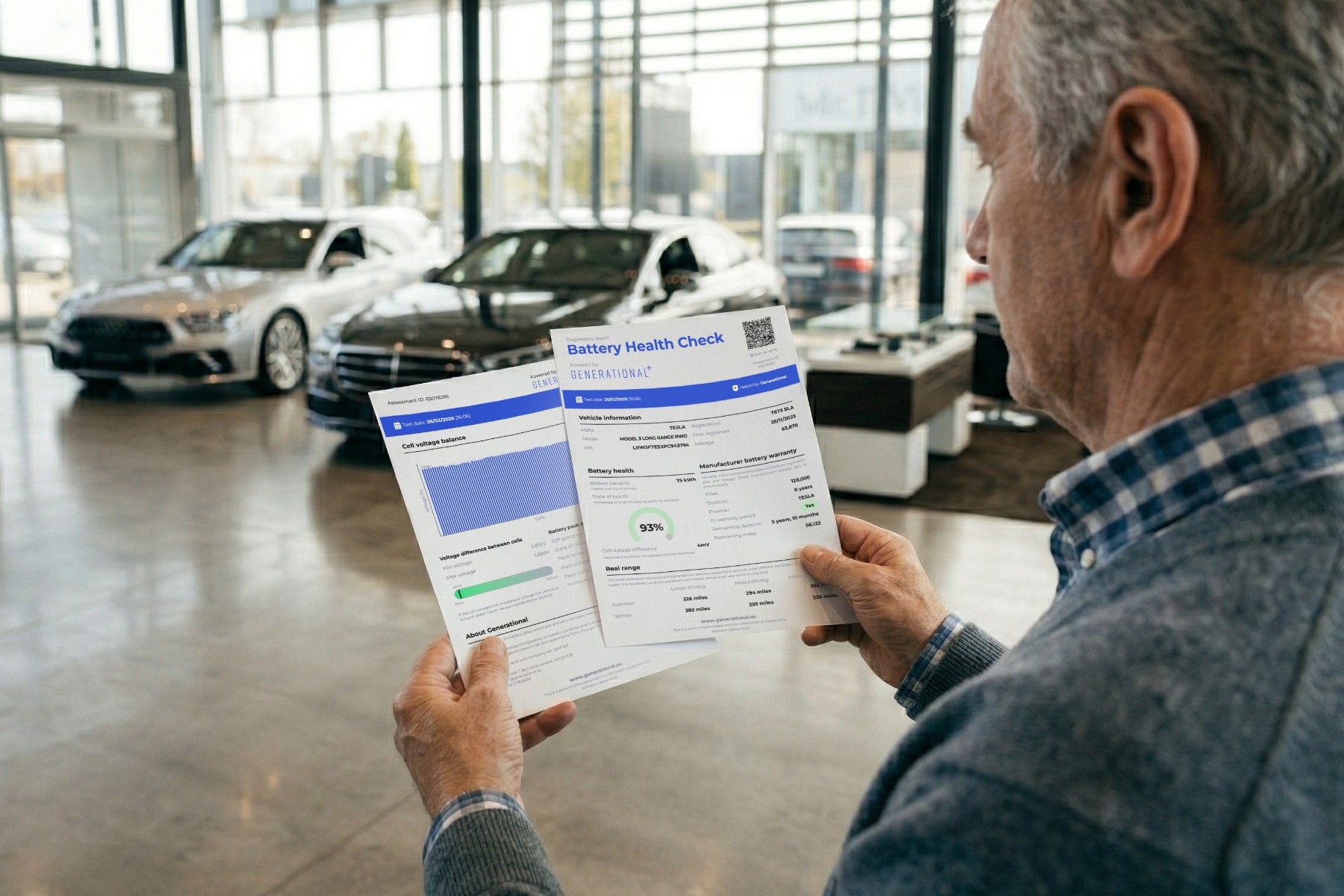
The analysis covered 2,000 used plug-in vehicles from automotive retailers across the UK, including 1,000 PHEVs and 1,000 BEVs of comparable age and mileage. The PHEV cohort recorded an average SoH of 94.27%, compared with 94.94% for BEVs. However, the standard deviation for PHEVs stood at 5.48%, against 4.14% for BEVs, indicating a broader spread of battery performance among plug-in hybrids.
Generational also found that 4.70% of PHEVs in the dataset fell below 85% SoH, compared with 1.50% of BEVs. While the share of lower-performing vehicles remained relatively small in both segments, the company said PHEVs were more than twice as likely to fall below the 85% threshold.
According to the company, the findings reflect differences in how both vehicle types are used in real-world conditions. BEVs rely entirely on the traction battery as their energy source, resulting in more consistent charging routines and usage patterns. PHEVs, by contrast, can operate under a broader range of driving and charging behaviours.
Generational said this can result in two PHEVs of similar age and mileage displaying markedly different battery histories and performance levels. The company added that verified battery testing is therefore becoming increasingly important for retailers, remarketers, leasing firms, financiers and consumers assessing used plug-in vehicles.
“Average state of health evidently remains strong across both PHEVs and BEVs. What stands out is the wider spread of results among PHEVs, which underscores how both buyer and seller need to double down on checking the usage profile of the vehicle in question,” said Oliver Phillpott, CEO of Generational.
“Even while the averages are reassuring, for both parties the data reinforces how battery condition is something that needs to be assessed on a case-by-case basis. Transparent testing allows strong vehicles to be priced confidently and problematic vehicles to be identified early.”
Source: Information via e-mail