
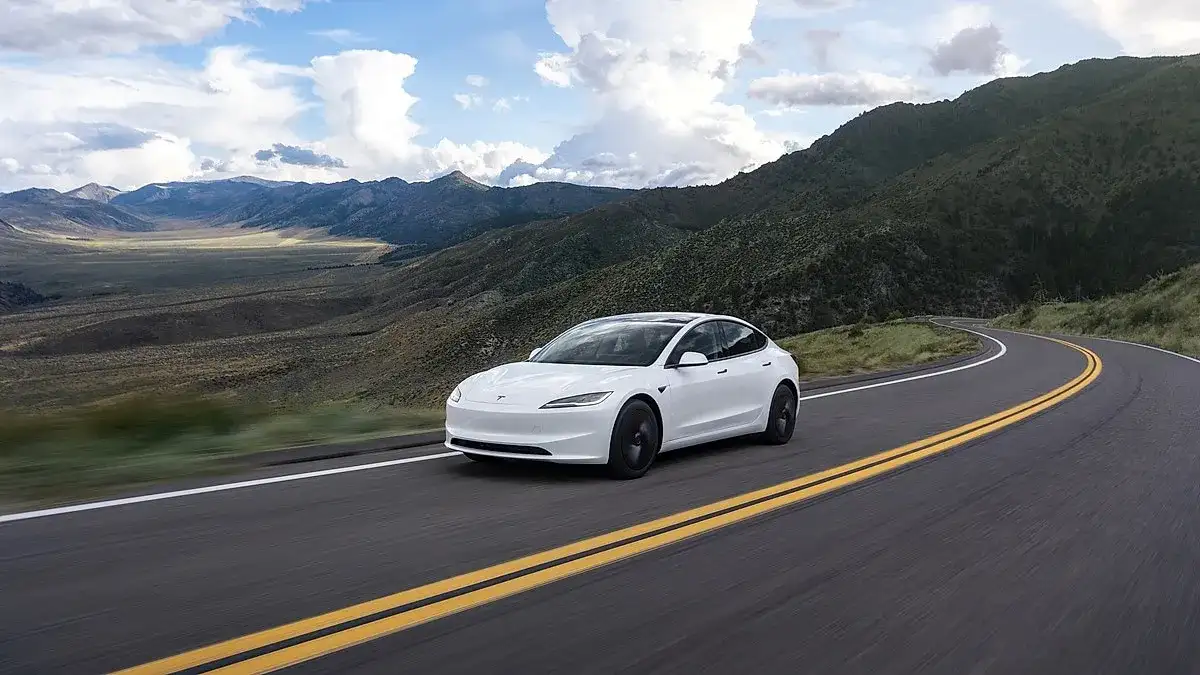
According to the research group New Automotive, countries in the European Economic Area, along with Switzerland, have invested almost 200 billion euros, or about $235 billion U.S. dollars, in electric vehicles.
This is happening as Europe is looking to become less reliant on China. According to the International Energy Alliance, China produced 80 percent of batteries in 2025.
Breaking down the European investments, 109 billion euros have gone towards the supply chain, 60 billion euros toward EV manufacturing, and somewhere between 23 billion and 46 billion euros towards public charging networks. So far, there are over 1 million public charging points in Europe.
“Europe now produces batteries for roughly one in three EVs sold domestically, and announced capacity could meet future demand if fully utilised,” New Automotive said in its report.
Advertising
Perhaps unsurprisingly, Germany accounted for close to a quarter of the investments. Germany is the largest EV hub in Europe. That’s because there’s a major OEM presence, and Germany is also home to battery manufacturers.
What Torque News Says About German EVs
Advertising
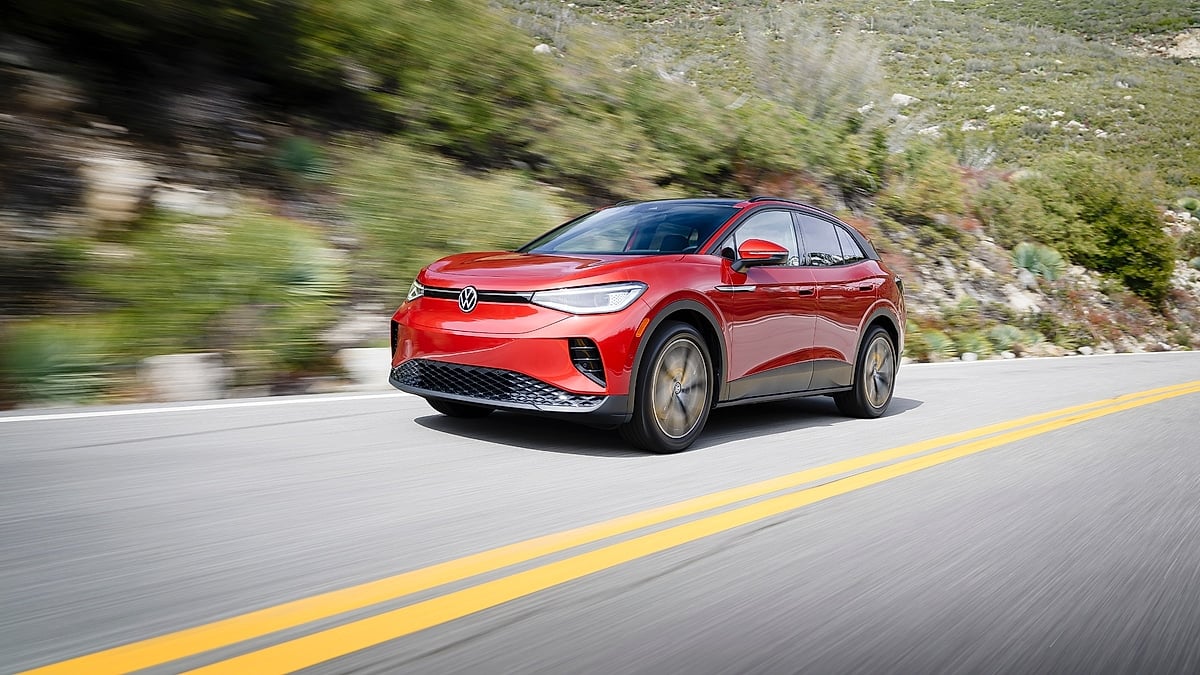
Electric vehicles that are assembled in Germany and sold in Europe include the Volkswagen ID.3, ID.4, ID.7; the BMW iX1 and iX2; the Audi Q4 and Q6 e-tron; and the Mercedes-Benz EQ line. Some Teslas are also built at a gigafactory in Germany, as well.
Germany is, of course, home to Volkswagen, Mercedes-Benz, and BMW. Audi is part of the Volkswagen Auto Group.
Investments Appear To Create Jobs In The Euro Zone
E-Mobility Europe claims the investments have led to 150,000 jobs across the region and can add another 300,000 if all planned projects go ahead as scheduled.
According to Reuters, analysts suggest Europe will need a combination of subsidies, protection, and energy costs that are more stable in order to compete on a global stage when it comes to EVs. On the other hand, there are EV models on the Euro market, and oil prices are shooting up, thanks to the war in Iran. That could drive demand for EVs, even though the European Commission and European Union have backed down on a plan to essentially ban new internal-combustion engine models starting in 2035.
About The Author
Tim Healey is an experienced automotive writer and editor from Chicago. He has covered automotive news at Consumer Guide Automotive, Web2Carz, AutoGuide, and was the managing editor at The Truth About Cars. Tim is a member of the Midwest Automotive Media Association. You can find him on Facebook, X/Twitter, and on LinkedIn.
Follow us today…


