
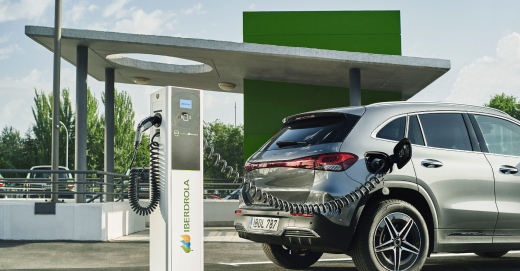
What is an electric car?
An electric car is a vehicle powered by one or more electric motors. These motors are powered by a source of electrical energy, which will be transformed into the kinetic energy necessary for the movement of the whole.
Electric vehicles can be charged, or not, via the electricity grid through public charging points, or through private charging points in private homes, for example.
The necessary electrical energy is stored in batteries. The most widespread technology in this area is lithium-ion batteries, although there is research exploring other possibilities. You can explore everything you need to know about electric car batteries on this page.
The history of the electric car is long and fruitful. Today, they have become a real alternative to other more polluting and less sustainable modes of transport.
They are vehicles with lower maintenance costs, as they have fewer mechanical parts, and have lower charging costs than combustion vehicles. Electric cars measure consumption in kWh per 100 km, so the price of charging will depend on the price per kWh. For example, if the price is set at €0.25 per kWh and we have to charge a 50-kWh battery, the charging cost will be €12.50.
These prices depend on the cost per kWh at the charging point, the type of charging (standard, fast or ultra-fast) and the capacity of the battery, of course.
The range of electric cars may be one of their main barriers to entry, as it averages 16 kWh per 100 km (a car with a 77-kWh battery will have a theoretical range of about 480 km). Batteries are becoming longer and longer range and allow electric cars to cover more distance without needing to charge during the journey.
On the other hand, in many countries, this type of vehicle benefits from purchase subsidies and tax advantages, both for individuals and companies. For example, in some places, they are exempt from registration tax, or they benefit from reductions in road tax. In Spain, for example, there is the MOVES Plan, which provides grants of up to €4,500 for the purchase of new vehicles.
Finally, they are vehicles that enjoy mobility advantages as they are authorised to enter areas restricted to polluting vehicles in large urban centres (in Spain they fall into the category of the DGT’s Zero Emissions Environmental Distinction). These low-emission zones are becoming increasingly popular, which means that the electric alternative is gaining ground in this type of urban context.