
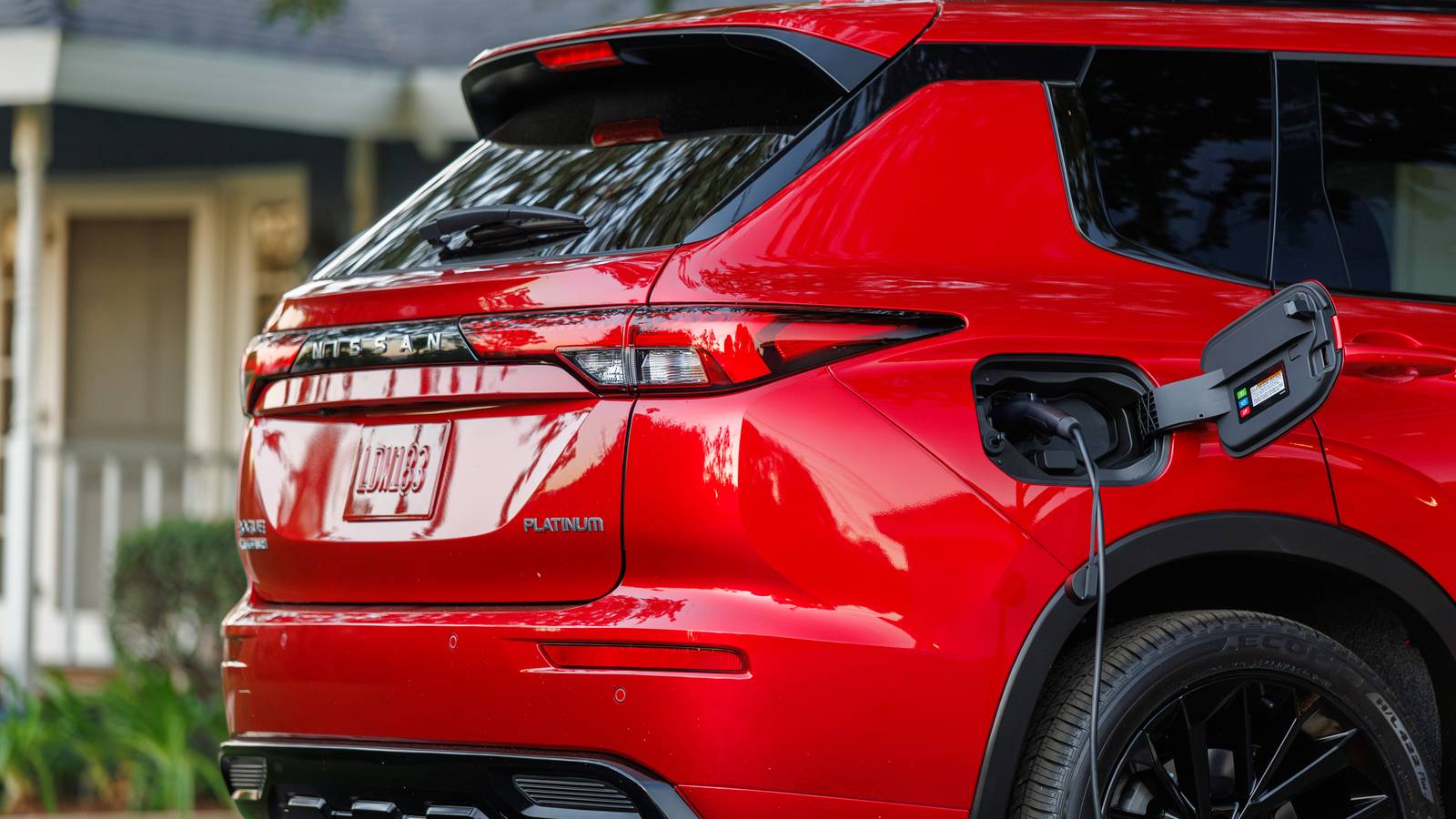
There are now more than a dozen Plug-in Hybrid (PHEV) SUVs available for sale, with nearly every mainstream automaker offering at least one. Models like the Honda CR-V, Toyota RAV4, Hyundai Tucson, and Mazda CX-70 are popular options. My personal favorite is the Lamborghini Urus SE, though its price tag is higher than the Honda, Toyota, Hyundai, and Mazda combined!
Vehicles like the Urus SE use hybrid technology to deliver extra power, but most mainstream manufacturers design their PHEV SUVs with fuel economy in mind, though a little extra power never hurts. While PHEV SUVs can save you serious money at the pump, there are also hidden costs that many buyers may not anticipate.
6
Higher starting MSRP
Consider the payback timeline when considering any hybrid
Credit: Hyundai
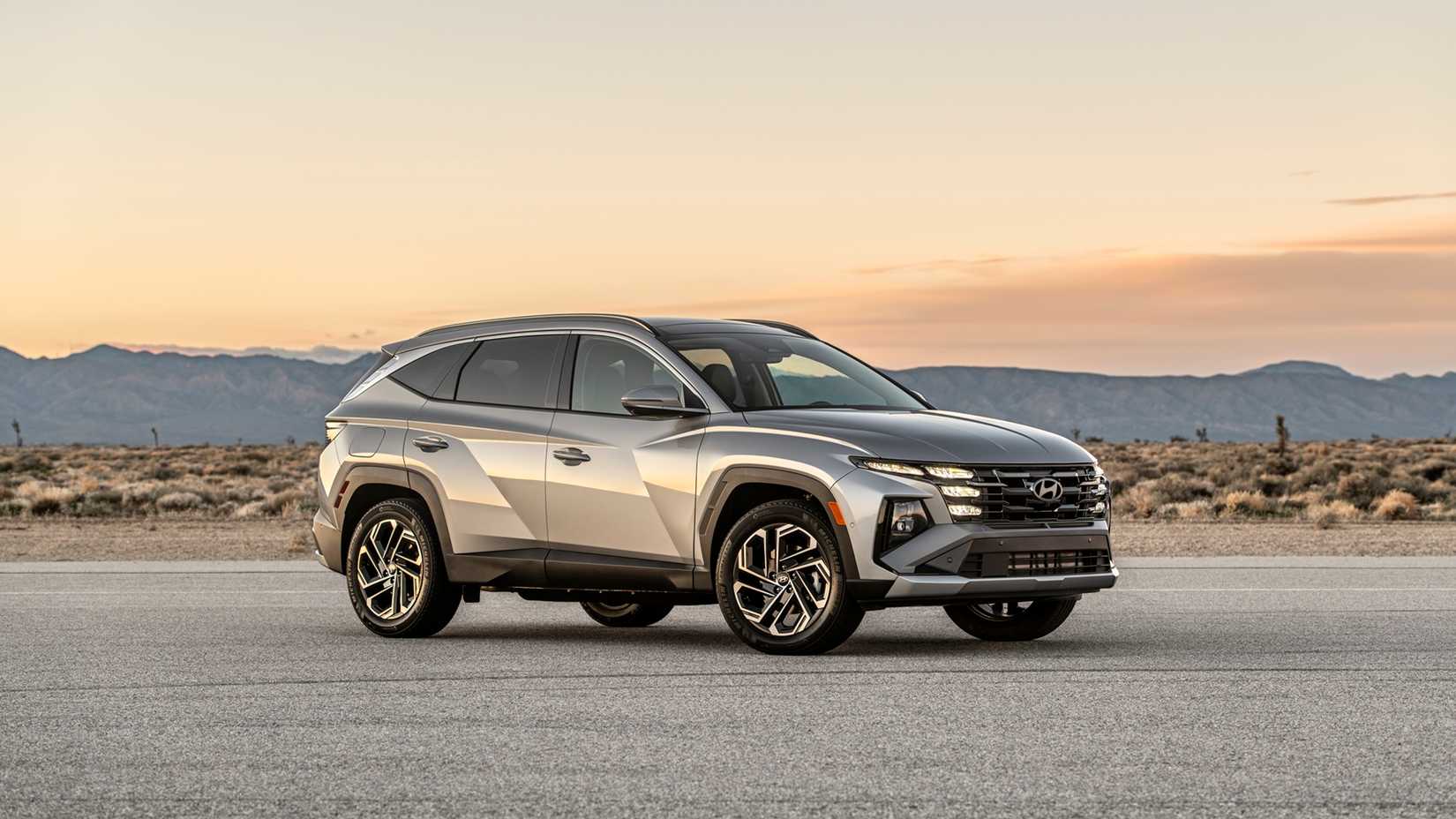
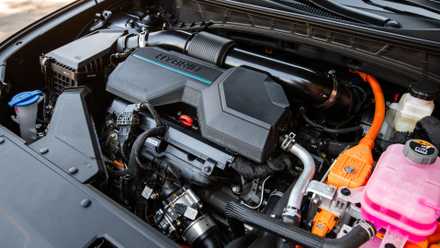
Most of the hidden expenses for standard hybrids also apply to PHEVs. However, for PHEVs, those costs can be even higher. An ICE Hyundai Tucson starts at $29,450, while a hybrid Tucson starts at $32,450. By contrast, a PHEV Tucson starts at $40,325. That is nearly $11,000 more than the ICE version.
Think of a PHEV as simply a more robust version of a regular hybrid. The batteries are larger and, when fully charged, can typically provide up to about 50 miles of fully electric driving range. Going back to our Hyundai Tucson example, the ICE version is rated at 26 miles per gallon combined, the hybrid at 38 miles per gallon, and the PHEV at 77 miles per gallon equivalent.
However, at $4.39 a gallon, you can buy about 2,500 gallons of gasoline for $11,000. That is enough to run the ICE Tucson for about 65,000 miles. Try to consider the payback timeline when it comes to the promised fuel savings of any hybrid, relative to the higher starting MSRP.
Related
That used hybrid might take 7 years (or more) to pay off
The smarter buy isn’t always as obvious as the MPG rating suggests.
5
Increased weight, increased wear
A PHEV SUV is heavier than even a regular hybrid SUV. For example, the Toyota RAV4 hybrid has a curb weight of about 3,800 lbs. The Toyota RAV4 PHEV has a curb weight of about 4,500 lbs.
Extra weight (in this case, 700 lbs.) means extra wear and tear on your tires. Tires on a PHEV SUV can wear out up to 20 percent faster than those on an ICE or regular hybrid SUV. A set of tires for a RAV4 PHEV can cost between $1,000 and $1,500, excluding mounting and balancing. Replacing tires is a considerable maintenance expense, and you will likely have to do it more often with a PHEV.
4
Road user charges
Credit: Hyundai
The price of each gallon of gas includes both federal and state taxes. In my home state of Pennsylvania, the taxes for 2026 total $0.576/gallon. But as the popularity of EVs and PHEVs grew, the government identified a problem. They were losing tax revenue thanks to these highly fuel-efficient vehicles.
In addition to paying the regular gasoline tax every time you fill up, PHEV owners need to pay the state of Pennsylvania $63 a year for a Road User Charge (RUC). And this fee will likely increase every year. In 2025, it was $50. That is a 26 percent increase in one year. Not every state charges this fee yet, but don’t worry, every state in the union is likely to collect a similar fee eventually.
3
Level 2 home charger cost
Setting up your home charging solution can cost thousands of dollars
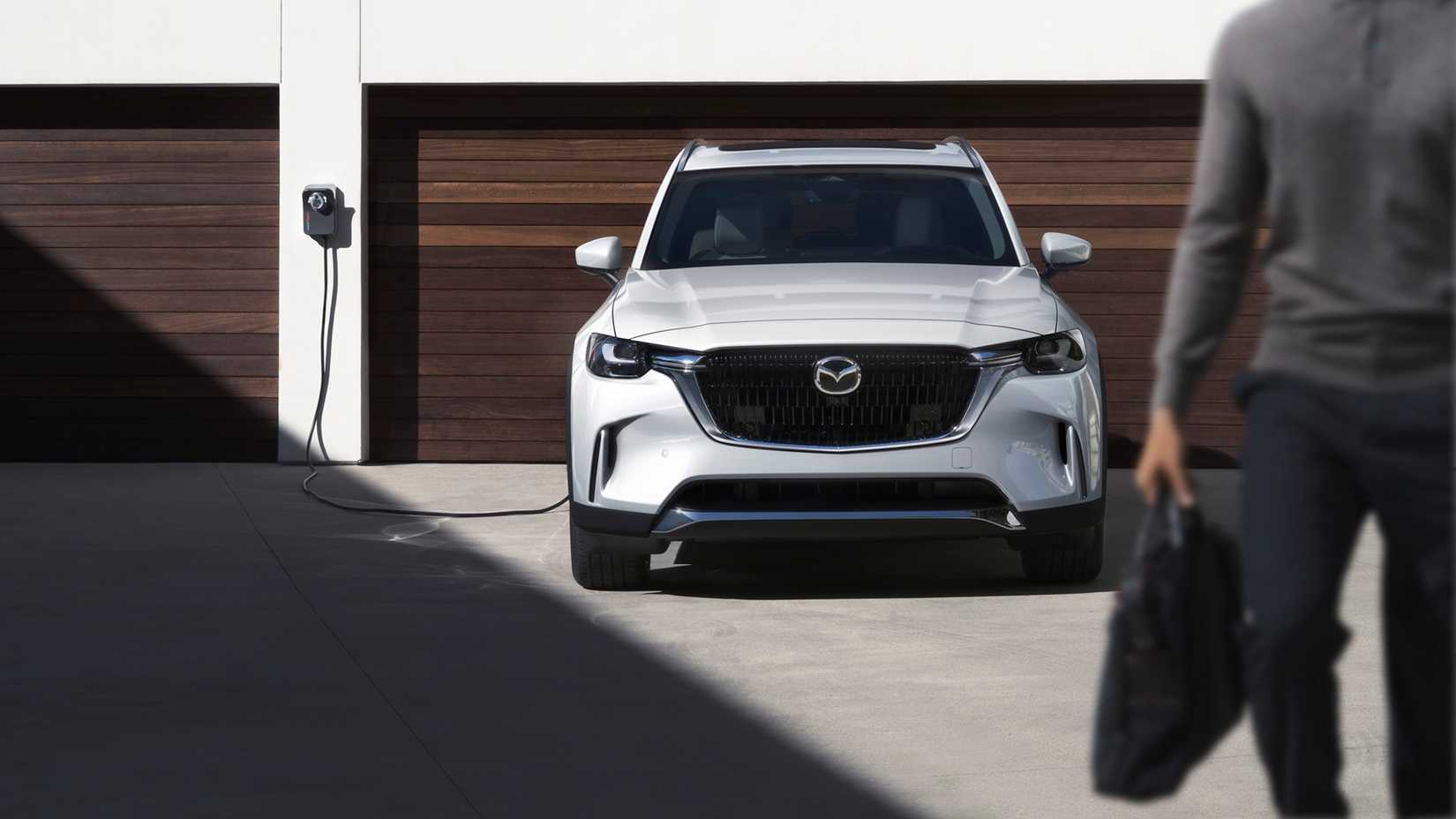
You can charge a PHEV using a regular home outlet. However, a level 2 home charger will let you charge about 5 times faster. That certainly makes your PHEV SUV more convenient to own, but level 2 chargers are not cheap.
For example, Ford will sell you one that will work with their Escape PHEV for $799. Then figure another $200 to $1,500 for installation, depending on your current home setup. You could easily be looking at over $2,000 for a level 2 charger at your house. Expenses like these can often catch PHEV shoppers off guard.
Related
Buying a used hybrid? 5 critical checks that could save you thousands
The biggest headache with a used hybrid isn’t always the main battery.
2
Cost of charging
Electricity isn’t free
Credit: Mazda
According to the U.S. Energy Information Administration, the average retail price per kilowatt-hour in the U.S. is 17.65 cents. A Toyota RAV4 PHEV has a 22.7 kWh battery. To charge it at a rate of 6.0 kW, it would take about three hours and 45 minutes and cost roughly $4.01. Cheaper than a tank of gas for sure. But it still isn’t free.
In California, the average retail price per kilowatt is 33.22 cents. That means charging a RAV4 PHEV would cost $7.54. Again, it is far less than a tank of gas, but remember, this is not a full EV, so you are still buying gas and paying for the electricity on top of it.
Although it will still cost you less to fuel up your PHEV SUV with both gas and electricity than it would for a regular ICE SUV, don’t mistakenly assume there is no cost for the electricity.
1
Cost of not charging
Not charging your PHEV might be the most expensive mistake you can make
This is both the blessing and the curse of the PHEV. If you never want to plug it in to charge it, you don’t have to. The PHEV SUV will still work like a traditional hybrid even if it is not plugged into the grid to recharge. The battery pack will be charged by regenerative braking, but your electric driving range will be greatly reduced. PHEVs keep running as long as you have gas in the tank. You could theoretically never plug it into a charger and be just fine.
But here is the downside. You just bought an SUV that is more expensive than a regular hybrid. If you don’t plug it in, it is going to get worse mileage than a regular hybrid, thanks to lugging around all that extra weight. In reality, not charging the PHEV SUV is going to cost you even more than installing a level 2 charger and charging it.
The bottom line
Credit: Volvo
A plug-in hybrid SUV offers the best of both worlds, but only if you actually use it as intended. If your daily routine involves plugging in at night and commuting on electrons, the fuel savings will eventually take the sting out of those higher tire costs and registration fees.
However, if you treat it like a traditional hybrid and skip the charging cable, you’re essentially paying a hefty premium to haul around a heavy battery you aren’t using. Before you sign the paperwork for that new Hybrid SUV, do the math on your daily mileage and your home’s electrical capacity.