
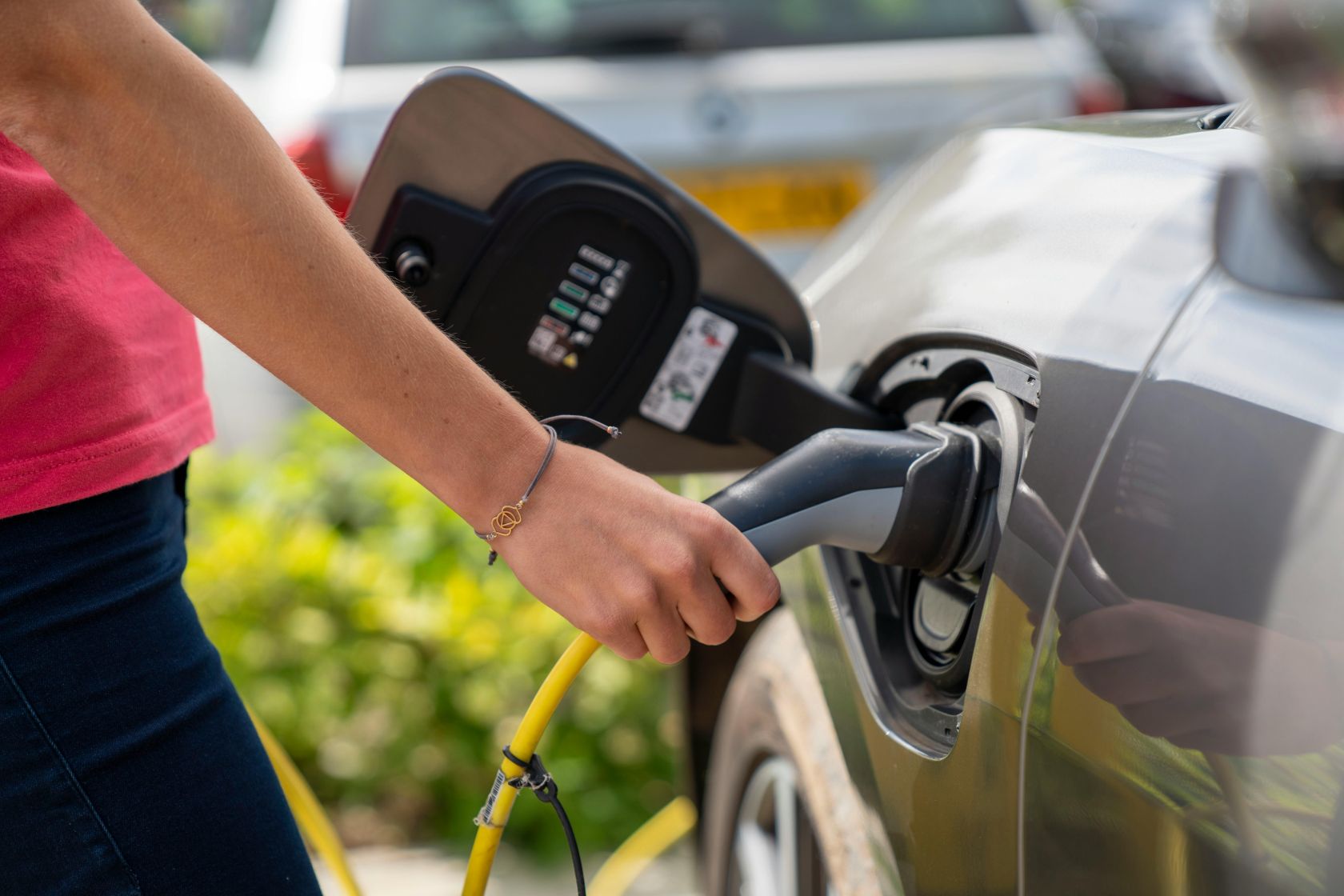
Portugal has unique conditions in Europe. We produce close to 80% of our energy from renewable sources, something that many countries are still far from achieving. Given this reality, it would be natural to expect a more ambitious, more integrated strategy with a long-term vision for electric mobility. But we continue to act reactively, with occasional incentives that appear and disappear, without creating real transformation.
The new program follows exactly this logic. Another 20 million euros, about 2,500 supports, 4,000 euros per vehicle. And, as happened before, it is foreseeable that it will sell out quickly. This is not a problem of excess demand; it is a clear sign that the market is ready, but the system does not keep up.
The truth is that we continue to treat symptoms and not the cause.
If we really wanted to change the paradigm, the path would have to be different. A structured tax benefit system, for example, would encourage those who install solar panels for self-consumption and electric vehicle charging. Reduction or elimination of VAT on the purchase of electric vehicles and mobility solutions. Direct incentives in the IRS that would make this transition accessible to a wider base of the population. This would create a true ecosystem, where energy, mobility and housing are naturally connected.
And this ecosystem would eventually generate returns. More economic activity, more investment, more companies operating in this sector and, of course, more tax revenue through IRC and the entire associated economy. Instead, we continue to function almost as an emergency system, with measures that help at the moment, but that do not structurally solve the problem.
There is also an issue of access that cannot be ignored. Even with the support, the cost of entry into electric vehicles remains high for a large part of the population. This limits the impact of these measures and creates an uneven transition, concentrated in those who already have the financial capacity to take this step.
It is true that the program also includes incentives for chargers, bicycles and other forms of electric mobility, which is positive. It shows some awareness that the future is not just about the car. But, once again, there is a lack of dimension. There is a lack of continuity.
Portugal has everything to lead in this area. Clean energy, adequate territorial dimension, cities with the capacity to adapt and a population increasingly aware of the issue. What is lacking are not conditions. It is an integrated vision.
Basically, this new support confirms something important. The demand is there. People want to change. They want more sustainable solutions and are willing to take that step.
The question is whether we are creating the conditions to keep up with this pace or whether we will continue to react with specific measures that solve the immediate but leave the structural undone.
Because more than encouraging, the real challenge is to build a system.
And for that, there is a lack of scale.