
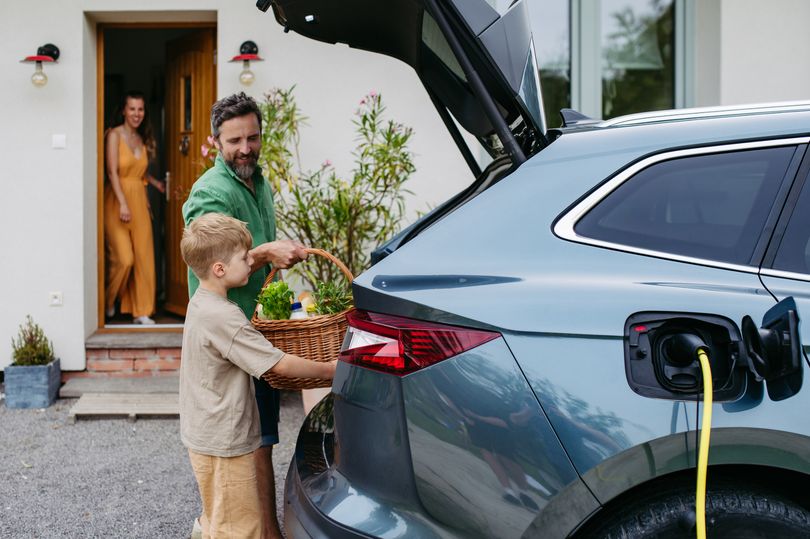
Electric vehicles (EVs) are set to overtake petrol and diesel cars on UK roads by 2034, according to new projections.
The analysis from Quotezone.co.uk suggests EVs will make up 50.5 per cent of the total vehicles on UK roads within a decade.
According to DVLA data, current totals reveal petrol remains the most common fuel type, accounting for 55% of all cars, followed by diesel at 29.8 per cent, while fully electric vehicles account for only 4.8 per cent.
READ MORE: One of the last independent shops in Birmingham city centre closes warning ‘there’s worse to come’
However, the balance is shifting with electrified vehicles growing year on year, from less than one per cent in 2015 to 12.9 per dent in 2025.
Projections suggest this trend will accelerate, estimating electrified vehicles will rise to 37 [per cent in 2031, more than petrol (36.9 per cent) and diesel (26.2 per cent), which are both expected to decline.
The car insurance experts say that by 2034, electric vehicles are projected to make up 50.5 per cent of all vehicles on UK roads, compared to 49.5 per cent for petrol and diesel vehicles, marking the first point when they become the majority of the total vehicle fleet.
New government regulations are being launched to support this electric vehicle adoption and ensure the UK hits the target for new electric car sales by the 2035 deadline – with £2 billion invested to expand charging infrastructure and incentivise zero emission vehicles.
As part of these efforts, the Labour Party Government has proposed changing pavement regulations to make it easier for EV drivers without driveways to charge their cars at home.
Millions of homeowners without driveways have been prevented from being able to charge due to rules on cables crossing public pavements.
Under the proposed rules, installing pavement-integrated charging solutions will no longer require planning permission, providing a solution for the many drivers currently locked out of EV ownership.
The changes also include increasing the grant to cover EV home installation to £500 – available to flat owners, renters and landlords.
This shift towards making it easier for motorists across the country to make the move to EVs falls in line with Quotezone’s forecasts.
The UK’s ZEV mandate sets increasingly ambitious targets for zero-emission new car sales, rising from 22 per cent in 2024 to 80 per cent by 2030 and 100 per cent by 2035.
New sales of all EVs overtook petrol for the first time in 2025, at 48.4 per cent (978,676 registrations) but there’s a long way to go to reach 100 per cent in under ten years’ time – plus the UK ZEV mandate requires all new car sales to be fully electric, either battery or hydrogen operated cars only, not hybrid.
Greg Wilson, car insurance expert and CEO at Quotezone.co.uk said: “It’s positive to see the shift towards EV ownership, with figures showing clear adoption from UK drivers as electric car sales start to take the lead.
“Many drivers had been concerned that an electric vehicle would not be a straightforward option for them – with a Quotezone survey showing 82 per cent of drivers thought the availability of charging points would restrict their lifestyle and make it less likely for them to make the switch to EVs.
“However, the Government’s proposed changes and financial support are making electric choices a much more realistic option for millions of drivers. One of the most critical issues for many Brits has been the practicalities of home charging. The rules around cables crossing pavements had created a challenge for many.
“Allowing pavement charging could be a gamechanger for millions of drivers without driveways, and a positive step towards a zero-emission fleet.
“However, it’s the first of many concerns drivers have about the EV journey, with more progress needed across vehicle and energy costs, charging capacity and mileage limitations – to try to ensure the UK stays on track with electric car sales ahead of the 2035 deadline.”