
WattEV is betting that the transition towards CV electrification will take long enough for it to carve out a durable e-truck leasing business. By Stewart Burnett
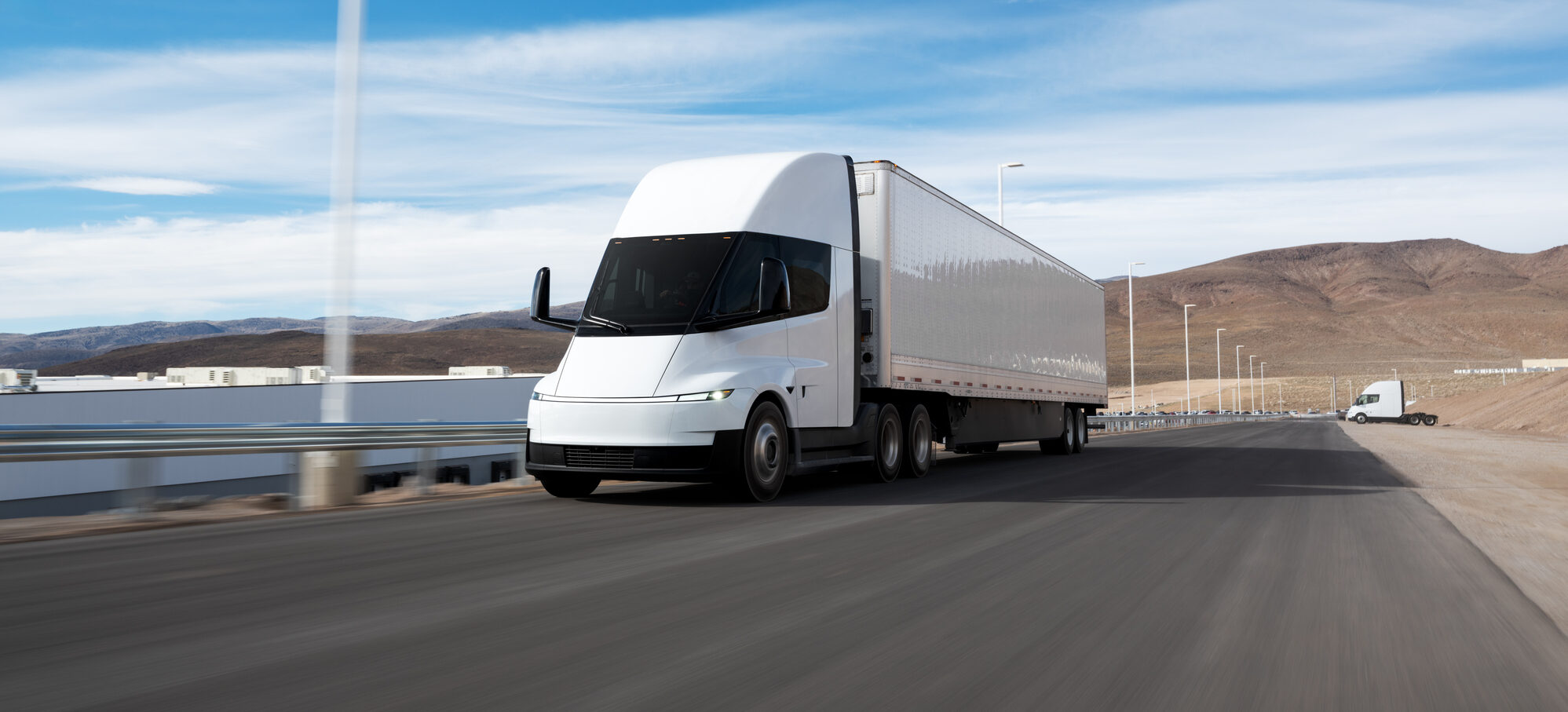
WattEV has placed a landmark order for 370 Tesla Semi electric trucks—the largest single e-truck procurement in California to date—with initial deliveries of 50 units scheduled to begin later in 2026 and the full fleet operational by the end of 2027. More than 300 of the vehicles will be deployed through a joint programme with the Port of Oakland, concurrent with the launch of WattEV’s first Northern California charging depots at Oakland and Fresno.
Both stations will, of course, be equipped with Tesla’s Megawatt charging system, capable of delivering approximately 300 miles of range in 30 minutes. The order was announced at the ACT Expo in Las Vegas on 5 May, and extends WattEV’s existing Southern California network of six operational depots. These currently span the Port of Long Beach, San Bernardino, Gardena, Bakersfield, Vernon, and Oxnard; 15 further sites are under active development with nationwide expansion in mind.
In a statement, Chief Executive Salim Youssefzadeh said the Semi was selected through a public request for proposals process on the basis of cost, performance, and availability. “We intend to be the operator that builds the infrastructure, the fleet, and the logistics platform for electrified freight delivery at scale.”
The announcement arrives a couple of weeks after the first Semi rolled off a high-volume production line at Tesla’s recently-upgraded plant in Nevada. Seven years later than originally promised, the e-truck is coming in at a starting price of around US$290,000—cheaper than virtually all incumbent players in the segment’s electric offering, while also boasting an appreciably larger range.
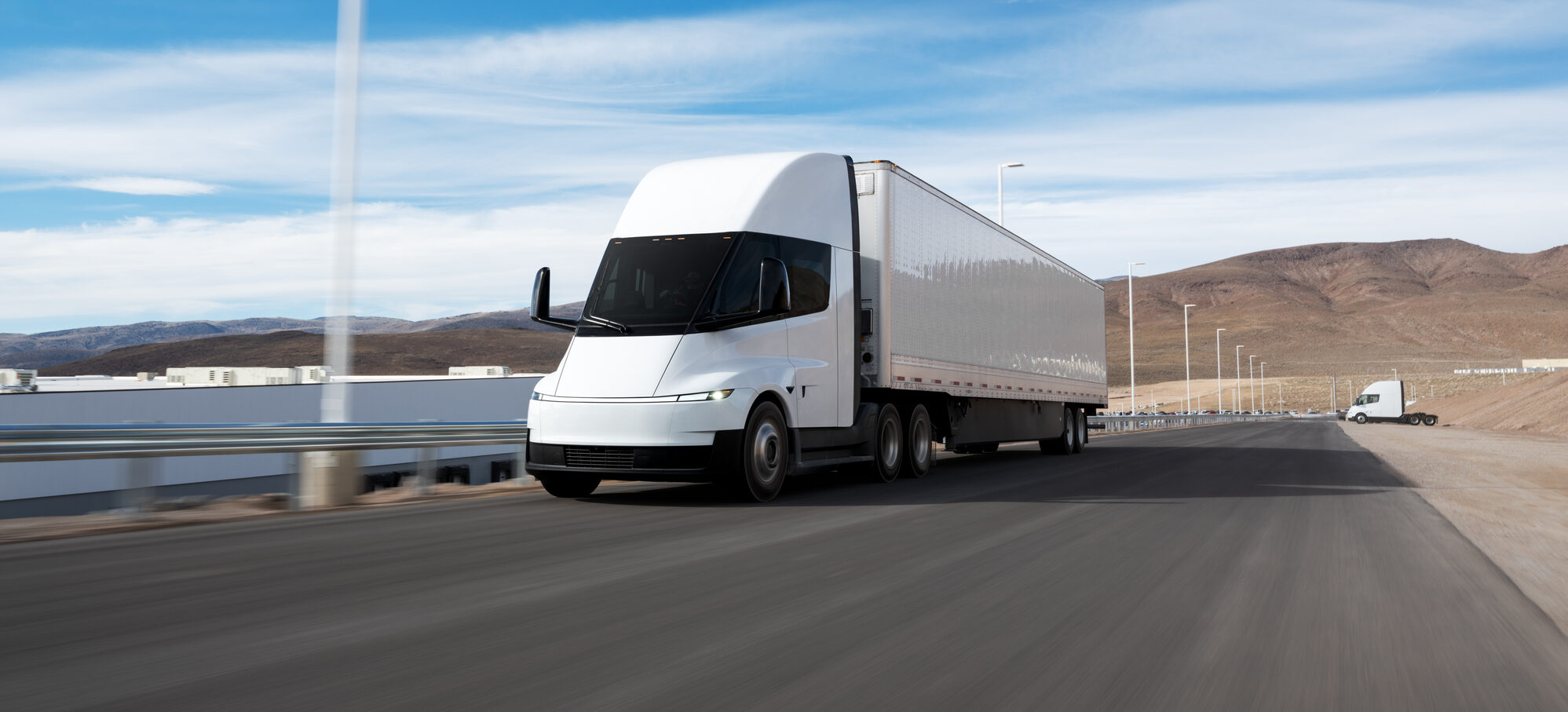
Full-year Semi output is expected to come in between 5,000 to 15,000 units in 2026; longer-term the plant is expected to scale to its full 50,000-unit annual capacity. WattEV placed an earlier order for 40 Semis in early 2025, receiving two units at that stage; it is unclear whether those are counted within the 370-unit figure announced this week.
WattEV’s leasing model—covering the vehicle, charging access, and maintenance under a single per-mile or monthly fee—addresses the primary barrier to fleet electrification that neither truck makers nor carriers have resolved independently. Despite being materially cheaper than most e-trucks, a Semi still costs close to double that of an equivalent diesel truck. By pooling that capital exposure and building the charging infrastructure around it, WattEV converts a prohibitive upfront decision into an operating expenditure.
WattEV operated a significantly more modest 75-truck fleet in 2025, accumulating more than seven million freight miles across Southern California’s drayage and middle-mile sectors. The company is also developing solid-state transformer technology targeting AI data centre power infrastructure—a secondary revenue line that reduces its dependence on freight volumes alone as the fleet scales.
The freight-as-a-service model WattEV is scaling has attracted growing attention due largely to the prohibitively high upfront costs of both e-trucks and their charging infrastructure. For smaller hauliers, these costs are an effective dealbreaker. Forum Mobility, a competing California e-fleet operator, reported this week that two of its customers—Big F Transport and Nica Container Freight Line—had collectively ordered 60 Tesla Semis through its charging hub network, suggesting the asset-light leasing approach is being replicated by multiple operators simultaneously.