
Only 2.4% of vehicles eligible, as 85 illegal activation attempts recorded
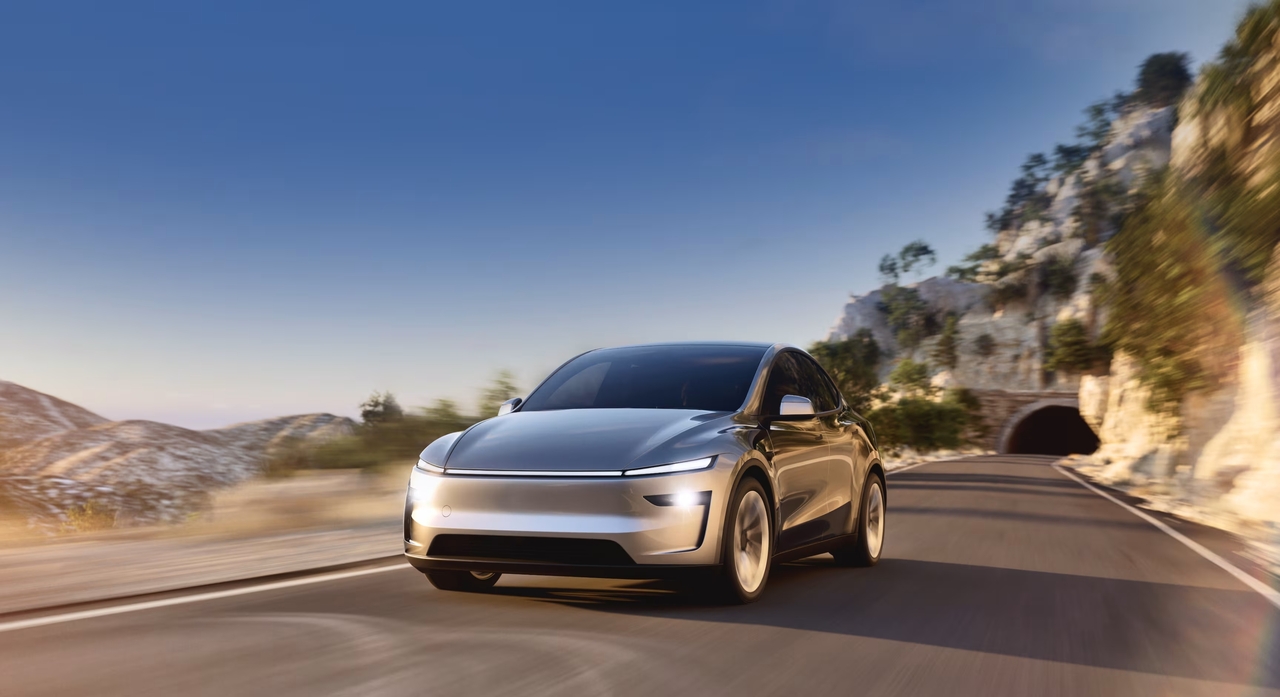 Tesla’s Model Y SUV (Tesla)
A growing number of Tesla owners in Korea are attempting to illegally activate the company’s Full Self-Driving feature, bypassing restrictions that limit its use to US-built vehicles.
According to data released Monday by Rep. Park Yong-gap of the ruling Democratic Party of Korea, a member of the National Assembly’s Land, Infrastructure and Transport Committee, 85 cases of attempted unauthorized FSD activation had been recorded as of April 28.
Under current regulations, FSD is permitted only in Tesla models manufactured in the US — including the Model S, Model X and Cybertruck. These vehicles are exempt from certain local certification requirements under the Korea-US free trade agreement.
By contrast, China-built models — which account for more than 90 percent of Tesla sales in Korea — are not eligible for the feature.
As a result, only 4,292 vehicles, or about 2.4 percent of the 180,684 Teslas registered in the country, can legally use FSD. The eligible pool includes 2,708 Model X units, 1,193 Model S vehicles and 391 Cybertrucks.
Despite the restrictions, some owners have reportedly tried to enable FSD using unofficial external devices or modified source code, taking advantage of the shared hardware architecture between US- and China-built models.
Such actions violate the Automobile Management Act, which prohibits unauthorized modifications to vehicle software that could affect safety. Offenders face up to two years in prison or fines of up to 20 million won ($13,600).
Kim Pil-su, an automotive engineering professor at Daelim University, said the issue also reflects a pricing gap between models.
“US-built Teslas are roughly 20 million won more expensive than China-made versions, and owners must pay an additional 8 to 9 million won to access FSD,” he said. “Some drivers of China-built models appear to be seeking the feature without bearing those costs.”
The Land Ministry has referred relevant cases to police, while Tesla Korea has issued software updates to block unauthorized access. However, industry officials say these measures have limited effectiveness.
Enforcement is further complicated by privacy laws, which restrict authorities’ access to individual vehicle data, making it difficult to identify violations.
Park said legislative measures are needed as vehicle software manipulation becomes more sophisticated.
“As the adoption of electric and autonomous vehicles expands, attempts to manipulate software will likely increase,” he said. “Reactive measures such as investigations and remote blocking have clear limits, highlighting the need for institutional reform.”
hyejin2@heraldcorp.com