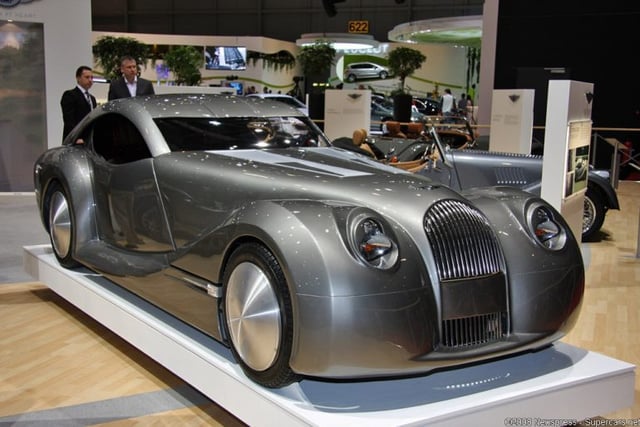
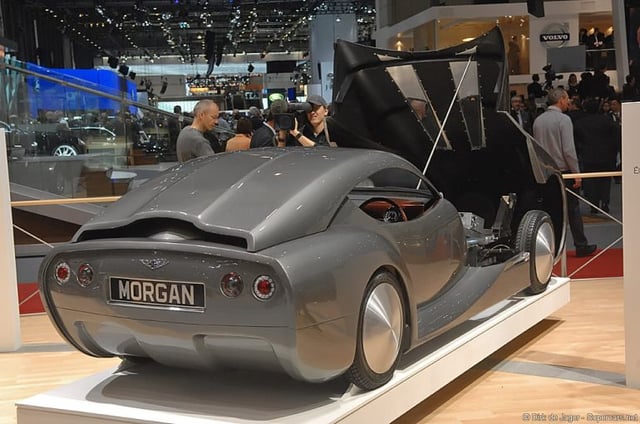
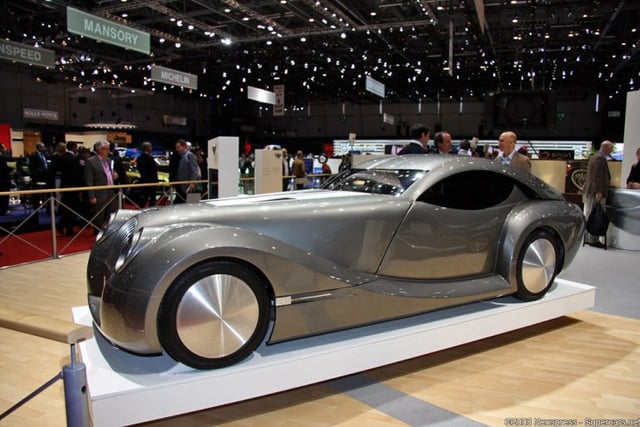
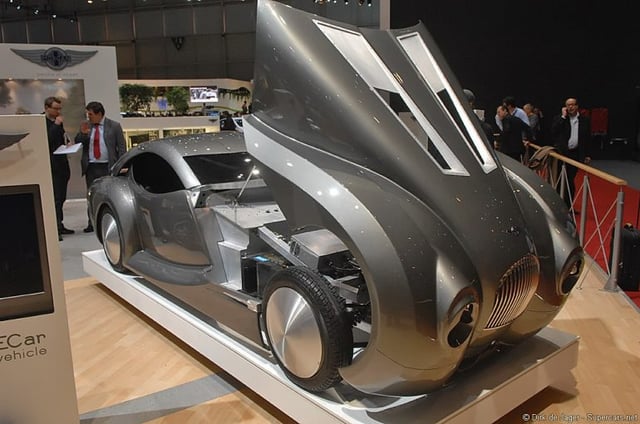
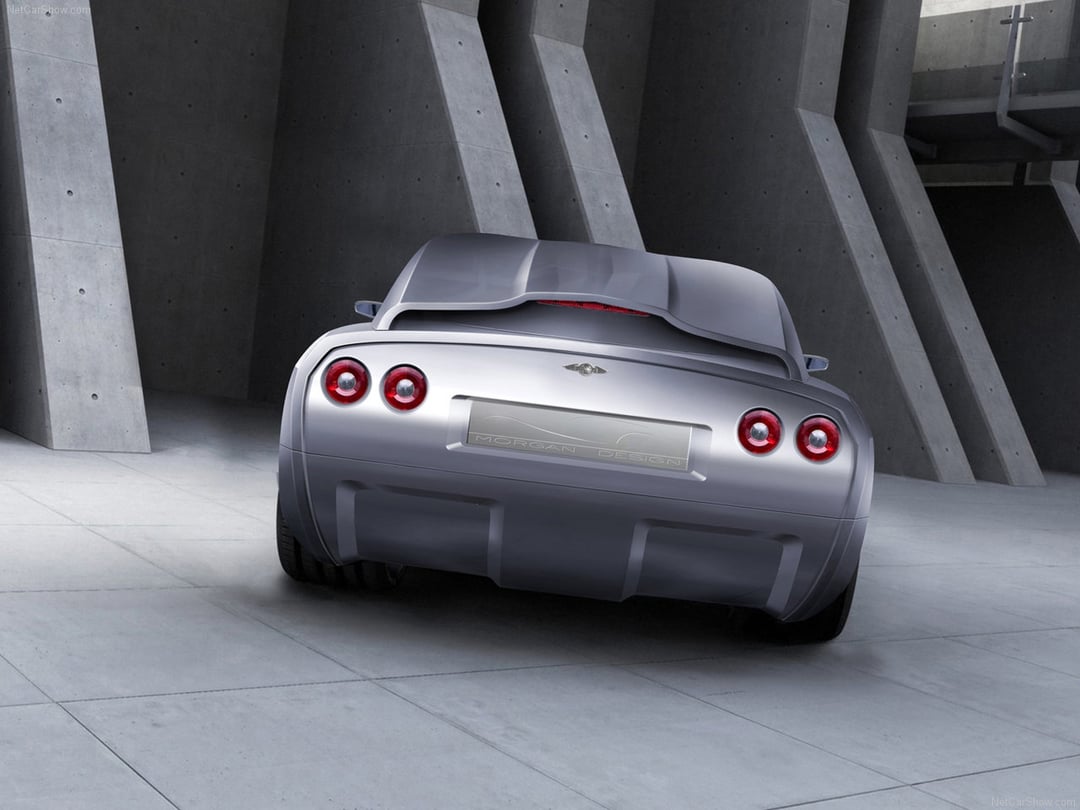
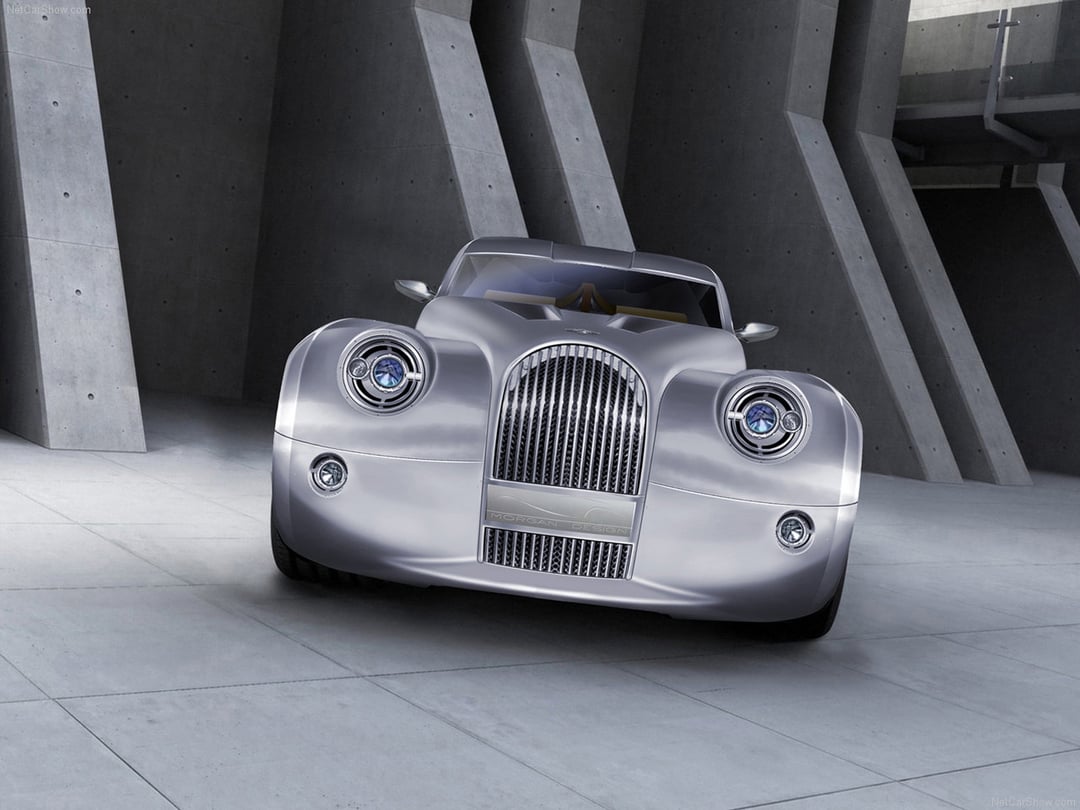
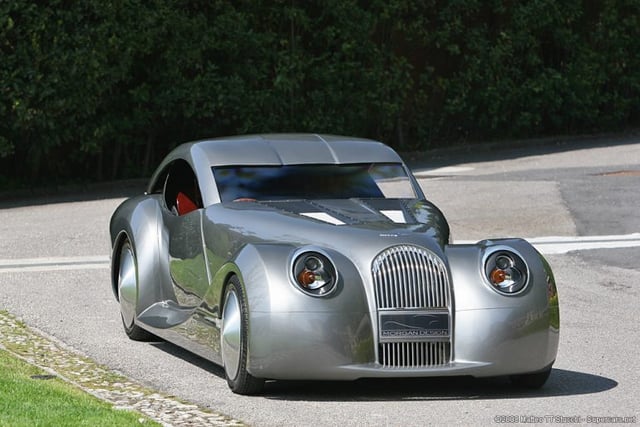
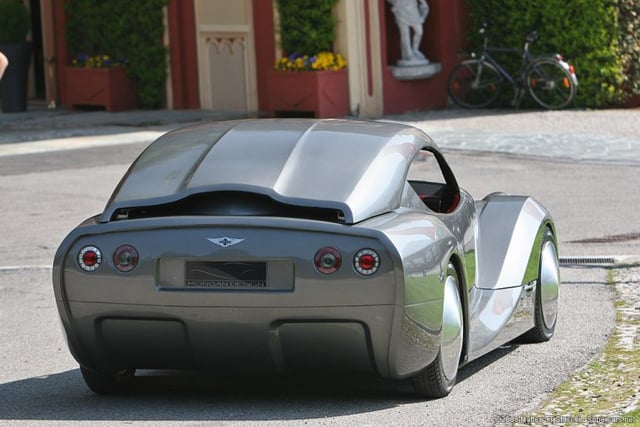
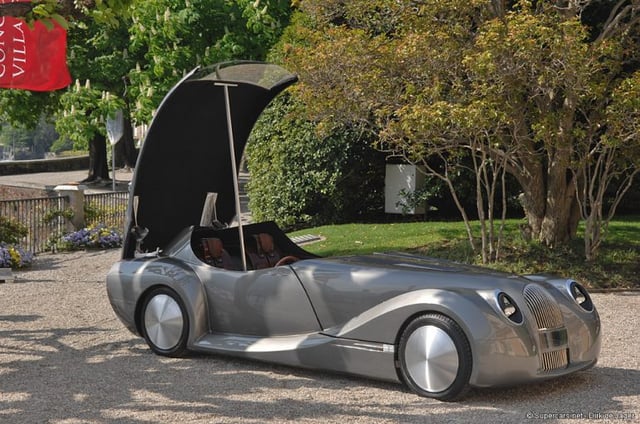
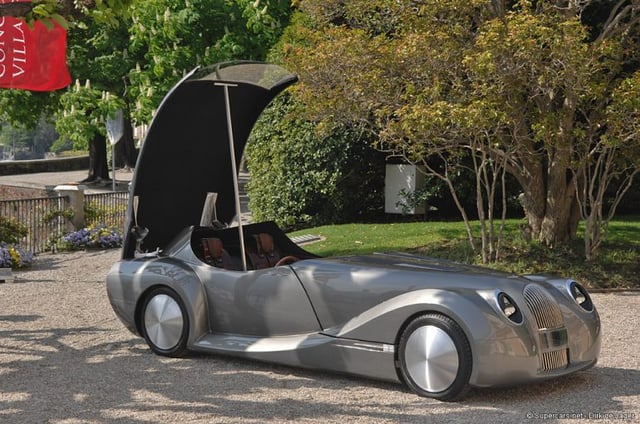
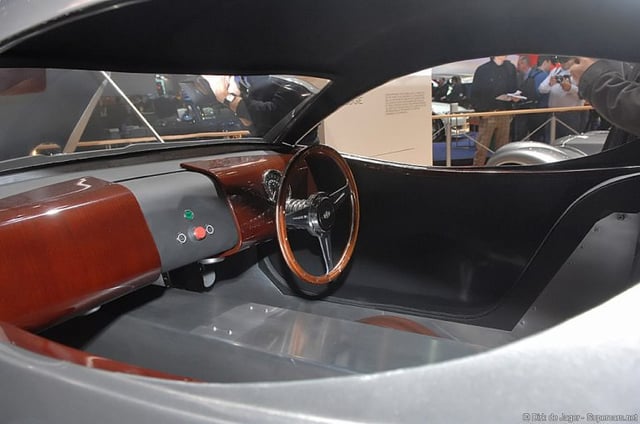
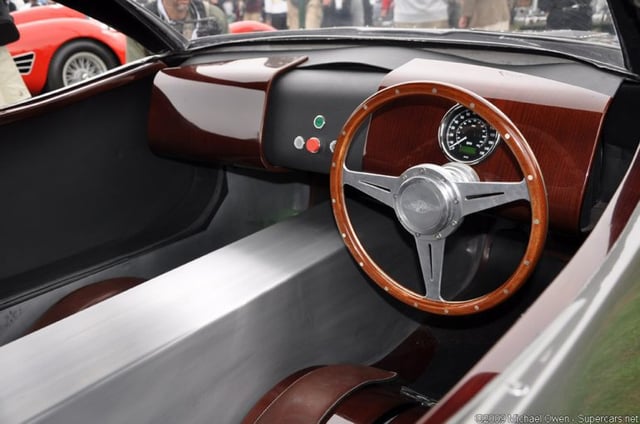
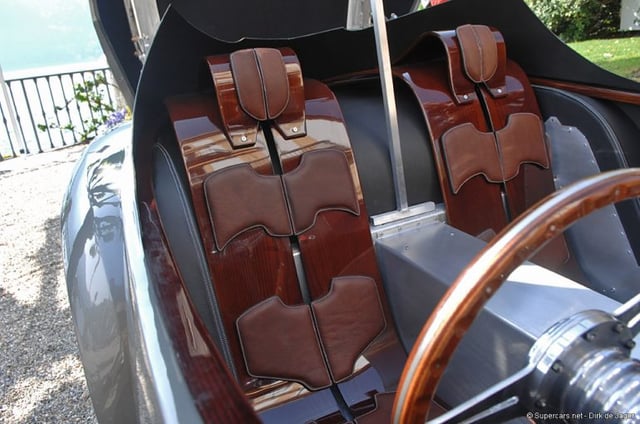
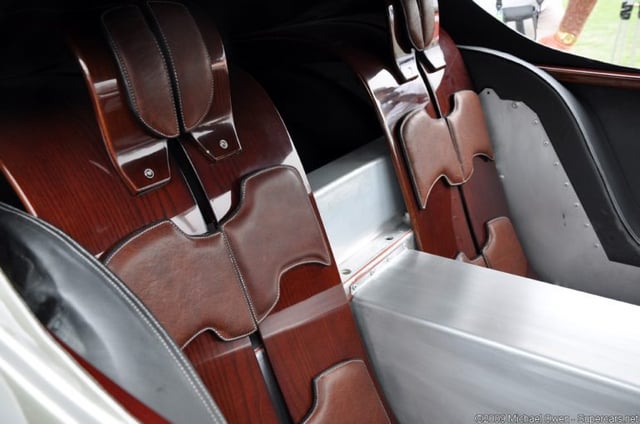
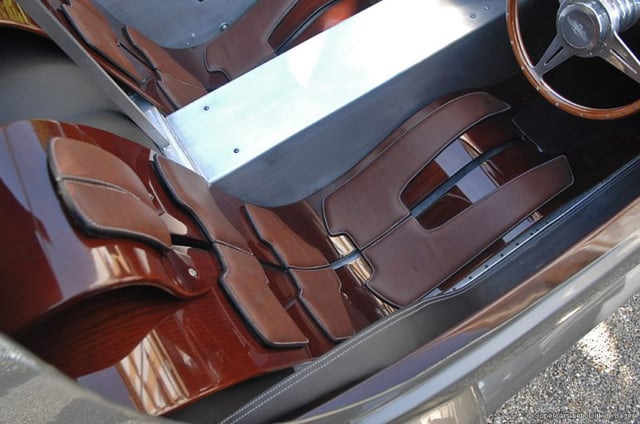
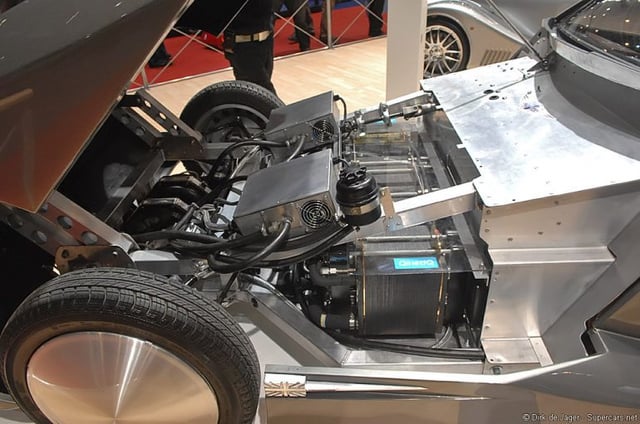
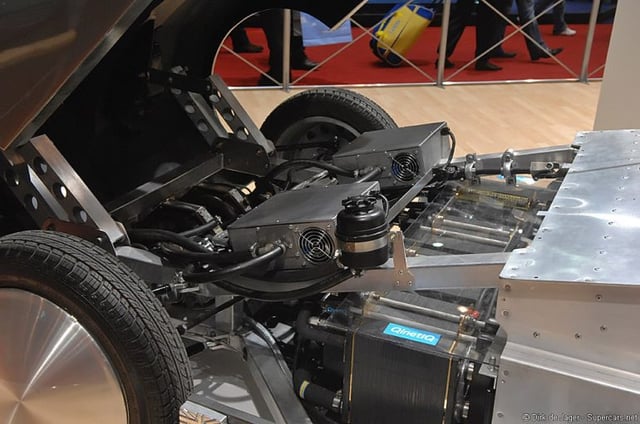
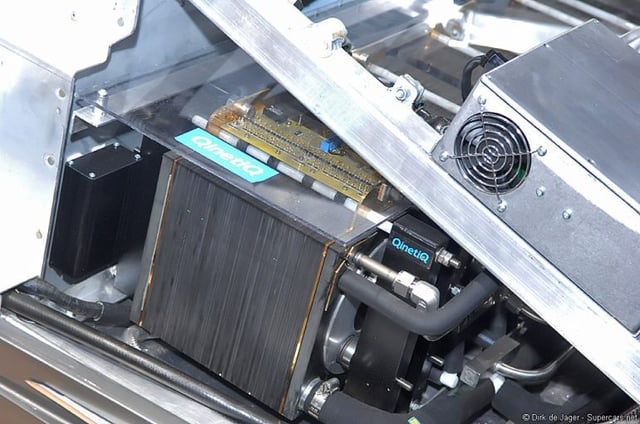
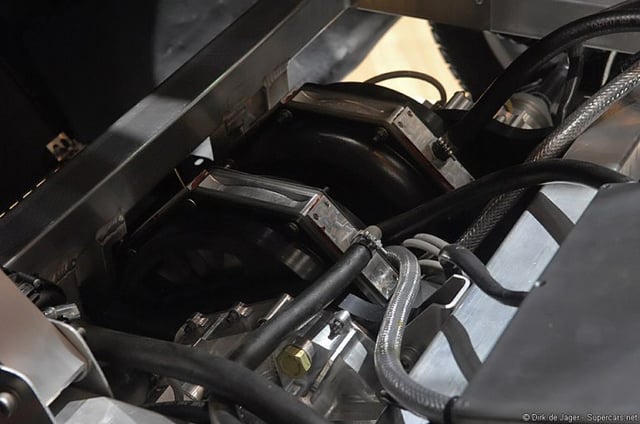
Instead of a traditional internal combustion engine, the LIFEcar used a fuel cell to convert hydrogen into electricity.
It featured four separate electric motors, one located in each wheel, providing specialized power distribution.
The car utilized regenerative braking and ultra-capacitors to store energy during deceleration, which could then be released for quick bursts of acceleration.
The prototype was built upon a modified version of the Morgan Aero 8 aluminum chassis, maintaining Morgan's signature retro-modern aesthetic.
It aimed for a range of approximately 200 miles on a single tank of hydrogen while remaining lightweight to maximize efficiency.
The project was a collaborative effort involving several British partners, including Oscar Faber, Cranfield University, QinetiQ, and Oxford University, supported by funding from the UK Department of Trade and Industry.
While it remained a prototype and never entered full production, it served as a significant research platform for future electric and alternative-fuel development at Morgan.
by Venkie2Maybach
![Audi RS5 B8.5 [4672x7008]](https://www.evshift.com/wp-content/uploads/2026/04/hggkkj6sv7vg1-770x515.jpeg "Audi RS5 B8.5 [4672×7008]")
![[Ferrari California] in Dunwoody](https://www.evshift.com/wp-content/uploads/2026/04/3kq9c8act7vg1-770x515.jpeg "[Ferrari California] in Dunwoody")

![[Mercedes-Benz G-Class] in Atlanta, GA. I know for a fact that this specific car is driven by an actual billionaire.](https://www.evshift.com/wp-content/uploads/2026/04/um69gvuri7vg1-770x515.jpg "[Mercedes-Benz G-Class] in Atlanta, GA. I know for a fact that this specific car is driven by an actual billionaire.")