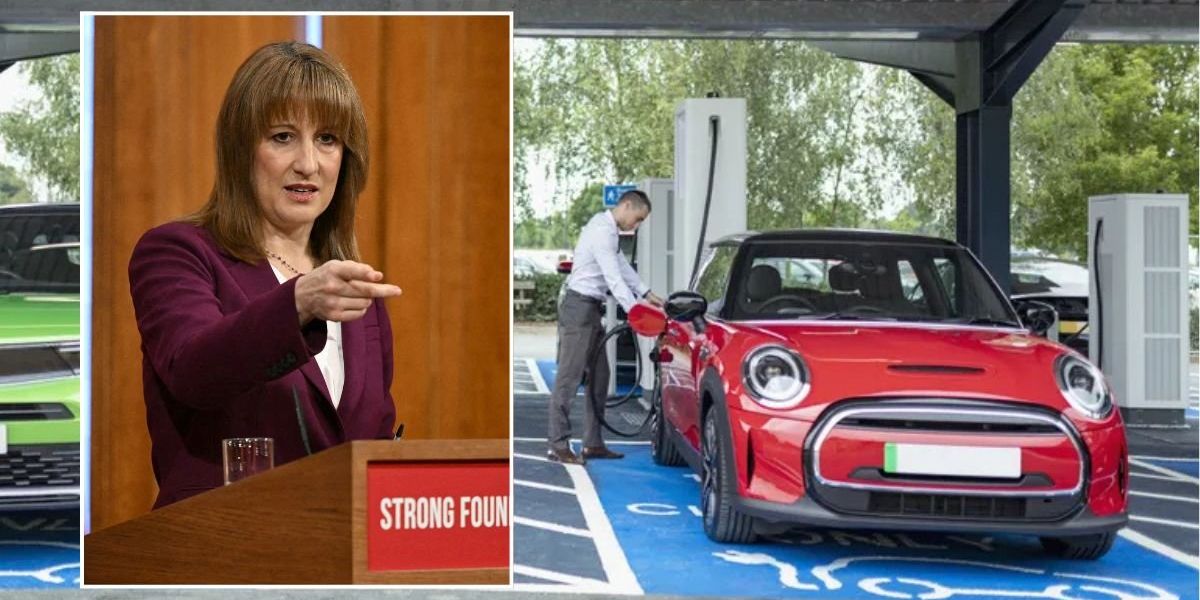
Rachel Reeves risks creating serious obstacles for motorists and fleet operators after new car taxes were introduced this month.
The new rules, which came into effect on April 1, represented a fundamental transformation in how the UK tax system treats EVs, according to PwC UK.
Dom Tribe, Auto Sector Leader and Partner at the consultancy group, warned that the new taxes mark a clear shift in how electric vehicles are treated within the UK tax system.
The introduction of Vehicle Excise Duty and Benefit-in-Kind rates also signals a shift away from incentivising EVs to normalising them.
He added that while these economic mechanisms might seem necessary, they “do leave some remaining speed bumps for drivers and fleet owners looking to make the switch to an EV”.
The gap between electric and internal combustion engine vehicle prices remains substantial, with battery-powered models costing approximately 15 per cent more than their petrol and diesel equivalents.
This pricing challenge is compounded by competition from lower-cost overseas manufacturers putting pressure on the British EV market.
However, the Government has taken steps to address this imbalance through adjustments to the Expensive Car Supplement, otherwise known as the luxury car tax.
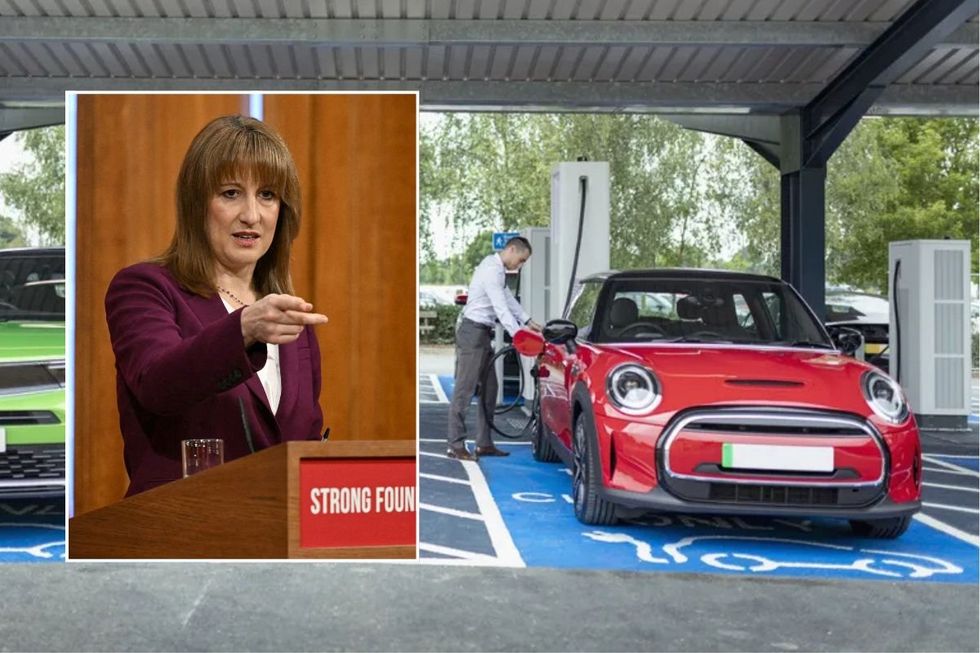
The new VED rates have fallen in line with inflation, impacting electric vehicle owners the most
| GETTY
For electric vehicles only, the threshold at which the additional rate applies has been raised from £40,000 to £50,000.
Mr Tribe noted this change “does take some steps to address this by improving the commercial viability of more models, recognising the price disparity”.
Under the new tax regime, drivers purchasing zero emission cars registered from April 2026 will pay just £10 for their first year’s VED rates, although this will rise to £200 in the second year.
Drivers buying electric cars with a list price exceeding £50,000 face an additional charge of £440 per year for five years from the start of their second licence, bringing their total annual bill to £640.
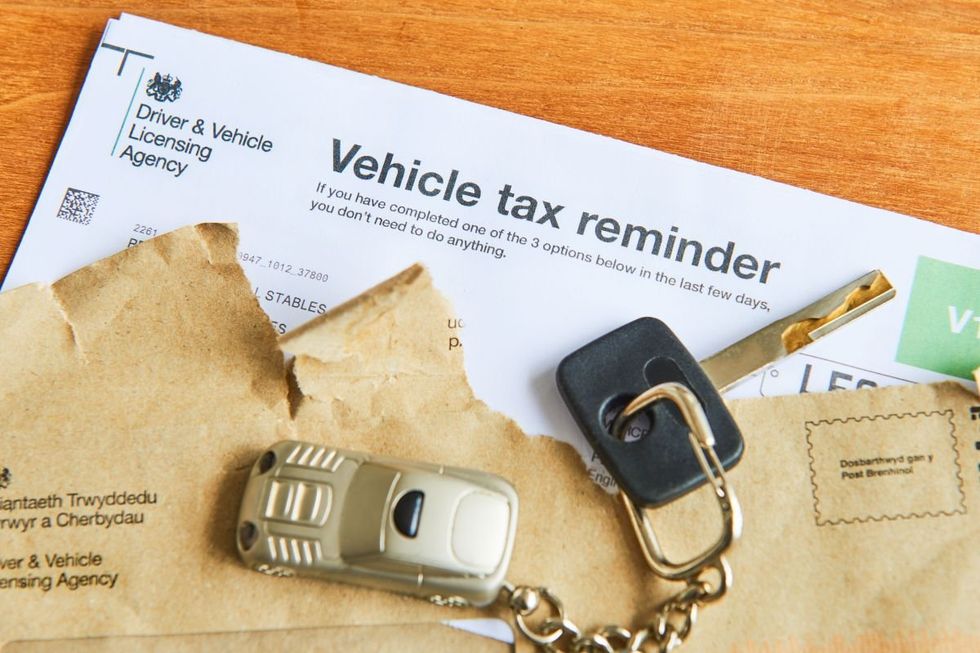
The new rates make it more expensive to buy an electric vehicle
| GETTY
Zero emission vehicles now attract a four per cent BiK charge for the 2026 to 2027 tax year, up from three per cent the previous year.
Mr Tribe warned that the combination of increased complexity and higher running costs arrives at a particularly challenging moment, with EV uptake rates already slowing and showing uneven patterns across the market.
External factors could also worsen these difficulties, with ongoing instability in the Middle East exposing the UK to global energy market fluctuations and creating knock-on effects throughout supply chains.
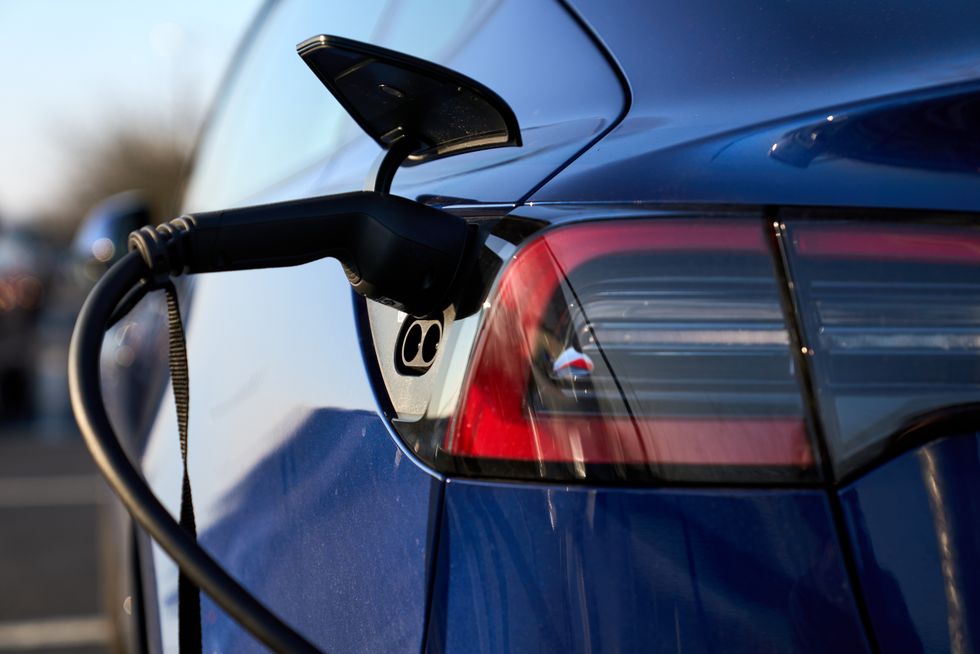 The Chancellor introduced new car tax measures at the Autumn Budget, impacting EV owners | PA
Looking to the future, Mr Tribe highlighted that declining fuel duty revenues, as more drivers switch to electric vehicles, will force the Government to find alternative income sources.
Pay-per-mile charging is also set to come into force in 2028, with its structure proving crucial in determining whether EVs remain financially viable for motorists and businesses.
For the electric vehicle transition to remain on course, Mr Tribe emphasised that Government policy must offer stability and fairness.
He stressed that particular attention should be paid to those most sensitive to cost increases, specifically owners of smaller, more affordable vehicles and commercial operators.