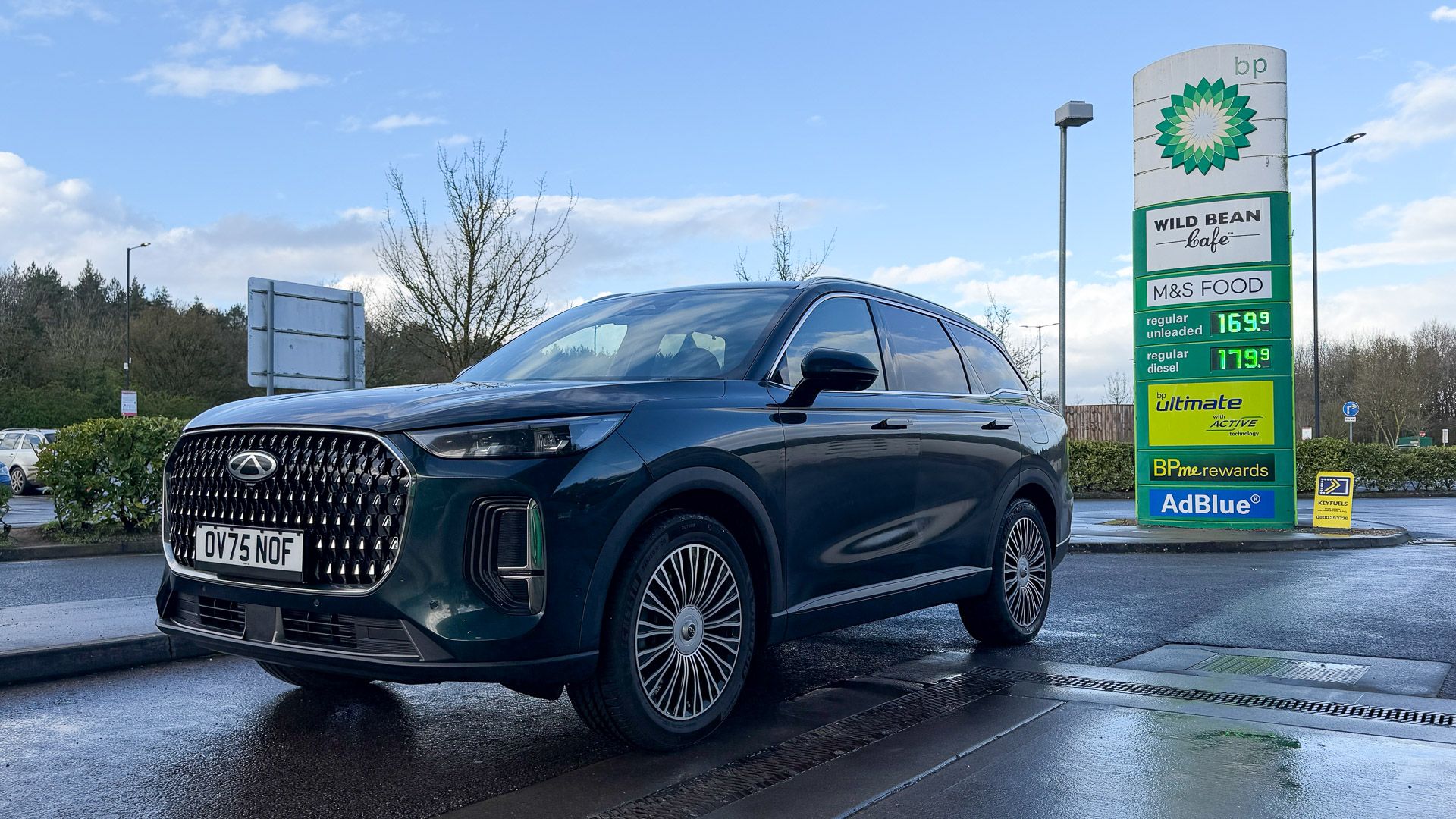
In the UK, Chinese car manufacturer Chery is perhaps better known for its sub-brands, Omoda and Jaecoo, than anything else, but that could be about to change. The Chery Tiggo 9 is a seven-seater super-hybrid and has a lot of surprises up its sleeve that could make it one of the best-selling models in the wider range.
I tested the Omoda 9 last year, and was really impressed with just how much car you get for the money. The Chery Tiggo 9 is cheaper than the Omoda, and crucially, offers more space for passengers.
Like the Omoda 9, the Chery Tiggo 9 is a plug-in hybrid model, combining a relatively small petrol engine with a generous battery. It’s not quite a range extender situation, where the battery merely tops up the battery, but it’s more balanced than many plug-in hybrids on the market, which are more engine-driven, with a token battery for very short trips.
Article continues below
You may like
(Image credit: Future)
Price and options
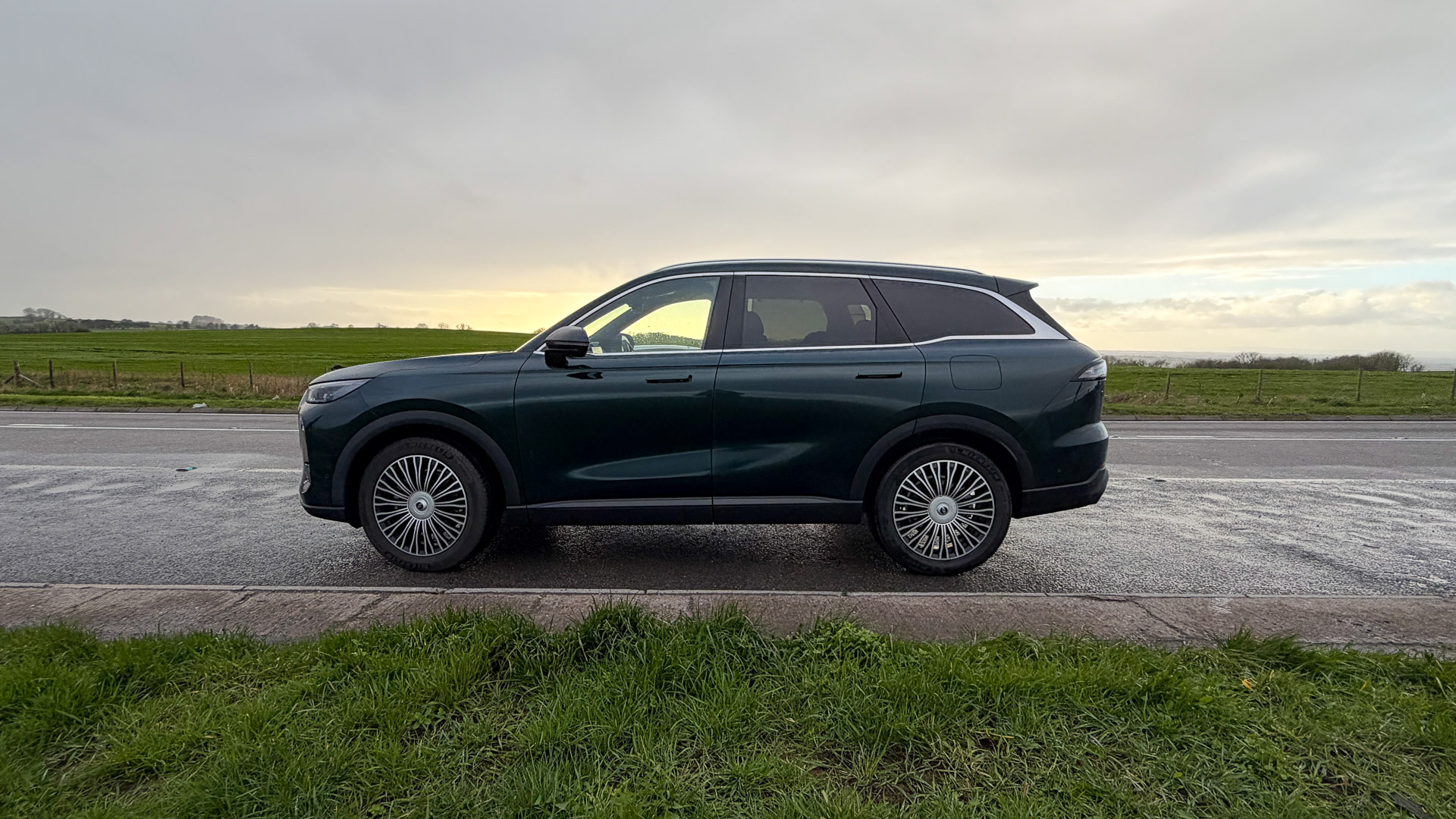
The Chery Tiggo starts from £43,105 ($57,800) on the road. As standard, it comes in an Arctic white mist finish, though black, grey, forest green or a special matte grey called nightfall ice grey, are available for a cost. There are no other options on the car, everything comes as standard, including the ADAS features, LED headlights and the head-up display.
(Image credit: Future)
Design and build
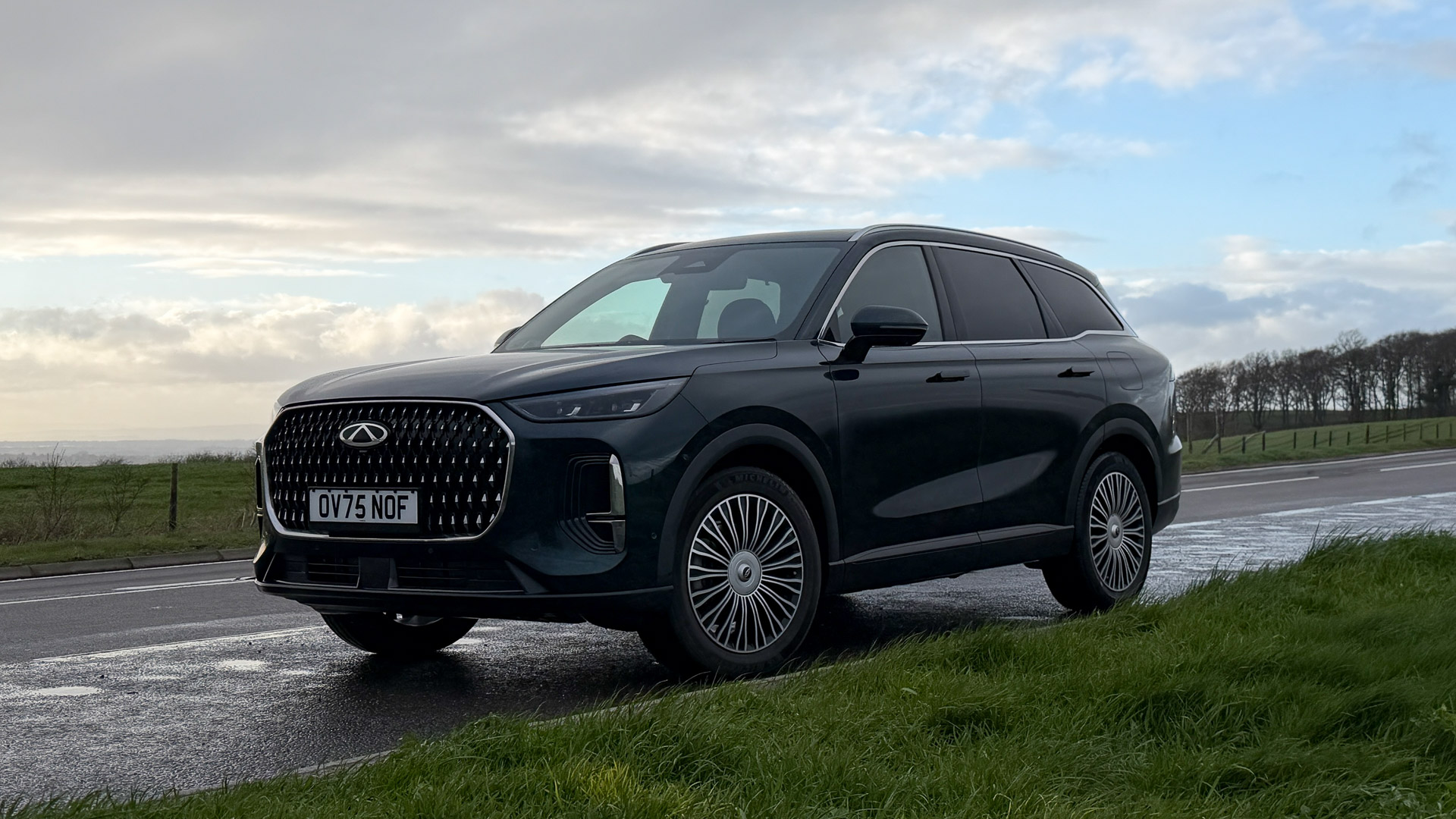
There’s a certain grandness to the design of the Tiggo 9. The car is tall with a sheer front grill, which is reminiscent of a Lexus or a Bentley. Though it has flush door handles, 20-inch wheels and LED headlights, the design doesn’t look as modern as the Omoda 9. This feels like a more traditional SUV, at least on the outside.
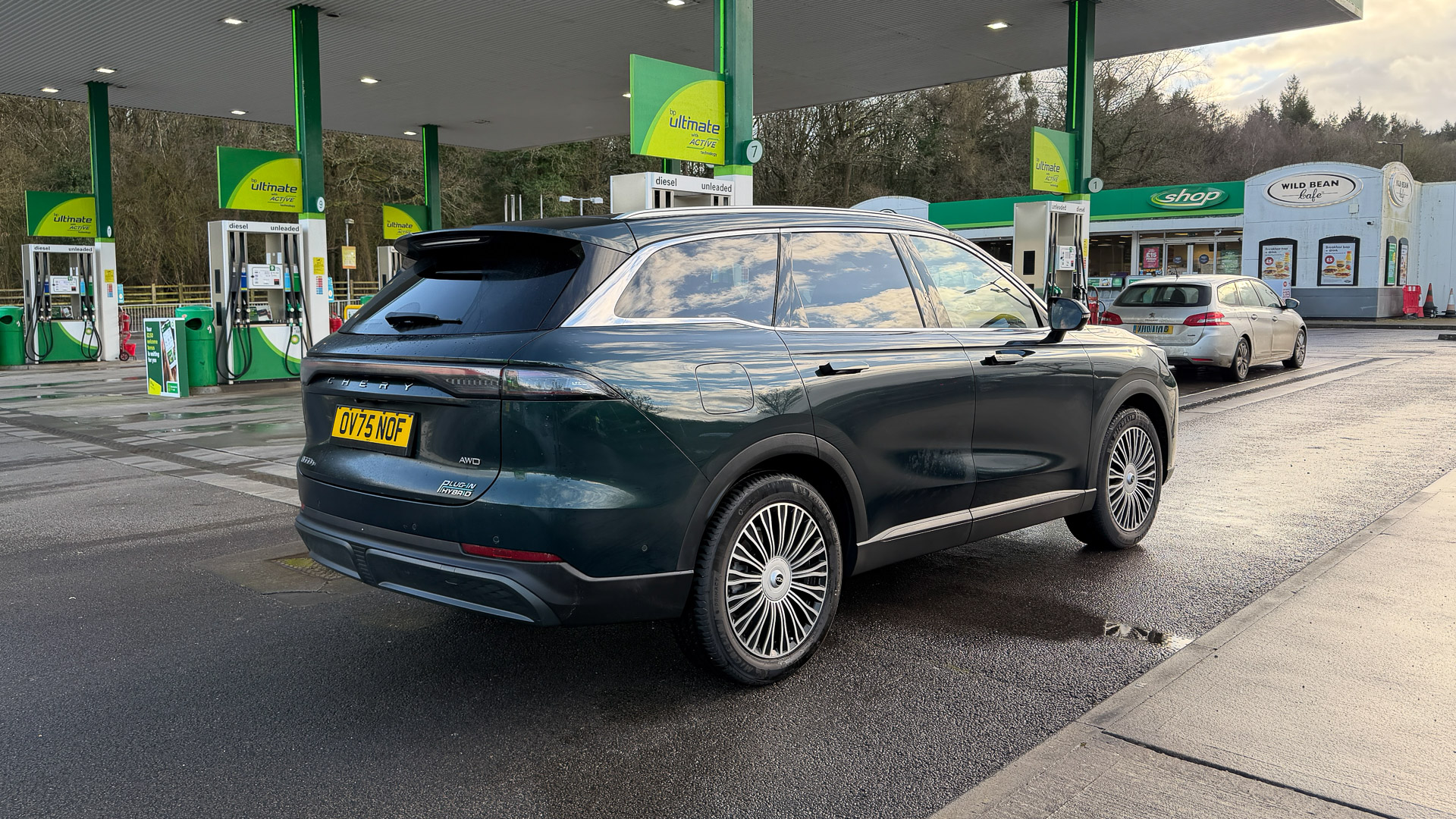
I was driving the forest green model, which, under wet British conditions, looked almost black. Only when the occasional sun hit the paintwork did the green tone start to shine.
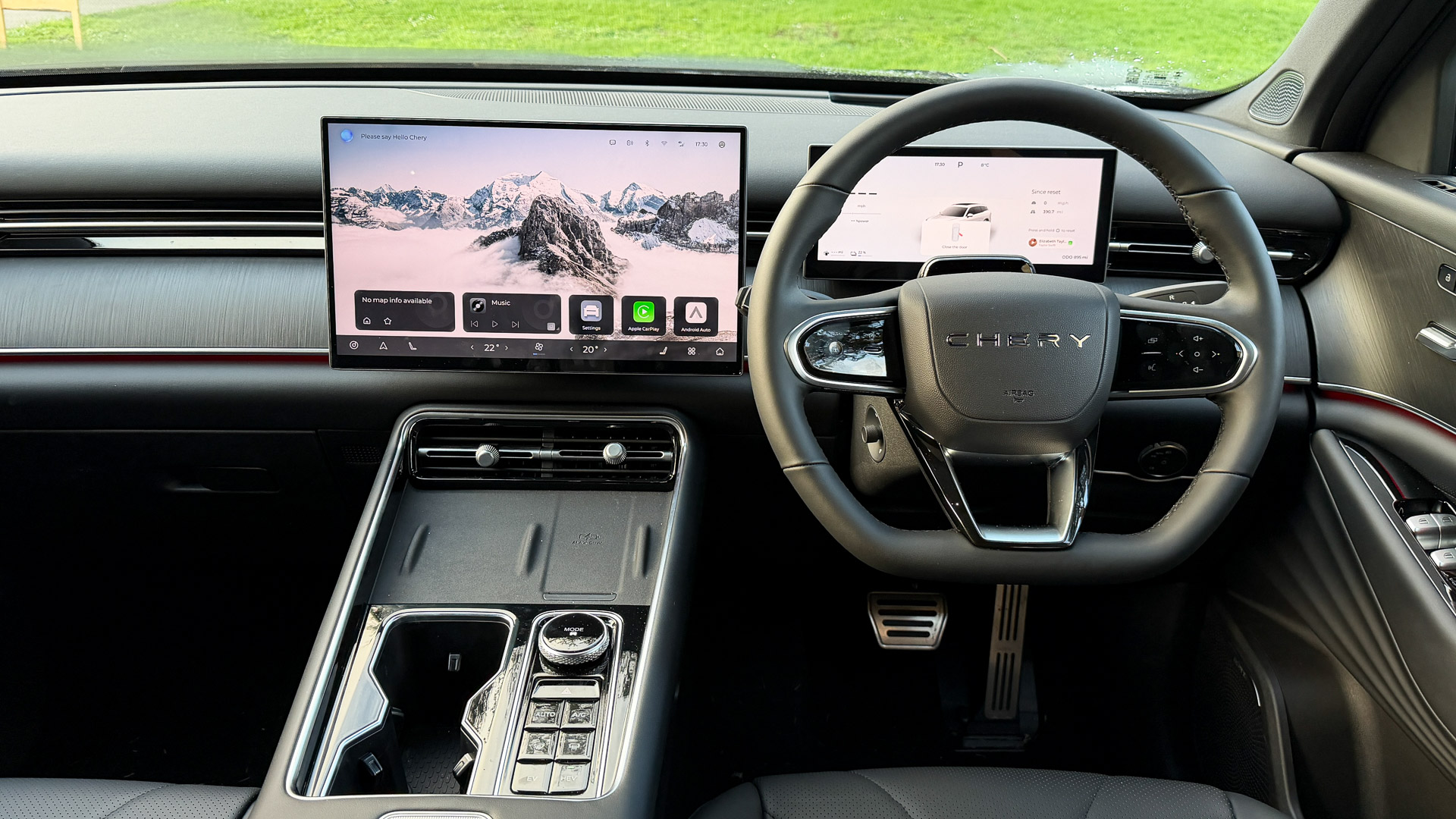
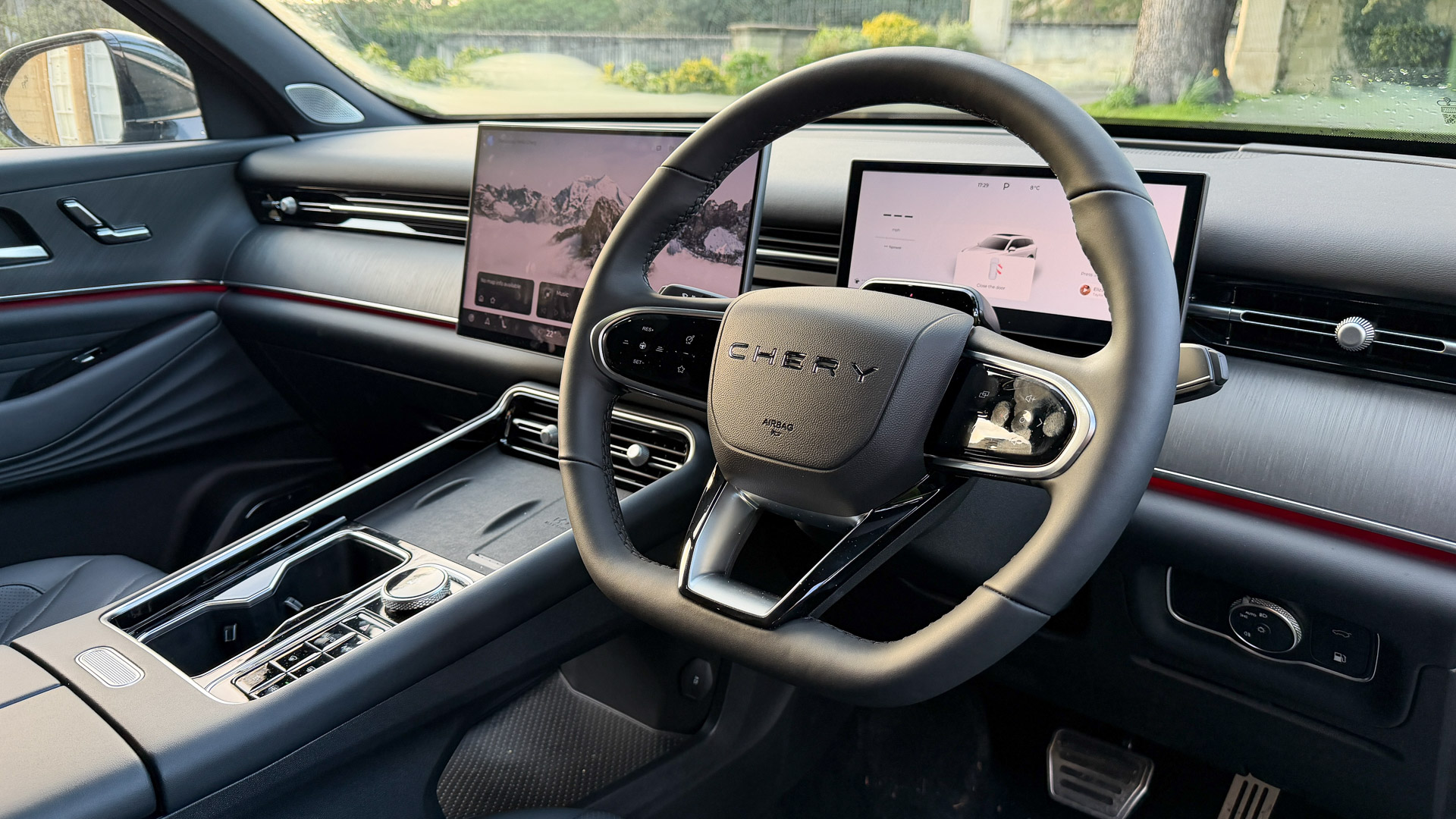
Inside the car, the experience is fairly familiar. There’s a generous 15.6-inch 2.5k touchscreen in the centre and a 10.25-inch display behind the steering wheel for the driver. The seats are synthetic leather, but look smart and are very comfortable. Plus, there are electric adjustments, heating, ventilation, and massage functions for both the driver and front passenger.
(Image credit: Future)
The steering wheel is genuine leather, with a heated function available for those cold UK mornings. It also houses touch-style buttons for the cruise control on the left and the media controls on the right – including a voice assistant prompt and the ability to switch the driver display between modes.
What to read next
The dash and fittings, unfortunately, feel plastic in their finish, from the air vents to the door panels, with a lot of piano black plastic on display. This brings the car back down to earth a little in what is otherwise a very premium spec.
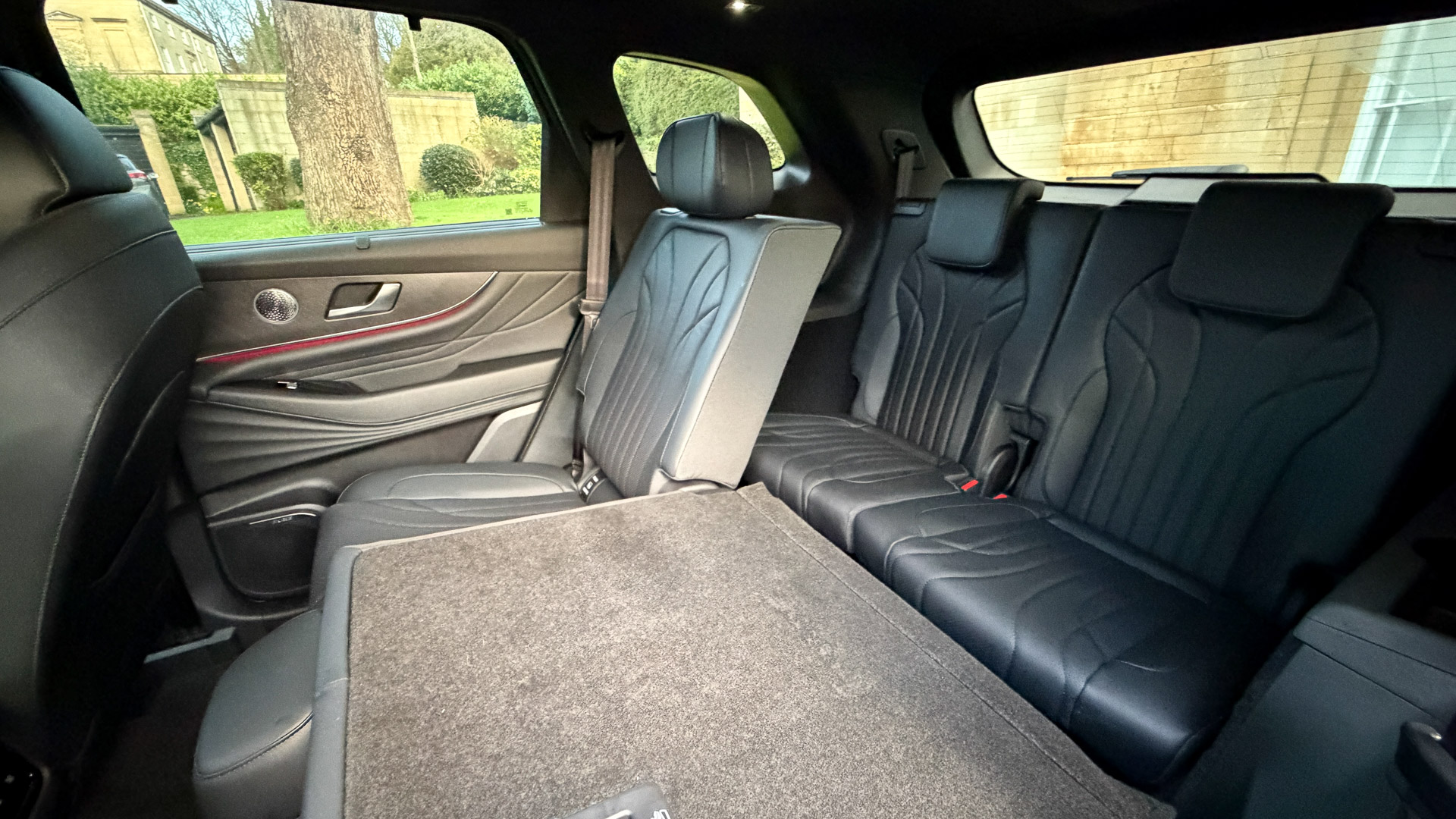
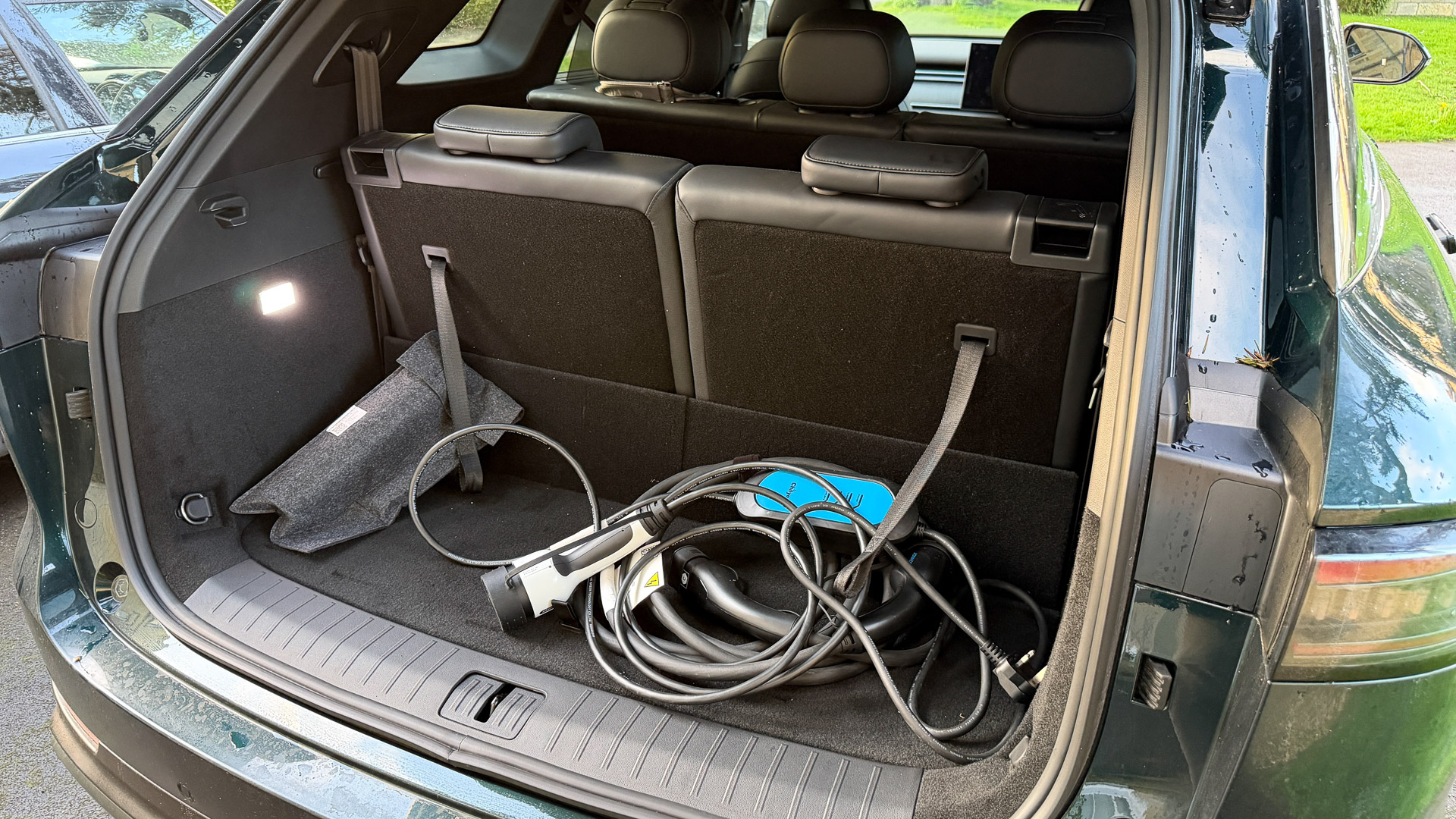
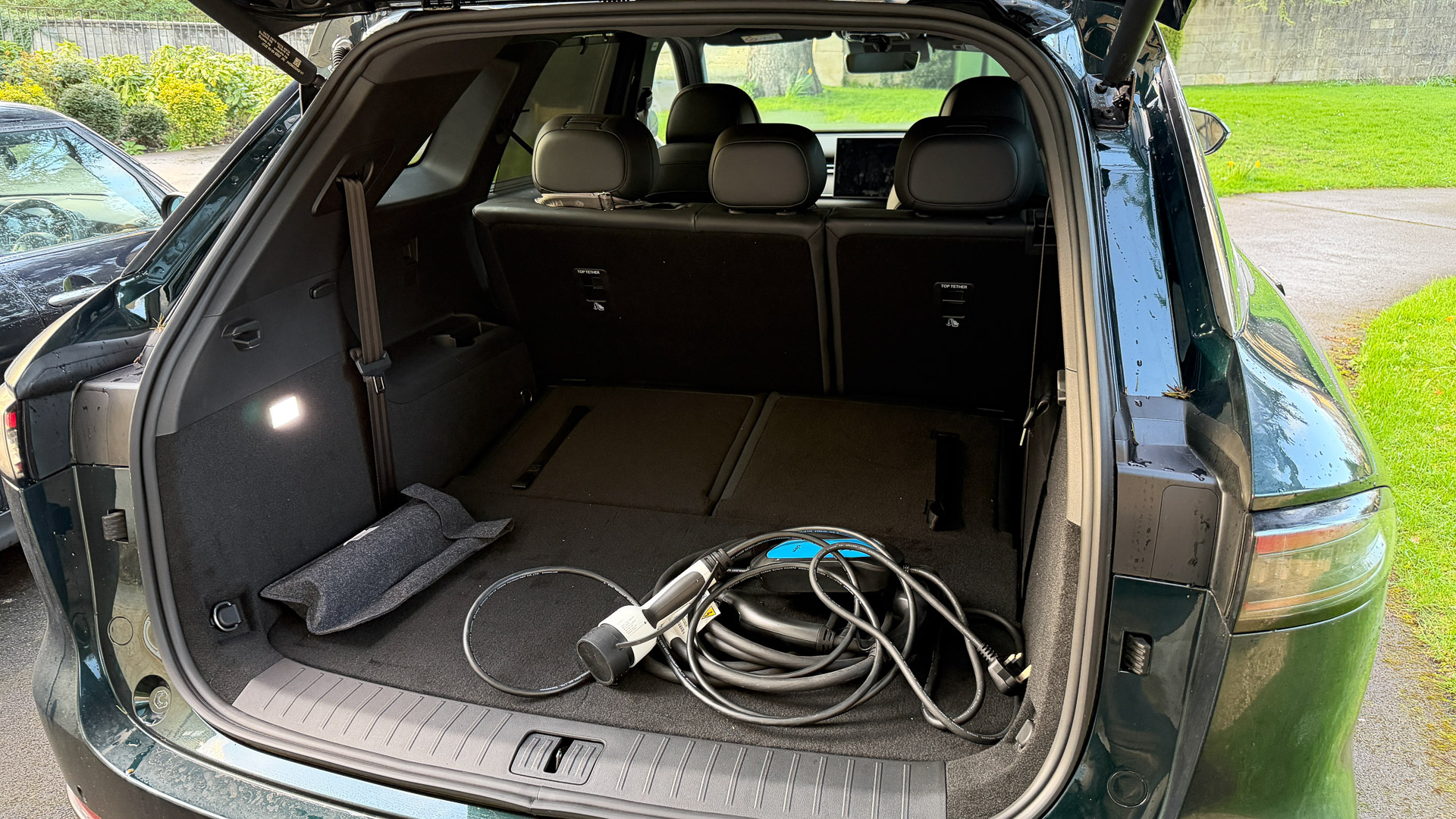
One of the selling points of this model is, of course, the third row of seats, which fold up from the boot space, reducing it from 819 litres to just 143 litres. These are small seats all the same, and don’t have a huge amount of leg room, unless you move the second row all the way forward. It’s best designed for a couple of children rather than two extra adults.
(Image credit: Future)
Tech and driving assistance
For a mid-priced SUV with no options, the Tiggo 9 is exceptionally well-specced. Aside from the large centre screen, decent-sized driver display and head-up display, the car comes with a 14-speaker Sony audio system that delivers a good amount of power and strong bass.
The system connects to CarPlay or Android Auto on your phone wirelessly, and there’s a wireless charging pad to deliver up to 50W of charging power. The personal assistant responds to a “Hey Chery” command and can perform a series of vehicle-related tasks, from opening the sunroof to setting the AC and even placing a phone call.
The infotainment runs on a Qualcomm 8155 chip and includes mapping and some nice-looking moving screensavers and graphics. The menu system still feels a little complex in places, and you have to dig to find those essential functions – such as the one to turn off the warning beeps for speed limits and the side mirror adjustments.
There are very few physical buttons in the car, which does keep the design clean but also makes it more complex to find while driving. Though the voice assistant does help with this, I found it sometimes struggled to understand what I wanted and left me digging back through the menus.
(Image credit: Future)
Cameras placed subtly around the car provide not only a top-down view for reversing, but also 3D rear- or three-quarter-angle views that you can rotate through to see the car from just about any position.
The adaptive cruise control makes use of 12 ultrasonic radar sensors in addition to the cameras. The system feels capable but a little dated, with a slow response to acceleration when the path clears. There’s also no lane centring tech here to adjust the steering, just a standard lane centring assist to warn you when you veer off track.
Interestingly, there are a series of terrain modes available in the Chery Tiggo, including snow, sand and off-road drive modes. This makes use of the traction control system and can also employ the hill and downhill assist modes.
(Image credit: Future)
Driving and charging
Chery claims its Super Hybrid system is on par with a 3.0-litre turbo petrol engine, and it certainly shifts. It will do 0-62mph in just 5.4 seconds – that’s not quite as fast as the Omoda 9 at 4.9 seconds, but it’s still very quick for such a massive SUV.
It’s a pleasant enough drive, both on motorways and around town. It doesn’t have much of a sporty feel – even when in sport mode – but nor does it wallow around like some old SUVs. It’s a smooth ride, and though it lacks air suspension, it’s got a decent amount of control.
The hybrid system gives you a few options as to how you drive. In the hybrid setting, the car will determine the best use of the battery and engine for the conditions. Then, when the battery reaches around 20%, it will automatically conserve it and use just the engine – though you can change the settings to use all of the battery in the menu. Alternatively, you can use the EV mode to only drive on electric power.
(Image credit: Future)
With such a big battery on the Tiggo 9, you can easily use electric power for most of your weekly runarounds, and with an 89-mile range, still only charge once a week. Then you can save the hybrid driving for the longer journeys.
As for that petrol engine, fill that 70-litre tank just once, and you’ll be getting close to 650 miles out of it. That’s around 43 miles per gallon. And if you use electric power for more of your journeys, that figure will be even higher. Realistically, you could go for months without visiting the petrol station with the Tiggo 9 – until you need to make a trip longer than about 60 miles.
The other good thing about the battery in this car is that it charges at up to 71kW on DC chargers, so you can top up from 30-80% in as little as 18 mins while at the service station. To get the most out of this car, though, a home charger is preferable, as you can just stick it back on charge each time you park up and always set off fully charged in the morning.
(Image credit: Future)
Final thoughts
Chery offers a range of Super Hybrid SUV models across its brands, but the Tiggo 9 is currently the only 7-seater. If you need those extra seats, this is definitely the model to go with. If a plug-in hybrid is what you’re looking for right now, it’s tough to beat the specs of this car without spending a lot more.
While I preferred the styling of the Omoda 9, the Chery Tiggo has a more classic look that will appeal to some users. It’s a lot of car for the money, and I suspect we’ll be seeing a lot more of them on the roads very soon.
Today’s best EV Chargers deals