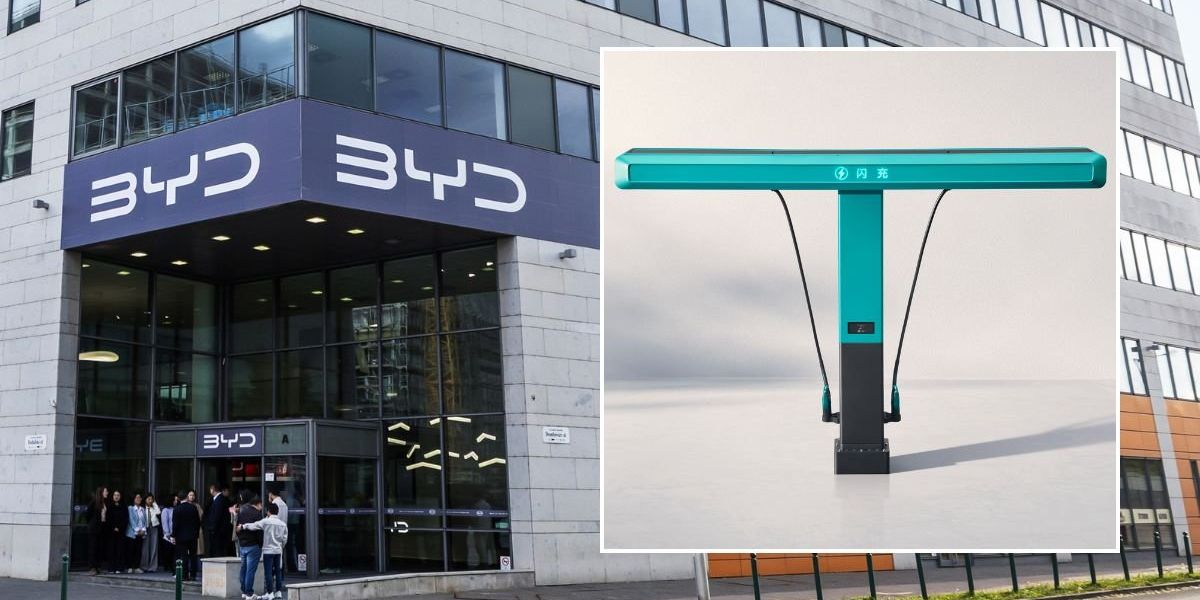
One in three drivers believes five-minute electric car charging will become the norm within the next decade, according to new research.
Data shows that drivers are expecting major changes in car technology by 2035, with faster charging, smarter safety systems and self-diagnosing vehicles high on the list.
The research, carried out by BYD, found that 34 per cent of drivers think electric vehicles will be able to charge in just five minutes within the next 10 years.
At the same time, nearly half (49 per cent) of drivers expect cars to be able to spot faults and warn drivers before they break down.
Other popular expectations include improved safety features, with 47 per cent saying cars should be able to detect hazards earlier, and 35 per cent wanting better manoeuvrability to handle tight parking spaces.
Meanwhile, one-third of drivers detailed how they believe cars could soon be able to find and pay for parking automatically.
More than half of EV and plug-in hybrid drivers believe five-minute charging will become standard over the coming years.
Steve Beattie, deputy country manager of BYD UK, said the technology is already on the way and could soon be the norm for UK roads.
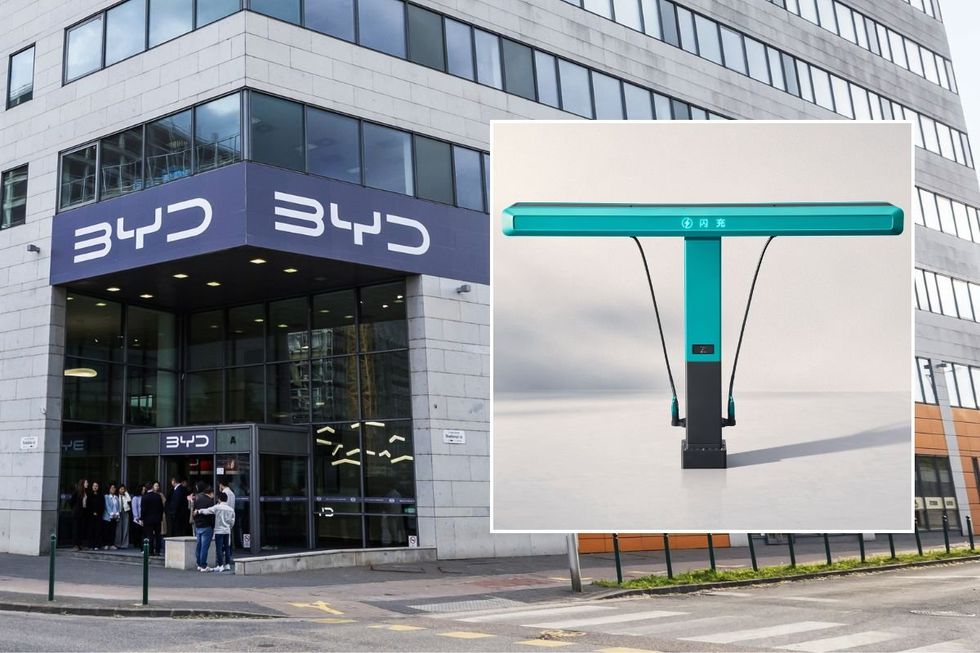
Drivers expect electric car chargers to improve, charging vehicles within five minutes by 2035
| BYD
He said: “More than half of EV and PHEV owners believe that five-minute charging will become a standard feature in everyday cars by 2035.
“Our Flash Charging tech makes that possible, charging BYD’s latest Blade Battery 2.0 from 10 to 70 per cent in that timeframe.”
The research also suggested that drivers are becoming more interested in cars that can think for themselves. Among those aged 18 to 24, nearly six in 10 expect cars to diagnose their own problems before anything goes wrong.
This rises even further among plug-in hybrid drivers, with 71 per cent expecting self-diagnosing vehicles to become common.
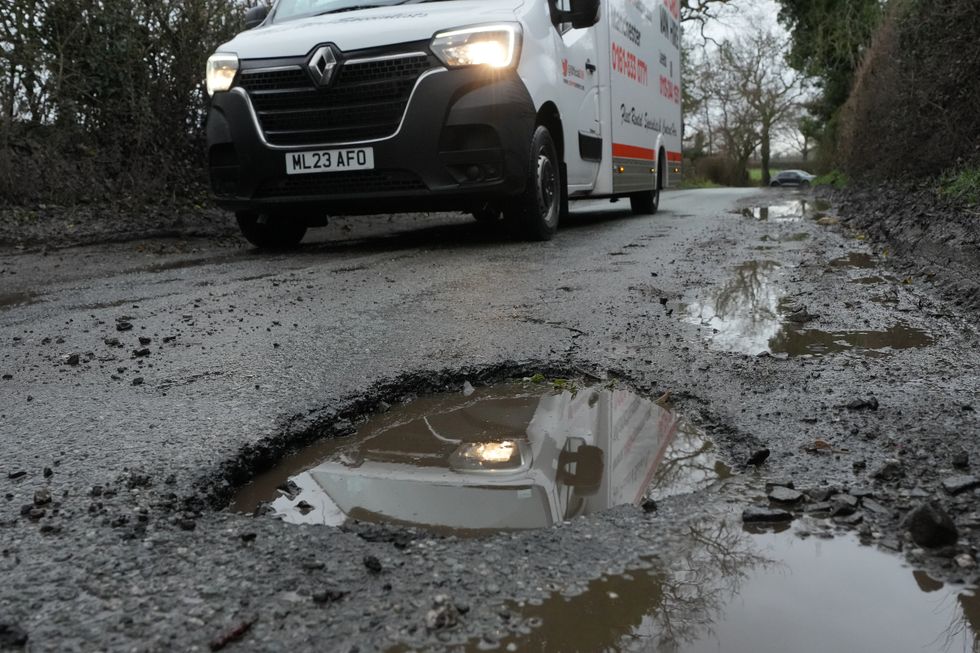
The survey found that drivers want vehicles to be able to detect potholes and manoeuvre around them automatically
| GETTY
Younger drivers were also found to be more interested in advanced safety features, including cars that can detect dangers earlier and even avoid hazards such as potholes.
Overall, 14 per cent of drivers said they would like cars to be equipped to dodge potholes to improve comfort on the road.
Some manufacturers are already testing these kinds of features, with high-end models demonstrating advanced suspension systems that can handle rough roads more smoothly.
Drivers are also looking for solutions to everyday problems, such as flooding, with 13 per cent expecting flood-resistant vehicles to become available in nine years.
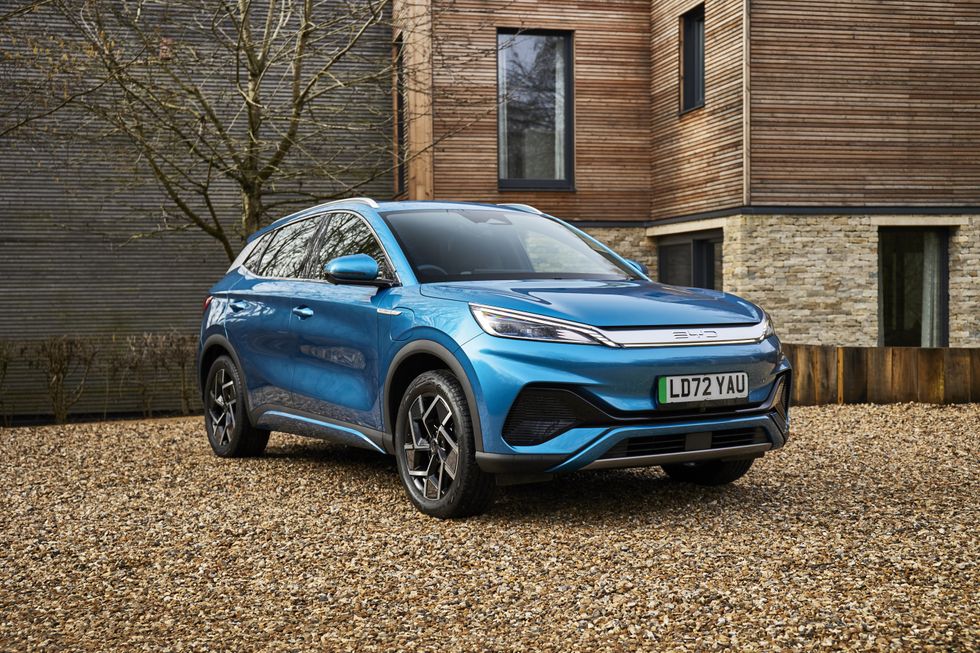 BYD is already one of the best-selling brands in the UK | BYD
Mr Beattie said the gap between futuristic ideas and real-world technology is closing quickly.
He added: “Drivers want intelligent vehicles that make their lives easier, and future car technology should reduce stress and even become more than just ‘nice-to-have’.
“Our research shows that common desires from the public expectations, like pothole-avoiding cars, and even seemingly far-fetched features like amphibious capabilities, are not as far off as you might think.”