Apr 12, 2026
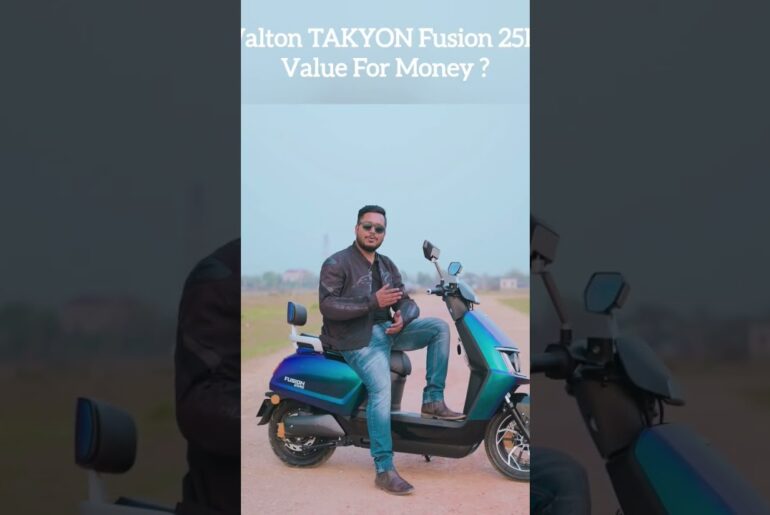
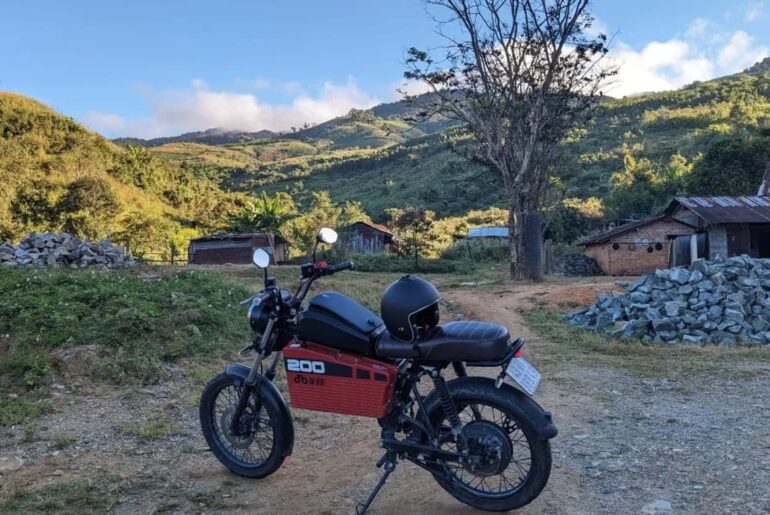
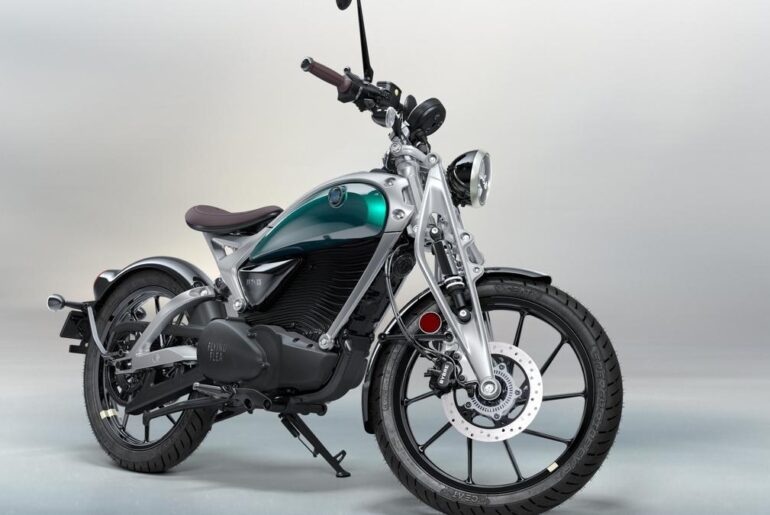
According to a report from Yahoo Finance, VinFast Auto is refocusing its strategy on regional markets, with a particular emphasis on India’s substantial two-wheeler sector. The electric vehicle manufacturer has confirmed plans to introduce three electric scooter models to the Indian market.
The initial approach involves shipping units as kits for local assembly at the company’s facility in Tamil Nadu. Future intentions include more localized production and full manufacturing within India. This move represents a significant strategic shift for the company, targeting a high-volume market where scooters serve as essential daily transport and demand for electric options is growing.
This pivot follows the company’s difficulties in establishing a presence in the United States market. VinFast is now concentrating its expansion efforts on emerging markets, including those in Southeast Asia, where government support for electrification exists. The company had previously transitioned to exclusively producing electric vehicles.
However, the economics of the electric scooter business differ from automotive manufacturing, typically featuring higher margins but lower total profit per unit compared to a sedan. Consequently, achieving substantial scale quickly is critical for this segment to significantly impact VinFast’s finances. While the Indian market offers scale potential, the company will compete against established rivals with large market shares.
Interactive table based on the Store Companies dataset for this report.
Sort: Rank
Sort: Company A-Z
Sort: Headquarters A-Z
#
Company
Headquarters
Focus
Scale
Note
1
Hero MotoCorp
New Delhi
Motorcycles, Scooters
Market Leader
World’s largest two-wheeler manufacturer
2
Bajaj Auto
Pune
Motorcycles, Three-wheelers
Global Major
Exports leader, owns KTM stake
3
TVS Motor Company
Chennai
Motorcycles, Scooters
Large
Premium & racing focus, owns Norton
4
Royal Enfield (Eicher Motors)
Chennai
Mid-size Motorcycles
Large
Global leader in 350-650cc segment
5
Honda Motorcycle & Scooter India
Gurgaon
Scooters, Motorcycles
Very Large
Subsidiary of Honda Japan
6
Suzuki Motorcycle India
Gurgaon
Motorcycles, Scooters
Large
Subsidiary of Suzuki Japan
7
Yamaha Motor India
Chennai
Motorcycles, Scooters
Large
Subsidiary of Yamaha Japan
8
Mahindra Two Wheelers
Mumbai
Motorcycles, Scooters
Medium
Includes Jawa, Yezdi brands
9
Piaggio Vehicles
Pune
Scooters, Three-wheelers
Medium
Subsidiary of Piaggio Italy
10
Classic Legends
Mumbai
Classic Motorcycles
Medium
Owns Jawa, Yezdi, BSA brands
11
Atul Auto
Rajkot
Three-wheelers
Medium
Specialized in cargo & passenger vehicles
12
Terra Motors
Bengaluru
Electric Two-wheelers
Medium
EV focus, also in Japan & Asia
13
Okinawa Autotech
Gurugram
Electric Scooters
Medium
High-speed electric two-wheelers
14
Ather Energy
Bengaluru
Electric Scooters
Medium
Premium electric scooter maker
15
Ampere Vehicles (Greaves Cotton)
Chennai
Electric Scooters
Medium
Mass-market electric two-wheelers
16
Hero Electric
New Delhi
Electric Two-wheelers
Medium
Pioneer in Indian electric scooters
17
Bajaj Chetak Technology
Pune
Electric Scooters
Medium
Revived Chetak brand as electric
18
TVS Electric
Chennai
Electric Two-wheelers
Medium
EV division of TVS Motor
19
Revolt Motors
Gurugram
Electric Motorcycles
Medium
AI-enabled electric bikes
20
Kabira Mobility
Goa
Electric Two-wheelers
Small
Performance electric scooters & bikes
21
BattRE Electric Mobility
Jaipur
Electric Scooters
Small
Affordable electric two-wheelers
22
Joy e-bike (Wardwizard)
Vadodara
Electric Two-wheelers
Small
Electric scooters & motorcycles
23
Komaki
New Delhi
Electric Two-wheelers
Small
Range of electric scooters & bikes
24
Lohia Auto
Kashipur
Electric Two-wheelers
Small
Electric scooters & three-wheelers
25
UM Motorcycles
Chennai
Cruiser Motorcycles
Small
American brand now Indian-owned
26
Rajesh Motors
New Delhi
Scooters, Motorcycles
Small
Also known for Raftaar brand
27
Jitendra New EV Tech
Ahmedabad
Electric Two-wheelers
Small
Divo, E-Trio electric brands
28
Techo Electra
Ahmedabad
Electric Scooters
Small
Emflux electric motorcycle brand
29
Odysse Electric
Mumbai
Electric Two-wheelers
Small
Premium electric scooters & bikes
30
Pure EV
Hyderabad
Electric Two-wheelers
Small
EPluto & ETrance models
This report provides a comprehensive view of the motorcycle and scooter industry in India, tracking demand, supply, and trade flows across the national value chain. It explains how demand across key channels and end-use segments shapes consumption patterns, while also mapping the role of input availability, production efficiency, and regulatory standards on supply.
Beyond headline metrics, the study benchmarks prices, margins, and trade routes so you can see where value is created and how it moves between domestic suppliers and international partners. The analysis is designed to support strategic planning, market entry, portfolio prioritization, and risk management in the motorcycle and scooter landscape in India.
Quick navigation
Key findings
Domestic demand is shaped by both household and industrial usage, with trade flows linking local supply to imports and exports.
Pricing dynamics reflect unit values, freight costs, exchange rates, and regulatory shifts that affect sourcing decisions.
Supply depends on input availability and production efficiency, creating a distinct national cost curve.
Market concentration varies by segment, creating different competitive landscapes and entry barriers.
The 2035 outlook highlights where capacity investment and demand growth are most aligned within the country.
Report scope
The report combines market sizing with trade intelligence and price analytics for India. It covers both historical performance and the forward outlook to 2035, allowing you to compare cycles, structural shifts, and policy impacts.
Market size and growth in value and volume terms
Consumption structure by end-use segments
Production capacity, output, and cost dynamics
Trade flows, exporters, importers, and balances
Price benchmarks, unit values, and margin signals
Competitive context and market entry conditions
Product coverageProdcom 30911200 – Motorcycles with reciprocating internal combustion piston engine > .50 cm.Country coverageCountry profile and benchmarks
This report provides a consistent view of market size, trade balance, prices, and per-capita indicators for India. The profile highlights demand structure and trade position, enabling benchmarking against regional and global peers.
Methodology
The analysis is built on a multi-source framework that combines official statistics, trade records, company disclosures, and expert validation. Data are standardized, reconciled, and cross-checked to ensure consistency across time series.
International trade data (exports, imports, and mirror statistics)
National production and consumption statistics
Company-level information from financial filings and public releases
Price series and unit value benchmarks
Analyst review, outlier checks, and time-series validation
All data are normalized to a common product definition and mapped to a consistent set of codes. This ensures that comparisons across time are aligned and actionable.
Forecasts to 2035
The forecast horizon extends to 2035 and is based on a structured model that links motorcycle and scooter demand and supply to macroeconomic indicators, trade patterns, and sector-specific drivers. The model captures both cyclical and structural factors and reflects known policy and technology shifts in India.
Historical baseline: 2012-2025
Forecast horizon: 2026-2035
Scenario-based sensitivity to income growth, substitution, and regulation
Capacity and investment outlook for major producing companies
Each projection is built from national historical patterns and the broader regional context, allowing the report to show where growth is concentrated and where risks are elevated.
Price analysis and trade dynamics
Prices are analyzed in detail, including export and import unit values, regional spreads, and changes in trade costs. The report highlights how seasonality, freight rates, exchange rates, and supply disruptions influence pricing and margins.
Price benchmarks by country and sub-region
Export and import unit value trends
Seasonality and calendar effects in trade flows
Price outlook to 2035 under baseline assumptions
Profiles of market participants
Key producers, exporters, and distributors are profiled with a focus on their operational scale, geographic footprint, product mix, and market positioning. This helps identify competitive pressure points, partnership opportunities, and routes to differentiation.
Business focus and production capabilities
Geographic reach and distribution networks
Cost structure and pricing strategy indicators
Compliance, certification, and sustainability context
How to use this report
Quantify domestic demand and identify the most attractive segments
Evaluate export opportunities and prioritize target destinations
Track price dynamics and protect margins
Benchmark performance against leading competitors
Build evidence-based forecasts for investment decisions
This report is designed for manufacturers, distributors, importers, wholesalers, investors, and advisors who need a clear, data-driven picture of motorcycle and scooter dynamics in India.
FAQ
What is included in the motorcycle and scooter market in India?
The market size aggregates consumption and trade data, presented in both value and volume terms.
How are the forecasts to 2035 built?
The projections combine historical trends with macroeconomic indicators, trade dynamics, and sector-specific drivers.
Does the report cover prices and margins?
Yes, it includes export and import unit values, regional spreads, and a pricing outlook to 2035.
Which benchmarks are included?
The report benchmarks market size, trade balance, prices, and per-capita indicators for India.
Can this report support market entry decisions?
Yes, it highlights demand hotspots, trade routes, pricing trends, and competitive context.
1. INTRODUCTION
Report Scope and Analytical Framing
Report DescriptionResearch Methodology and the Analytical FrameworkData-Driven Decisions for Your BusinessGlossary and Product-Specific Terms2. EXECUTIVE SUMMARY
Concise View of Market Direction
Key FindingsMarket TrendsStrategic ImplicationsKey Risks and Watchpoints3. DOMESTIC MARKET SIZE AND DEVELOPMENT PATH
Market Size, Growth and Scenario Framing
Market Size: Historical Data (2012-2025) and Forecast (2026-2035)Growth Outlook and Market Development Path to 2035Growth Driver DecompositionScenario Framework and Sensitivities4. CATEGORY SCOPE, DEFINITIONS AND BOUNDARIES
Commercial and Technical Scope
What Is Included and How the Market Is DefinedMarket Inclusion CriteriaProduct / Category DefinitionExclusions and BoundariesDistinction From Adjacent Products and Substitute Categories5. CATEGORY STRUCTURE, SEGMENTATION AND PRODUCT MATRIX
How the Market Splits Into Decision-Relevant Buckets
By Product Type / ConfigurationBy Application / End UseBy Customer / Buyer TypeBy Channel / Business Model / Technology PlatformSegment Attractiveness MatrixProduct Matrix and Segment Growth Logic6. DOMESTIC DEMAND, CUSTOMER AND BUYER ARCHITECTURE
Where Demand Comes From and How It Behaves
Consumption / Demand: Historical Data (2012-2025) and Forecast (2026-2035)Demand by End-Use and Buyer GroupDemand by Customer / Consumer SegmentPurchase Criteria, Switching Logic and Adoption BarriersReplacement, Replenishment and Installed-Base DynamicsFuture Demand Outlook7. DOMESTIC PRODUCTION, SUPPLY AND VALUE CHAIN
Supply Footprint and Value Capture
Production in the CountryDomestic Manufacturing FootprintCapacity, Bottlenecks and Supply RisksValue Chain Logic and Margin PoolsDistribution and Route-to-Market Structure8. IMPORTS, EXPORTS AND SOURCING STRUCTURE
Trade Flows and External Dependence
ExportsImportsTrade BalanceImport DependenceSourcing Risks and Resilience9. PRICING, PROMOTION AND COMMERCIAL MODEL
Price Formation and Revenue Logic
Domestic Price Levels and CorridorsPricing by Segment / Specification / ChannelCost Drivers and Margin LogicPromotion, Discounting and Procurement PatternsRevenue Quality and Commercial Levers10. COMPETITIVE LANDSCAPE AND PORTFOLIO POWER
Who Wins and Why
Market Structure and ConcentrationCompetitive ArchetypesSegment-by-Segment Competitive IntensityPortfolio Breadth and Product PositioningCapability MatrixStrategic Moves, Partnerships and Expansion Signals11. DOMESTIC MARKET STRUCTURE AND CHANNEL LOGIC
How the Domestic Market Works
Core Demand CentersLocal Production and Distribution RolesChannel StructureBuyer and Procurement ArchitectureRegional Imbalances Within the Country12. GROWTH PLAYBOOK AND MARKET ENTRY
Commercial Entry and Scaling Priorities
Where to PlayHow to WinDistributor / Partner / Direct Entry OptionsCapability ThresholdsEntry Risks and Mitigation13. WHERE TO PLAY NEXT: MOST ATTRACTIVE GROWTH OPPORTUNITIES
Where the Best Expansion Logic Sits
Most Attractive Product NichesMost Attractive Customer SegmentsWhite Spaces and Unsaturated OpportunitiesHigh-Margin and Underpenetrated PocketsMost Promising Product Adjacencies14. PROFILES OF MAJOR COMPANIES
Leading Players and Strategic Archetypes
Leading Manufacturers and SuppliersProduction Footprint and CapacitiesProduct Portfolio and Segment FocusPricing Positioning and Indicative Price LogicChannel / Distribution StrengthStrategic Archetypes15. METHODOLOGY, SOURCES AND DISCLAIMER
How the Report Was Built
Modeling LogicSource RegisterPublications, Regulatory and Industry ReferencesAnalytical NotesDisclaimer
Loading News content from Store report…
Hero MotoCorp
World’s largest two-wheeler manufacturer
Bajaj Auto
Exports leader, owns KTM stake
TVS Motor Company
Premium & racing focus, owns Norton
Royal Enfield (Eicher Motors)
Global leader in 350-650cc segment
Honda Motorcycle & Scooter India
Subsidiary of Honda Japan
Suzuki Motorcycle India
Subsidiary of Suzuki Japan
Yamaha Motor India
Subsidiary of Yamaha Japan
Mahindra Two Wheelers
Includes Jawa, Yezdi brands
Piaggio Vehicles
Subsidiary of Piaggio Italy
Classic Legends
Owns Jawa, Yezdi, BSA brands
Atul Auto
Specialized in cargo & passenger vehicles
Terra Motors
EV focus, also in Japan & Asia
Okinawa Autotech
High-speed electric two-wheelers
Ather Energy
Premium electric scooter maker
Ampere Vehicles (Greaves Cotton)
Mass-market electric two-wheelers
Hero Electric
Pioneer in Indian electric scooters
Bajaj Chetak Technology
Revived Chetak brand as electric
TVS Electric
EV division of TVS Motor
Revolt Motors
AI-enabled electric bikes
Kabira Mobility
Performance electric scooters & bikes
BattRE Electric Mobility
Affordable electric two-wheelers
Joy e-bike (Wardwizard)
Electric scooters & motorcycles
Komaki
Range of electric scooters & bikes
Lohia Auto
Electric scooters & three-wheelers
UM Motorcycles
American brand now Indian-owned
Rajesh Motors
Also known for Raftaar brand
Jitendra New EV Tech
Divo, E-Trio electric brands
Techo Electra
Emflux electric motorcycle brand
Odysse Electric
Premium electric scooters & bikes
Pure EV
EPluto & ETrance models
Loading Reviews content from Store report…
Loading Dashboard content from Store report…
Loading Macro Indicators content from Store report…