There was a time when buying a luxury SUV meant choosing between speed and efficiency. The big engines that made these vehicles exciting also made them expensive to run, while the more economical options were usually the ones people settled for rather than truly wanted. For years, that trade-off defined the segment, forcing buyers to choose between performance, comfort, and lower operating costs.
That compromise has gotten much smaller. Today’s better luxury SUVs combine premium cabins, strong straight-line performance, and either hybrid or fully electric powertrains that make them far easier to live with than their predecessors. In many cases, efficiency is no longer the penalty box. It is part of the appeal.
Here are nine luxury SUVs that prove you can have all three.
Porsche Cayenne Turbo E-Hybrid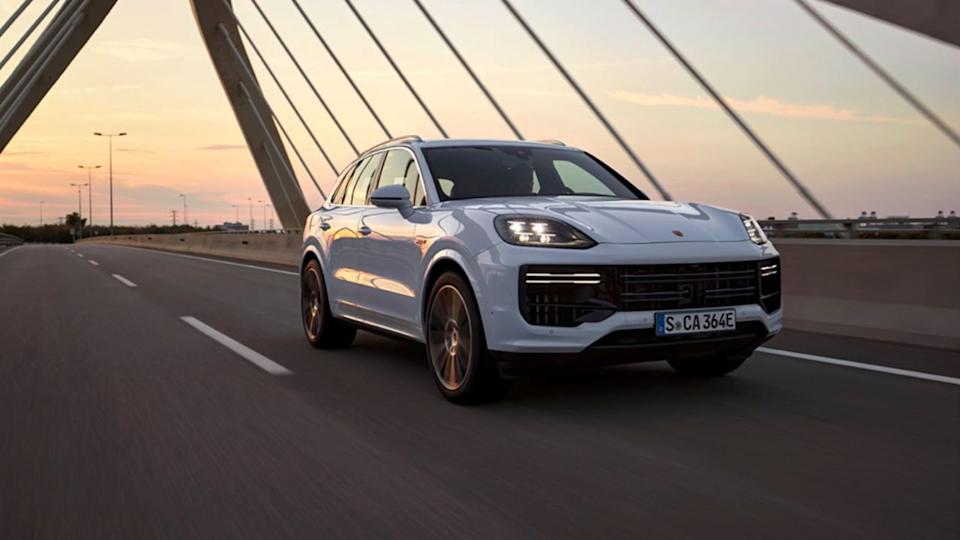
Image Credit: Porsche.
The Cayenne Turbo E-Hybrid arrived as the most powerful Cayenne ever, and it still sits near the very top of the performance-luxury SUV conversation. Its 4.0-liter twin-turbo V8 works with an electric motor to produce a combined 729 horsepower and 700 lb-ft of torque, enough for a 0-60 mph time of 3.5 seconds and a top speed of 183 mph.
That would already be impressive in a sports sedan, but Porsche backs it up with real plug-in-hybrid usefulness. The 25.9-kWh battery gives the system meaningful electric capability, and the Cayenne can run on electric power alone at speeds up to 84 mph. That makes it one of the rare high-performance SUVs that can feel outrageous one moment and surprisingly rational the next. Inside, it delivers the familiar Porsche mix of precision, quality, and expensive personalization. Pricing starts well into six figures.
Tesla Model X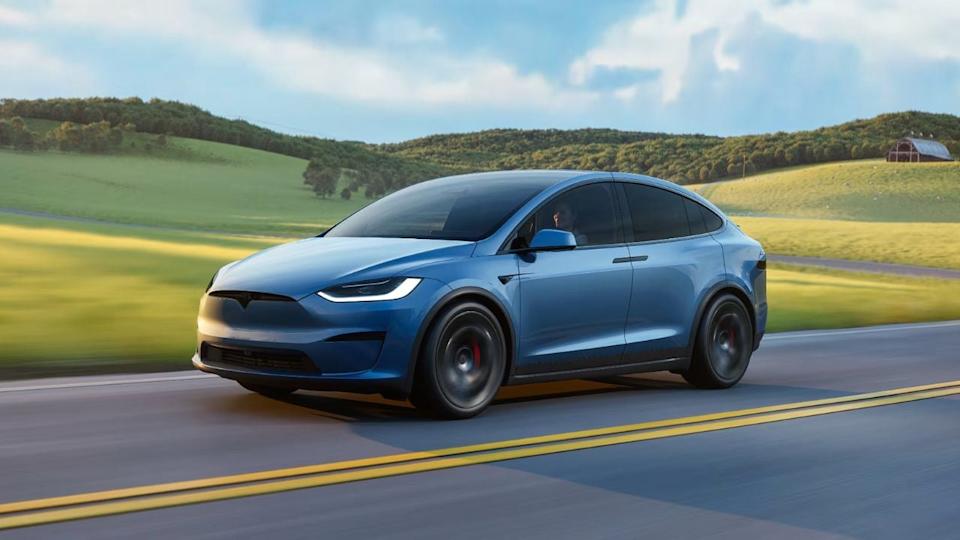
Image Credit: Tesla.
Even now that Tesla has moved the Model X to remaining inventory rather than fresh custom orders, its numbers still look serious. The dual-motor version makes 670 horsepower and reaches 60 mph in 3.8 seconds, while the tri-motor Plaid turns the SUV into something genuinely absurd with 1,020 horsepower and a 0-60 mph time of 2.5 seconds.
Efficiency remains a major part of the appeal. The standard Model X is rated at 102 MPGe combined with an EPA-estimated 352 miles of range, while the Plaid posts 98 MPGe and 335 miles. That still gives the big Tesla an edge over many electric luxury SUV rivals when it comes to balancing speed and long-distance usefulness. The interior stays committed to Tesla’s minimalist design philosophy, with most functions routed through the central screen rather than traditional physical controls.
BMW iX xDrive60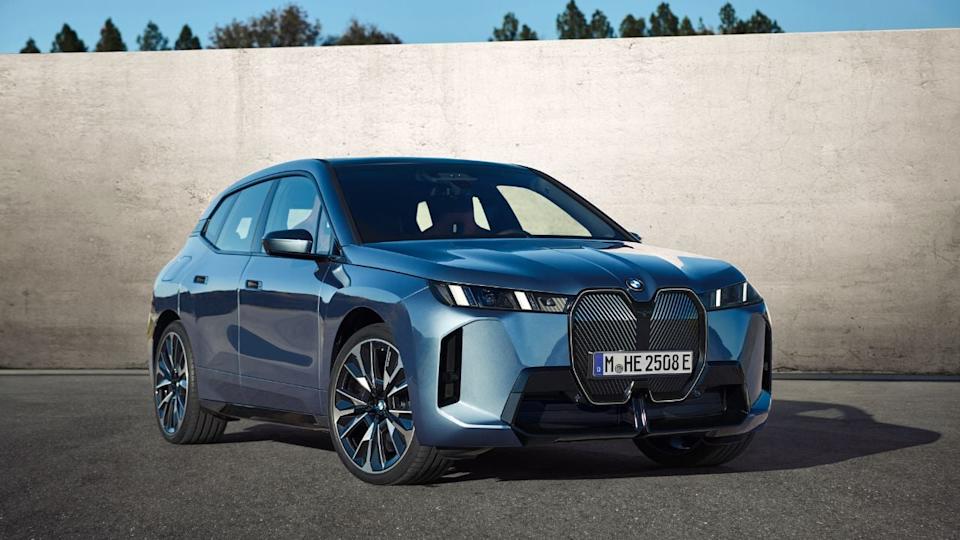
Image Credit: BMW
The BMW iX xDrive60 now serves as the core version of BMW’s large electric luxury SUV, sitting above the xDrive45 and below the hotter M70. For 2026, BMW says the xDrive60 produces 536 horsepower and can hit 60 mph in 4.4 seconds, which is quick enough to make this heavy SUV feel much lighter than it is.
The other key number is range. BMW estimates between 318 and 364 miles depending on wheel and tire choice, which gives the iX genuine long-distance credibility instead of just city-duty usefulness. The interior remains one of the vehicle’s strongest selling points, pairing lounge-like space with a distinctive design that feels more upscale and less sterile than some EV rivals. The starting price is $88,500.
Volvo XC90 T8 Plug-In Hybrid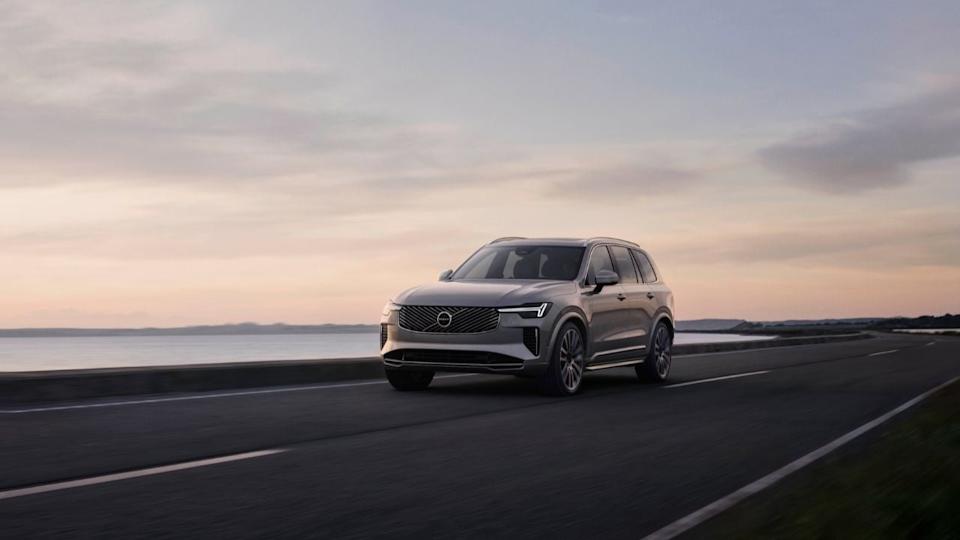
Image Credit: Volvo.
Few three-row luxury SUVs blend family duty and plug-in capability as neatly as the XC90 T8. Volvo rates it at 455 horsepower, and that is enough to push this large SUV to 60 mph in about 5.0 seconds, which is far quicker than most buyers will expect from something this practical.
The efficiency side is strong, too. The XC90 T8 is rated at 58 MPGe combined in plug-in operation, 27 mpg combined once the battery is depleted, and up to 32 miles of all-electric driving. Those are useful numbers in a vehicle that can still tow up to 5,000 pounds when properly equipped and offer seating for up to seven. The cabin remains one of the best reasons to buy it, with a calm Scandinavian look, premium materials, and an easygoing luxury character that suits long trips. Pricing starts in the high $70,000 range.
BMW X5 xDrive50e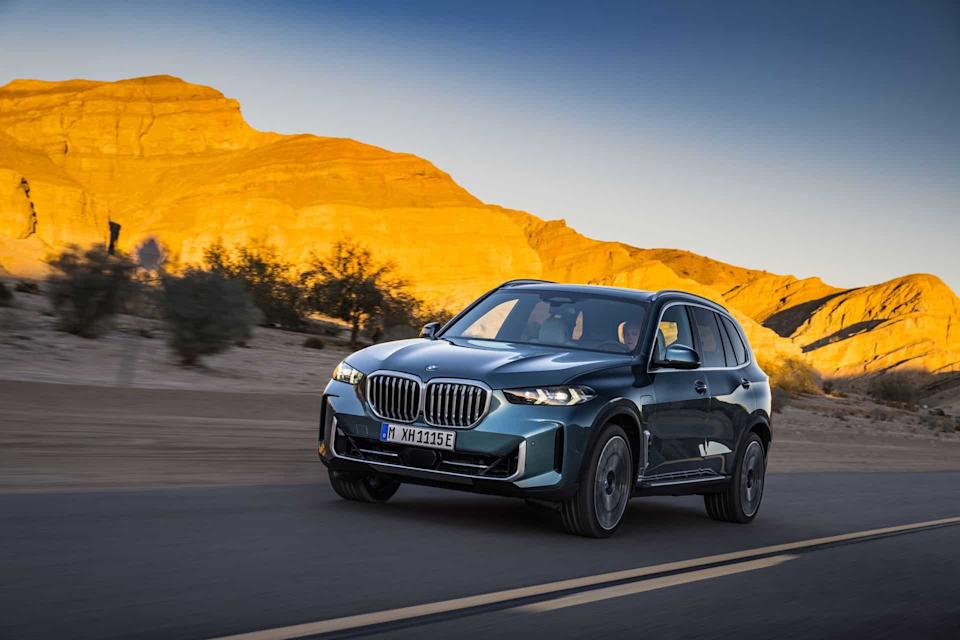
Image Credit: BMW.
The X5 xDrive50e is one of the easiest luxury plug-in hybrids to recommend because it barely feels like a compromise. A turbocharged inline-six works with an integrated electric motor to produce a combined 483 horsepower and 516 lb-ft of torque, enough for a 0-60 mph run of 4.6 seconds.
Its plug-in-hybrid numbers are also strong for something this substantial. The X5 xDrive50e is rated at 60 MPGe combined, offers up to 38 miles of electric range, and still returns 22 mpg combined once it is operating as a conventional hybrid. That makes it a genuinely useful daily driver for shorter trips and still a comfortable road-trip machine when the battery is spent. Inside, the X5 remains one of the better-executed cabins in the segment, with a wide curved display, rich materials, and a polished overall feel. BMW lists the 2026 X5 xDrive50e at $76,000.
Volvo XC60 T8 Plug-In Hybrid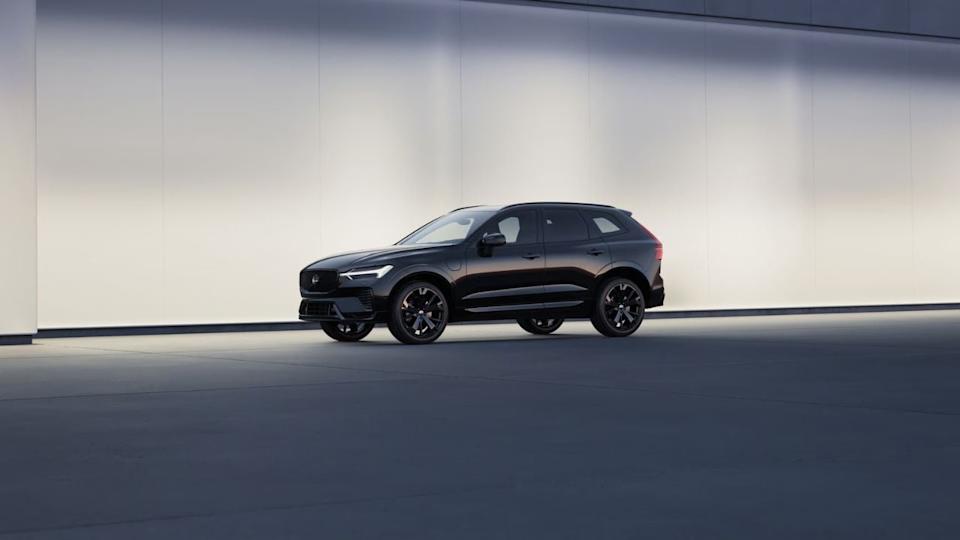
Image Credit: Volvo
The XC60 T8 takes the XC90’s basic formula and shrinks it into a more manageable package. With 455 horsepower on tap, Volvo says it can reach 60 mph in 4.5 seconds, which puts it firmly in quick luxury-SUV territory while preserving the brand’s more relaxed character.
Efficiency is a major reason it belongs here. The XC60 T8 is rated at up to 63 MPGe, 28 mpg combined on gasoline, and 35 miles of electric range. Those figures make it one of the more convincing luxury PHEVs for buyers who actually plan to charge regularly. Its cabin keeps the same restrained Scandinavian design language that has long been one of Volvo’s strengths, and it still feels premium without trying too hard. Pricing starts at $62,545.
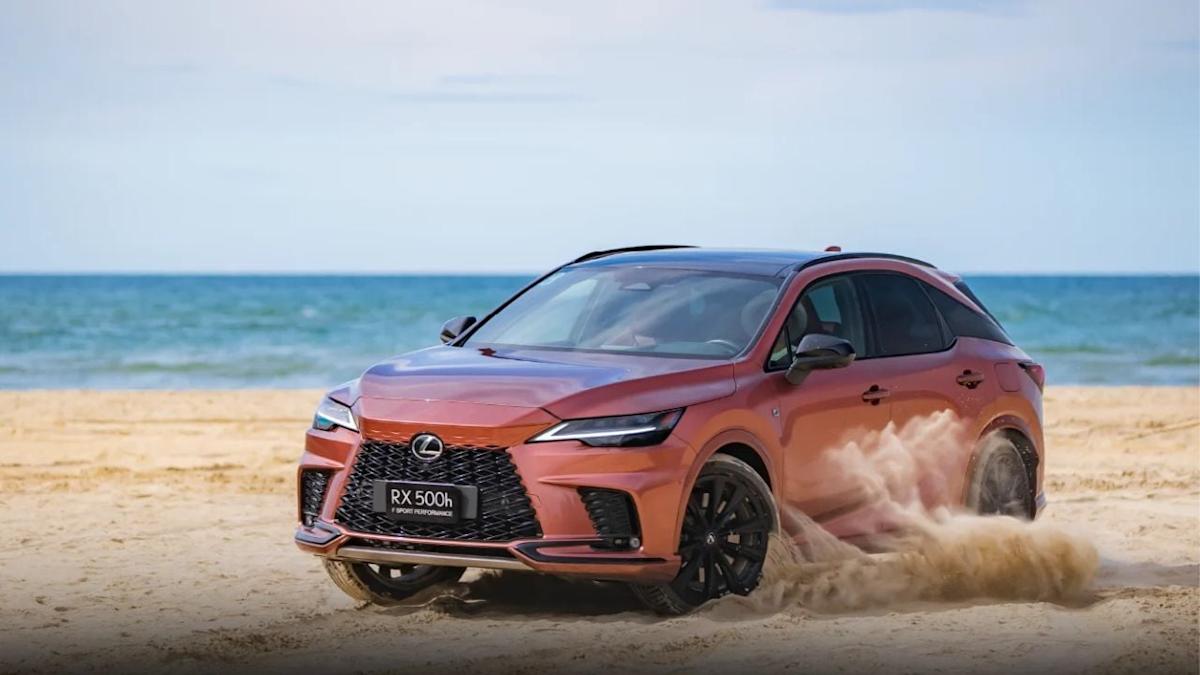
Lexus RX 500h F Sport Performance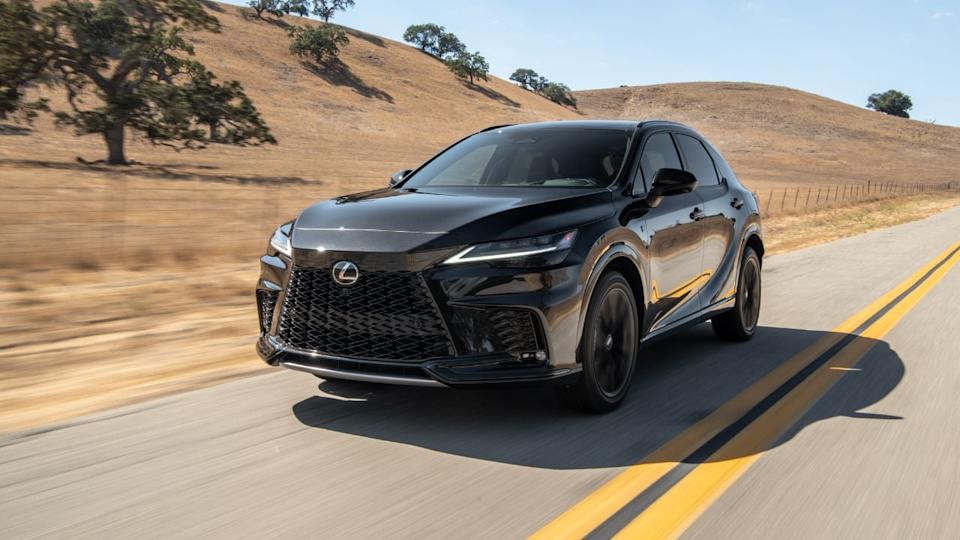
Image Credit: Lexus.
The RX 500h is the performance-minded version of the RX lineup, using a turbocharged 2.4-liter four-cylinder and hybrid hardware to produce 366 horsepower and 406 lb-ft of torque. It is not the sharpest athlete in this group, but 5.9 seconds to 60 mph is still properly quick for a midsize luxury SUV, and the EPA-estimated 27 mpg combined rating gives it far better efficiency than many buyers would expect from something with this much output.
Standard all-wheel drive, adaptive suspension, and F Sport-specific chassis tuning help separate it from the calmer RX variants. Even so, the RX 500h still leans more toward refinement than aggression, which is probably the right call for an RX. The cabin is quiet, well-finished, and easy to live with, and pricing starts at $67,950.
Lexus RX 450h+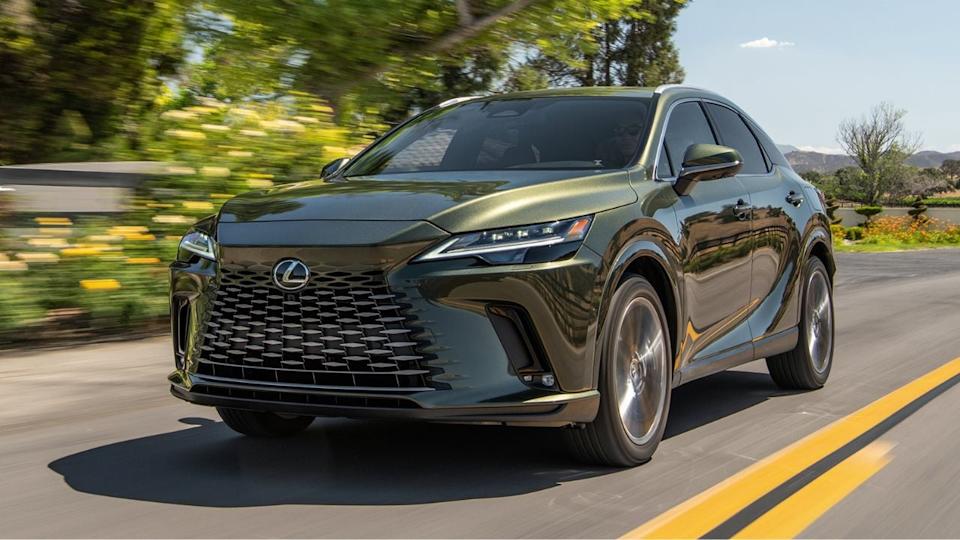
Image Credit: Lexus
The RX 450h+ is the plug-in hybrid member of the RX family and the one that leans hardest into efficiency without abandoning respectable performance. It pairs a 2.5-liter four-cylinder with its plug-in system for a combined 304 horsepower, delivers an EPA-estimated 38 miles of electric range, and carries a manufacturer-estimated 85 MPGe rating.
It is not as quick as the RX 500h, but an estimated 0-60 mph time of 6.2 seconds still gives it enough punch for daily driving. Once the battery is depleted, it is still rated at 36 mpg combined, which helps make it one of the more sensible luxury choices for buyers who want real electric commuting capability without going full EV. The interior keeps the same premium feel, intuitive layout, and long-distance comfort that define the broader RX lineup. Pricing starts at $66,680.
Lexus NX 450h+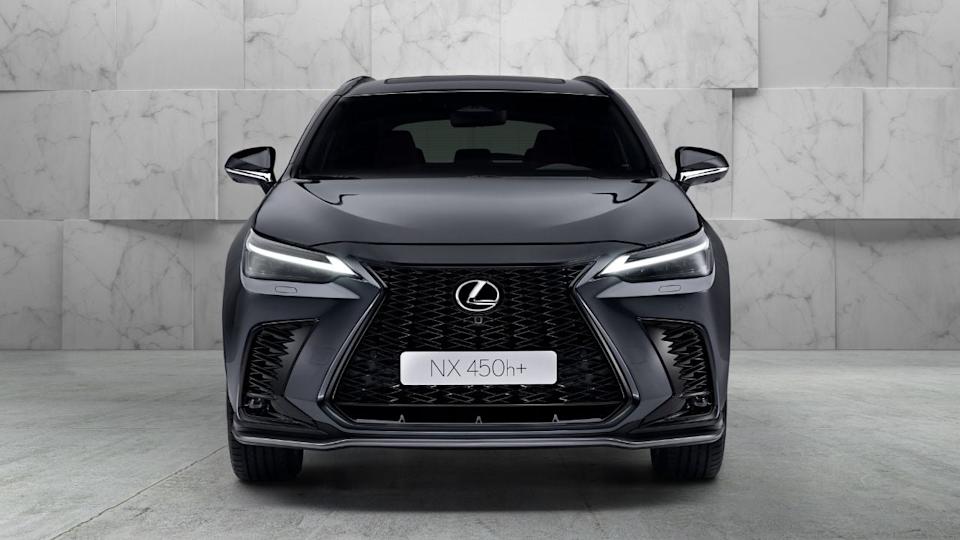
Image Credit: Lexus.
The NX 450h+ is the compact entry on this list, but it still makes a convincing case for itself. Its plug-in hybrid system produces a combined 304 horsepower, the EPA-estimated electric range stands at 37 miles, and the manufacturer-estimated efficiency rating is 84 MPGe. Lexus also estimates a 0-60 mph time of around 6.0 seconds, which gives it enough urgency to avoid feeling merely economical.
This is not the SUV here for buyers chasing maximum speed, but it makes sense for anyone who wants luxury-badge comfort, all-wheel drive, and meaningful plug-in efficiency in a smaller footprint. The NX cabin is well-equipped, easy to live with, and more upscale than many compact luxury crossovers at similar money. The starting price is $59,405.
The Real Winners Are the Buyers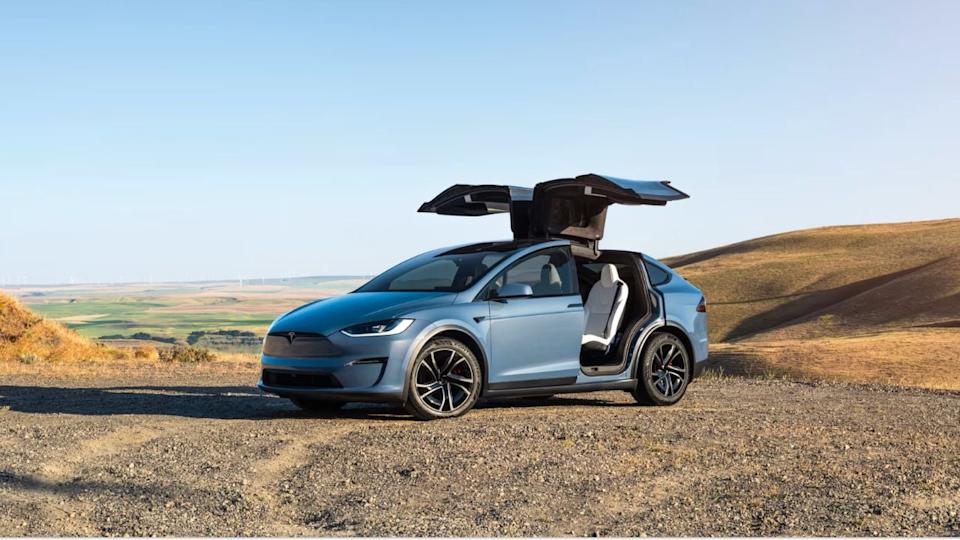
Image Credit: Tesla.
The SUVs on this list show how far the luxury market has moved. A plug-in hybrid can now deliver V8-level shove and a useful electric commute. A fully electric SUV can cover well over 300 miles on a charge and still embarrass plenty of performance cars in a straight line. Even the more comfort-focused entries no longer need to be slow to be efficient.
The old argument between performance and efficiency in this segment has not disappeared entirely, but it is much weaker than it used to be. For buyers, that is a very good problem to have.
Read More
13 Muscle Cars So Overlooked Most People Forgot Them
15 Car Features That Should Have Never Been Phased Out