TY Lim/Shutterstock
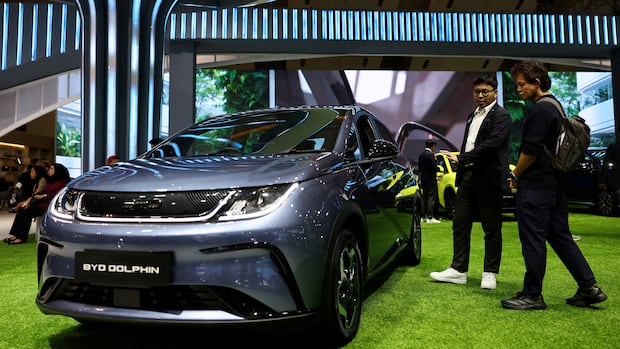
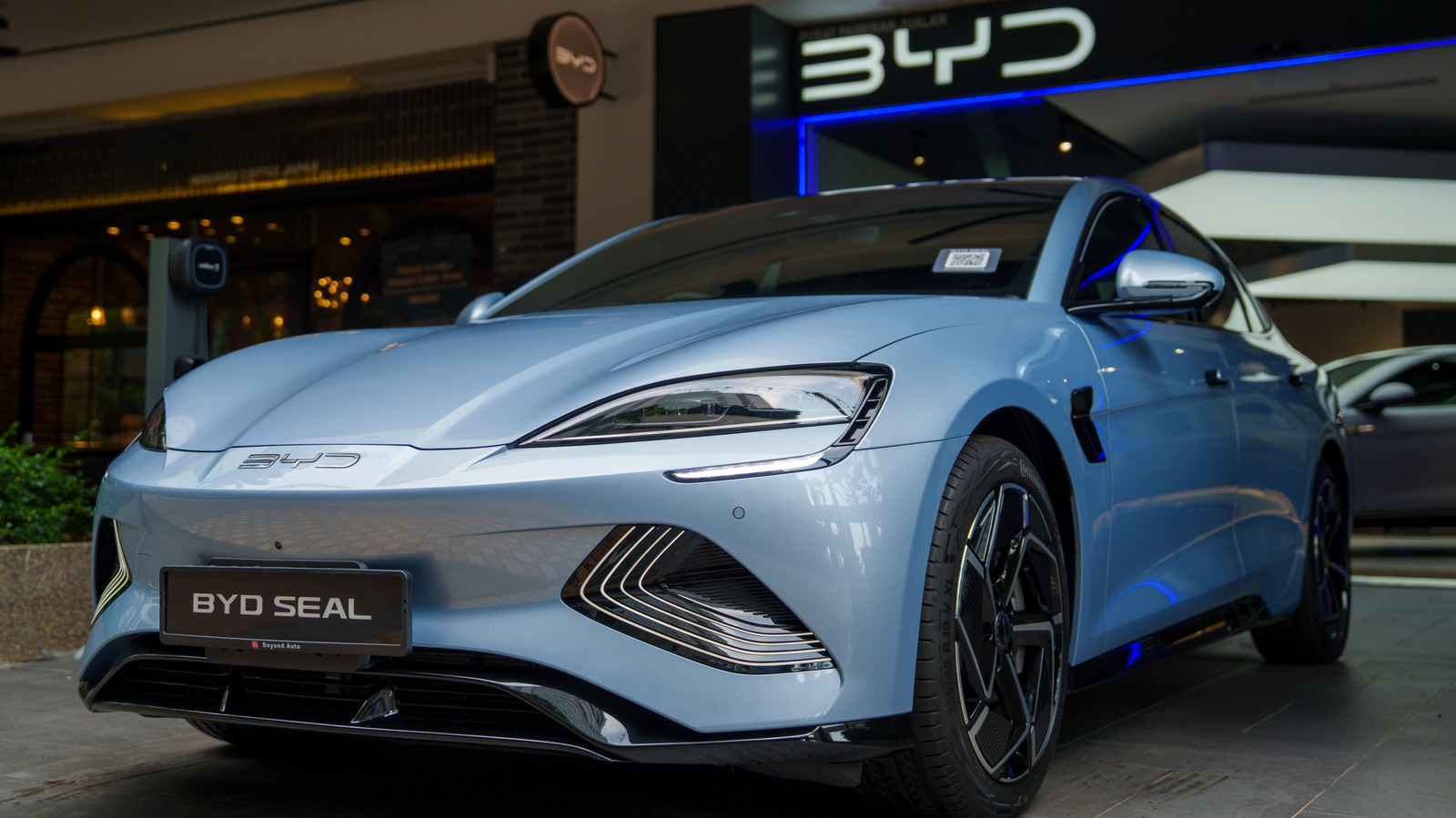
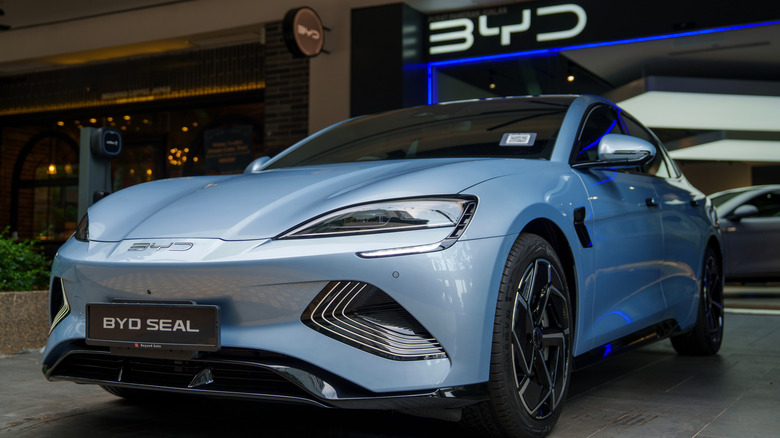
The electric vehicle industry is a fiercely competitive battleground in China, where manufacturers are aggressively developing new products and innovating assembly tools to meet production goals. For example, Xiaomi’s dark robot factories are cranking out smartphones and electric vehicles at a breakneck pace, 24 hours a day, with almost no human involvement. Even China’s top EV brand, BYD, is actively moving beyond just building electric cars to maintain a dominant position in the market.
BYD also consistently ranks as China’s second-largest battery manufacturer. The company broke new ground by developing a car battery with what it calls Megawatt charging technology. In just five minutes of charging, this battery can get enough juice to travel 250 miles. However, BYD’s market share in the battery industry is slipping toward other subsidiaries of vehicle manufacturers. In order to continue reigning as a commercial leader, BYD may have to branch further into smartphone components and other manufacturing opportunities.
Why Chinese EV brands haven’t branched into North America
3alexd/Getty Images
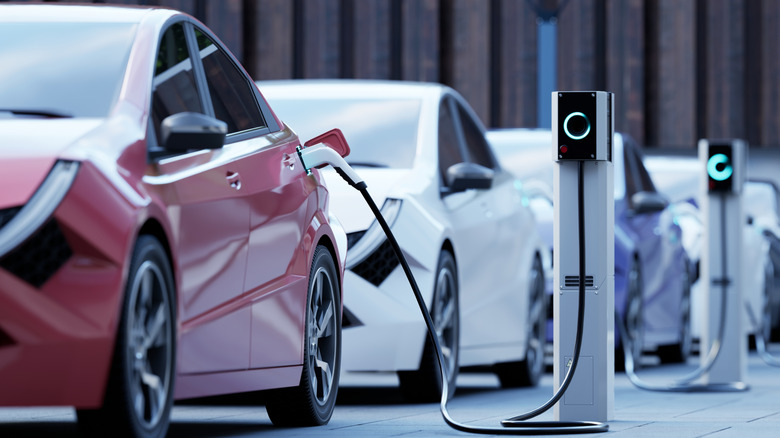
It’s clear that Chinese EV brands are ready and willing to pursue any avenue that puts them ahead of their stiff competition. This mindset has resulted in the rampant growth of Chinese EV exports around the world. So why is it that American consumers can’t seem to get their hands on Chinese EVs, when surely companies like BYD would love to expand their reach to North America?
Reuters cites higher U.S. safety standards as one reason why cheaper Chinese EVs are not legal in the States. Another reason is the political incentive to protect the domestic auto industry. Many U.S. carmakers have branched into the EV market, and Tesla remains the most popular EV option in America. Tesla also ranked as the most satisfying EV brand to drive according to Consumer Reports. There could be a huge economic impact if such brands were ousted by Chinese EVs.
There are several major American-made EVs of different varieties that perform well domestically. However, Chinese EV brands have a distinct advantage over their American counterparts. By branching out into batteries, semiconductors, and other products related to EVs, Chinese companies can expedite their own vehicle manufacturing while U.S. automakers rely on external partners. Vertically-integrated supply chains, or lack thereof, are a reason why American EVs are retreating from the global stage while China seizes control of the export market.