With the i3, BMW will soon introduce a new model to its lineup that should not be confused with the original i3, known for its futuristic compact design and carbon construction. Instead, the upcoming i3 is the battery-electric version of the 3 Series, which BMW describes as ‘the essence of the BMW brand’. At its design premiere in March, it became clear that the i3 is a completely new vehicle that nonetheless feels familiar.
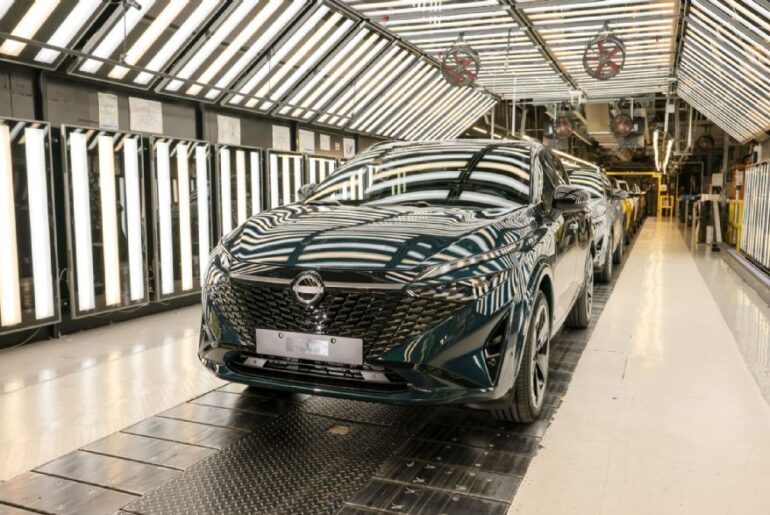
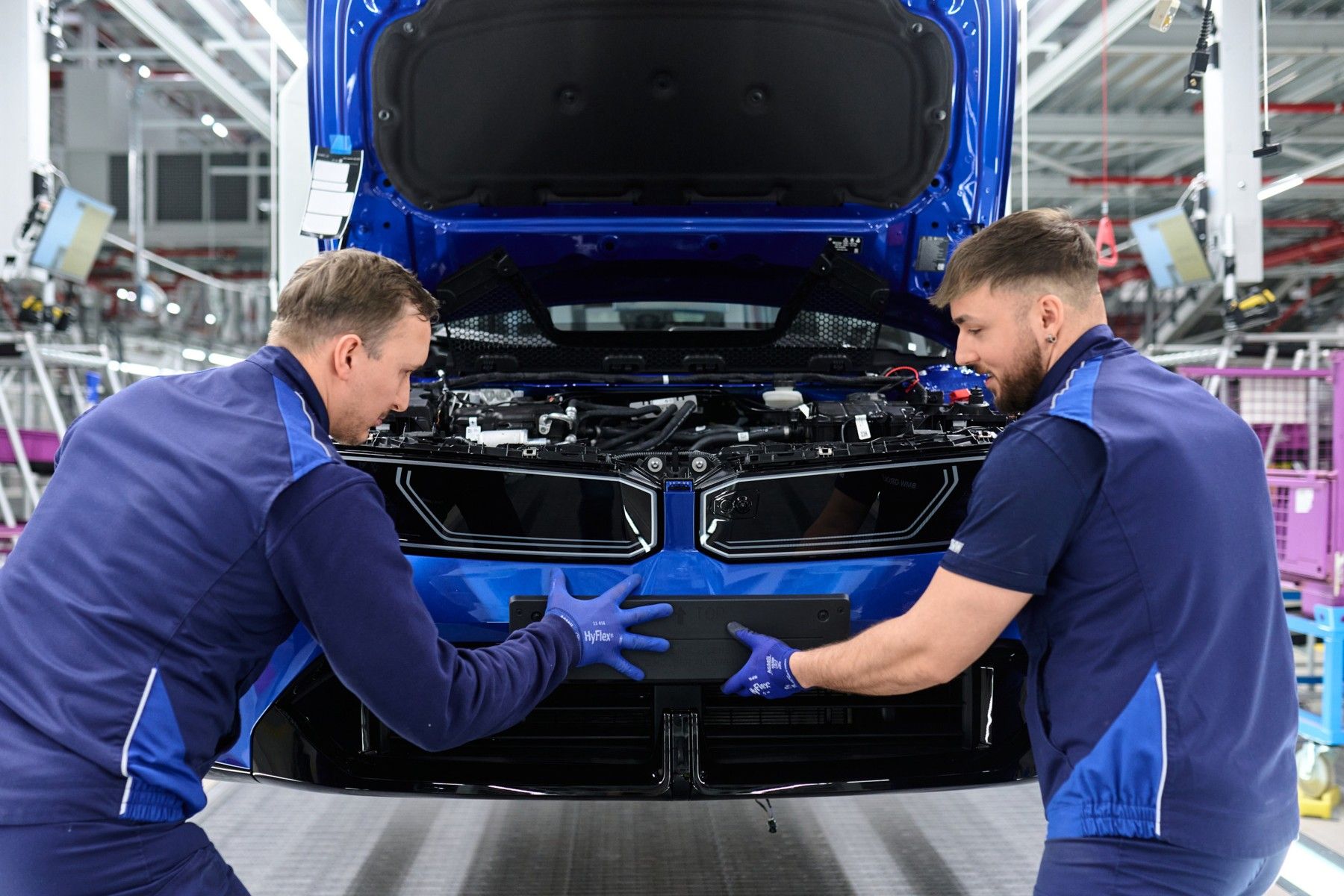
Now that the design of the new i3 has been revealed, BMW has shared insights into preparations for series production. While the company announced the start of pre-series production in early February, it is well known that a significant amount of work is required before mass production can begin. During pre-series production on the regular assembly lines, the focus is on refining the assembly process, optimising process steps, and testing logistics. This phase typically lasts several months.
From the ‘Start of Production’ (SOP) in August, BMW plans to scale production of the i3 – and vehicles based on the same platform – up to 1,000 units per day. To achieve this, BMW is relying on the BMW iFactory principle, something already in use at the new factory in Debrecen, Hungary. Key focuses include AI, robotics, and digital twins.
The start of i3 series production marks the start of a transition towards a fully electric vehicle manufacturing process at the BMW plant in Munich by next year – one in which the company is investing €650 million. As part of this transformation, a new body shop and a state-of-the-art vehicle assembly line, including new logistics areas, have been established on roughly one-third of the site’s footprint.
“We have considerably reduced production costs over recent years. With the start of production of the BMW i3, we will reduce overall production costs at the Munich plant by a further 10 per cent, bringing them below the level of the current vehicle generation,” says Peter Weber, Head of the BMW Group Plant Munich.