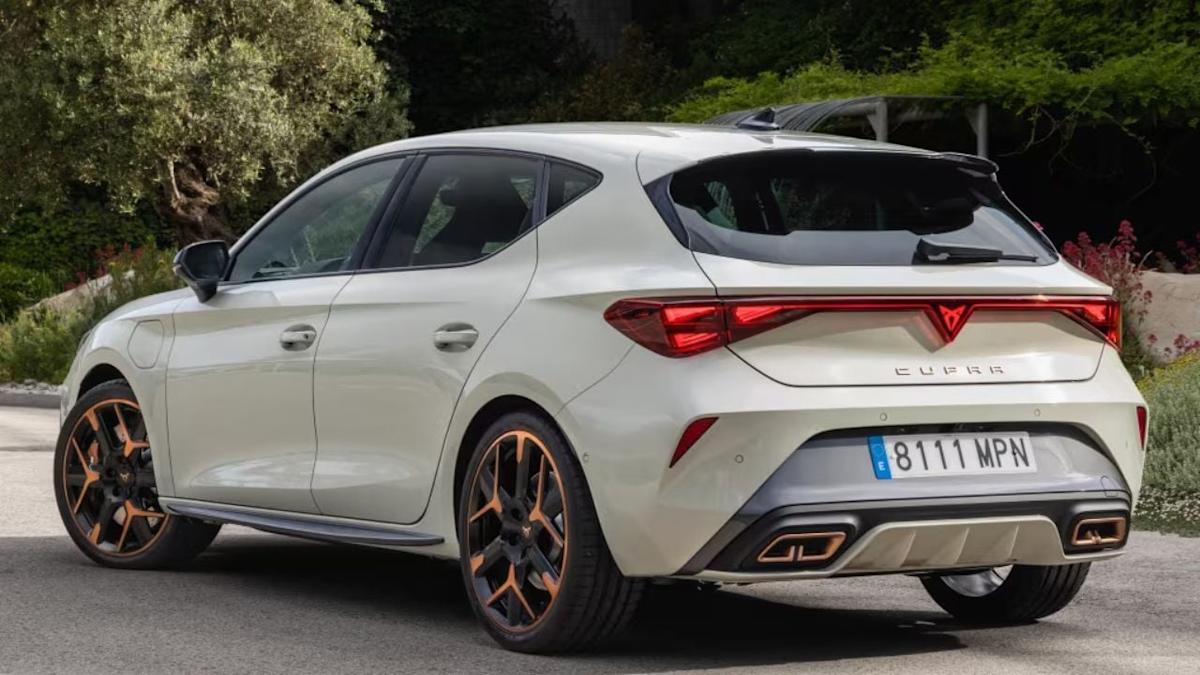
Volkswagen Group has spent years reshaping how it approaches brand identity, moving away from a strategy centered only on a few giant nameplates and giving smaller marques more distinct roles inside the broader portfolio.
That is the environment in which Cupra was able to grow from a performance badge into a standalone brand with ambitions far beyond Europe.
Officially launched as an independent marque in 2018, Cupra has already become one of the group’s fastest-growing stories, passing one million cumulative sales and posting a record 328,800 deliveries in 2025 alone.
From Seat Performance Badge To Standalone Challenger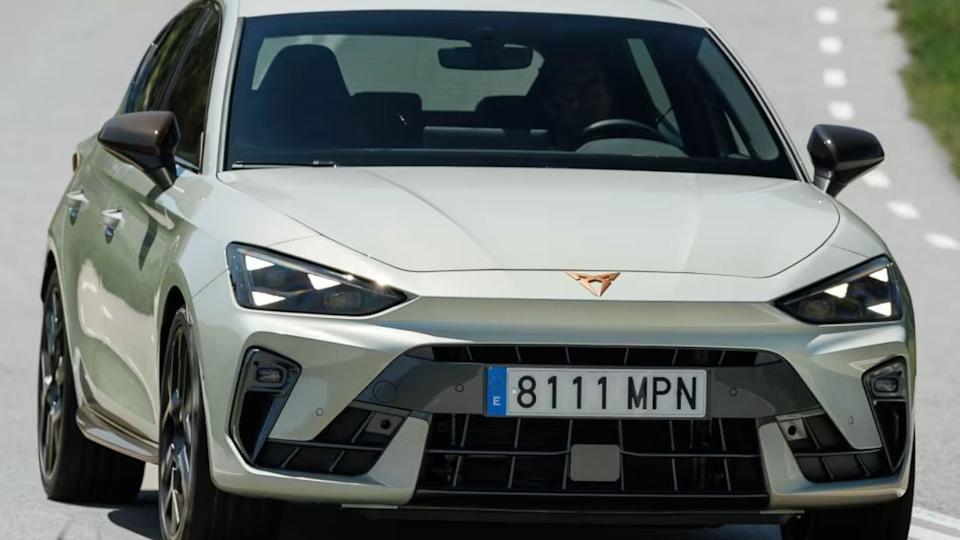
Photo Courtesy: Autorepublika.
Cupra’s name, derived from “Cup Racing,” still tells you exactly where it came from. It began as the performance face of Seat, but the brand’s evolution has been much more ambitious than simply selling sportier trims.
Cupra has tried to position itself between the mass market and the premium world, using bold design, sharper dynamics, and a more emotional identity to attract buyers who want something less conventional than the usual compact performance model. That formula has worked well enough to turn Cupra into a serious growth engine for Seat and the wider Volkswagen Group.
That success is exactly why the brand’s long-discussed move into the United States attracted so much attention. In late 2024, Cupra officially said it planned to enter the U.S. by the end of the decade and confirmed preliminary talks with Penske Automotive Group about a retail and distribution partnership.
The original plan also called for a broad product mix that would include gasoline, plug-in hybrid, and battery electric vehicles, not just EVs. At that point, the expansion looked like one of the boldest steps in Cupra’s short history.
Why The American Launch Is Now On Hold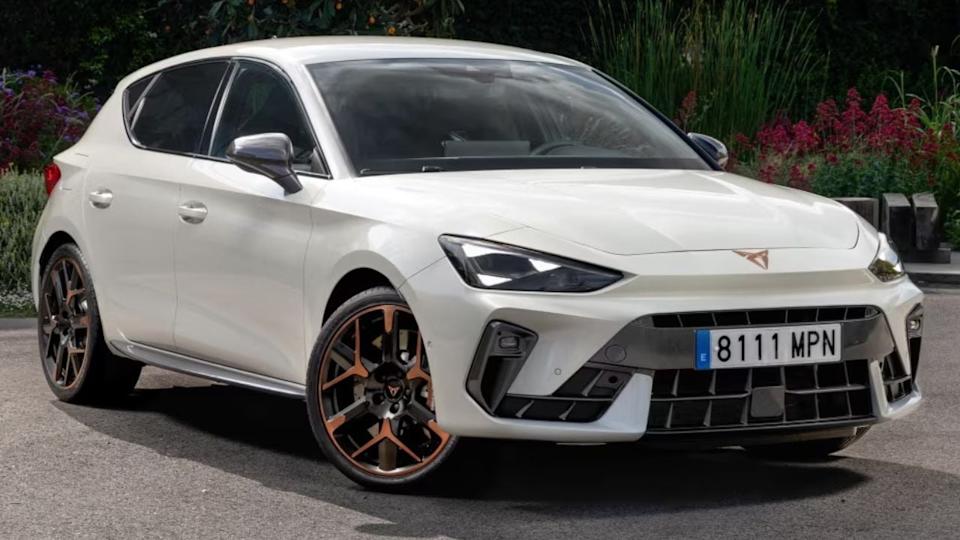
Photo Courtesy: Autorepublika.
That plan has not been canceled, but it has clearly been frozen. In a recent interview with Edmunds, Cupra CEO Markus Haupt said the company took a “very bold decision” to pause its U.S. entry because the geopolitical and economic environment had become too unstable for an investment of that size.
Cecilia Taieb, Cupra’s global head of communications, made the brand’s position even clearer, saying now is not the right moment and that Cupra wants to wait until conditions stabilize and there is a clearer path forward.
The reasoning is easy to understand. Entering the American market requires huge spending on distribution, retail presence, logistics, product planning, and possibly local manufacturing. In a world shaped by tariffs, shifting trade policy, and uncertain demand, that kind of commitment becomes much harder to justify.
Cupra still sees the U.S. as strategically important, but the brand is no longer willing to rush into a launch simply to meet an earlier timeline.
Cupra’s Powertrain Strategy Is Changing Too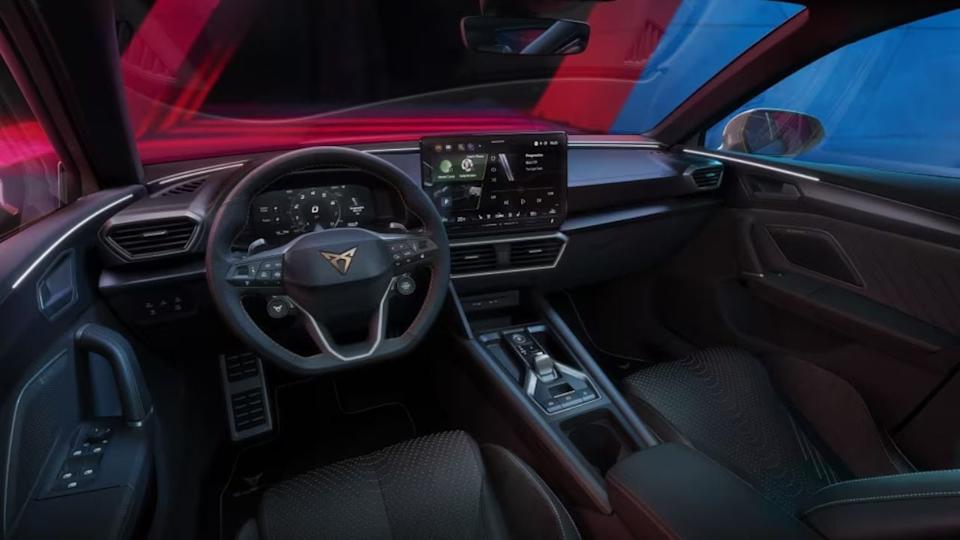
Photo Courtesy: Autorepublika.
The delay also comes as Cupra rethinks its powertrain direction. The brand had once leaned heavily into a more EV-focused future, but it is now moving toward a broader mix.
Edmunds reported that Cupra is backing away from the idea of going all electric and instead plans to renew hybrid models, including the Formentor, while also developing larger vehicles with range-extended hybrid technology. That shift may actually strengthen Cupra’s eventual U.S. case, because the American market remains much more open to gasoline and hybrid performance vehicles than to an EV-only lineup.
That flexibility could end up being one of Cupra’s biggest advantages. The brand still has the design energy, motorsport roots, and performance credibility to feel fresh in America, especially in a market that often complains about the lack of new enthusiast-oriented brands. For now, though, timing is everything.
Cupra is still aiming at the United States, but it wants to arrive under conditions that make long-term success more realistic. In today’s auto industry, waiting may look cautious, but it can also be the smartest move.
This article originally appeared on Autorepublika.com and has been republished with permission by Guessing Headlights. AI-assisted translation was used, followed by human editing and review.
Read More
13 Muscle Cars So Overlooked Most People Forgot Them
15 Car Features That Should Have Never Been Phased Out