When the plug-in hybrid (PHEV) concept was first floated, it was heavily and vocally criticised by all and sundry – motoring journalists included. Sure, the early variants had short driving ranges, as low as 30-40km on electric power, but the average Aussie only commutes around that distance in total each day, anyway. I suspected then, and it’s been borne out subsequently, that two things would happen.
One, the PHEV concept wasn’t as daft as it seemed, and it certainly made more sense to more people than a pure EV. Look at the traditional hybrid success of Toyota to see that Aussie buyers won’t resist technology outright, without good reason. There was little hesitation in the growing appetite for Toyota’s efficient hybrids.
Two, the technology would evolve quickly, bringing with it smarter control systems and longer range. As such, we’re now seeing ranges that make a lot of sense to the average Aussie, and the technology that manages the batteries doesn’t just run them flat before reverting to a wheezy petrol engine. The smarts have come in short order to ensure the systems run with better efficiency as the battery discharges. Have a look at the specs on the latest Chery and MG PHEV systems and the distances they can cover.
1
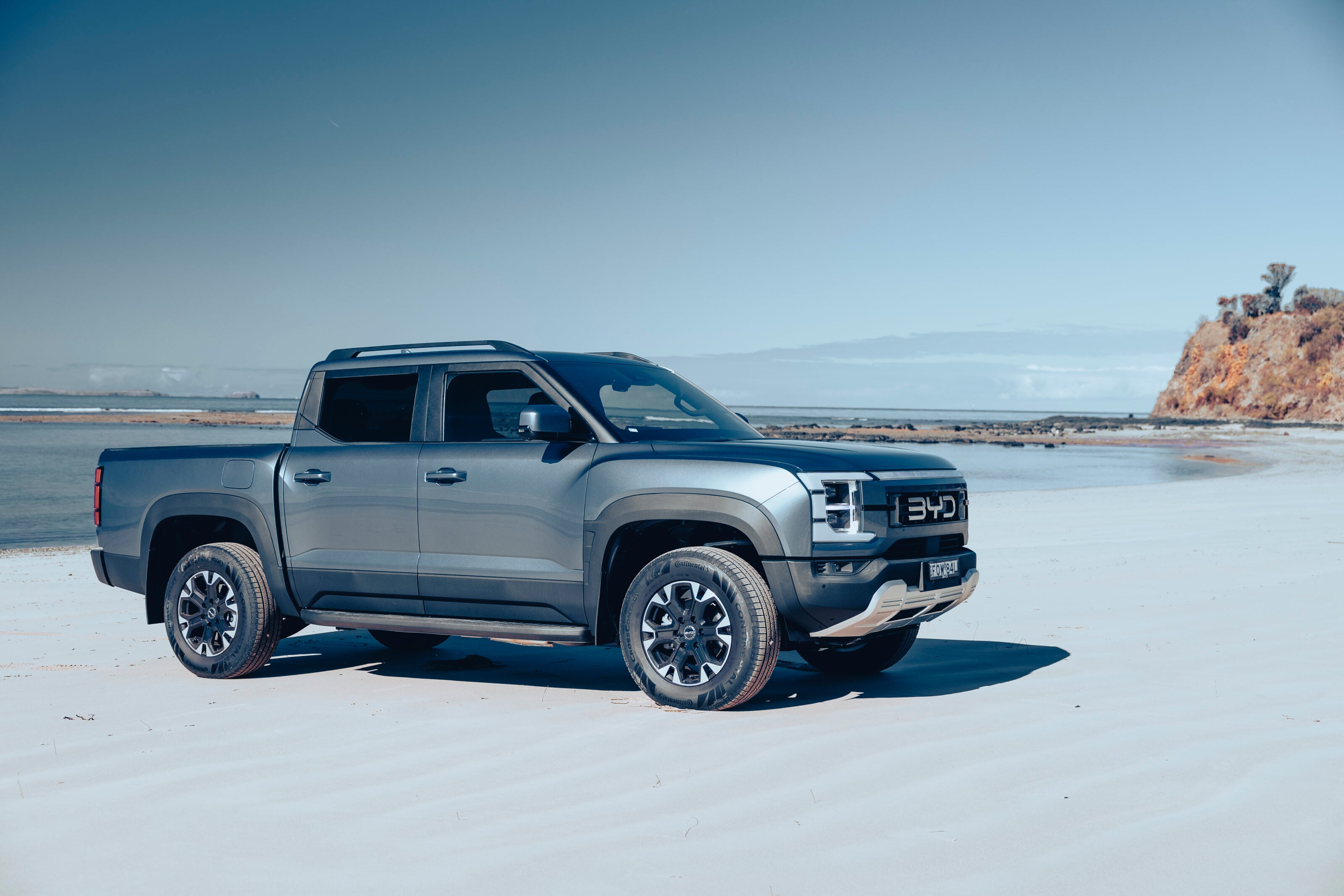
But now, with ranges that extend out to 100km or more, the concept of the PHEV wasn’t as silly as it might have seemed. And that’s before the cost of fuel skyrocketed. I spotted a guy charging his BYD shark at the petrol station this morning. Bet you wish you had a diesel dual-cab at the moment, mate, I joked? He almost choked in laughter on the coffee he was consuming while he waited for his battery pack to top up.
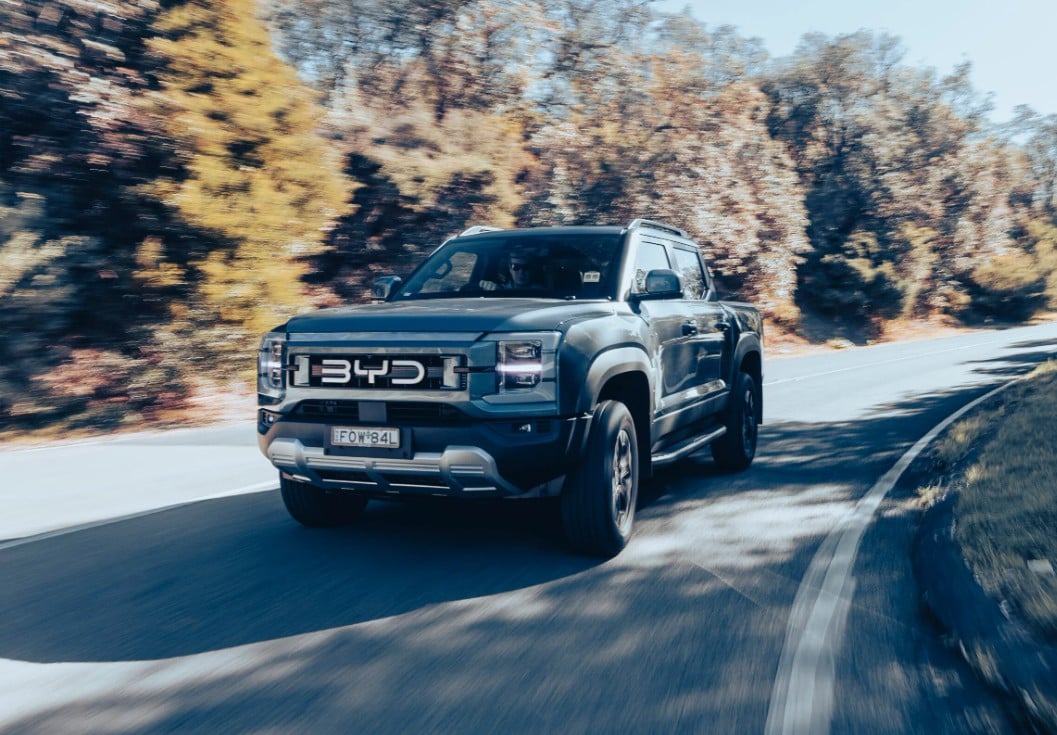
The two standouts in the dual-cab segment are the BYD Shark 6 (above) and the GWM Cannon Alpha (below), with PHEV drivetrains that push electric-only range into the three figure region. In the real world, we’ve seen 90-95km to counter the BYD claim of 100km, and 100-110km to counter the GWM claim of 120km. That’s without trying to drive efficiently, or doing anything different. And, here’s the kicker, we charge them on a regular powerpoint at home when they are on test with WhichCar by Wheels.
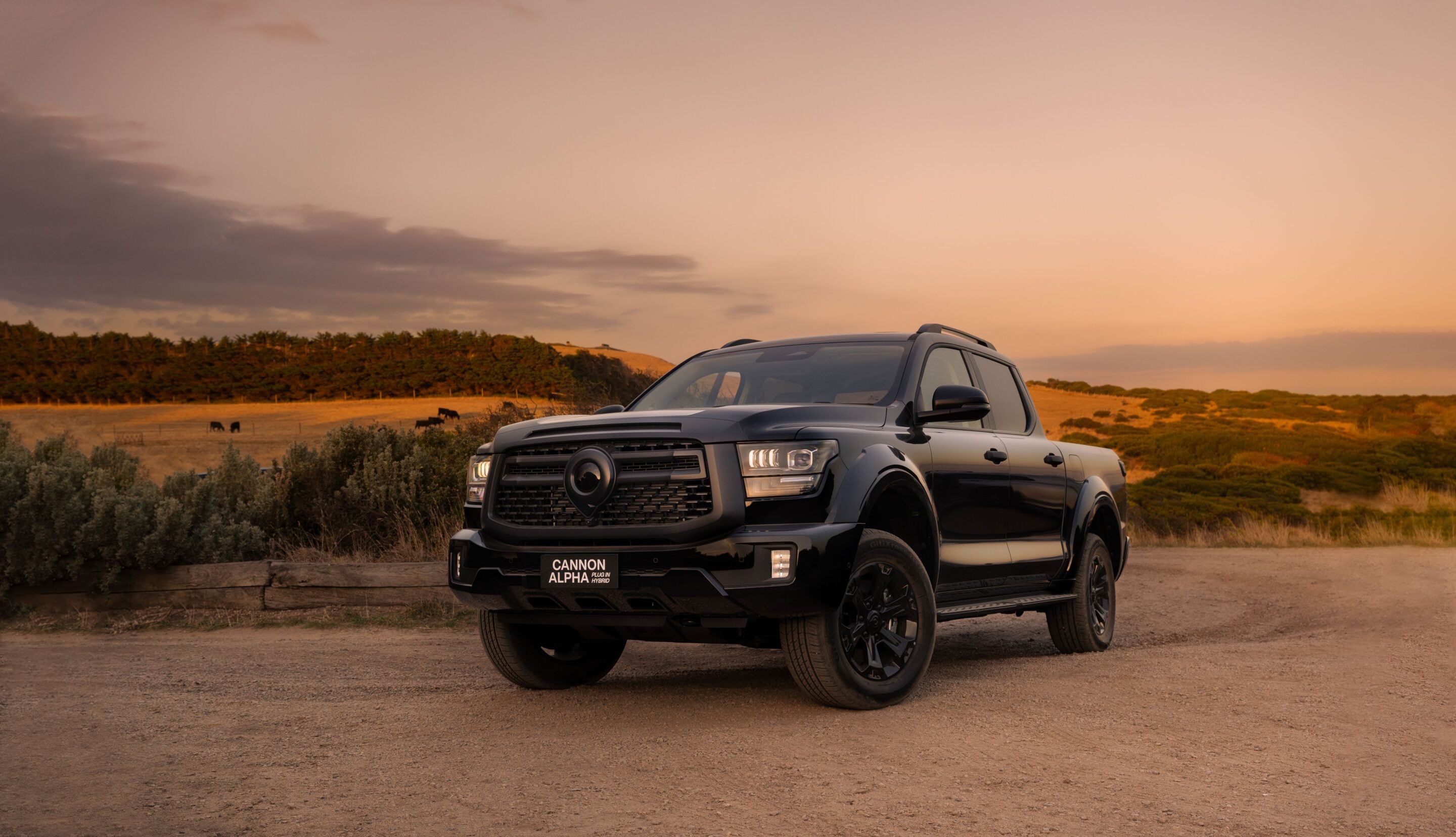
1
We can all agree that the Ford Ranger’s meagre claim of 49km – 30km in the real world for us on test – can’t match the capability of either Chinese-built competitor, but all three feature petrol engines, which act as both propulsion and generator, depending on what the system demands of them. That said, the Ranger – expensive as it is – will still get most of us to work and back without needing to charge in between and its petrol engine is the biggest of the three. Still, if you’re buying one PHEV dual-cab to do all things, the PHEV Ranger ain’t it, given its electric limitations.
For the majority of high-end, dual-cab owners, who live and drive in the city, don’t tow, or drive across the Nullarbor regularly, the BYD and GWM PHEVs represent the smartest way to get into a dual-cab right now. You’ll recall our recent story on the number of Aussies who do or don’t charge their PHEV regularly where I quoted the details from a mate of mine who owns a Cannon PHEV.
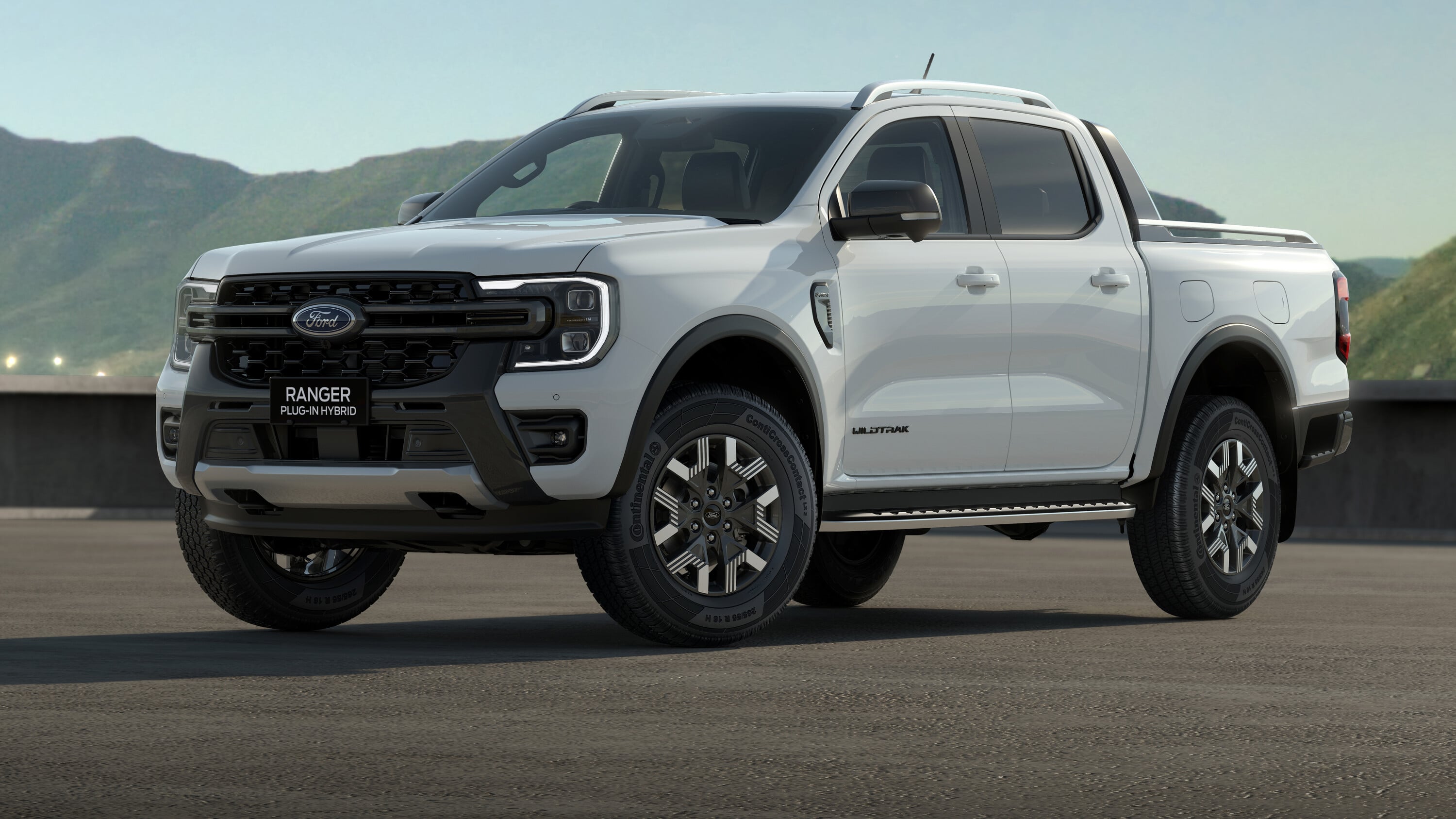
1
A close mate of mine owns a GWM Cannon Alpha PHEV and does a lot of long-distance work driving with it. Thankfully, he’s also pretty good at keeping records. Since he bought his PHEV, he’s just ticked past 21,000km, with 4500km in electric mode. Given the amount of long distance driving he does into off-road areas, that’s not a bad return.
Given he’s covered more than 20 per cent of his driving in pure-electric mode, you’d expect he could ratchet that right up if he didn’t have to head bush for work as often as he does. Even 50 per cent would be a good number, let alone the close to 100 per cent you could achieve if you spend most of your time in and around the city.
The real benefit though, is coming right now in the form of fuel prices, where diesel has been hit significantly harder than petrol. Not to mention the PHEV owner who can choose not to use fuel at all if they don’t want to. At a time where most of us would like to limit the amount of fuel we’re consuming, the fact that our transport, building and support industries need diesel as much as they do means driving a vehicle that doesn’t use diesel is a real bonus.
There’s no doubt though, that in our current situation, PHEV dual-cab owners who rely on petrol rather than diesel (when their battery is depleted) are having the last laugh. And, it’s a hearty laugh at that.
Opinion
Own a plug-in hybrid? Then you already own an EV provided you’re doing one crucial thing…
An ABC study on hundreds of thousands of plug-in hybrid electric vehicles (PHEV) showed that most users don’t regularly charge. With fuel costs soaring, and shortages on the cards, now is the time to understand everything about your PHEV.
March 27, 2026