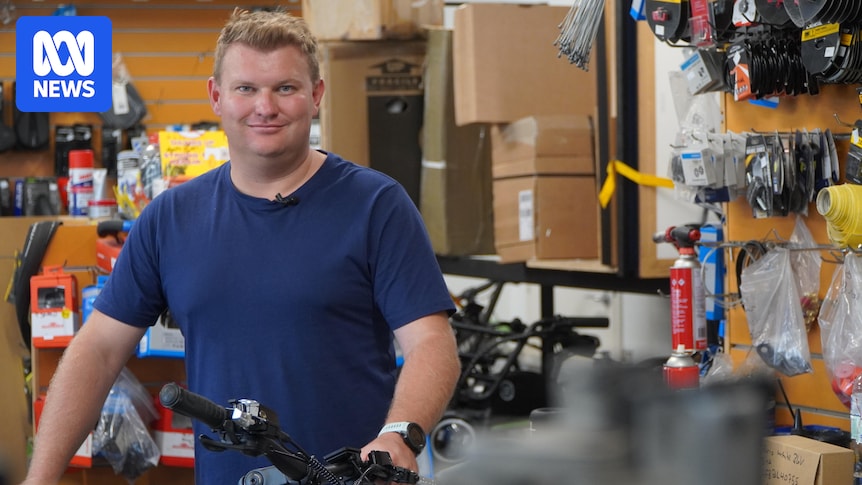
E-bicycle sales are rising as surging fuel costs and supply disruptions from the Middle East war push commuters to consider cheaper alternatives to their cars, bike retailers say.
Perth-based commuter Sam Hoskisson said he had been considering buying an e-bike for more than a year, but after watching diesel prices climb in recent weeks, he finally decided to make the switch.
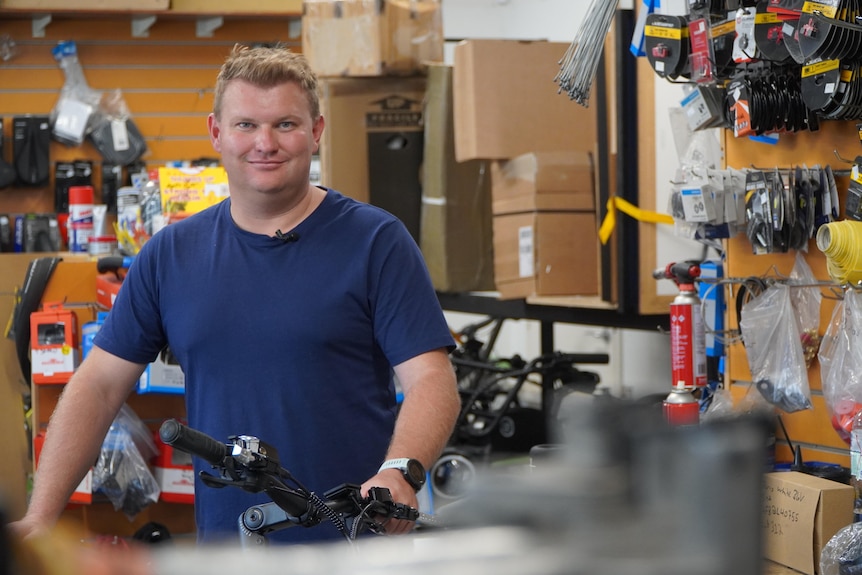
Commuter Sam Hoskisson bought an e-bike after diesel prices soared. (ABC News: Mya Kordic)
“Every day when I was driving to work I was seeing it go up 10, 15 cents a litre,” he said.
“I was feeling quite anxious about it, when you don’t know where it’s going to stop.”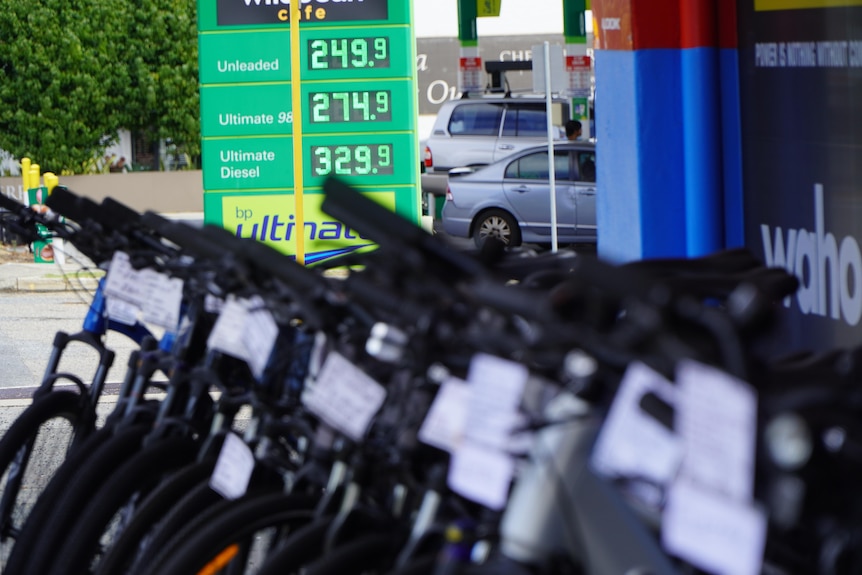
Some are turning to e-bikes as the cost of operating a car increases. (ABC News: Mya Kordic)
Mr Hoskisson said his weekly four-wheel drive fuel bill jumped from $60 to $165, cementing his switch to an e-bike.
E-bike boom
While recent data has not shown any clear volume changes in Perth’s busiest vehicle and cycle routes, some retailers are reporting growing numbers of e-bike purchases.
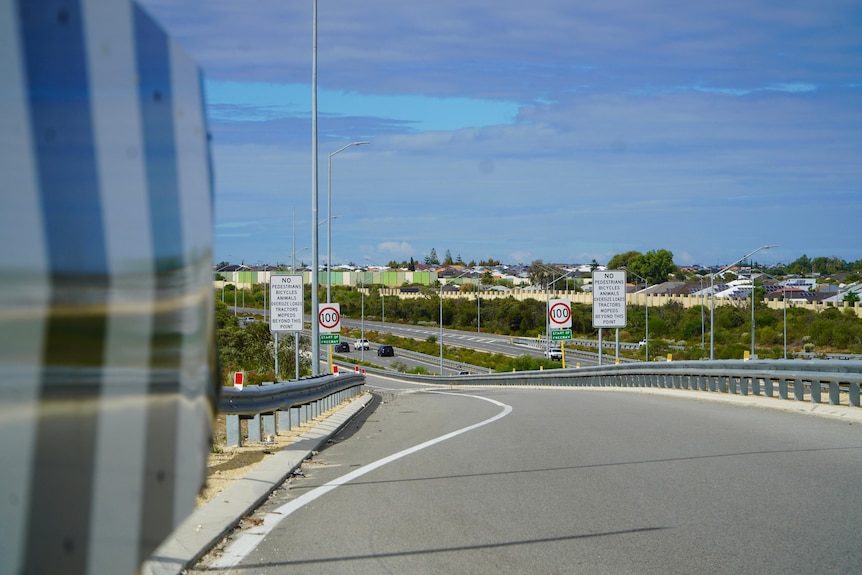
Main Roads WA has traffic counting devices across key arterial routes and bike paths across Perth. (ABC News: Jasmine Hughes)
Dennis Lightfoot has owned Glen Parker Cycles since 1991 and said his Perth store had become increasingly busy after the fuel price hike.
“We’ve gone from sort of selling three or four [e-bikes] a week … I think in the last 10 days we did close to 30 electric bikes,” he said.
Many of those who had purchased an e-bike mentioned fuel prices as a factor in their decision, Mr Lightfoot said.
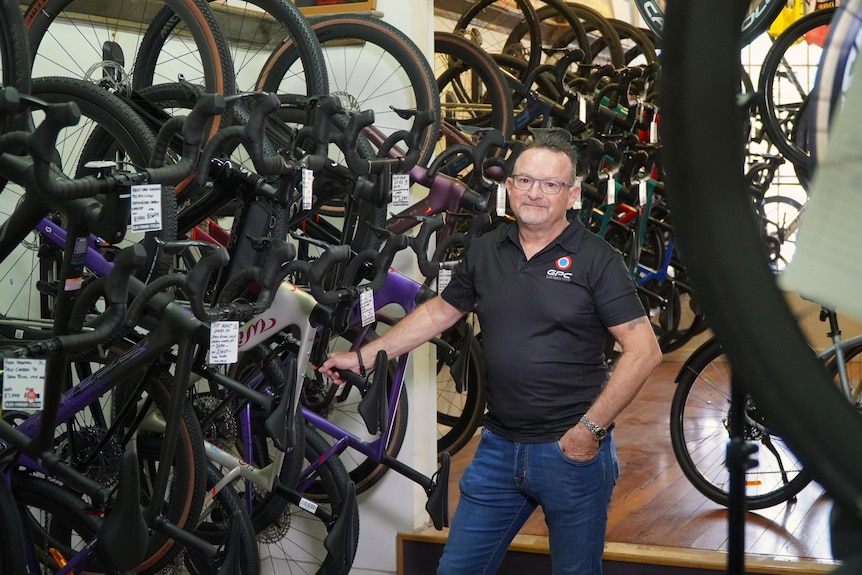
Dennis Lightfoot says his Perth store has become increasingly busy after fuel price hikes. (ABC News: Mya Kordic)
“I think the fuel prices have pushed some people into doing it and they were thinking about it, but we’re getting a lot of people that never even thought about getting an electric bike,” he said.
If fuel challenges continue, Mr Lightfoot said his industry may witness a similar spike in bike sales as seen during the COVID pandemic.
Perth’s ‘Cheap fuel Tuesdays’ are off the table. Here’s why
“I think with what’s going on now, there’ll be waves of it because as people sort of realise that this is not going away,” he said.
It was a similar story for the owner of Fremantle-based Mercer Cycles, Greg Stoyles.
“I think what’s happened is the person that was just on the cusp of getting an e-bike has made that commitment given the current cost of fuel,” he said.
Mr Stoyles said customers were not just inquiring about e-bikes.
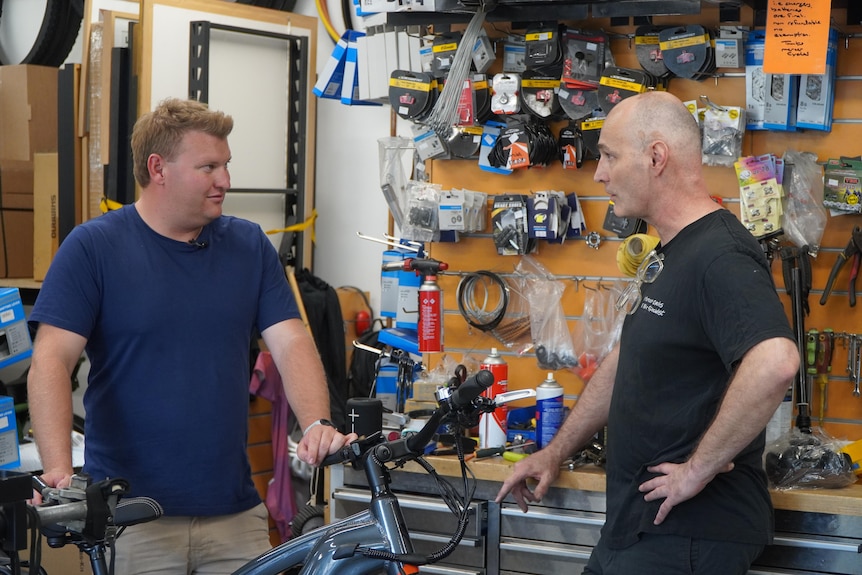
Greg Stoyles (right) is seeing traditional bikes become more popular in recent weeks, alongside their electronic counterparts. (ABC News: Mya Kordic)
“We’ve also seen people ask to have their old bikes get repaired, replaced, new tyres … just so they can ride it around and stop using their car a little bit,” he said.
E-bikes turn into savings
Nationally, Bicycle Industries Australia has recognised a strong growth in the interest in e-bikes.
The industry group’s general manager Peter Bourke said entry-level e-bikes, costing between $2,000 and $3,000, have become popular.
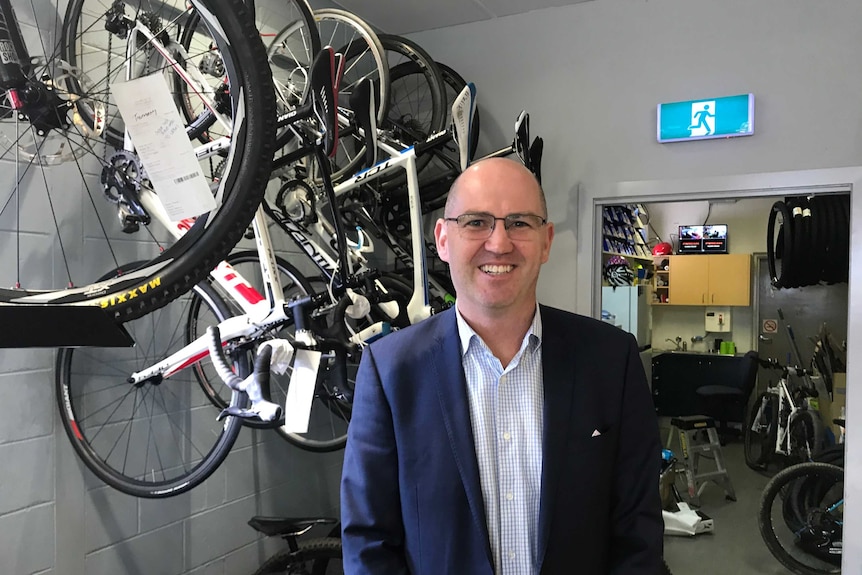
Peter Bourke predicts e-bikes can lead to savings. (Supplied)
“Some people might consider that a little bit expensive,” he said.
“But if you compare that to how much it actually costs to run a car, whether you’ve got your insurance, your registration, which is about $2,000 a year, plus now we know the fuel costs … it actually very quickly turns into a saving.”
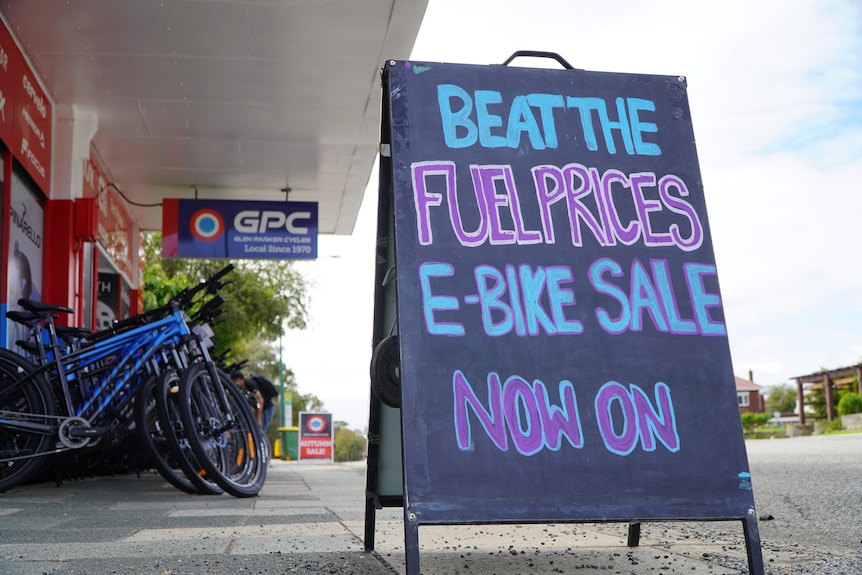
Retailers seek to capitalise on consumer anger over the surging price of fuel. (ABC News: Mya Kordic)
With an e-bike boom likely on the horizon, Mr Bourke said governments should invest in the right infrastructure.
“We’ve got both the people buying the bikes, but we also need the governments to invest in the safe, connected infrastructure that allows this change to continue long after the changes in the fuel price,” he said.
Track the latest petrol and diesel prices around Australia
Elsewhere in the country, a Transport for NSW spokesperson said public and active transport like walking and bike riding remain “the most affordable ways to get around”.
“While road, public transport and active transport trends are influenced by a wide range of factors, we are seeing some impacts of global events across our networks,” they said.
Anxiety around regional living
Back in WA and more than 270 kilometres south of Perth, Katanning resident Katerina Widerington-Oliver said buying an e-bike has helped reduce anxiety around the vulnerability of living regionally.
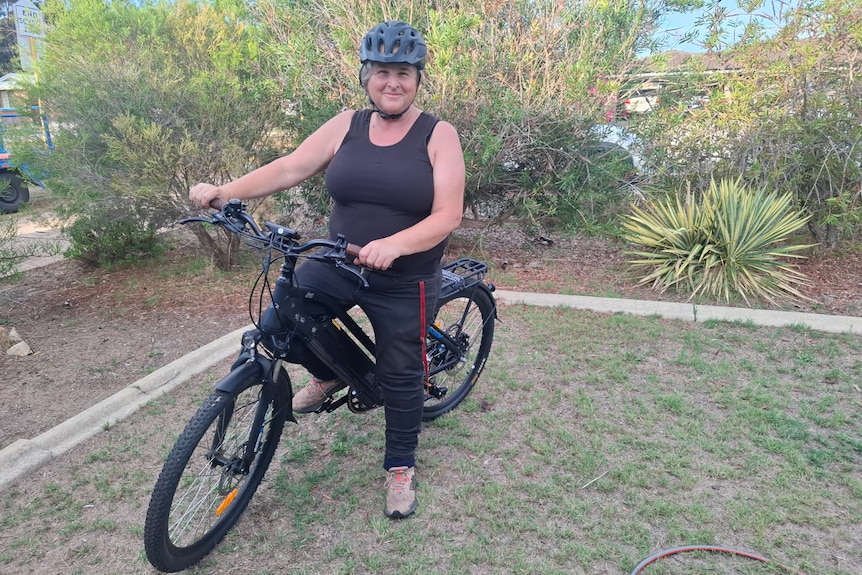
Katerina says her e-bike has helped reduce her anxiety while living regionally. (Supplied)
“I wanted to get ahead of the game by, looking at strategies on how to deal with the increase in fuel,” she said.
“Purchasing the bike has helped me see a way of coping with the price gouging and the crisis that’s going on.
“I know that if I need to get to the shops or if I need to ride 20, 25 kilometres out of town to check on the livestock … then I know it’s manageable.”