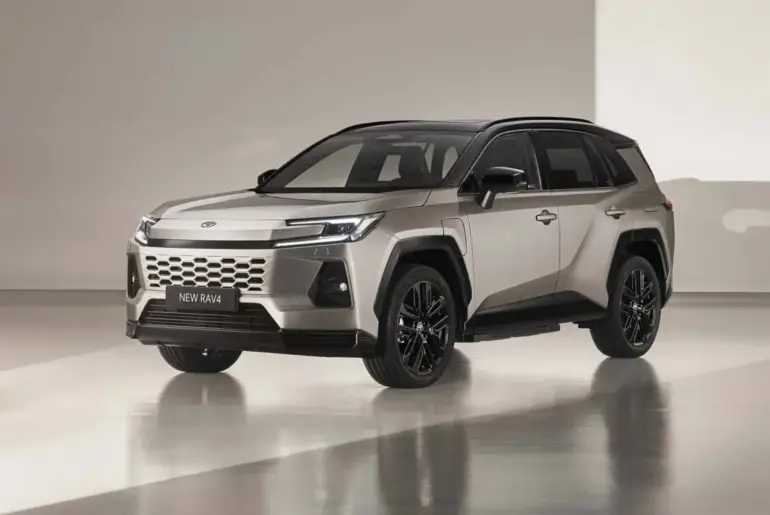
Gas-efficient models remain in peak demand as prices for gasoline show no signs of declining in the near future, with the plug-in hybrid segment striking a good balance for those who do not want to convert entirely to all-electric power, but want the benefits of a slightly more efficient gasoline hybrid powertrain to travel greater distances per fill up. Japanese brands, Mitsubishi and Nissan, offer one of many options for buyers in the crossover SUV segment: namely the Mitsubishi Outlander Plug-in Hybrid and Nissan Rogue Plug-in Hybrid.
In a previous review, we classified the Nissan as the better of the two, but with the latest updates Mitsubishi has announced for the Outlander PHEV for 2026, it’s worth revisiting these two to compare them once more. Specifically, we want to see if any of the updated features onboard the Mitsubishi make it appear as the better of the two plug-in hybrid SUVs, or if buyers should continue to view the Nissan as the better option on paper.
This comparison takes into account manufacturer-supplied specifications as well as test drive experience, where available. All information and pricing quoted here is correct at the time of writing. Prices quoted exclude destination, options, and fees. Manufacturers reserve the right to change prices at any time without notice.
Mitsubishi Outlander PHEV vs. Nissan Rogue PHEV
2026 Differences
Now in its fourth generation, the current Mitsubishi Outlander first debuted for the 2022 model year, with its plug-in hybrid variant launching in North America simultaneously with its gasoline counterpart. Notably, this iteration of the Outlander shares a lot in common with the third-gen Nissan Rogue, including the same 2.5L four-cylinder engine and a host of other cabin design features.
The Nissan Rogue Plug-in Hybrid is a fairly new addition to Nissan’s product lineup, first debuting for this model year (2026), where it is sold alongside its full-gasoline Nissan Rogue counterpart, along with other SUVs marketed by the brand, like the Murano and Pathfinder. While both plug-in hybrid SUVs are sold under different brands, fundamentally, the Rogue and Outlander PHEV are the same car underneath, minus their respective badges and slight exterior design alterations.
Mitsubishi Outlander PHEV: Major Changes For The Latest Model Year
For the 2026 model year, Mitsubishi has notably made several powertrain, cabin refinement, and equipment updates for the Outlander PHEV that, as of this writing, do not apply to the Nissan. Highlights include a slightly updated exterior appearance, new upholstery color and alloy wheel options, and redesigned cabin features that make it more ergonomically friendly and refined. All trims of the plug-in hybrid now receive a 12.3-inch touchscreen infotainment head-unit paired with a Yamaha audio sound system.
Under the hood, the Mitsubishi gains a slightly more powerful electric motor that provides brisker acceleration and increased overall power. A larger battery pack also further extends its all-electric range.
Related
The Upgraded Mitsubishi Outlander PHEV Is Finally Here, And This Is What You’ll Pay
The 2026 Outlander PHEV delivers more power and range, but it comes with a bigger price tag, too.
Rogue PHEV vs. Outlander PHEV Design: Same But (Slightly) Different
More Than Just Shared Bones
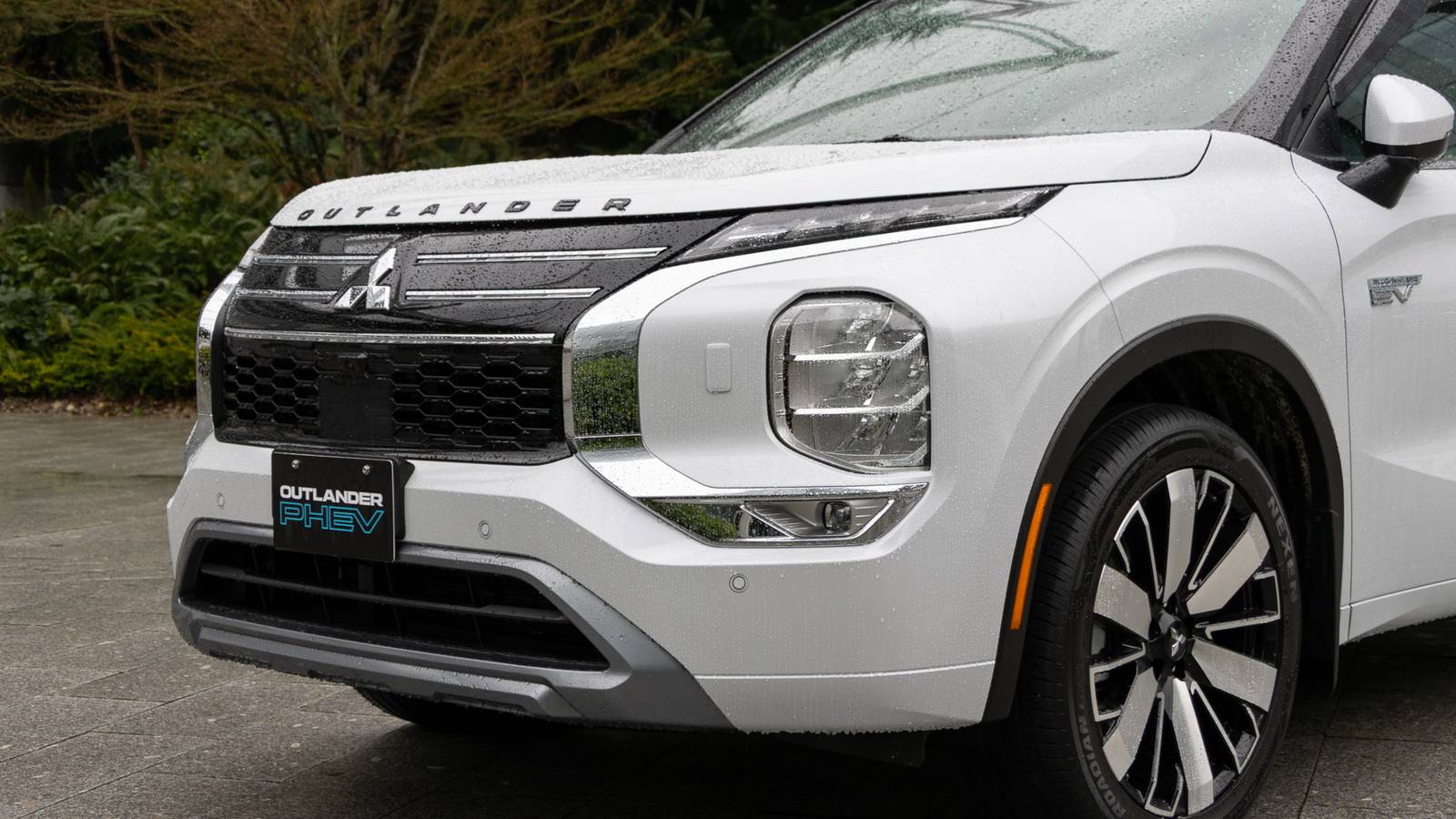
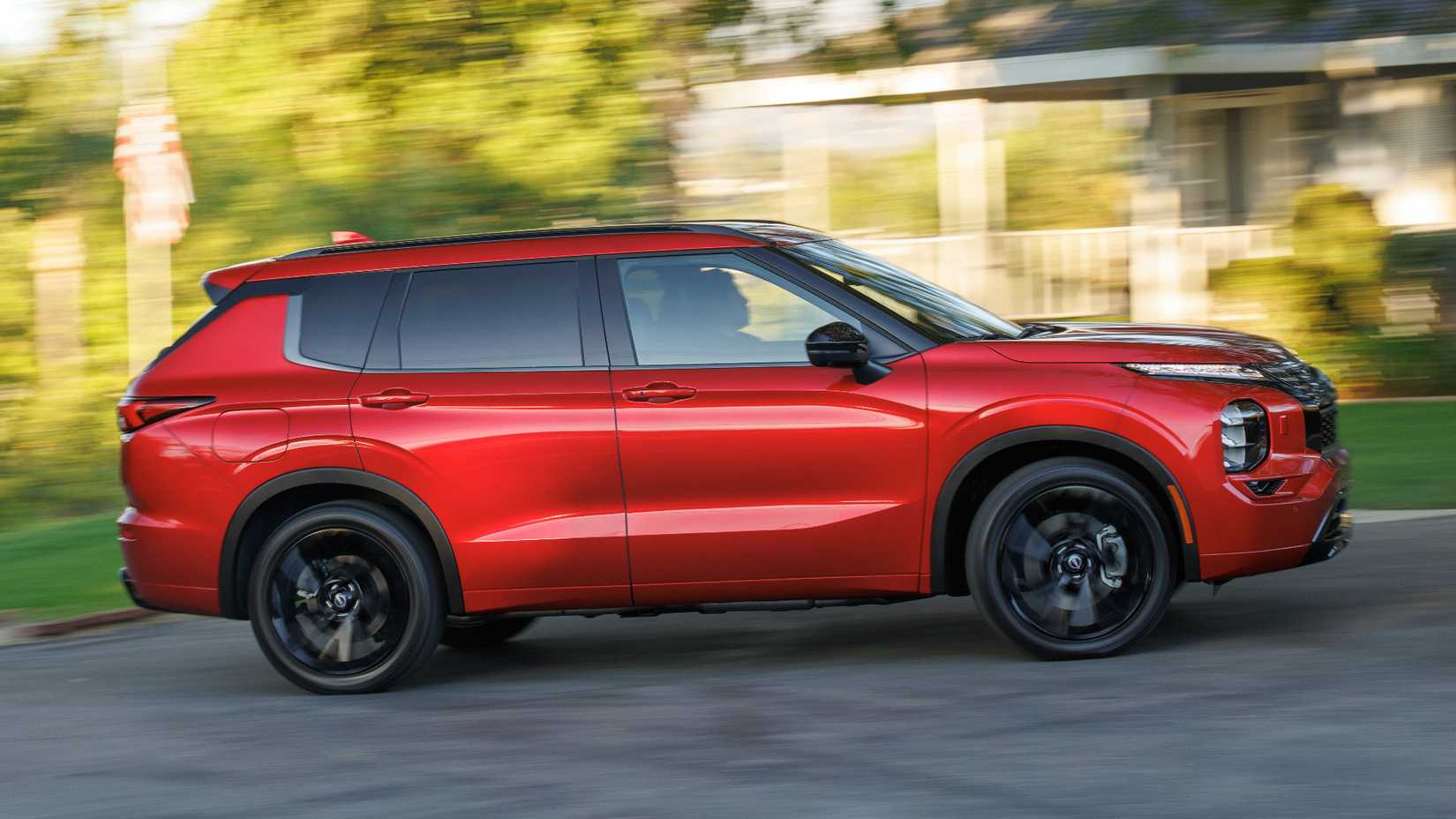
When it comes to the aesthetics of the Mitsubishi Outlander vs Nissan Rogue PHEV, they are on a seemingly equal level – which should be no surprise, as both are essentially identical, minus subtle details between their exterior light, body panels/lines and alloy wheel designs. Chrome features are more pronounced on the Outlander comapred to the Rogue PHEV, especially within the prominent center grille up front.
Line the two SUVs up beside one another, and signs of their shared platform/body make themselves immediately evident, from the side profile to the front section. These comprise a protruding front grille/bumper design with prominently featured LED headlights (albeit the inclusion of different badges and emblems, and with Land-Rover style front lettering seen on the Mitsubishi that spans across the hood).
Mitsubishi Brings Refreshed Styling
The Nissan still looks fresh (being a fairly new model), but the Mitsubishi has already experienced a facelift, given that it has been on the market for longer than its “twin.” These changes are minor, though, and easy to miss, but the highlights of the refresh include a slightly different front grille design and new rear taillights. Moonstone Gray Metallic is also a new addition to the Outlander PHEV’s exterior color palette, alongside the option for more stylish alloy wheels (including 20-inch wheels) and diverse interior upholstery colors, versus the Rogue PHEV’s minimalist color options.
Related
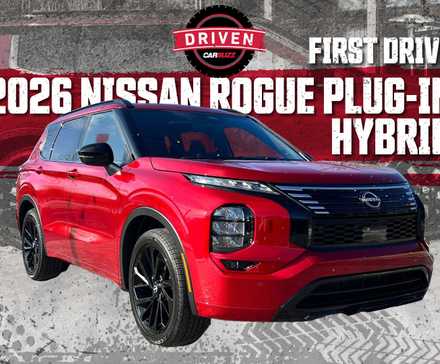
2026 Nissan Rogue Plug-In Hybrid First Drive: The Superior Identical Twin
It’s nearly identical to the other Japanese SUV it’s based on – but its better in a few key areas.
Performance: Is The Mitsubishi Outlander Better Than The Nissan Rogue?
2026 Nissan Rogue Plug-in Hybrid from the sideNissan
Nissan Rogue Plug-in Hybrid
Mitsubishi Outlander Plug-in Hybrid
Powertrain
2.4L Inline Four-cylinder Plug-in Hybrid
Combined Horsepower
248 hp
297 hp
Combined Torque
332 lb-ft
N/A lb-ft
Transmission
CVT Automatic Transmission
Drivetrain
All-wheel Drive
All-wheel Drive
EV Range
38 Miles
45 Miles
Combined MPGe
64 MPGe
~73 MPGe
Total Range (est.)
420 Miles
420 Miles
Comparing the Nissan Rogue PHEV vs the Mitsubishi Outlander PHEV with their respective performance figures and outputs also shows a few differences, given that the Mitsubishi has received a significant upgrade to its plug-in hybrid electric powertrain and internals. Some areas remain identical between the two PHEV SUVs – both continue to utilize continuously variable automatic transmissions, and send all their power to all four wheels.
Some areas remain identical between the two PHEV SUVs from Nissan and Mitsubishi – both continue to utilize continuously variable automatic transmissions, and send power exclusively to all four wheels. Neither were intended to be lightning quick like so many other full-electric SUVs from brands like Tesla, but their four-cylinder plug-in hybrid powertrains offer enough power that matches other PHEV SUVs in this segment.
It’s also worth highlighting that both the Nissan and Misubishi can be recharged by Level 1 and 2 charging, but the Mitsubishi has a slight advantage with support for Level 3 DC fast charging (using ‘CHAdeMO’ technology) that can restore 80% of charge within half an hour.
Outlander Plug-in Hybrid Now (Slightly) More Powerful And Efficient
The Mitsubishi Outlander PHEV is now considered the slightly more powerful and efficient of the two. Customers who opt for the Mitsubishi gain a four-cylinder PHEV powertrain that now uses a larger capacity battery to bump power output close to 300 horsepower, as well as extending the all-electric range to close to 45 miles (versus 38 miles in previous models). A new cooling system for the onboard battery is also integrated for better efficiency of the electrified powertrain. Mitsubishi does note that the total driving range (electric and gasoline combined) remains the same at an estimated 420 miles, given the fuel tank capacity has been reduced in this updated model to accommodate the larger battery.
“For 2026, a larger 22.7-kWh battery pack – up from 20 kWh in the 2025 model – allows the vehicle to operate in EV mode more often and with increased EV driving range. While the pack is increased in size by 13%, the system’s power output is increased by 60%. This contributes to an improved all-electric range of 45 miles (up from 38 miles) and gives the Outlander PHEV the ability to operate in electric mode over a far greater range of operation than before.”
Related
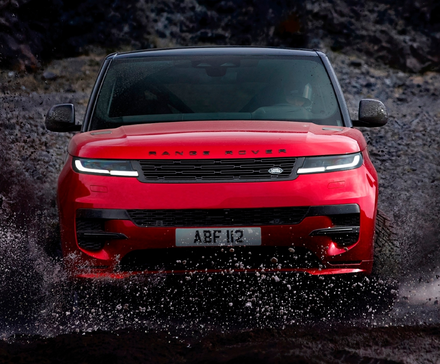
10 Plug-In Hybrids With The Most All-Electric Range
These are the top 10 PHEVs most likely to get you to work and back without burning a drop of gasoline.
Interior And Tech Differences: Outlander vs. Rogue
As Modern As Can Be
To see how the Mitsubishi Outlander vs Nissan Rogue PHEV stack up in terms of equipment, we compare the two in their most expensive top-line trims below. In these forms, both SUVs come very well-equipped as standard – including up to three-row seating, leather upholstery, massaging front seats, and keyless entry/ignition functions. Driver-assistance features are also plentiful on both, with aids like blind-spot warning, adaptive cruise control, and around-view camera also coming as standard.
2026 Nissan Rogue Plug-in Hybrid Platinum AWD
2026 Mitsubishi Outlander Hybrid SEL Black Edition
Leather Upholstery
S
S
Ventilated Front Seats
S
S
Heated Steering Wheel
S
S
Front Seats Massaging Function
S
S
Third-row Seating
S
S
12.3-Inch Digital Dashboard w/ Head-up Display
S
S
Dual 1500W Power Outlets
S
S
Premium Audio System
S (Nine-speaker Bose Audio System)
S (Nine-speaker Yamaha Audio System)
Keyless Entry & Start
S
S
Blind-spot Monitoring
S
S
Adaptive Cruise Control
S
S
360-degree View Camera
S
S
Digital Rearview Camera
N/A
S
*S = Standard, O = Optional, N/A = Not Available
Mitsubishi Brings Further Refinements To The Cabin And Slightly Better Grade Of Equipment
The revised Outlander PHEV for this year benefits from several changes its Nissan equivalent misses out on, which bring a slightly better cabin experience for the occupants inside. Mitsubishi states they have added more sound deadening/insulation materials with the revised model, complementing retuned suspension and steering settings that have also been implemented for a more stable ride.
2026 Mitsubishi Outlander PHEVEvan Williams/CarBuzz/Valnet
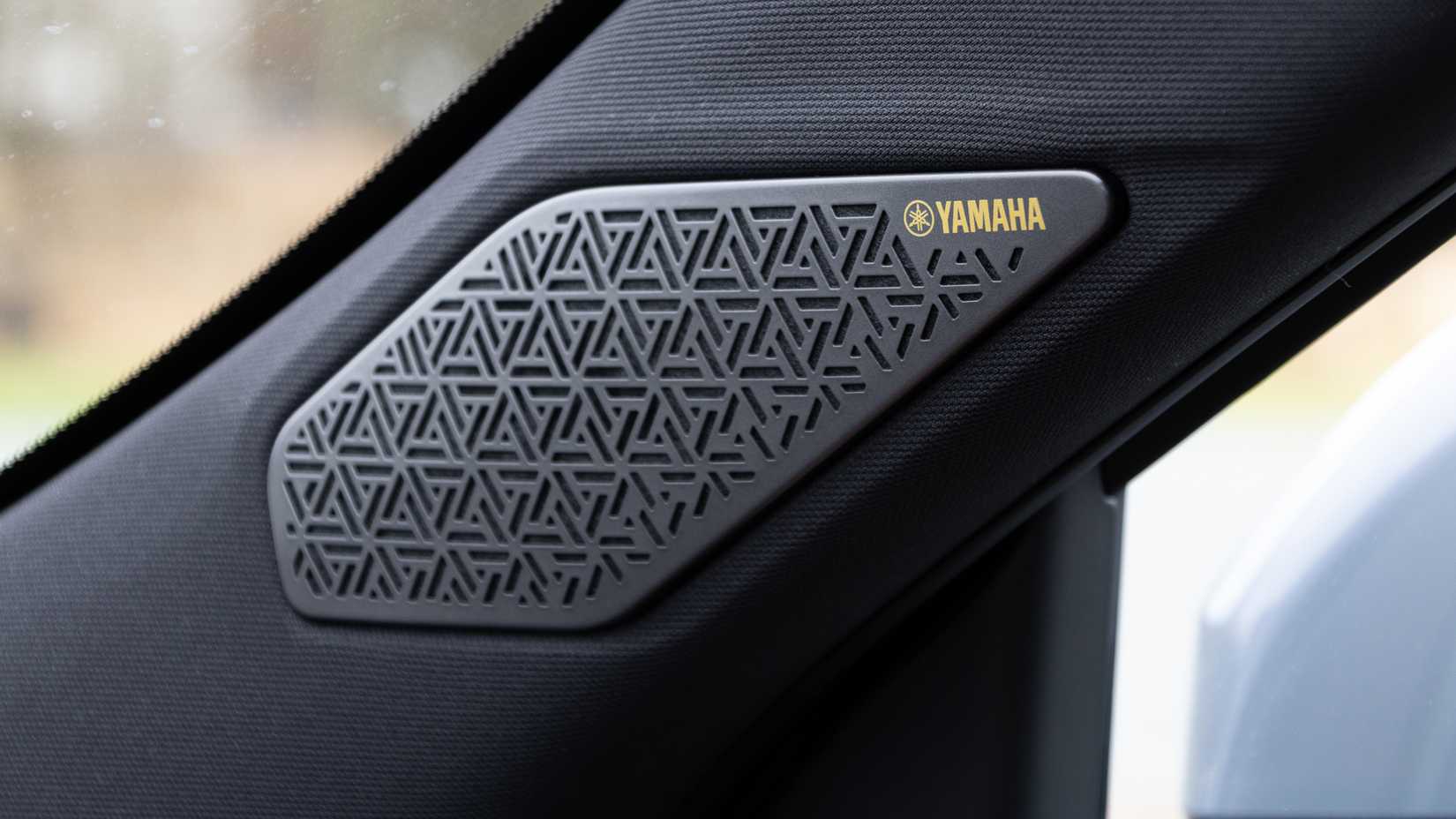
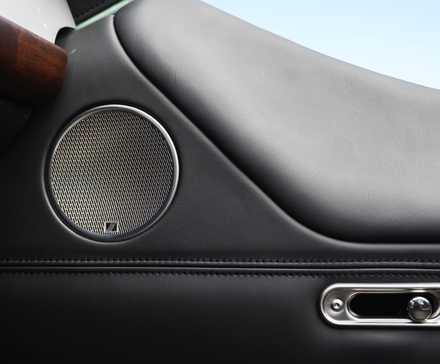
The Mitsubishi also benefits within the in-car audio department, with the option for a high-end Yamaha audio system that outclasses the Bose audio system available in the top-line Rogue PHEV. The most premium setup, the Dynamic Sound Yamaha Ultimate system, brings 12 speakers with a subwoofer and DSP (Digital Signal Processor) technology for maximum audio clarity. Both Yamaha systems (Premium and Ultimate) also bring adaptive volume adjustment to ensure background noise doesn’t interfere with the audio quality, no matter the current traveling speed/ventilation fan settings, or while driving in the heaviest of rainstorms.
“(Additonal) sound insulation and sound deadening material was applied in 18 separate areas throughout the vehicle. The result of this work is a reduction of more than 0.5dB in road noise and nearly 6dB in overall sound isolation compared to earlier Outlander PHEVs.
There are also two distinct Yamaha-developed systems in the Outlander PHEV: Dynamic Sound Yamaha Premium and Dynamic Sound Yamaha Ultimate. Both transform the vehicle into a listening room on wheels, creating a unique sound experience and a private concert hall in the cabin.”
Related
The Last Brand You’d Think Of Just Got The Best Car Sound System
You can finally listen to Sennheiser in the US.
Pricing: Rogue vs. Outlander Plug-In Hybrids
Just A Few Grand Difference
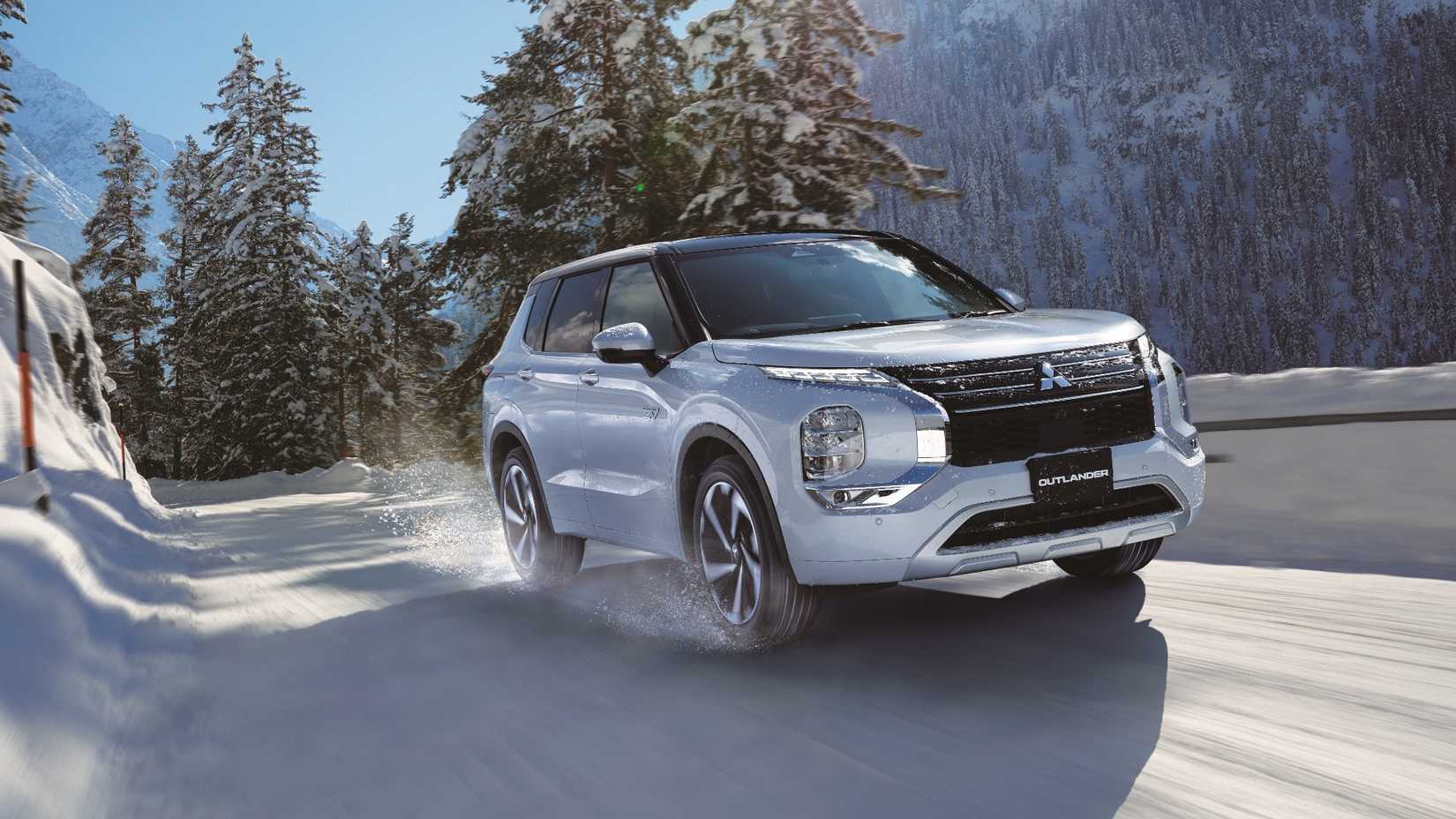
2025 Mitsubishi Outlander PHEV Esterior Driving in SnowMitsubishi
Model
Base MSRP*
2026 Mitsubishi Outlander PHEV ES
$43,245
2026 Nissan Rogue Plug-in Hybrid SL AWD
$45,990
2026 Mitsubishi Outlander PHEV SE
TBC
2026 Nissan Rogue Plug-In Hybrid Platinum AWD
$49,990
2026 Mitsubishi Outlander PHEV SEL
TBC
2026 Mitsubishi Outlander PHEV Black Edition
TBC
* Excludes options, destination, and any rebates
While the tech and size of the Nissan Rogue PHEV vs Mitsubishi Outlander PHEV may be near identical, their pricing is not.Comparing these two great plug-in hybrids, the Mitsubishi shines as the cheapest option, with a starting price of just under $45,000 for MY2026, a difference of around $2,000 between the cheapest Rogue. Two thousand dollars may not sound like a lot, but for some people, it is the difference between making rent at the end of the month or not.
The Mitsubishi Outlander PHEV currently offers more trim levels than the Rogue PHEV for the 2026 model year, allowing more flexibility for potential customers eyeing these two SUV models, with top-line variants of the Mitsubishi expected to top out around $50,000. But, when comparing the two SUVs, it’s worth highlighting that full details regarding the Mitsubishi lineup’s price range have not been confirmed yet, so it may end up with some even pricier variants than anything the Nissan has to offer.
Conclusion: Which Is Better?
The updates that the latest Outlander PHEV brings make it a slightly more alluring option over the Nissan, especially with its slightly cheaper entry level price when compared to the Nissan. While not major dealbreakers, buyers are likely to appreciate the improved refinements felt within the cabin ergonomics, the available Yamaha audio system that brings an elevated in-car entertainment experience, along with the more efficient plug-in hybrid powertrain that are expected to make minor, but noticeable, differences in the driving experience.
It’s worthwhile for any potential customers interested in these SUVs to give them a test drive and compare them in person to judge which one, badge preference aside, satisfies their requirements and expected budget for a PHEV family vehicle in this segment.
Sources: Nissan, Mitsubishi