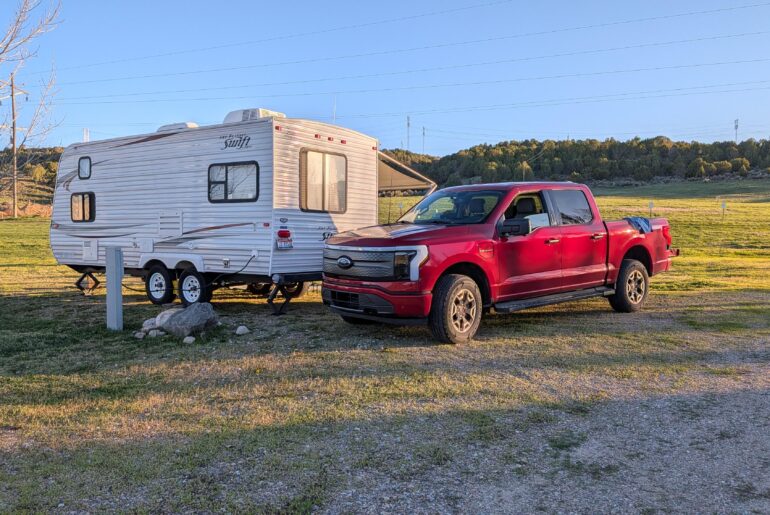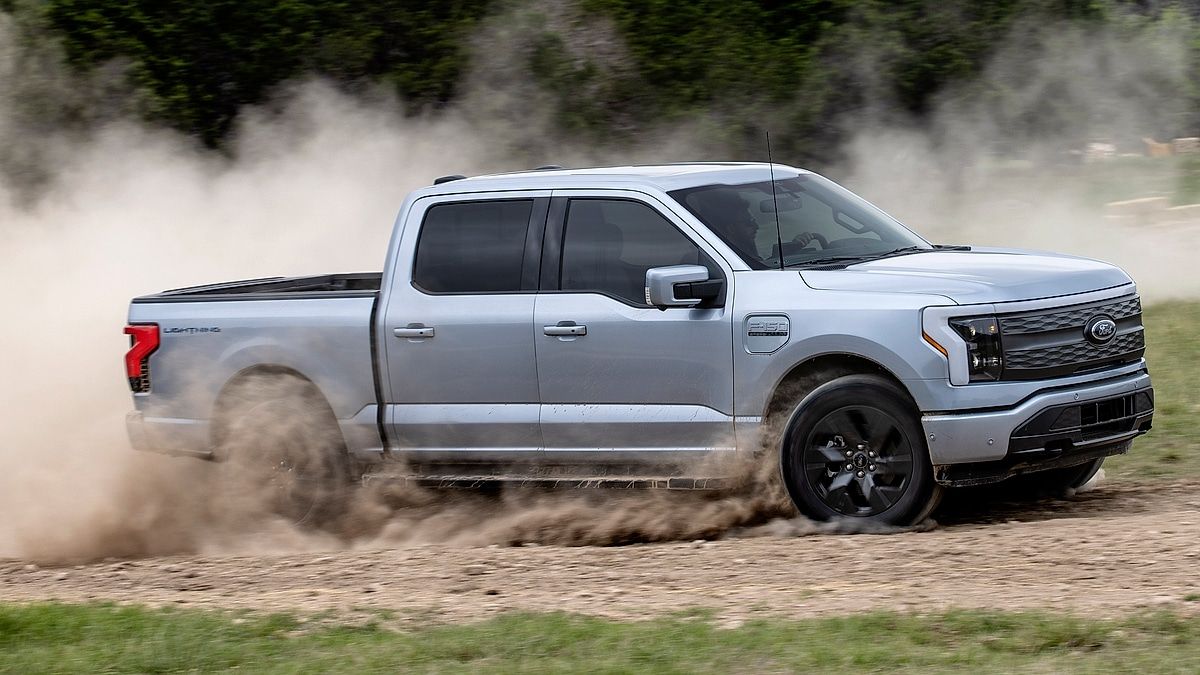
In just one year, Reddit user diesel_0nly put 38,327 miles on his 2022 F-150 Lightning Standard Range, and lost only 1.5% of the battery’s original capacity. When he shared the numbers online, fellow Lightning owners chimed in with their own data. Together, the results paint a more optimistic picture of EV battery longevity than many drivers might expect.
“I’ve had the truck for almost one year exactly, and I love it! The battery has only degraded 1.5% since I checked it last, when I first got it. Great truck!” he wrote. The truck serves as his daily driver for a 20-mile round-trip commute in Fort Myers, Florida. He charges to 90% on a Level 2 home charger. He has used DC fast charging a handful of times for trips to Orlando, Tampa, and Miami. The truck sits in the shade when possible. He has charged to 100% approximately ten times, usually by accident after road trips when he forgot to reset the charge limit.
This usage pattern should stress a battery pack. Florida heat accelerates chemical degradation. Frequent cycling and occasional fast charging add wear. Yet the State of Health (SoH) reads 98.5%.
Another owner, Omar893, posted strange numbers. He bought a used 2022 Platinum with 22,000 miles in October 2024. The SoH showed 96.5%. He drives extensively for work, charges to 100%, and drains the battery regularly. Over six months and 29,000 additional miles, the SoH climbed to 99.5%.
Ford F-150 Lightning: Frunk and Instant Torque
The Lightning translates the capabilities of the standard F-150 into an electric platform. It maintains the same cab and bed dimensions as the gas-powered version, ensuring compatibility with existing aftermarket accessories and tools.
The front trunk provides 14.1 cubic feet of lockable, waterproof space and includes four electrical outlets. The truck maintains a maximum towing capacity of up to 10,000 pounds when equipped with the extended-range battery.
The Pro Power Onboard system supplies up to 9.6 kW of exportable power. This is enough to run heavy-duty power tools at a job site or provide emergency backup electricity to a home during an outage.
Unlike the standard F-150, which uses a solid rear axle, the Lightning features an independent rear suspension. This change significantly improves ride comfort and handling on uneven pavement while housing the rear electric motor.
The battery did not heal. Batteries do not heal. Lithium-ion cells experience irreversible capacity loss through lithium plating, electrolyte decomposition, and electrode structural changes. The increase reflects calibration refinement in the Battery Management System (BMS).
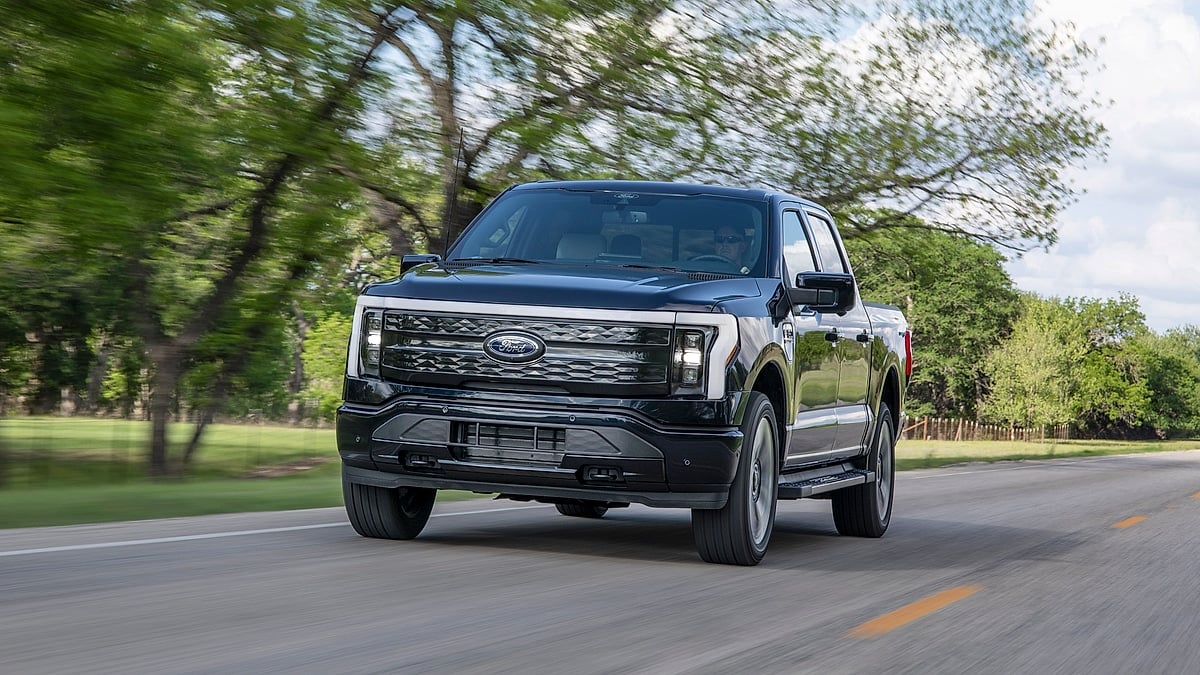
The BMS estimates SoH through voltage curves, internal resistance measurements, and charge acceptance patterns. These estimates drift from actual capacity, particularly after incomplete charge cycles or extended storage. GodKingJeremy experienced this directly. He bought a used 2023 XLT with a replaced battery module showing 90.5% SoH. The module had sat in cold storage. Over 6,000 miles, the reading climbed to 96.5%. The battery was fine. The algorithm was catching up.
omar893 explained the phenomenon: “Whoever owned it previously never calibrated it to 100%, or the vehicle was parked at the dealer for some time, and the SOH was being conservative due to inactivity.”
The Lightning uses NMC chemistry with liquid cooling. Ford’s thermal management maintains optimal cell temperatures. The large pack size means most daily driving uses minimal cycle depth. These factors contribute to longevity.
Owners report consistent real-world range. One noted: “No one seems to be reporting a noticeable range decrease with time, so that seems to back up the soh reports.” Another owner with 42 months and 50,000 miles shows 99% SoH. A 2022 XLT SR with 17,000 miles reads 98%.
Skepticism persists. One owner questioned the accuracy: “When the number changes constantly for something like NMC batteries with known, physics-based calendar and cycle aging characteristics, it makes me think that the SOH reported actually just isn’t accurate, not that it’s healing.”
The skepticism is warranted. BMS algorithms incorporate safety margins and conservative assumptions. The practical solution is tracking relative changes over time rather than fixating on absolute numbers. A battery showing consistent SoH across months of driving is likely healthy. The rapid decline from 98% to 90% warrants investigation.
Ford ended production of the all-electric Lightning in December 2025. The company lost $5 billion on its Model e EV unit in 2024. CEO Jim Farley cited “customer-driven shift” and “no path to profitability” for the discontinuation. The Rouge Electric Vehicle Center in Dearborn is being retooled for gas and hybrid trucks. Ford will convert Kentucky battery plants to produce stationary storage for data centers and grid balancing.
An extended-range electric vehicle (EREV) version will replace the pure electric Lightning. It keeps the electric powertrain but adds a gasoline generator. Ford claims a 700+ mile range and towing capability comparable to internal combustion trucks. Production starts in 2026.
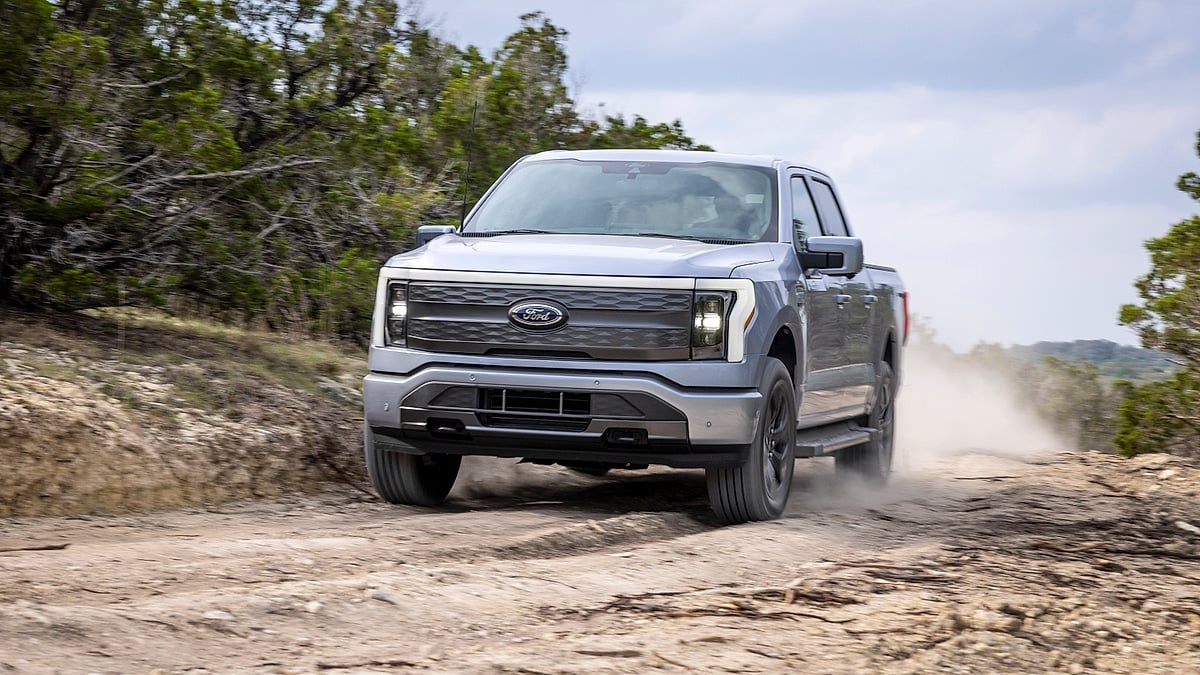
diesel_0nly’s 1.5% degradation after a year of heavy Florida use suggests the first-generation Lightning’s battery engineering was sound, even if the business case was not. For owners holding used models, the data indicates these packs may outlast the vehicles themselves. Ford’s shift to EREV technology acknowledges that American truck buyers want electrification benefits without range and charging compromises.
The question for the industry: If modern EV batteries can retain 98%+ capacity after 50,000 miles, why are automakers retreating from the technology they spent billions developing?
Image Sources: Ford Media Center
About The Author
Noah Washington is an automotive journalist based in Atlanta, Georgia, covering sports cars, luxury vehicles, and performance culture. His reporting focuses on explaining the engineering, design philosophy, and real-world ownership experience behind modern vehicles.
Noah has been immersed in the automotive world since his early teens, attending industry events and following the enthusiast communities that shape how cars are built and driven today. His work blends industry insight with enthusiastic storytelling, helping readers understand not just what a car is, but why it matters.
Noah is also a member of the Southeast Automotive Media Association (SAMA), a professional organization for automotive journalists and industry media in the Southeast.
His coverage regularly explores sports cars, luxury vehicles, and performance-driven segments of the automotive industry, including the evolving culture surrounding Formula Drift and enthusiast builds.
Read more of Noah’s work on his author profile page.
You can also follow Noah here:
Follow us today…