© Freelander
Freelander se vraća kao zasebni brend u CJLR joint venture-u, s prvim modelom koji koristi 800-voltnu arhitekturu i podržava EV, EREV i PHEV. Saznajte više o ovoj novoj strategiji.

Michael Powers, Editor
07:01 05-04-2026
Relaunching the Freelander name isn’t about nostalgia or reviving an old model. It’s about establishing an independent brand within the Chery Jaguar Land Rover (CJLR) joint venture. In 2024, the partners signed an agreement where JLR licenses the Freelander name for a new line of electrified vehicles built on a Chery architecture.
This detail matters because it highlights a deliberate strategy: the new Freelander is officially positioned as separate from both Chery brands and JLR’s premium ‘House of Brands,’ which includes Range Rover, Defender, Discovery, and Jaguar. This separation allows a mass-market NEV offensive to proceed without affecting the expensive British marques.
In practice, this means Chery provides the platforms, battery technology, and manufacturing capacity, while JLR contributes design DNA, heritage, and a sense of ‘premium object.’ Overall, the picture is straightforward: this is a pragmatic industrial alliance, not just a cost-saving cooperation.
Debut Model and the 800-Volt Bet
On March 31, 2026, Freelander unveiled its first ‘family off-road SUV.’ The key technological focus is a new 800-volt electrical architecture. Designed from the start for three powertrain types, it supports a fully electric version (EV/BEV), a range-extender version (EREV/REx), and a plug-in hybrid (PHEV).
The 800-volt system is more than marketing; it’s a tool for boosting efficiency. Higher voltage allows for lower current at the same power, reducing thermal losses and enabling faster charging speeds. This approach has already proven effective for brands like Porsche and Hyundai.
Freelander has also announced an aggressive rollout pace: a new model every six months for five years. This is the strategy of a startup, not a classic British automaker.
Why EREV and PHEV Matter
Betting solely on ‘pure’ electric vehicles limits the market based on charging infrastructure. That’s precisely why Freelander is building in multiple scenarios from the outset. An EREV is essentially an electric car where a small internal combustion engine acts as a generator to recharge the battery, with the wheels driven by an electric motor. A PHEV, in turn, is a plug-in hybrid that allows for electric-only driving in the city while using the combustion engine on longer routes. This mix of powertrains makes the brand flexible for different markets, from China to Europe.
Production and New Business Logic
Freelander will become the key project at the CJLR plant in Changshu, which previously built localized versions of the Discovery Sport and Range Rover Evoque. The focus now is on a completely new line of NEV models under a separate brand.
 © Freelander
Why couldn’t all this be launched as a Land Rover? Because JLR is building a ‘House of Brands’ strategy where Range Rover and Defender must maintain their premium status without price erosion. A separate brand allows them to avoid diluting the premium image, use Chinese platforms without compromising flagship models, and react faster to changes in the NEV market.
The platform, which is presumably related to the Chery E0X architecture, is already designed for EV and PHEV configurations and can support multiple vehicle segments.
Design: British Code Without Retro
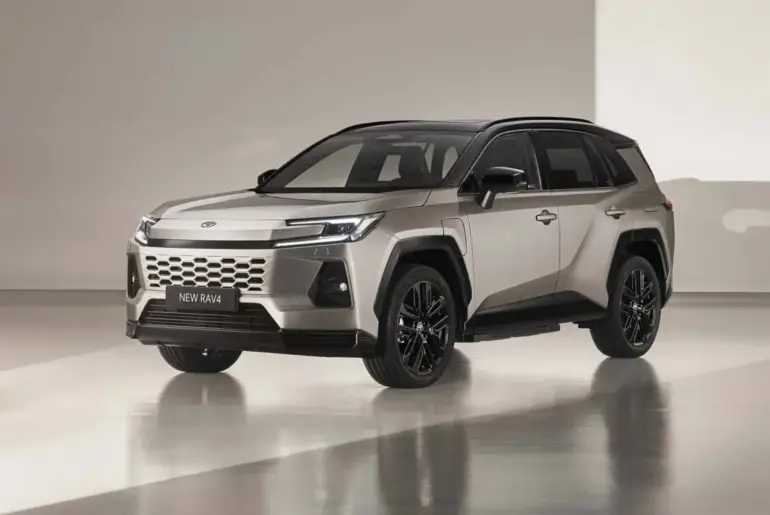
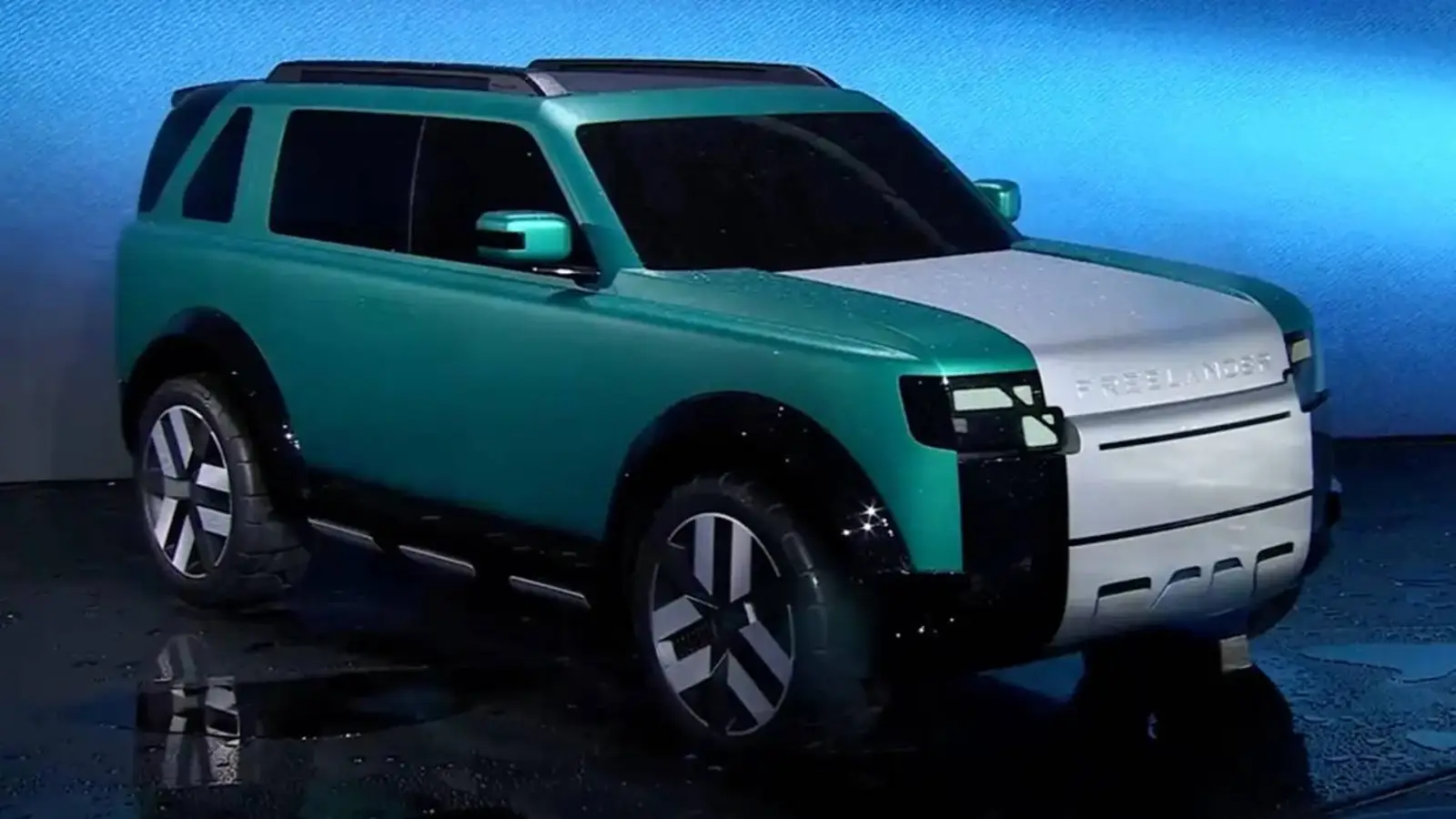
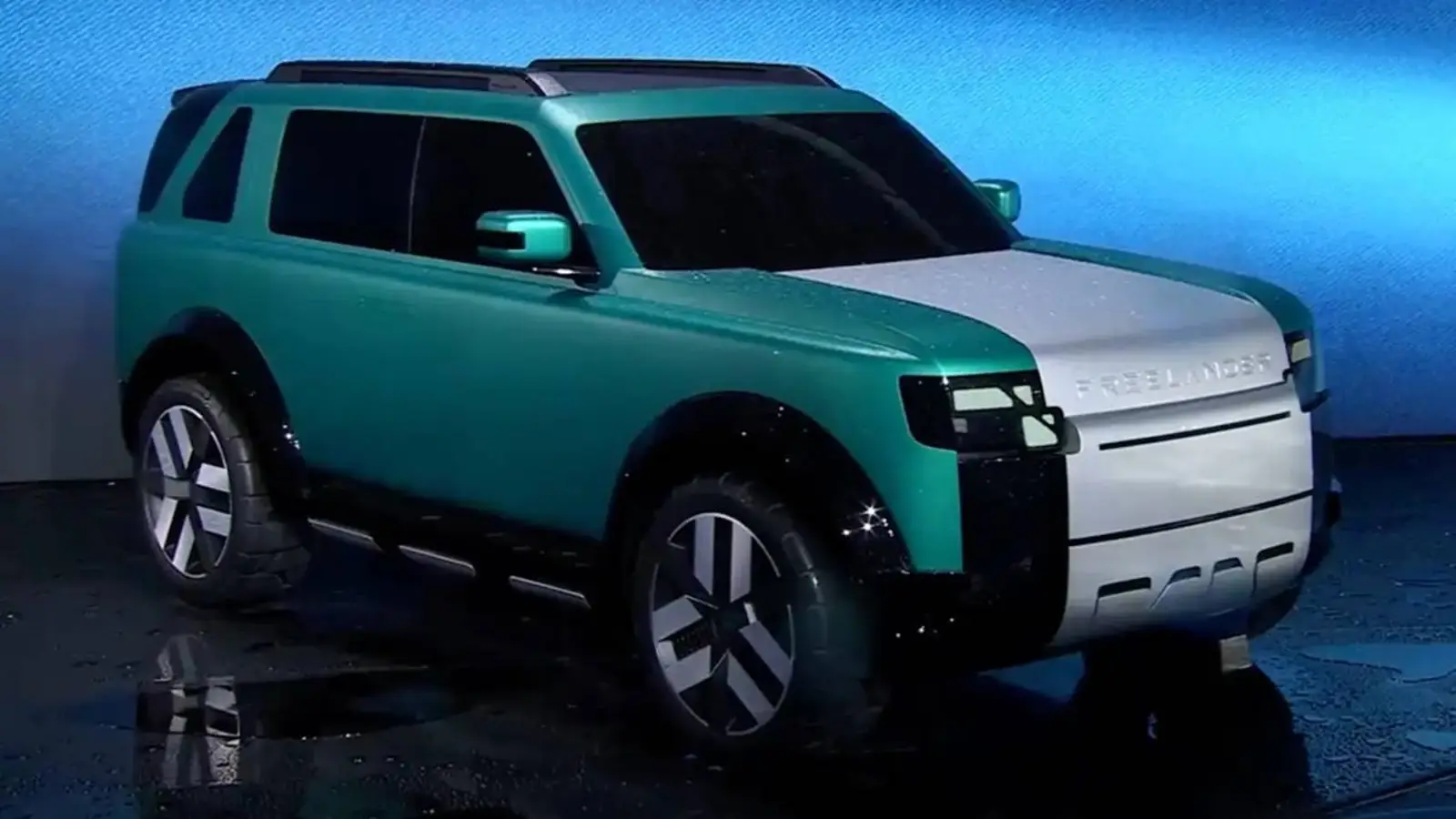
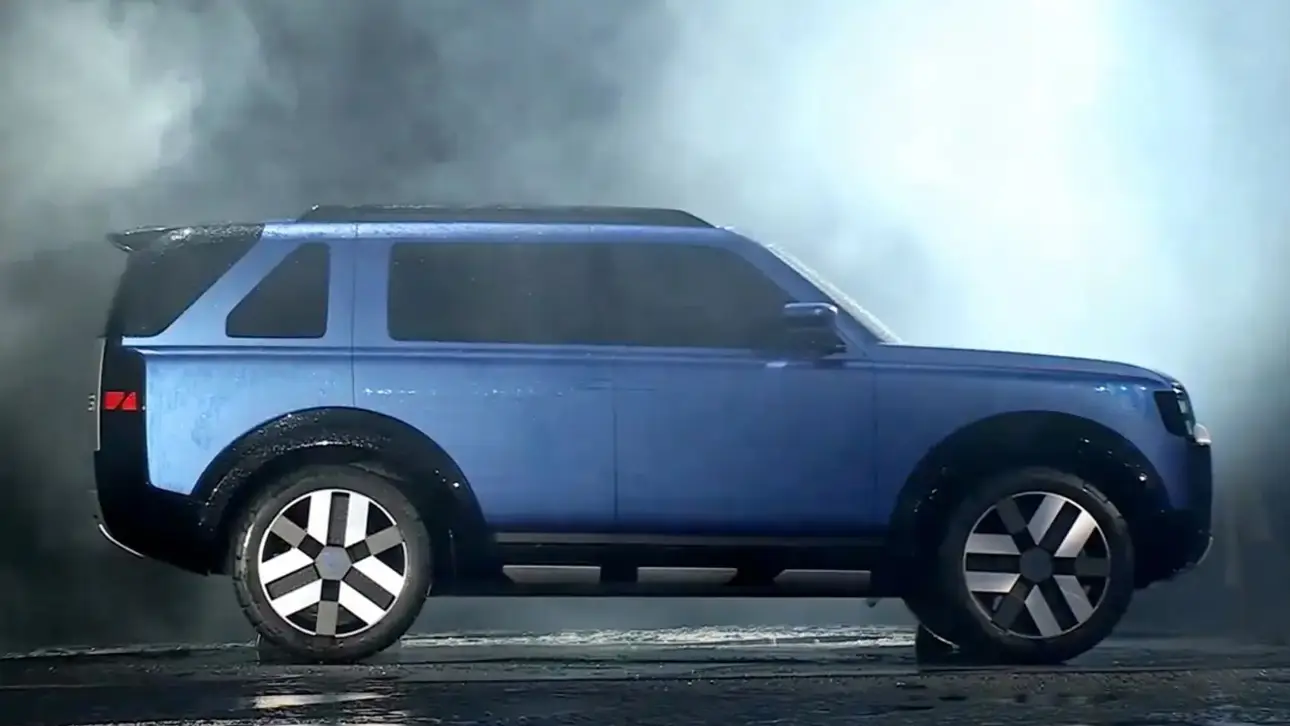
The designers faced a complex task: maintaining recognizability without copying the Defender or Range Rover. The exterior features nods to the original Freelander through the shape of the rear pillar and body geometry.
The look is modern: a monolithic front end, pixel-style lighting, and clean vertical surfaces. According to industry publications, the production version will be nearly identical to the concept, with the exception of some show-car elements.
Who This Car Is For
Freelander is aimed at buyers who want a rugged SUV image but use their vehicle primarily in the city, aren’t ready to pay for a Range Rover but desire a sense of brand, and choose their powertrain based on the regional infrastructure.
In China, competition is expected in the segment of ‘boxy’ electrified SUVs. In Europe, the bet is on global certification and compliance with safety standards.
Main Risks
Technologically, the project looks well-considered. The main question is brand perception outside China. Who will sell and service the vehicles, what warranty will be offered, and how the concept of ‘British heritage on a Chinese architecture’ will be explained to buyers are key points.
The Freelander 2026 isn’t the return of an old model; it’s a new industrial strategy. JLR keeps its premium brands ‘pure,’ while CJLR gets a chance to enter the global market with an electrified lineup. This isn’t about nostalgia; it’s about speed, scale, and a new architecture for the automotive business.