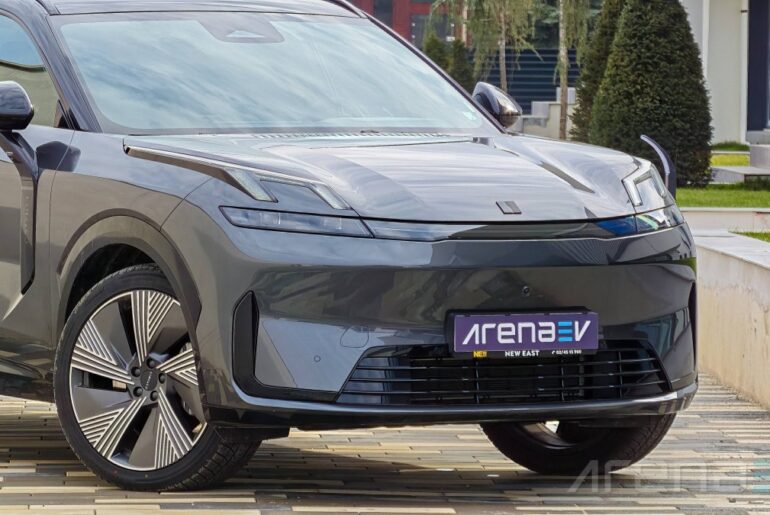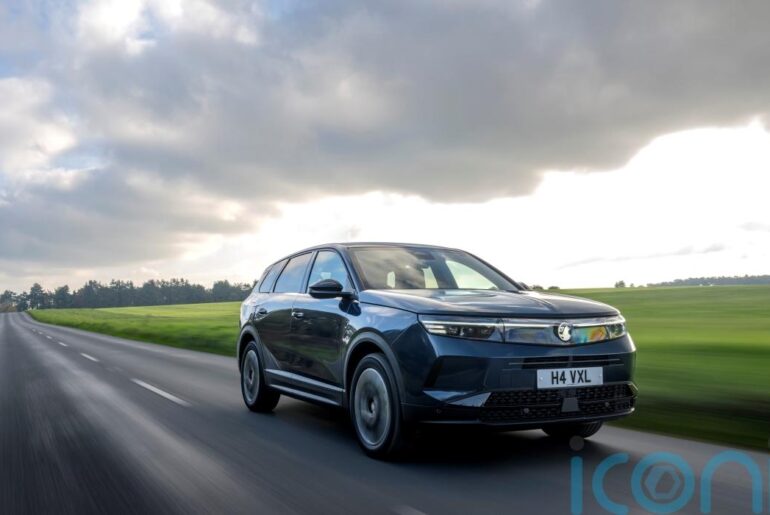
A few years ago, automakers faced a difficult decision. They could focus exclusively on electric vehicles, dismissing hybrids and plug-in hybrids, or choose a more balanced but expensive approach by investing in various technologies.
The Risky Bet on Electricity
A number of companies chose the electric path, which later resulted in serious losses for them, as market adaptation occurred more slowly than they expected. The situation was worsened by the cancellation of the federal tax credit in the USA and governments stepping back from overly ambitious environmental plans. This forced automakers to cancel electric vehicle models and abandon plans for a full transition to electricity. Companies recorded enormous losses and are now trying to catch up with competitors who chose a more diverse strategy.
More: A month ago, gasoline cost $2.98. Now, for the first time since 2022, it has crossed the $4 mark
Expensive Gasoline Deepens the Problems
Since some companies were counting on a rapid transition to EVs, many of them simply do not have a wide selection of hybrids or plug-in hybrids for customers. This is bad news in an era when the average national price per gallon of gasoline exceeds $4, and in some states approaches $6.
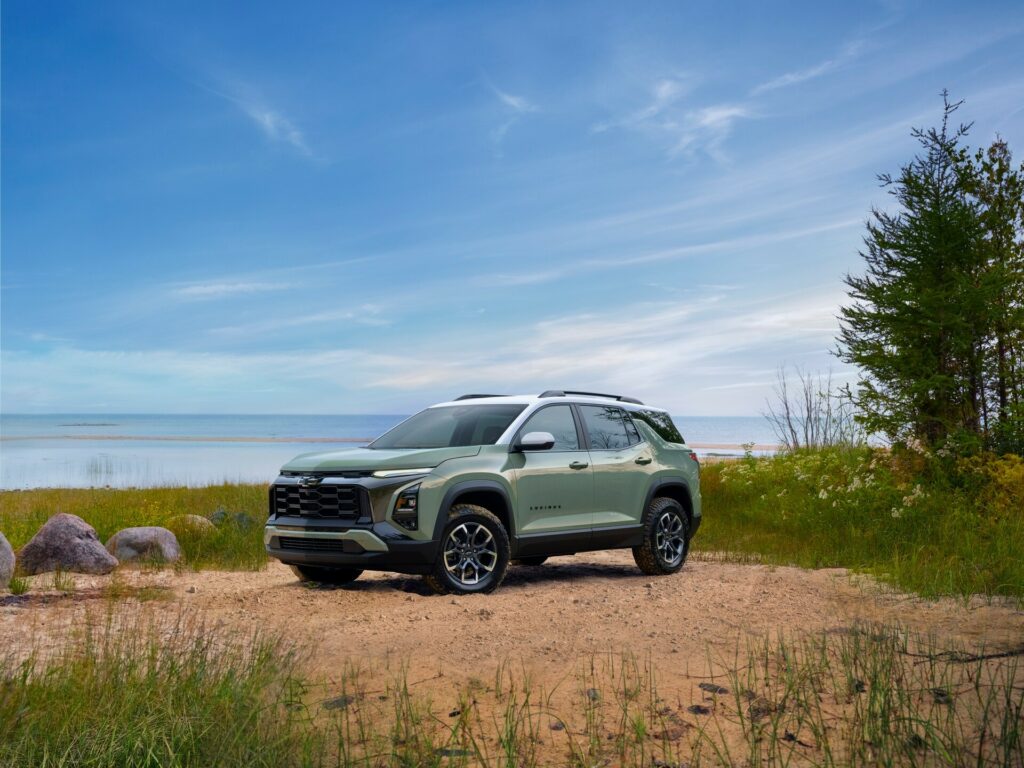
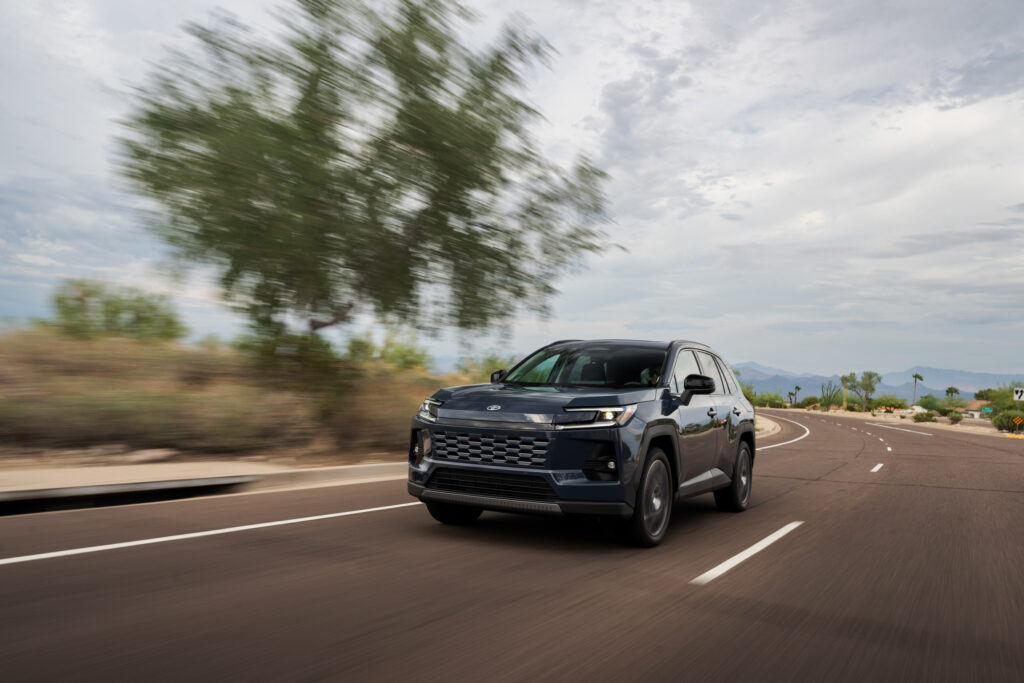
The only hybrid that General Motors offers in America is the Corvette E-Ray for $108,600, and that’s a huge problem. A consumer looking for a compact crossover might consider the Equinox, which consumes up to 26 miles per gallon in the city, 29 on the highway, and 27 combined. That’s not bad, but the Toyota RAV4 shows 47 mpg in the city, 40 on the highway, and 43 combined. That’s a huge difference, especially with high fuel prices.
Hyundai and Kia also offer hybrid competitors—the Tucson and Sportage. The first offers up to 38 mpg in all cycles, while the second offers up to 41 mpg in the city, 44 on the highway, and 42 combined. It’s also worth noting that all three competitors have plug-in hybrid versions, while GM does not offer any in the USA.
Not Just GM
General Motors is not the only automaker that made a big bet on EVs and regretted it. Ford has a limited hybrid lineup consisting of the Maverick and F-150. The Escape, which offered hybrid and plug-in hybrid options, was recently discontinued, and the Explorer Hybrid is only available for police and the Pope.
Hybrid Sales Are Soaring
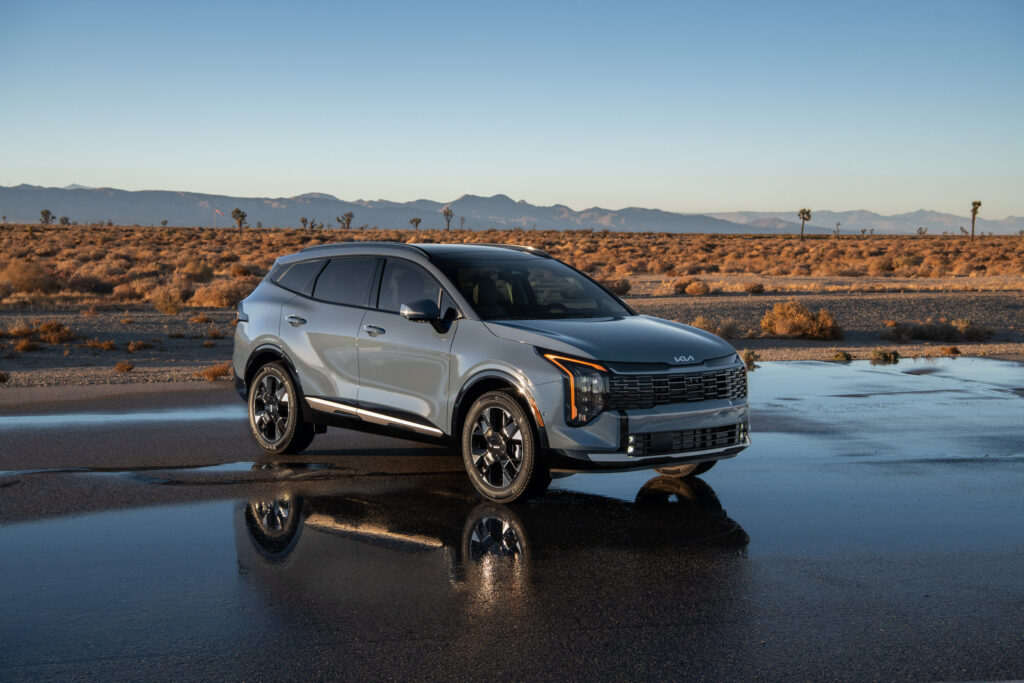
Hybrid sales are soaring. Kia recently reported that hybrid sales jumped by 73%, setting a new quarterly record. Last month was also the best March in Hyundai’s history for hybrid sales. The company noted that in the first quarter, hybrids showed a big jump: Elantra Hybrid—by 141%, Sonata Hybrid—by 107%. Santa Fe Hybrid also saw a 47% increase, as consumers value efficiency.
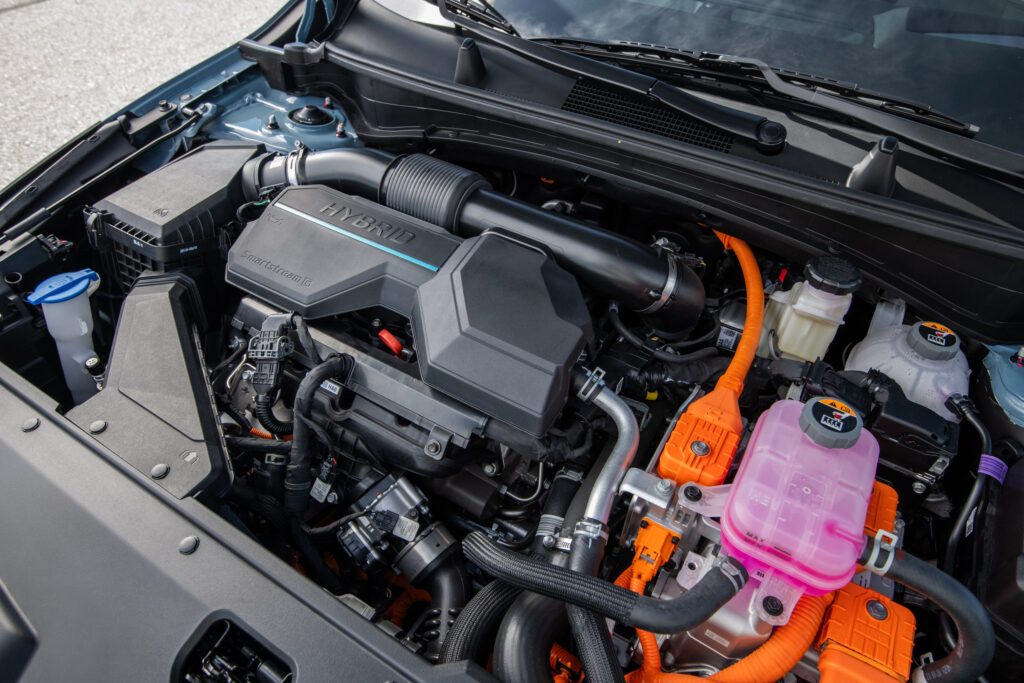
Although Toyota’s sales fell by 6.9% in the first quarter, high gasoline prices may help reverse this trend, as the company offers a stunning array of hybrids. At last count, there are seventeen. The list includes Camry, Corolla, Crown, Corolla Cross, Prius, as well as Crown Signia, Highlander, Grand Highlander, Land Cruiser, RAV4, 4Runner, Tacoma, Tundra, Sequoia, and Sienna. Two of these models, the Prius and RAV4, are also available as plug-in hybrids.
Comparison with Other Giants
This is a huge model range, especially compared to Ford, GM, and Stellantis. The latter recently discontinued plug-in hybrid production and offers only the new Cherokee Hybrid in America. However, extended-range versions for the Ram 1500 and Grand Wagoneer are expected.
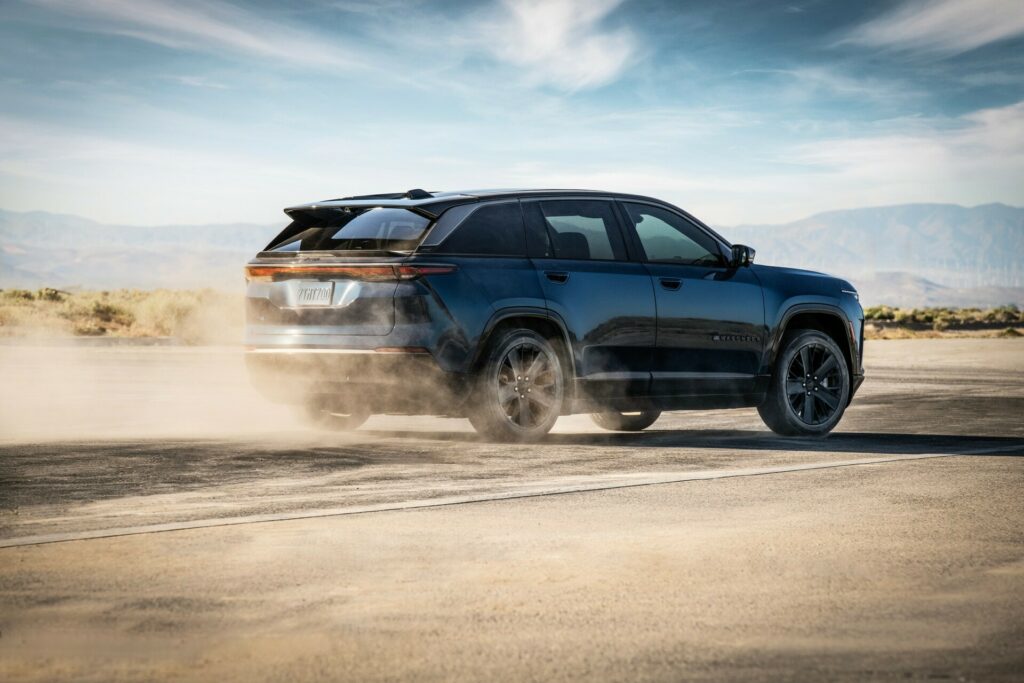
Although electric vehicles to some extent protect these companies during periods of high fuel prices, consumers have made it clear: the majority want hybrids, not fully electric vehicles.
Today’s market situation vividly demonstrates that a strategy focused on a single technology can be too risky in conditions of economic and geopolitical fluctuations. A diverse offering, as with Toyota and Hyundai, proves to be more resilient to change. High fuel prices not only increase demand for economical models but also accelerate the redistribution of market shares, rewarding those who managed to offer customers a choice. The future of the automotive industry seems to lie not in a rigid confrontation of technologies, but in their flexible combination, meeting the different needs and budgets of consumers in different regions of the world.