https://speedme.ru/en/posts/id41442-hyundai-s-flexible-powertrain-strategy-amid-shifting-ev-demand
Hyundai’s flexible powertrain strategy amid shifting EV demand
Hyundai commits to EVs, hybrids, and engines with new IMA platform
Hyundai’s flexible powertrain strategy amid shifting EV demand
Hyundai reaffirms its electrification strategy, including EVs, hybrids, and ICE vehicles, using the new IMA architecture to adapt to market trends and maintain global competitiveness.
2026-04-04T21:10:16+03:00
2026-04-04T21:10:16+03:00
2026-04-04T21:10:16+03:00
Hyundai is sticking to its powertrain development strategy despite the dip in U.S. demand for electric vehicles. The company confirmed its commitment to electrification, but clarified this will be complemented by hybrids and traditional internal combustion engines.Brand representatives pointed to the market’s uneven nature, explaining why the manufacturer is betting on a flexible approach. The lineup will continue to include electric vehicles, hybrids, and cars with conventional engines.The waning interest in electric cars in the U.S. is linked to several factors, including infrastructure and policy shifts. However, periodic spikes in fuel prices do reignite demand for electric models. Hyundai emphasizes that its strategy shouldn’t be swayed by short-term trends, as the evolution of technology, infrastructure, and consumer preferences is a long-term process.For future models, Hyundai is developing a new Integrated Modular Architecture (IMA), which will build upon the current E-GMP platform. This architecture will enable the creation of a broader range of models using unified components. In practice, this means Hyundai is doubling down on new vehicles with various powertrain types to adapt to shifting demand and maintain its position in the global market.
Hyundai, electric vehicles, EV demand, powertrain strategy, hybrids, internal combustion engines, IMA platform, automotive market, electrification
2026
news
© hyundai.com
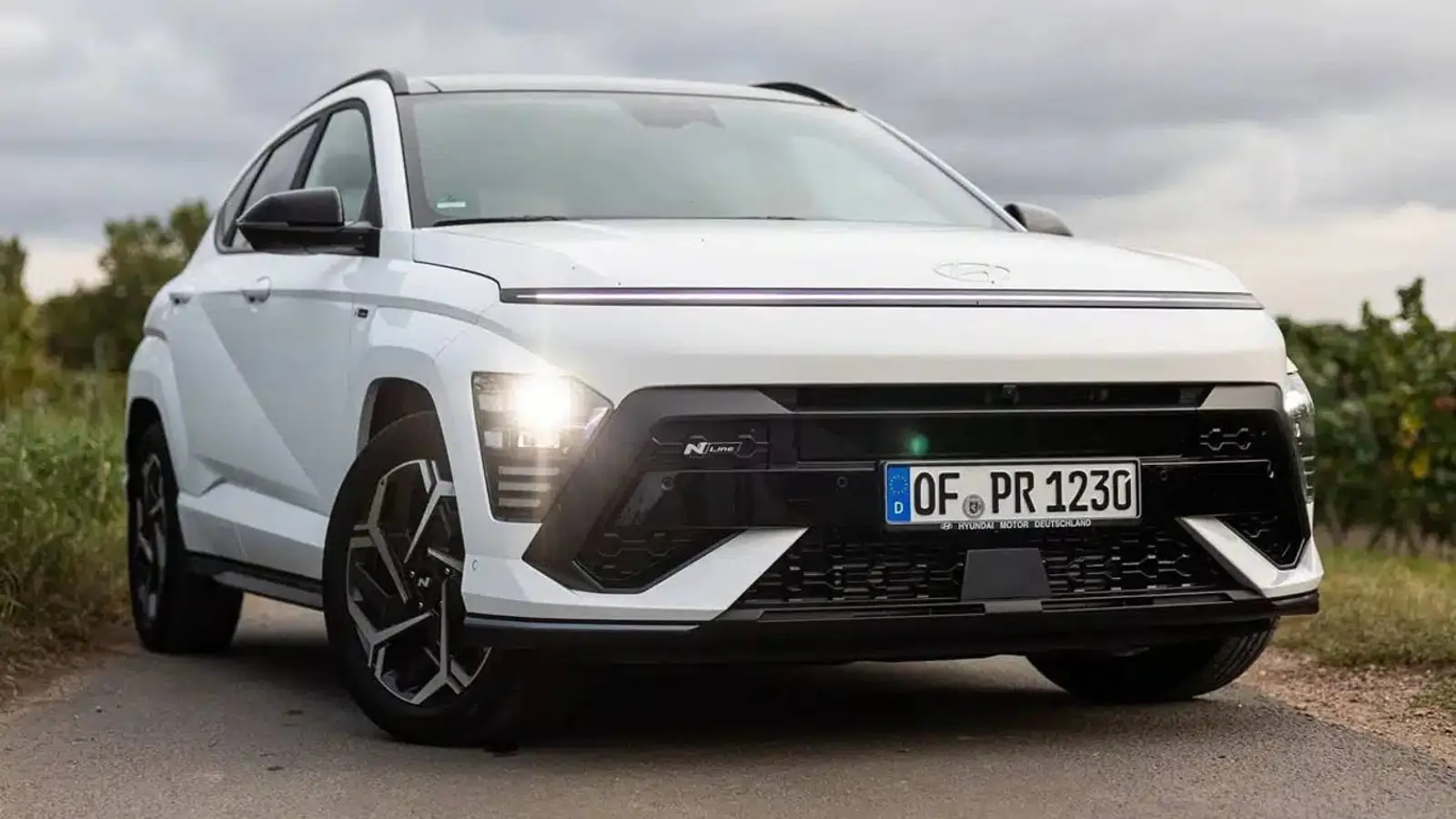
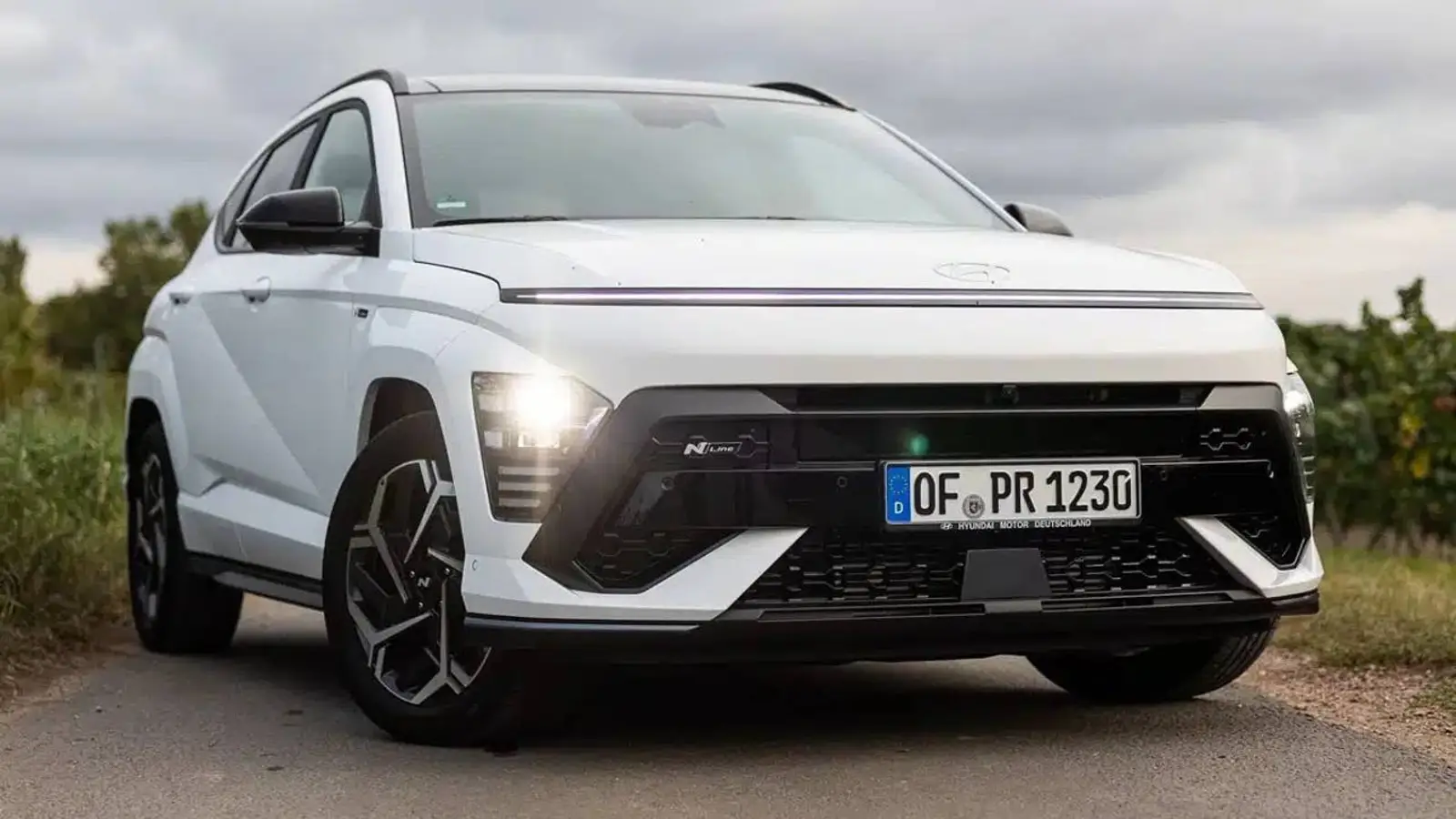
Hyundai reaffirms its electrification strategy, including EVs, hybrids, and ICE vehicles, using the new IMA architecture to adapt to market trends and maintain global competitiveness.

Michael Powers, Editor
21:10 04-04-2026
Hyundai is sticking to its powertrain development strategy despite the dip in U.S. demand for electric vehicles. The company confirmed its commitment to electrification, but clarified this will be complemented by hybrids and traditional internal combustion engines.
Brand representatives pointed to the market’s uneven nature, explaining why the manufacturer is betting on a flexible approach. The lineup will continue to include electric vehicles, hybrids, and cars with conventional engines.
The waning interest in electric cars in the U.S. is linked to several factors, including infrastructure and policy shifts. However, periodic spikes in fuel prices do reignite demand for electric models. Hyundai emphasizes that its strategy shouldn’t be swayed by short-term trends, as the evolution of technology, infrastructure, and consumer preferences is a long-term process.
For future models, Hyundai is developing a new Integrated Modular Architecture (IMA), which will build upon the current E-GMP platform. This architecture will enable the creation of a broader range of models using unified components. In practice, this means Hyundai is doubling down on new vehicles with various powertrain types to adapt to shifting demand and maintain its position in the global market.