April 3, 2026
By Nehal Malik
Tesla has officially reached a massive milestone in its mission to accelerate the world’s transition to sustainable energy. The automaker announced this week that it has surpassed 80,000 Supercharger stalls globally, further cementing its lead as the operator of the world’s largest and most reliable fast-charging infrastructure.
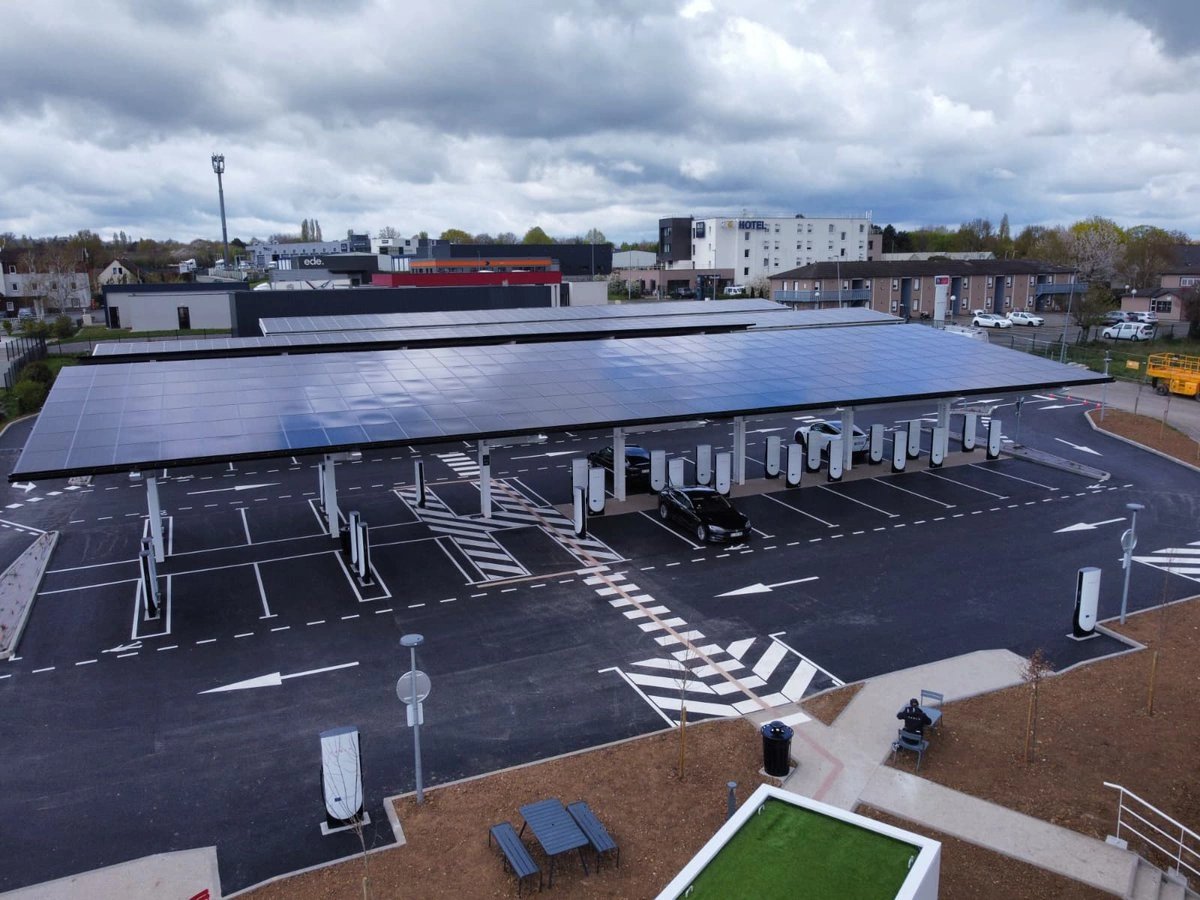
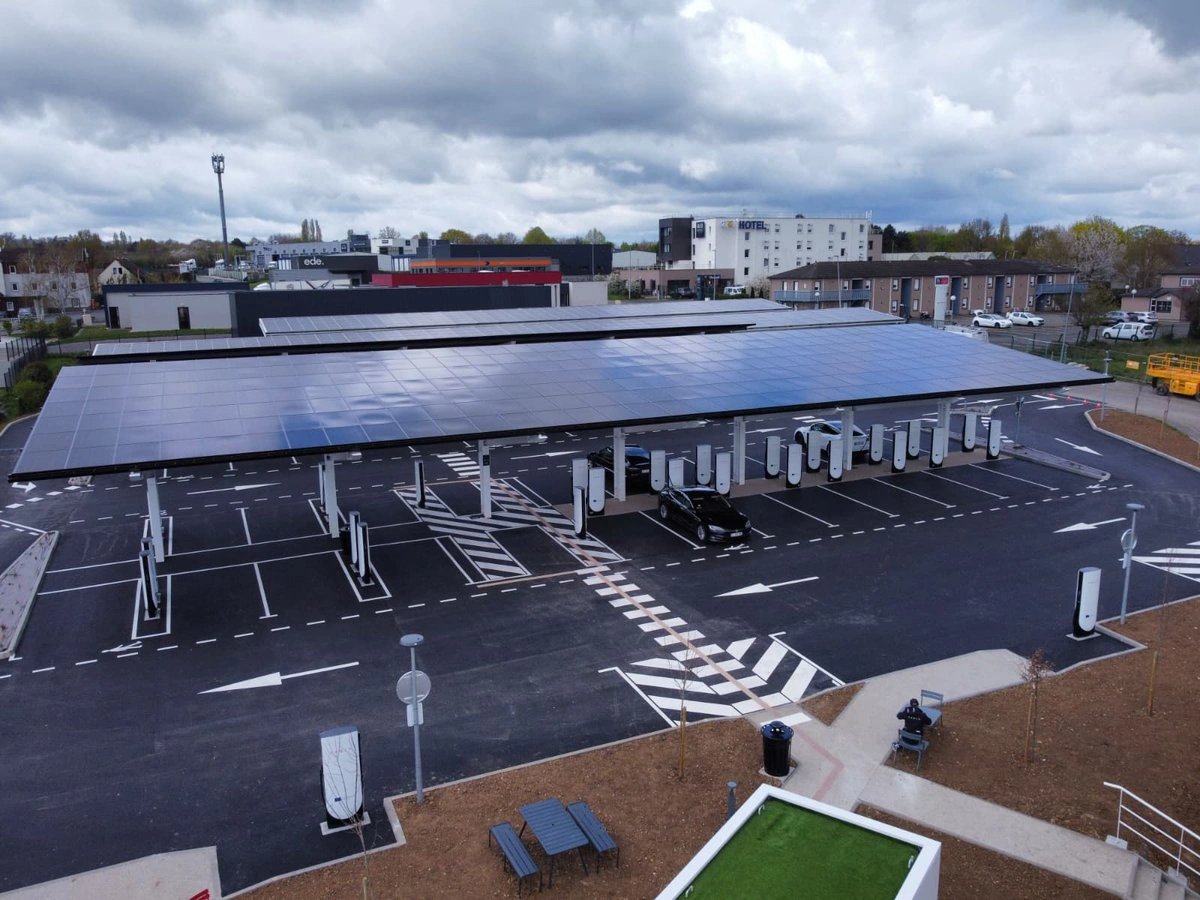
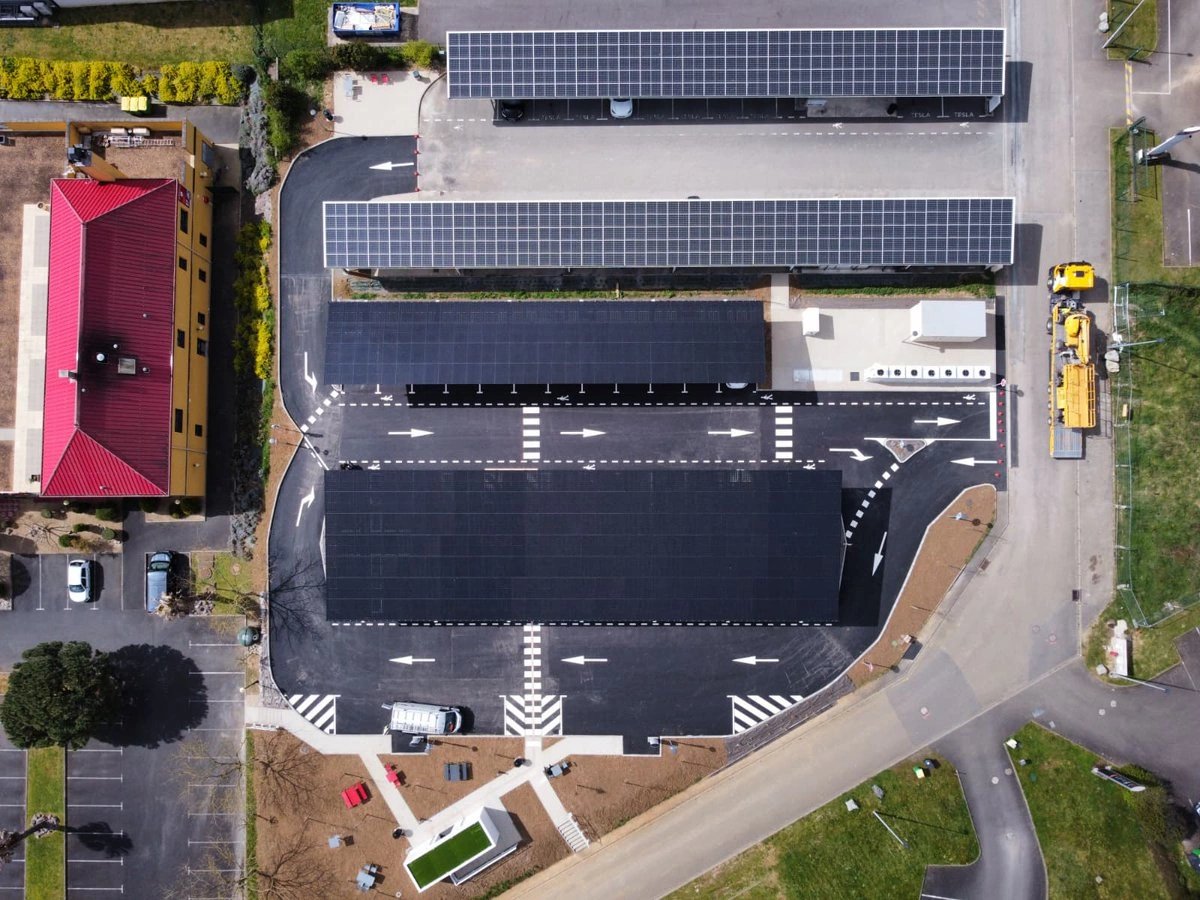
The record-breaking 80,000th stall was recently activated at a newly expanded site in France. Located at 3 Rue Louis Chappée, Saint-Saturnin, this location has undergone a significant upgrade, adding 28 new stalls to bring the total to 48. The site now features solar canopies and restrooms, making it a premier stop for European travelers.
 A Staggering Pace of Growth
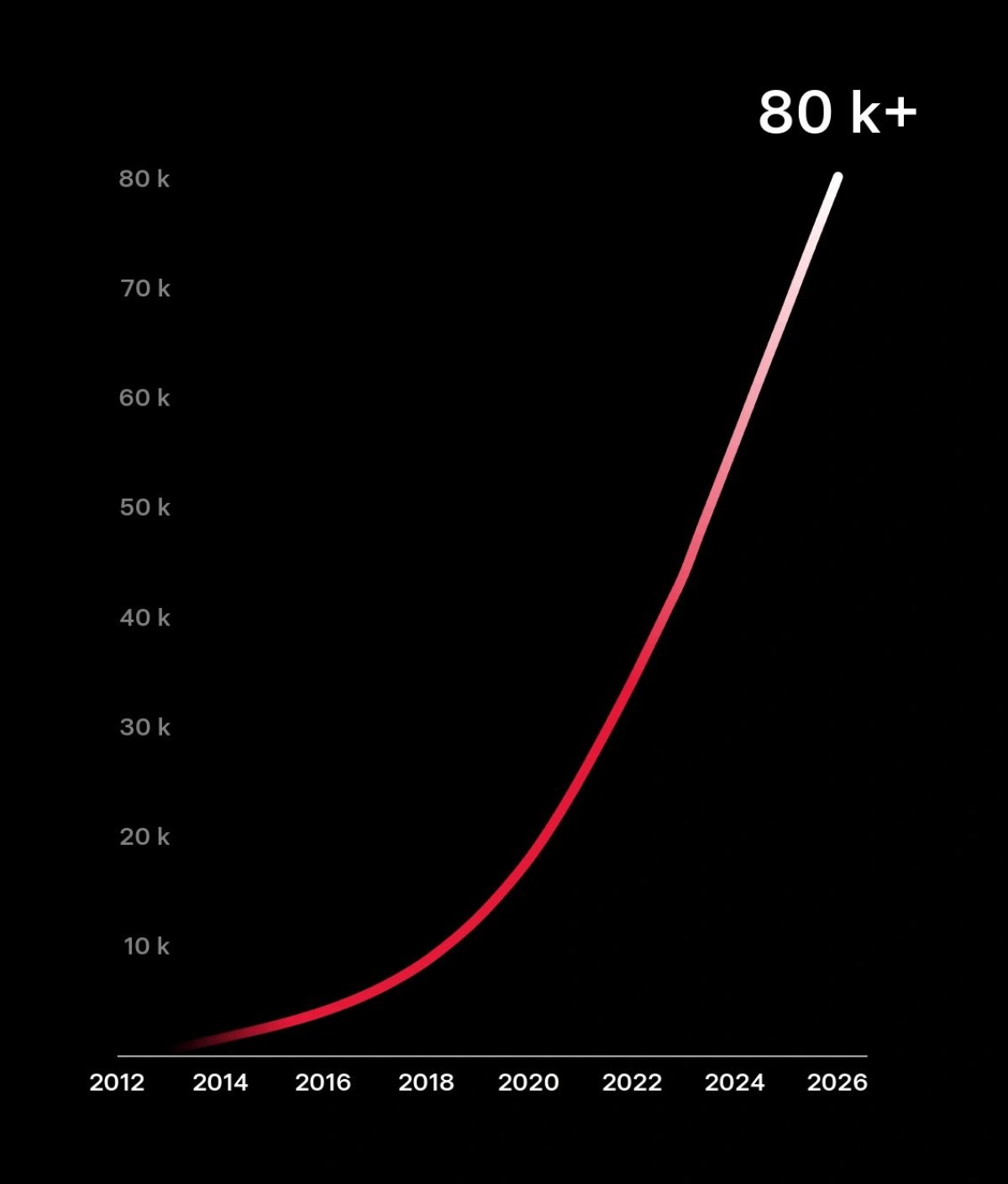
What makes this achievement truly impressive is the speed at which Tesla is scaling. The company’s first Supercharger went online in September 2012, and it took over a decade to hit the 40,000-stall mark in November 2022. In contrast, the leap from 40,000 to 80,000 stalls took less than four years. This acceleration shows that Tesla is now building its network nearly three times faster than it did during its first decade.
The network’s impact is equally massive. Tesla recently shared its Q1 2026 stats, revealing that the network recorded 53 million sessions, delivered a whopping 1.8 TWh of energy, and added 2,500 new stalls in just three months. On average, the global Supercharger network is now delivering a staggering 20 GWh of energy every single day.
New Tech Driving Expansion
Tesla is leveraging new hardware to keep this momentum going. The company recently switched its New York factory entirely to V4 Supercharger cabinet production. These new V4 cabinets are cheaper to deploy and can power up to eight stalls — double the capacity of the outgoing V3 units. Moving forward, all new Supercharger sites will be fully V4. This not only includes Tesla’s next-generation cabinets but also V4 stalls that feature longer cables and integrated payment terminals, which are critical as Tesla continues to open its network to other brands.
The company also recently introduced “Folding Unit” Superchargers. These pre-built units are 20% cheaper and twice as fast to deploy, allowing Tesla to drop entire charging banks into a parking lot and have them running in a fraction of the usual time.
As Tesla eyes the next 80,000 stalls, the focus is clearly on high-volume, high-power hubs. With the Cybercab and Tesla Semi beginning to hit the roads in larger numbers, the demand for 500kW and megawatt-level charging will only grow. Tesla has proven it can build the hardware; now, it’s just a matter of how quickly it can blanket the rest of the globe.
Subscribe to our newsletter to stay up to date on the latest Tesla news, upcoming features and software updates.
April 3, 2026
By Karan Singh
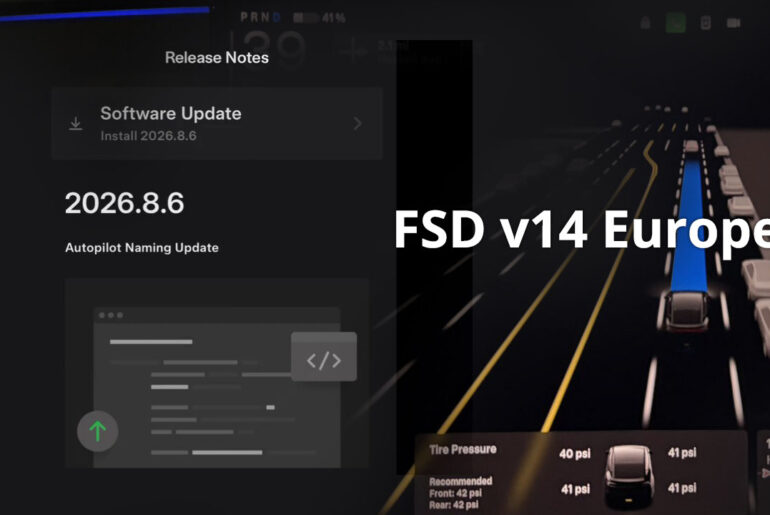
Tesla has been actively conducting demo rides of FSD (Supervised) across Europe for several months now. During more recent demonstrations across the last week, observers have spotted several brand new user interface details that hint at how Tesla is adapting FSD to meet European regulatory requirements in conjunction with the Dutch vehicle authority RDW.
These subtle changes provide a glimpse into the next iteration of the visualization suite.
Speed Limits and Max Speed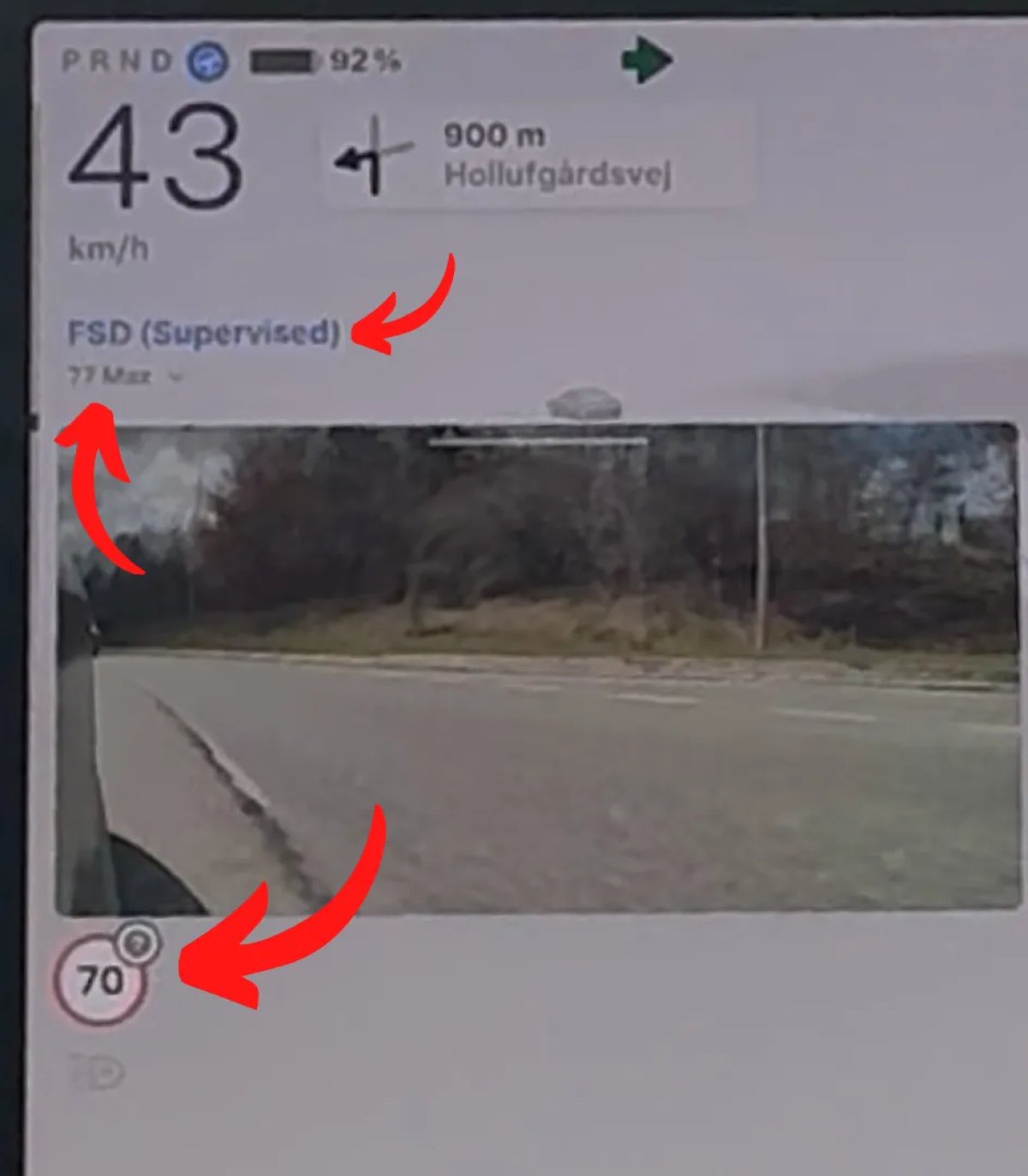
One of the most notable changes involves how the car handles unknown or confusing speed zones. When the software cannot definitively determine the local speed limit, a prominent question mark now appears directly over the speed limit sign icon on the display.
Additionally, the European demo vehicles are utilizing a more straightforward Max Speed setting rather than the speed profiles found in recent North American builds. This suggests Tesla might be testing localized speed control logic to better comply with strict European driving regulations.
Unsurprisingly, Tesla is calling the feature “FSD (Supervised)” on-screen, instead of “Self-Driving” in Europe.
Lane Change Visuals
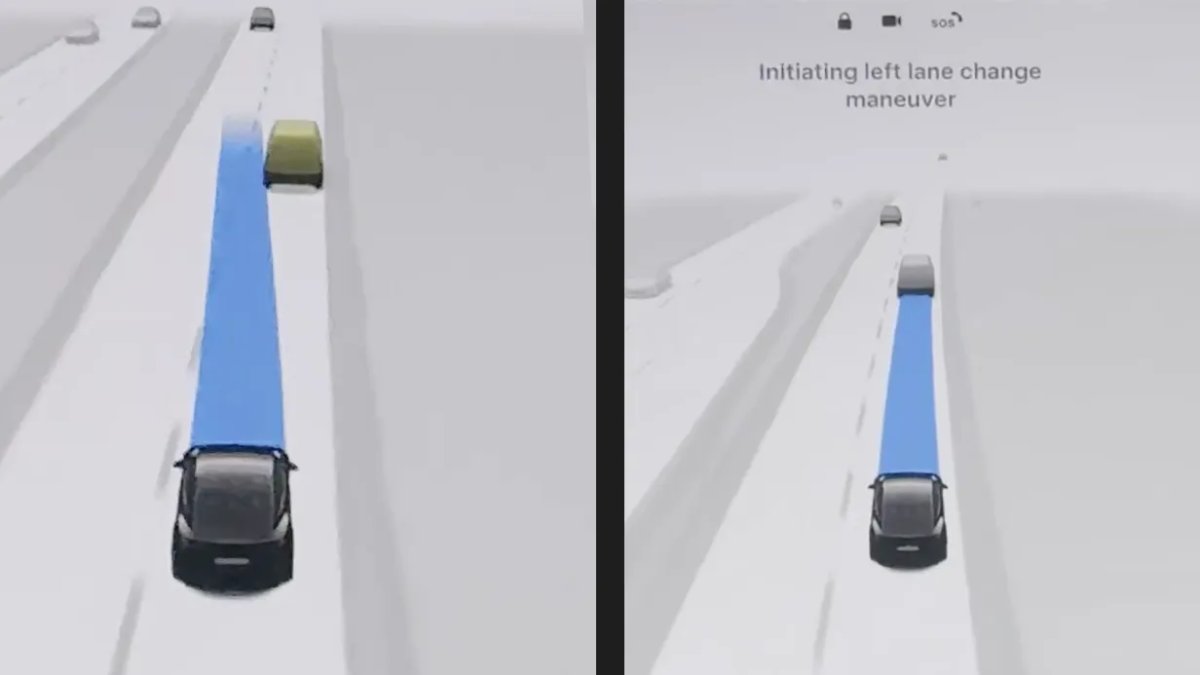
The on-screen visualizations are also receiving an upgrade to improve driver awareness. The system now displays an explicit “Initiating lane change” notification to keep the driver fully informed of the vehicle’s intent.
FSD ride a long in Denmark. Noticed differences from my 1st ride a long in december. Lead car will sometimes turn yellow. A question mark on the speed during a roundabout which is over a highway. @Rustavi @Arpe_DK @TeslaNewswire pic.twitter.com/zmSD848QOF
— Anthony Pham (@AnthonythpPham) March 31, 2026
In addition, the user interface now highlights the lead vehicle in yellow when your car is changing lanes or quickly closing the gap to the vehicle ahead. This dynamic color shift serves as a clear visual indicator that the neural network is actively tracking and reacting to that specific car during a maneuver.
Some of these changes make the software more user-friendly, and we could see them make their way to North America and other regions where FSD is already available.
Dedicated FSD View Button
Navigating the touchscreen while using FSD is also becoming significantly easier. Tesla has added a brand-new button dedicated entirely to the Full Self-Driving visualization.
Similar to the existing navigation toggle that snaps the map back to your current location or minimizes whatever apps you have open, this new button instantly jumps the display back to the full-screen FSD view. This addition allows drivers to briefly interact with music or vehicle menus and then immediately return to monitoring what the car is seeing with a single tap.
Of all the features previewed in European builds, this is the one that is most likely to make its way to vehicles globally in a future update. While there is no official timeline for this or any of the European-specific features to roll out globally, their inclusion in the latest FSD builds for Europe is encouraging.
Tesla’s European builds meet UNECE regulatory standards and apply to all countries that follow those regulations, including those outside the European Union. This shows that Tesla is actively refining the software to ensure it is as intuitive and communicative as possible ahead of a wider international release.
April 3, 2026
By Karan Singh
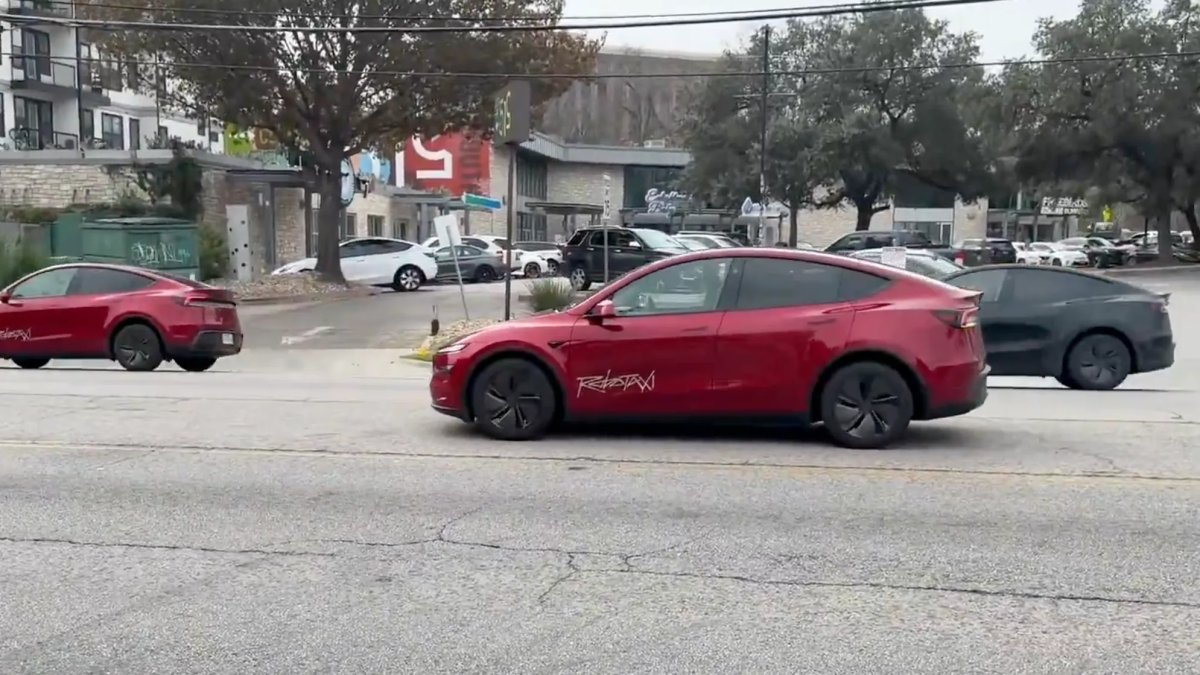
Recent reports from publications like Wired and Engadget have highlighted that Tesla’s Robotaxis have the capability to be driven by humans remotely. While some critics have pointed to this as a flaw in the autonomy narrative, a closer look at the actual policy reveals that this teleoperation feature is a highly practical and essential safeguard for real-world driving.
Solving Autonomy in a Flawed World
The transition to fully autonomous vehicles is bound to encounter unpredictable edge cases. We have already seen this play out with competitors like Waymo. In several widely publicized incidents, multiple autonomous vehicles have become completely confused in intersections, resulting in traffic jams consisting entirely of driverless cars.
In some of these situations, remote operators have had to manually guide vehicles out of their gridlock situation, and early on during the inception of the now-defunct Cruise network, the company even required manual physical intervention from employees to fix stuck vehicles.
The consequences of these gridlocks become exponentially worse when emergency vehicles are involved. An autonomous car blocking an ambulance or a firetruck because it cannot interpret a complex traffic diversion is a massive public safety hazard. Tesla’s remote control capabilities are designed specifically to prevent this exact nightmare scenario.
Final Escalation
The details of Tesla’s strategy were recently outlined in correspondence between Karen Steakley, Tesla’s director of public policy and business development, and Senator Ed Markey of Massachusetts. Steakley explained that Tesla employs highly trained Remote Assistance Operators at its facilities in Austin and Palo Alto to monitor the Robotaxi fleet.
According to Steakley, these operators act as a strict redundancy measure in rare cases. They are only authorized to temporarily assume direct vehicle control as the final escalation maneuver after all other available intervention actions have been exhausted. This means the human operators are not ferrying passengers to their destinations. They are purely an emergency extraction team.
Strict Limits and Safety
When a Remote Assistance Operator does need to take over, the vehicle’s capabilities are severely restricted to ensure maximum safety. Steakley noted that the operators can take temporary control of the vehicle at speeds up to or less than 2 mph. If the vehicle’s onboard software explicitly permits it based on the surrounding environment, they can remotely drive the Robotaxi at speeds up to 10 mph.
Steakley emphasized that this capability enables Tesla to promptly move a vehicle that may be in a compromising position. It is a feature built entirely around inching a stuck vehicle out of the way of traffic, clearing a path for first responders, or safely navigating an unmapped construction zone that the neural network simply cannot process.
A Necessary Safety Net
Operating an autonomous fleet requires more than just flawless neural networks. It requires practical contingency plans for the chaotic reality of city streets. While other autonomous vehicle companies have been hesitant to allow direct remote control due to concerns over network latency, Tesla’s strict low-speed parameters mitigate that risk.
By giving a human the power to remotely bump a stuck Robotaxi out of a critical intersection at 2 mph, Tesla is actively preventing the embarrassing and dangerous pileups that have plagued early autonomous rollouts. This teleoperation feature is not a failure of FSD. Instead, it is a brilliant fail-safe that ensures the broader Robotaxi network remains safe, functional, and completely unobtrusive to emergency responders.