Support CleanTechnica’s work through a Substack subscription or on Stripe.
Though there is much interest in the electric vehicles used for personal transportation, it just may be large fleet vehicles electrifying that signals the beginning of the end for gas and diesel. Fleet vehicles typically are driven far more miles and put through more demanding use situations. Additionally, electric motors are much more energy efficient than gas or diesel engines. If electric vehicles are proven to be more cost-effective and energy-efficient for fleet use, they are also likely better for personal use cases. For public transit, they also move a tremendous number of passengers, and those passengers don’t have to spend their money to own and operate personal transportation.
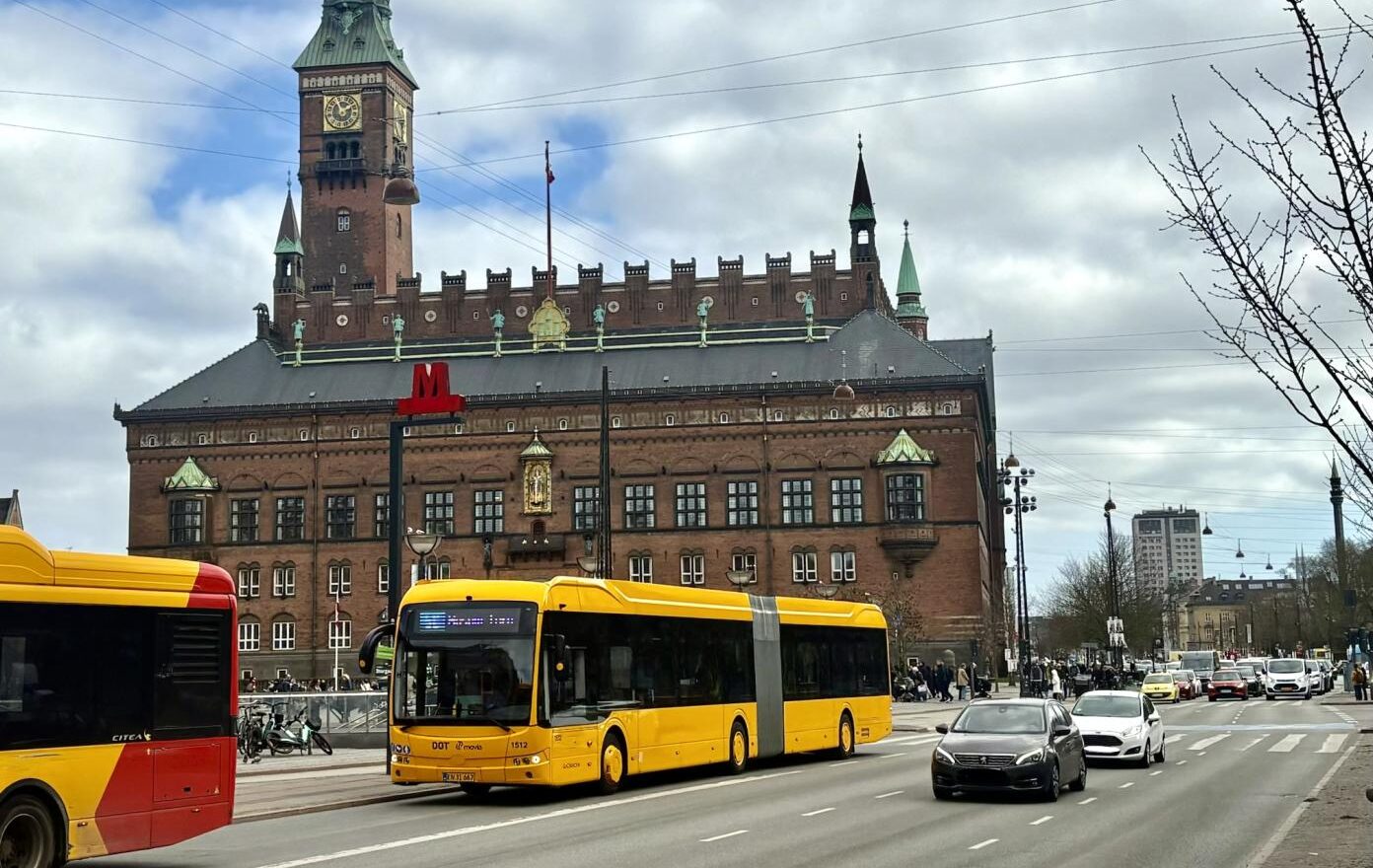
Copenhagen is the most populous city in Denmark, and not by a little. The municipality of Copenhagen recently announced all of its city buses are now electric. “The fight for cleaner air has been a key issue for me since I entered politics, and that’s why I’m also really happy that we’ve now completely completed the transition to 100 percent electric buses. It’s a huge milestone that Copenhagen is now a city where public transport is green and neither pollutes nor emits CO2. It makes a big difference to the climate and the air we breathe every day,” says Sisse Marie Welling, Lord Mayor of Copenhagen.
While some people are aware diesel and gas vehicles generate carbon emissions that directly contribute to climate change, there may be less awareness of the negative effects on human health. “In fact, air pollution is associated with increased risk of respiratory and cardiovascular disease, and in children air pollution can cause asthma and respiratory infections.”
The elderly, young children, and people with existing health conditions are the most vulnerable to toxic air pollution. Diesel buses generate too much harmful pollution, which is why they must be replaced with fully electric ones and not hybrids, which still use fossil fuels.
Research conducted in Denmark found that reducing air pollution could actually extend human lifespans in Copenhagen. “Of course our scenario is ambitious, because it more or less requires all polluting vehicles to be removed from Copenhagen. But if you want to prevent a large number of cases of disease and increase the average lifespan by an entire year, you need to do something drastic—and 2040 is way into the future, so it is not unrealistic,” said coauthor Steffen Loft, a professor in and head of the public health department.
Online trolls, haters, cynics, and liars might try to falsely claim that the buses run on electricity generated from only coal power plants, which is not at all true, especially in Denmark. “Today, 50% of electricity in Denmark is supplied by wind and solar power. By 2030, the goal set by the Danish parliament, is that the electricity system in Denmark will be completely independent of fossil fuels.”
Electric buses are also quieter than diesel buses, so they are more comfortable to ride.
It should be noted the electrification of transportation over the last six years has expanded despite the pandemic, economic turbulence, peak inflation, climate change denial, online trolls trying to spread misinformation and disinformation on social media, uneducated journalists writing overly negative articles about electric vehicles, conservative politicians trying to stop electric vehicle growth, and the fossil fuel industry supporting campaigns to spread climate change disinformation.
Sign up for CleanTechnica’s Weekly Substack for Zach and Scott’s in-depth analyses and high level summaries, sign up for our daily newsletter, and follow us on Google News!
Advertisement
Have a tip for CleanTechnica? Want to advertise? Want to suggest a guest for our CleanTech Talk podcast? Contact us here.
Sign up for our daily newsletter for 15 new cleantech stories a day. Or sign up for our weekly one on top stories of the week if daily is too frequent.
CleanTechnica uses affiliate links. See our policy here.
CleanTechnica’s Comment Policy