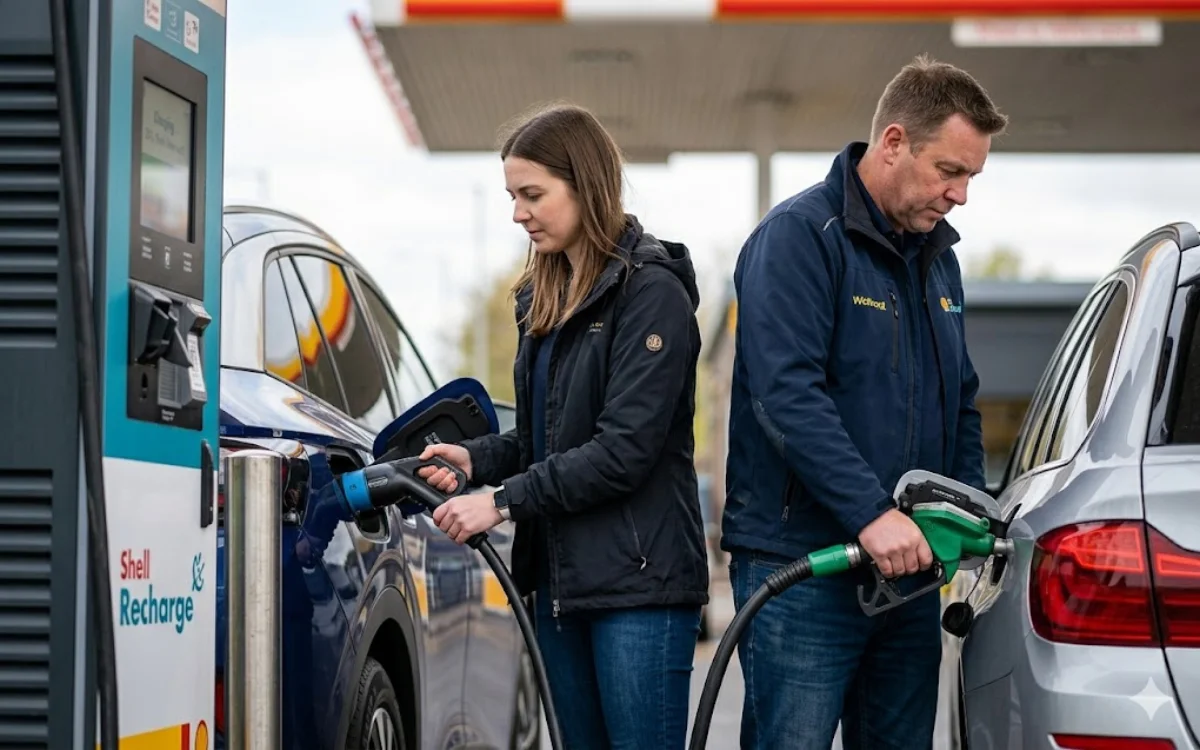
Electric vehicles using public charging are often compared directly to petrol and diesel when it comes to running costs.
But the comparison isn’t as straightforward as it sounds.
With an EV, what you pay can swing quite a bit depending on how you charge it.
And according to one expert, that difference can be bigger than most people realize.
Public charging can cost around three times more than charging at home
John Higham, Board of Directors at the Electric Vehicle Association, says the issue starts with a simple misunderstanding.
“Not all charging is created equal.”
And the numbers make the difference hard to ignore.
Higham explains that public charging is ‘always going to be more expensive than charging at home,’ typically costing between two and four times as much, with around three times being the norm.
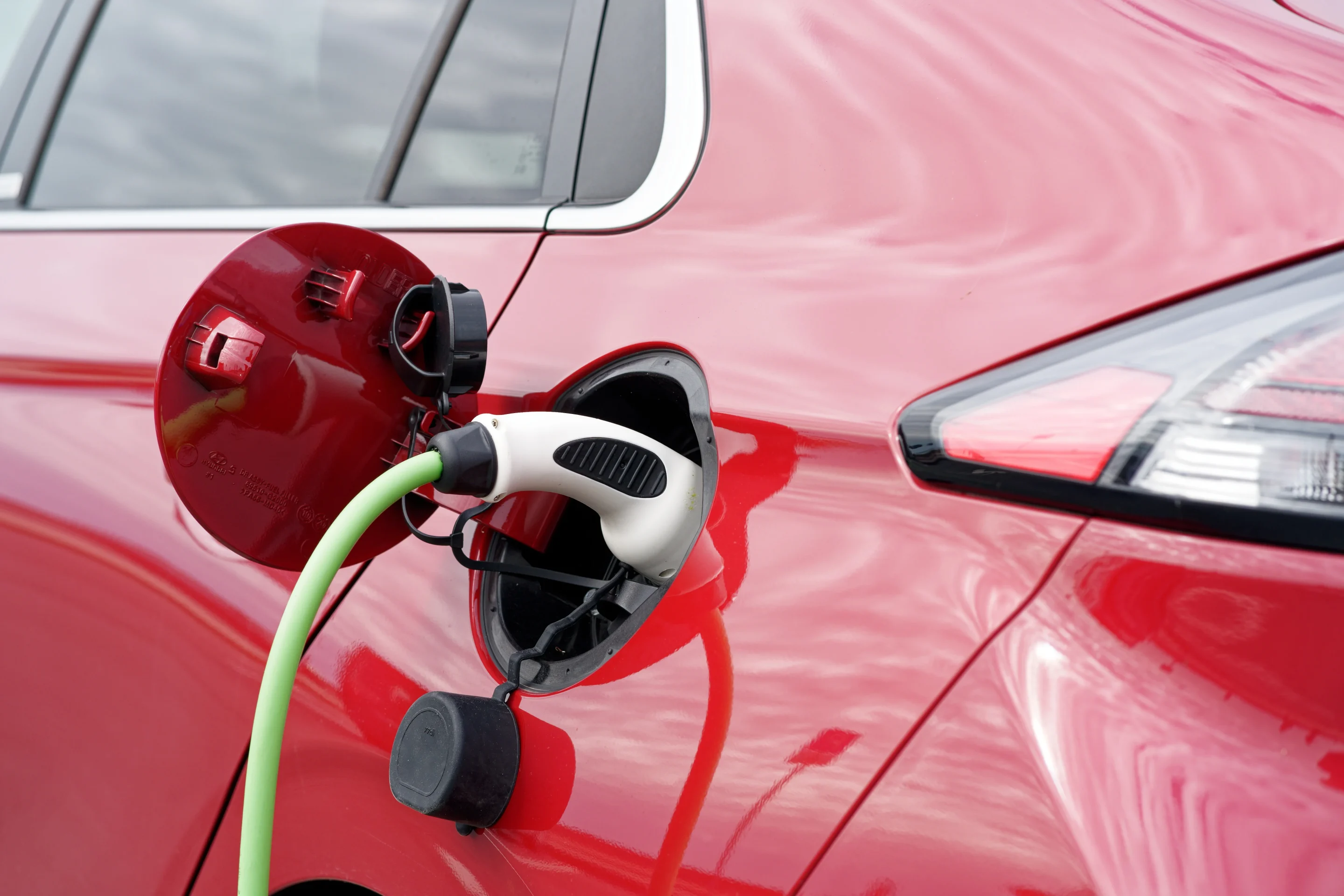 AKrebs60/Pixabay
The reason comes down to how those chargers operate.
Public networks aren’t just supplying electricity, they’re ‘buying electricity, adding value by being publicly accessible with associated infrastructure, and expecting a profit.’
On top of that, not all public charging is priced the same.
Faster DC charging, designed to top up a car quickly on the road, usually costs more than slower Level 2 charging, which takes longer but comes at a lower rate.
So, depending on where you plug in, the cost can shift again.
But in most cases, public charging sits at the top end of the scale.
And when that becomes the reference point for comparisons, it can make EVs look far more expensive than they typically are.
EVs have two ‘fuel prices,’ but petrol cars only have one
That mismatch comes down to a key difference between EVs and traditional fuel cars.
“There is no direct comparison,” Higham said, because there’s no such thing as an ‘ at-home fill-up’ for petrol or diesel.
Every refuel happens through a third party, so drivers only ever see one price.
EV drivers, on the other hand, are dealing with two.
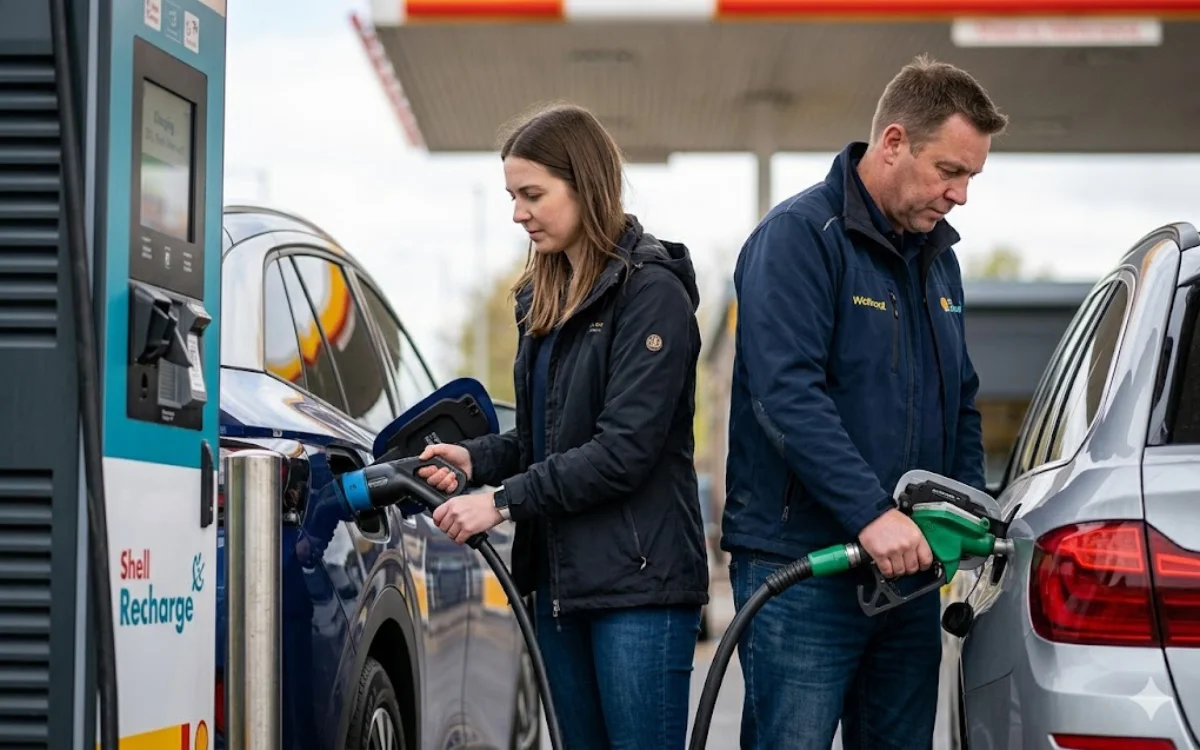 SB Media/Gemini
There’s the cheaper, everyday cost of charging at home, and then there’s the more expensive public option used on the road.
And according to Higham, ‘the vast majority of EV miles are powered by much cheaper electricity at home,’ not public chargers.
That split changes how the overall cost stacks up.
While public charging can sometimes feel comparable to paying for fuel, it’s only one part of the picture.
Once home charging is factored in, the numbers start to shift, and the comparison with petrol or diesel doesn’t look quite so straightforward anymore.
DISCOVER SBX CARS:
The global premium car auction platform powered by Supercar Blondie