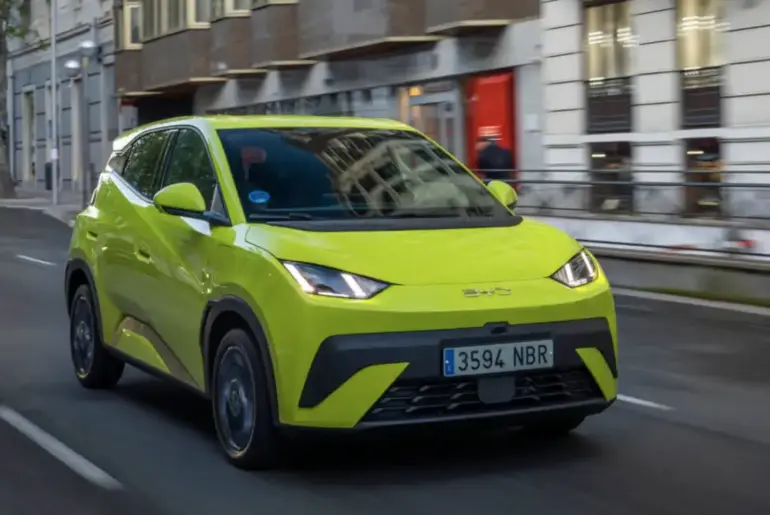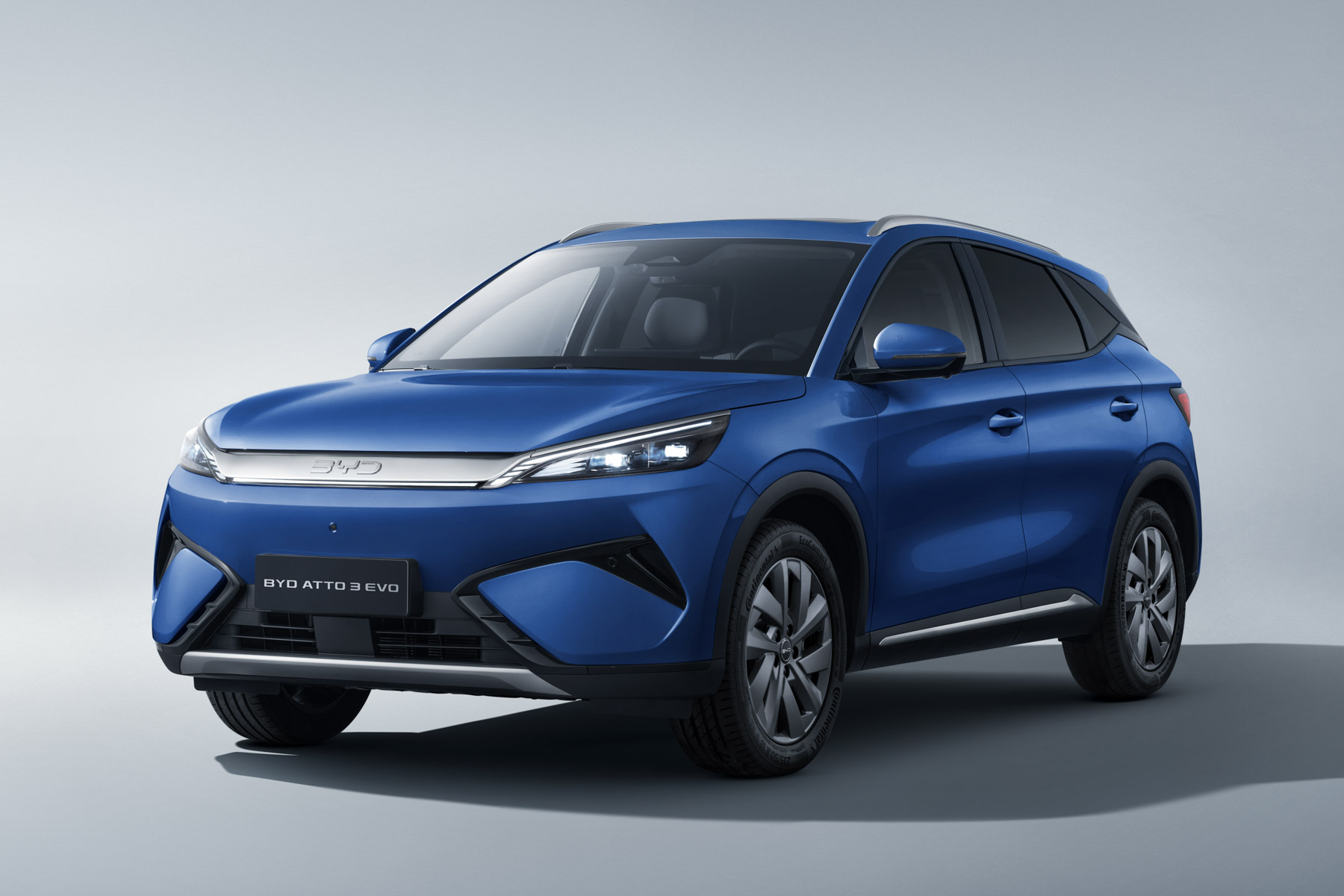
In March, BYD delivered 300,399 vehicles, all classified as new energy vehicles, including battery-electric and plug-in hybrid models. This represents a 57.85 per cent increase compared to February (190,190 units), but a 20.4 per cent decline year-on-year from March 2025 (377,420 units). The year-on-year comparison is considered more meaningful, as it is less affected by seasonal fluctuations. Notably, this marks the seventh consecutive month of declining sales compared to the same month last year.
The mixed figures continue to reflect subdued consumer sentiment in BYD’s home market of China. This is likely due to the announcement made in 2023 to end the full exemption of electric vehicles from the vehicle purchase tax by 31 December 2025. Since January, EV buyers have been required to pay a 5 per cent vehicle purchase tax, which is half the rate levied on internal combustion engine vehicles. Alongside the Chinese New Year festivities, this also contributed to a significant dip in China’s EV market in February.
BYD’s overseas business is becoming an increasingly important pillar. In March, the company delivered 120,083 vehicles outside China—up 65.12 per cent year-on-year from 72,723 units and 19.37 per cent compared to February (100,151 units). While February marked the first time overseas sales exceeded domestic volumes, this did not continue in March, with international deliveries accounting for around 40 per cent of the total. The company has now recorded overseas sales of at least 100,000 units for five consecutive months.
BYD further breaks down its total sales of 300,399 vehicles into distinct categories. These include 295,412 passenger cars and 4,987 commercial vehicles. The passenger cars are divided into 148,666 battery-electric vehicles and 146,746 plug-in hybrids. The commercial vehicles are further subdivided into 663 buses and 4,324 other commercial vehicles, such as vans and trucks. Across all these segments, BYD exclusively offers electrified vehicles.
Additionally, BYD distinguishes its sales figures across four passenger car brands within the group. These range from the main BYD brand to Fang Cheng Bao—a brand focused on SUVs and not available in Europe—as well as the premium brand Denza and the hypercar brand Yangwang. Here is the breakdown:
BYD: 262,327 unitsFang Cheng Bao: 25,926 unitsDenza: 7,133 unitsYangwang: 307 units
Following the main BYD brand, Denza is now set to enter the European market. On 8 April, the Denza Z9GT will officially celebrate its European premiere at the Palais Garnier opera house in Paris—alongside the new ‘Flash-Charger’ charging system, which promises exceptionally fast charging times. BYD originally established Denza as a joint venture with Daimler, positioning the brand for the Chinese mass market. However, in 2024, Mercedes-Benz exited the partnership, and BYD repositioned Denza as a premium brand with international ambitions.
bydglobal.com (PDF), bydglobal.com (infographic in Chinese)