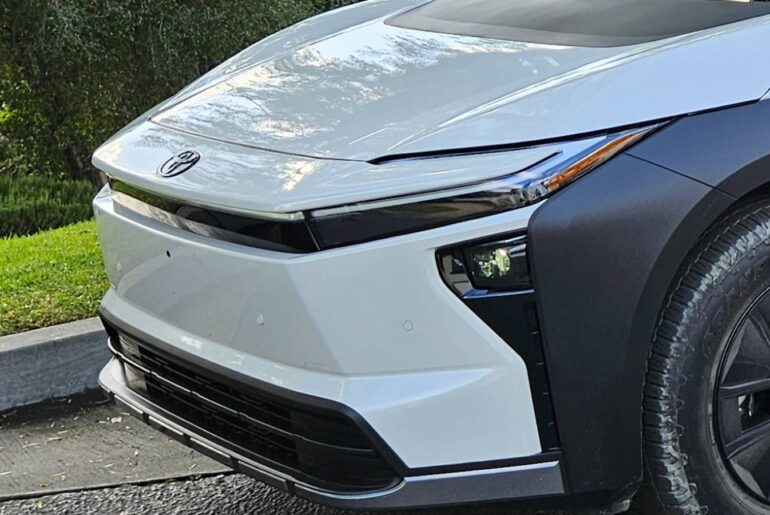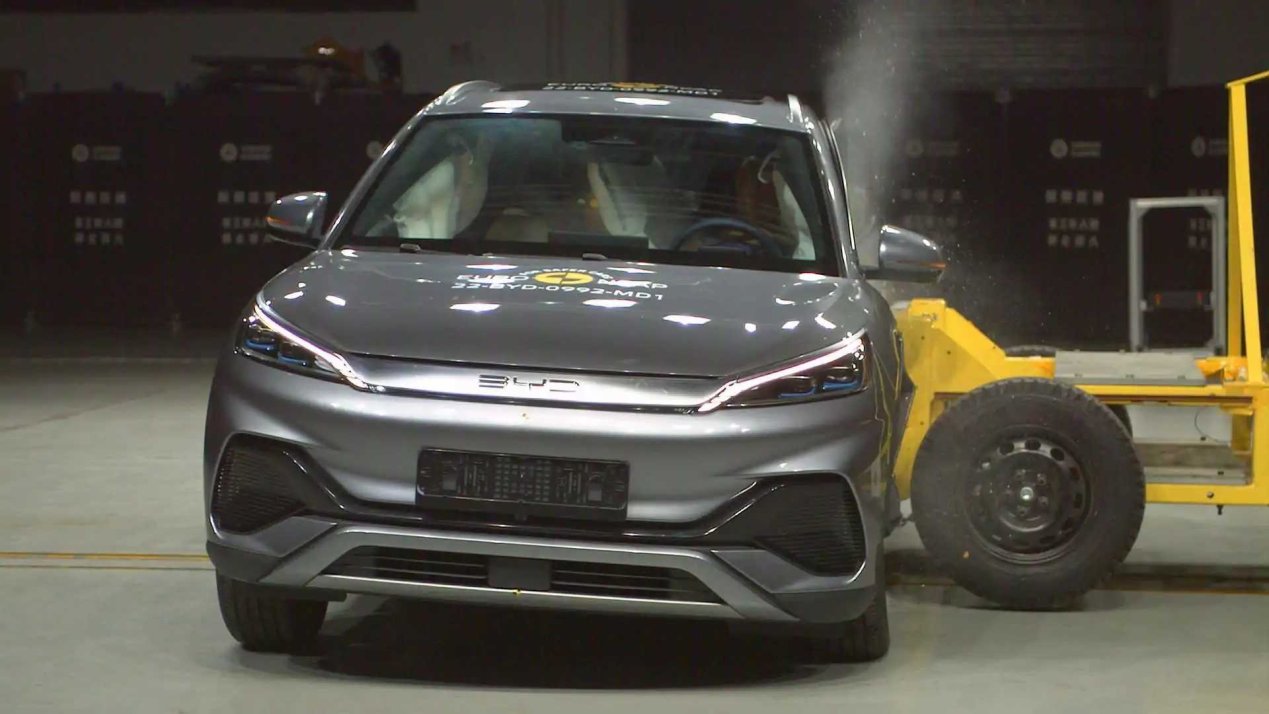
Exports and overseas sales at BYD increased 65% in March as rising oil prices linked to the Iran conflict reshaped global demand for electric vehicles. The company reported 120,083 vehicle sales outside China, its strongest international performance in three months, reflecting growing consumer interest in electric mobility as fuel costs climbed across multiple regions. Despite this growth, total deliveries declined about 20%, extending a seven-month slowdown in overall shipments.
BYD data showed a widening gap between overseas expansion and domestic performance. Higher energy prices strengthened demand abroad, while China’s market continued to soften following reductions in electric vehicle subsidies. The company said “overseas demand strengthened as rising energy prices renewed consumer interest in electric vehicles,” highlighting how external market conditions increasingly influence sales outcomes. The results illustrate how global energy disruptions can quickly alter regional automotive demand patterns.
The March figures allowed BYD to regain its sales lead over Geely, which had outsold the company during the first two months of the year. BYD has also surpassed Tesla in global battery electric vehicle sales, intensifying competition among large manufacturers expanding internationally. Analysts said the company now relies more heavily on exports to offset declining profitability and slower domestic growth.
International expansion offsets domestic slowdown
Analysts view manufacturing localization as central to BYD’s international strategy. Chris Liu, Senior Analyst, Omdia, said future growth depends on the pace of new factory ramp-ups outside China. “Growth overseas will rely on how quickly new plants in Hungary, Thailand and Brazil can ramp up production and how much volume can be localized instead of exported from China,” Liu said. Localization could reduce logistics costs while helping the company navigate trade barriers and regional supply risks.
BYD expects exports to reach 1.5 million vehicles in 2026, exceeding its earlier forecast of 1.3 million units. Geely also raised export ambitions, targeting 750,000 units by 2026 compared with a previous goal of 640,000 vehicles. The competing projections reflect an industrywide shift toward international markets as automakers seek stability beyond increasingly competitive domestic environments.
Showrooms across Asian markets reported stronger customer traffic during March as fuel price volatility strengthened the economic case for electric vehicles. Analysts cautioned that sustained demand remains uncertain because prolonged geopolitical instability may weaken consumer spending on high-value purchases. Elevated energy prices support electrification, but broader economic effects tied to global conflict could influence purchasing timelines.
Within China, higher gasoline costs may still support electric vehicle adoption. Liu noted that “more expensive and volatile fuel strengthens the value proposition of electric vehicles,” suggesting energy price fluctuations may gradually stabilize domestic demand.
Oil disruption reshapes global automotive strategy
The war in Iran, which began Feb. 28, disrupted global oil supply chains after the closure of the Strait of Hormuz, a key maritime corridor handling a significant share of worldwide oil shipments. The interruption pushed crude oil prices to about US$113.53 per barrel, exposing vulnerabilities in petroleum-dependent transportation systems. At the same time, the crisis highlighted the relative stability of electricity networks, reinforcing the strategic appeal of electrification for both consumers and fleet operators.
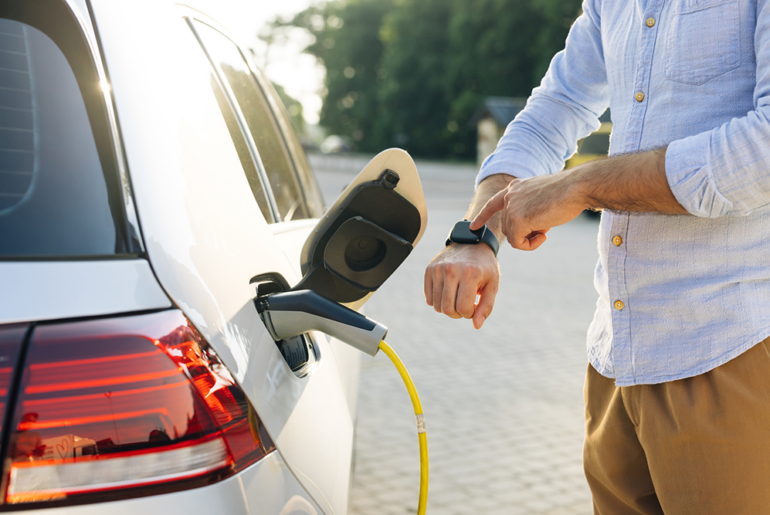
Rising operating costs have become a central driver of electric vehicle adoption. Data from Transport and Environment shows that driving a petrol vehicle now costs approximately US$162 per month compared with US$76 for an electric vehicle. The crisis premium associated with energy volatility adds roughly US$44 per month to petrol vehicle expenses but only US$8 for electric vehicles. Jan Rosenow, professor of Energy and Climate Policy at Oxford University, said “Electric cars are expected to be far cheaper to drive during the coming energy crises.”
Logistics instability has also reshaped manufacturing planning. Google Trends recorded record searches for electric vehicle models following the start of the conflict, while UK registrations rose to 90,100 EV units in Feb. 2026 compared with 84,054 a year earlier. Electricity supply chains remained comparatively stable, allowing charging costs to stay lower than petrol or diesel prices despite geopolitical disruption. Automakers including BMW, Porsche, Rolls-Royce, Ford and Mercedes have adjusted production strategies as demand signals evolve.
Rising gasoline prices linked to the Iran conflict have also accelerated electric vehicle interest in the United States. Average fuel prices reached US$3.90 per gallon, the highest level in nearly three years, following military escalation that contributed to global oil supply disruptions. According to CarEdge, online searches for electric and hybrid vehicles rose 20% within three weeks of the conflict’s escalation. Automotive analyst Justin Fischer said “Within 48 hours of the war starting a spike began — it is directly connected to that news.”
Industry analysts said fuel price volatility has become a decisive factor shaping purchasing behavior. Jessica Caldwell, Head of Insights, Edmunds, says gasoline prices are “at the forefront of buyers’ minds right now,” as consumers seek protection from recurring price swings. While online engagement and showroom interest have increased, analysts warn that long-term market share gains remain uncertain, particularly in markets where charging infrastructure expansion and policy support continue to lag.