April 1, 2026
By Nehal Malik
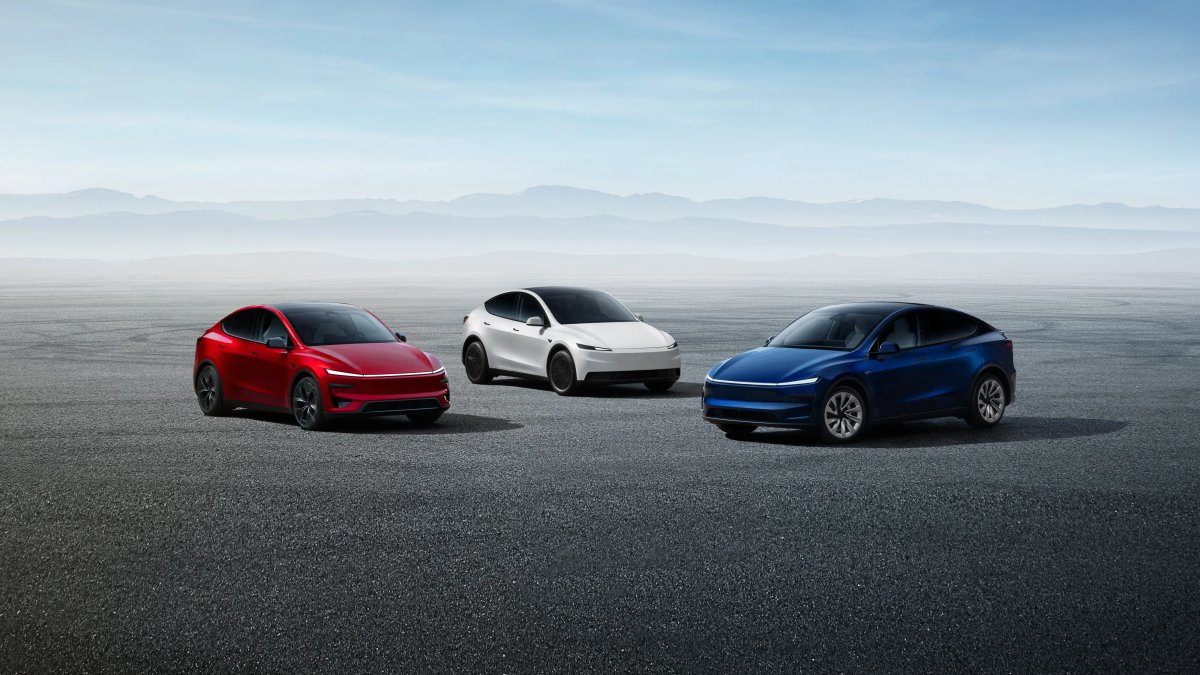
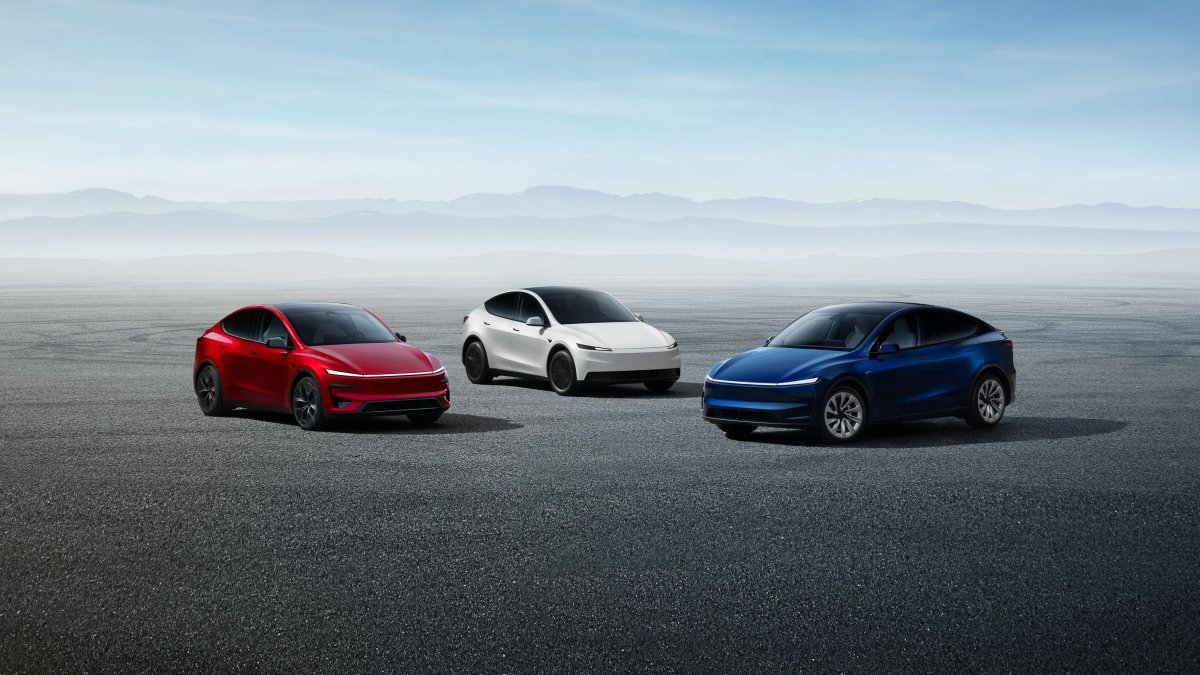
Tesla has once again flexed its muscles in the world’s most advanced electric vehicle market. New data for March 2026 shows that the American automaker dominated car sales in Norway, helping the country reach a staggering new milestone where nearly every single new car hitting the road was electric.
According to the Norwegian Road Traffic Information Council (OFV), Tesla was the top brand for the month, posting a 178% jump in sales from March 2025 and accounting for 34.8% of all new passenger cars. This performance carried significant momentum from the first week of March, when Tesla outsold every other car brand combined in the country. By the end of the month, the Model Y and Model 3 secured the first and second spots on the bestseller list, respectively.
A New Record for Electric Share
Norway is currently a glimpse into the future of the global automotive industry. In March, the share of electric cars reached 98.4%, a new monthly record. To put that into perspective, out of 17,685 new passenger cars registered, only 22 were gasoline-powered, and 126 were diesel. The Model Y and Model 3 made up 6,148 of those new car sales, boosting Tesla’s first-quarter sales in the country 95% year-over-year.
While Tesla’s 34.8% market share is dominant, it didn’t quite touch the brand’s all-time peak of 40.8% back in March 2023. However, the Model Y remains the undisputed king of the road, followed by the refreshed Model 3. Other notable performers included the Volvo EX40 and Toyota bZ4X, which rounded out the top of the leaderboard.
New Trims and the Push for Full Self-Driving
Tesla’s success in the region is likely bolstered by recent updates to its European lineup. Earlier this year, the company launched the Model Y Standard Long Range in Europe. This specific trim is a “range leader,” pairing a larger battery with a rear-wheel-drive setup to achieve an exceptional 657 km WLTP range. Additionally, the seven-seat Model Y recently returned to the European market, offering more flexibility for larger families.
Beyond hardware, Tesla is also working hard to secure regulatory approval for Full Self-Driving (FSD) in Europe. The company has even been running a public ride-along program across several countries to showcase the system’s safety and capabilities to locals and regulators alike. Tesla currently expects the first European approval for FSD to come in the Netherlands on April 10.
Looking Ahead
The March figures prove that the transition to electric transport in Norway is essentially complete for passenger vehicles. As interest rates and fuel costs continue to fluctuate, the predictable nature of EV ownership remains the preferred choice for Norwegian households. With Tesla leading the charge and Chinese brands like BYD and Zeekr quickly gaining ground, the competition in the region is only getting started. If Tesla can finally unlock FSD for European owners this year, its lead in this market could become even harder to challenge.
Subscribe to our newsletter to stay up to date on the latest Tesla news, upcoming features and software updates.
April 1, 2026
By Nehal Malik
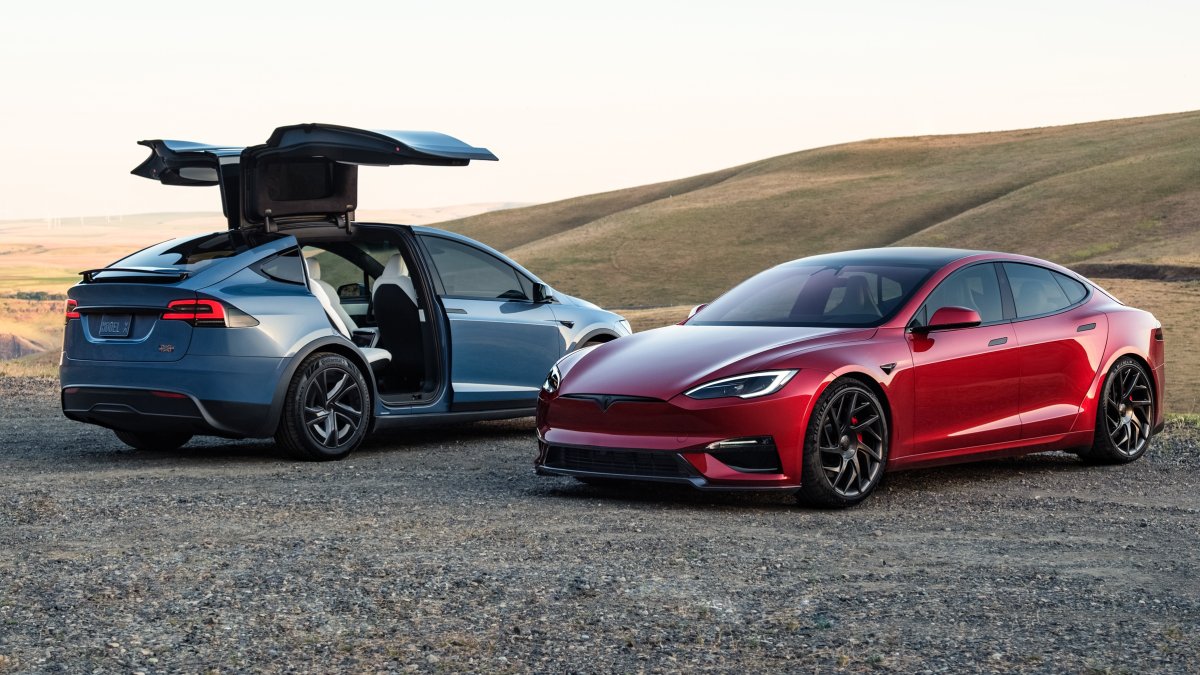
The era of the “original” Teslas has officially reached its conclusion. After a 17-year journey that saw the Model S transform from a radical prototype into a global automotive icon, Tesla has finally closed the order books. If you were hoping to configure a brand-new Model S or Model X exactly to your liking, that window has officially slammed shut.
According to a recent X post by Elon Musk, the company is moving on. “Custom orders of the Tesla Model S & X have come to an end. All that’s left are some in inventory,” Musk shared. He also noted that the company plans to hold an official ceremony to mark the end of the production run, reflecting on a 14-year manufacturing journey that fundamentally changed how the world views electric transportation.
Choosing from the Remaining Inventory
For enthusiasts, this is the absolute last chance to own a piece of EV history. Since production has officially ended at the Fremont factory, no more custom builds will be rolling off the line. Instead, anyone looking for a flagship Tesla will have to choose from existing inventory units. Once these specific configurations are sold out, the Model S and Model X will effectively move into the history books as legacy products.
This shift marks a massive transition for Tesla. For years, the Model S and Model X were the high-tech pioneers of the lineup, featuring everything from the first large-scale touchscreen interfaces to the jaw-dropping speed of the Plaid powertrain. While their exterior designs stayed remarkably consistent over nearly two decades, the hardware inside was constantly evolving, proving that a great silhouette doesn’t need to change to remain competitive.
Retooling for a Robotic Future
The reason for this “honorable discharge” is Tesla’s pivot toward AI and robotics. The space at the Fremont factory previously used for these flagship models is being retooled this summer. Instead of luxury sedans, those lines will soon be producing the Optimus humanoid robot. Tesla is essentially trading its automotive past for a future defined by autonomous machines.
With a new, larger SUV recently teased by Musk and the next-gen Roadster expected to take the performance crown, the Model S and X no longer have a clear spot in the future lineup. They served their purpose by embarrassing luxury gas cars and winning over skeptics, but the company is now betting on a different kind of “sentient” technology.
If you’ve been on the fence about pulling the trigger on a Model S Plaid or a Falcon-Wing Model X, now is the time to check the inventory pages. These cars proved that EVs could be sexy and practical, and while they won’t be in showrooms much longer, their legacy will be felt in every electric car that follows.
April 1, 2026
By Karan Singh
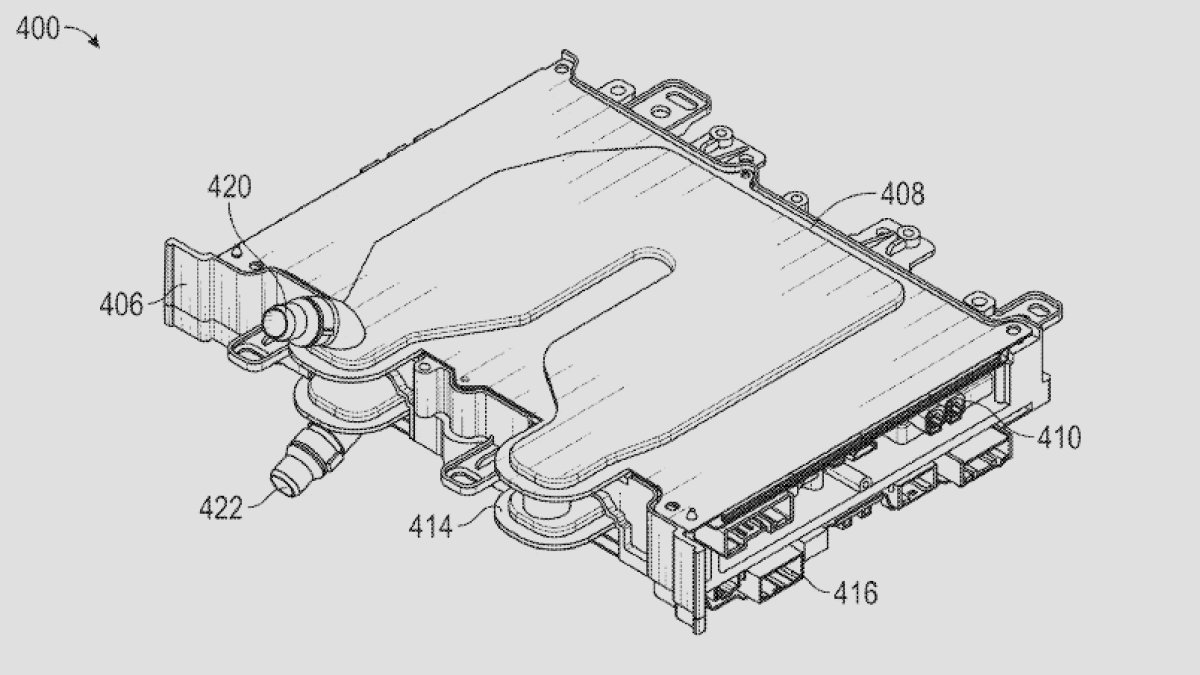
A recently published Tesla patent has been making the rounds in the community over the last few weeks and has sparked claims about custom, easily upgradable vehicle computers.
Credited to a team of engineers that includes Mohamed Haitham Helmy Nasr and Cindy Au, the document outlines a liquid-cooled processing system with replaceable modules. However, a closer look at the actual text reveals a much more practical reality. This patent is not about letting owners swap out their old hardware for the latest iteration, but rather about completely overhauling how service centers repair broken systems.
It is important to note that this patent application was originally filed on September 26, 2024, and officially published on March 26, 2026. This specific iteration of this patent focuses on replaceable vehicle computer modules, and is a follow-up to Tesla’s 2020 patent on the HW3 sandwich compute package.
The Challenges with Hardware 3
To understand the immense value of this new invention, we have to look at how Tesla currently builds its computers. The patent actually highlights the system Tesla has been using since Hardware 3 as the primary problem it aims to solve.
In the current setups found in most modern Tesla vehicles, Tesla’s engineers have sandwiched the infotainment and Autopilot boards between two liquid-cooled plates. These boards are permanently bonded to the metal using curable thermal interface materials.
Because of this glue-like thermal paste, a service center cannot simply remove a dead infotainment board without specialized, factory-level robotic equipment. Consequently, if a single component fails, Tesla is forced to throw away and replace the entire expensive dual-board computer.
Repairability, Not Upgradability
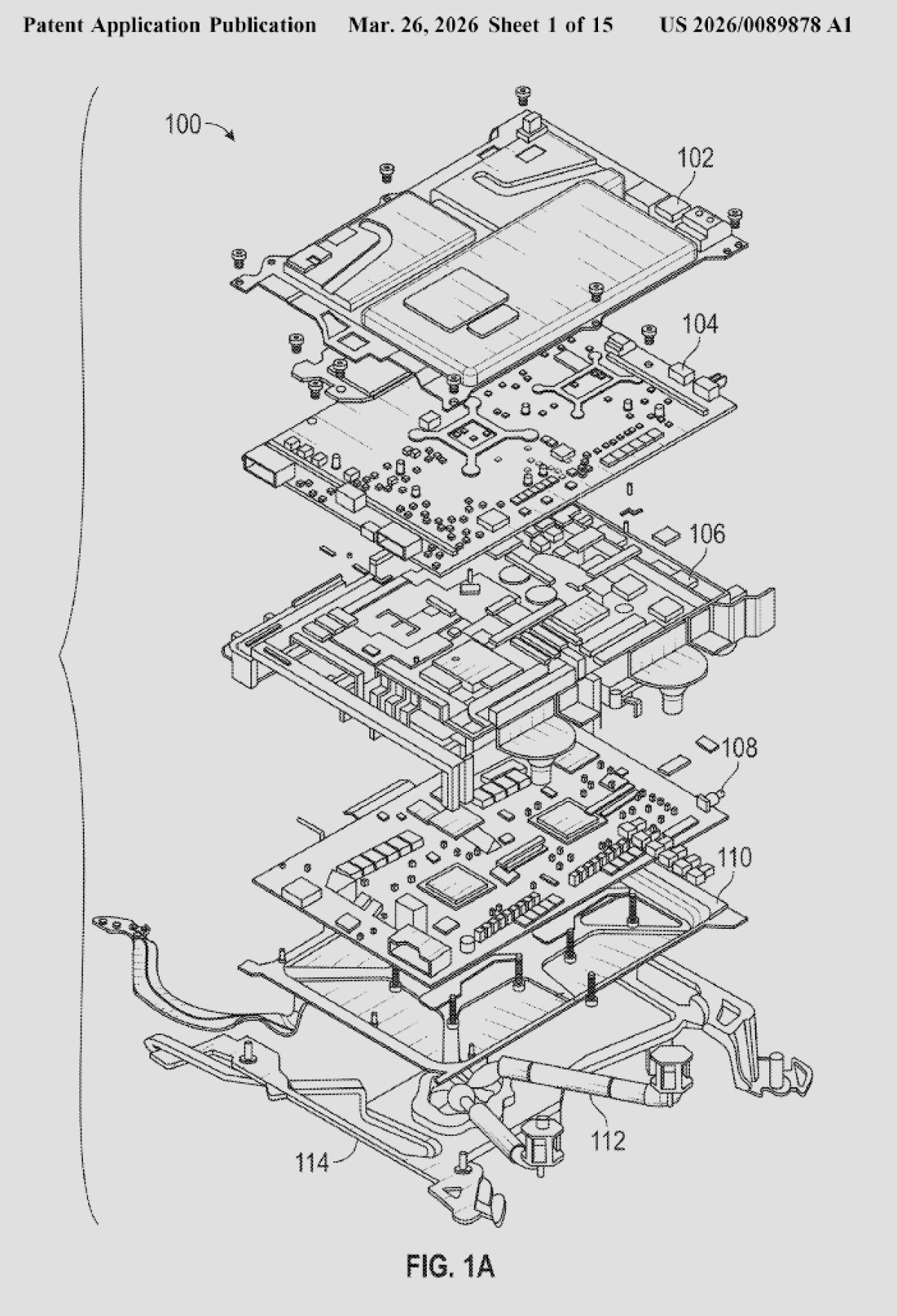
This newly published patent addresses the issue of expensive waste by introducing a truly serviceable architecture. Instead of permanent thermal glue, the new design utilizes specialized interposers, tacky gap pads, and dry seals. This allows technicians to easily unbolt and separate the individual circuit boards from the central cooling plate without compromising the system’s thermal integrity or creating a massive mess.
The patent explicitly states that the primary goal is to enable the individual replacement of an electronic module to drastically reduce both hardware and service costs. This means a technician can finally swap out a faulty media control unit while retaining the perfectly functional and very expensive AI computer. It is entirely about making the compute package repairable at the local service center level rather than making it a plug-and-play upgrade for consumers.
 What “Modular” Actually Means
The use of the word “modular” in the patent title has led many to envision a PC-building experience in which individual chips or memory banks can be snapped in and out at will.
Unfortunately, that is simply not what Tesla is doing here. The actual silicon chips and memory modules are still permanently soldered directly to the printed circuit boards. In the context of this patent, the term “modular” refers solely to the ability to decouple the entire circuit board assembly from the cooling plate without breaking a permanent thermal seal.
Why Not Upgrades?
This also does not mean that an entire board can be easily swapped out for a new one. Even if a service center could physically unbolt a Hardware 3 board and successfully attach a next-generation AI5 computer to the existing cooling plate, the rest of the vehicle simply cannot support the newer technology.
For instance, the upcoming AI5 architecture has a much higher peak power consumption of roughly 800 watts. This massive power draw would completely overwhelm the power delivery electronics and the physical cooling package constraints originally designed for older vehicles.
Additionally, upgrading the central computer does not magically upgrade the rest of the car. Newer hardware suites require entirely different wiring harnesses to handle the massive data-transfer demands of upgraded high-resolution cameras.
Plus, modern vehicles like the Cybertruck, the refreshed Model Y, and the rest of the 2026+ lineup feature entirely new sensor placements, including a dedicated front-bumper camera to improve low-speed maneuvers. Older vehicles lack the physical wiring, bumper cutouts, and power infrastructure to support these new sensors, making a simple plug-and-play board swap physically impossible.
The Clever Engineering
To make this system work without permanent adhesives, Tesla had to engineer clever workarounds to ensure the two boards could still communicate and shed heat effectively. The system uses a male board-to-board connector on the first board and a female connector on the second board, which are physically linked via dedicated openings in the central cold plate to seamlessly share power and data.
To make life easier for service technicians, the physical fasteners, the board-to-board connectors, and the fluid ports are all designed to be completely self-aligning. The fasteners literally snap into place to ensure the boards align perfectly without risking bent pins or damaged components during a repair swap.
Heat management was also carefully thought through in this new modular design. Tesla specifically notes that the higher-power AI processors generate significantly more heat than the lower-power media control unit processors. Because of this, the design intentionally places the AI computer closer to the primary cold plate, with fewer thermal layers between them to maximize cooling efficiency.
To transfer the heat from the secondary board down to the cooling plate without using permanent thermal glue, the system relies on a specialized interposer. This interposer can be outfitted with highly conductive copper blocks, vapor chambers, or heat pipes to efficiently pull the thermal energy into the replaceable gap pads.
Finally, in alternative designs in which both boards have their own distinct cold plates, the cold plates are connected in series using a single coolant inlet and outlet. The ports connecting the two separate plates use a push-to-seal connection with integrated O-rings, which effectively prevents coolant from dripping onto the sensitive electronics while a technician is separating the modules.
While this might disappoint those hoping for an easy pathway to upgrade older cars to future iterations of Full Self-Driving hardware, it represents a massive win for repairability. By making these systems individually serviceable, Tesla is positioning itself to save millions of dollars in warranty repairs while simultaneously lowering out-of-warranty replacement costs for long-term owners.