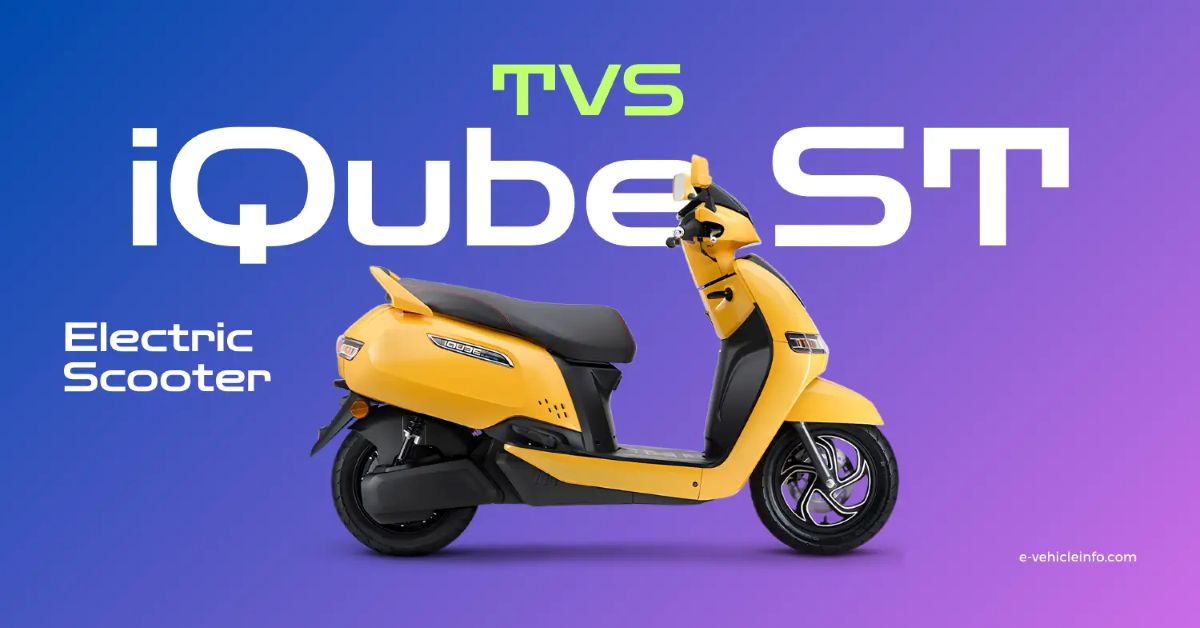
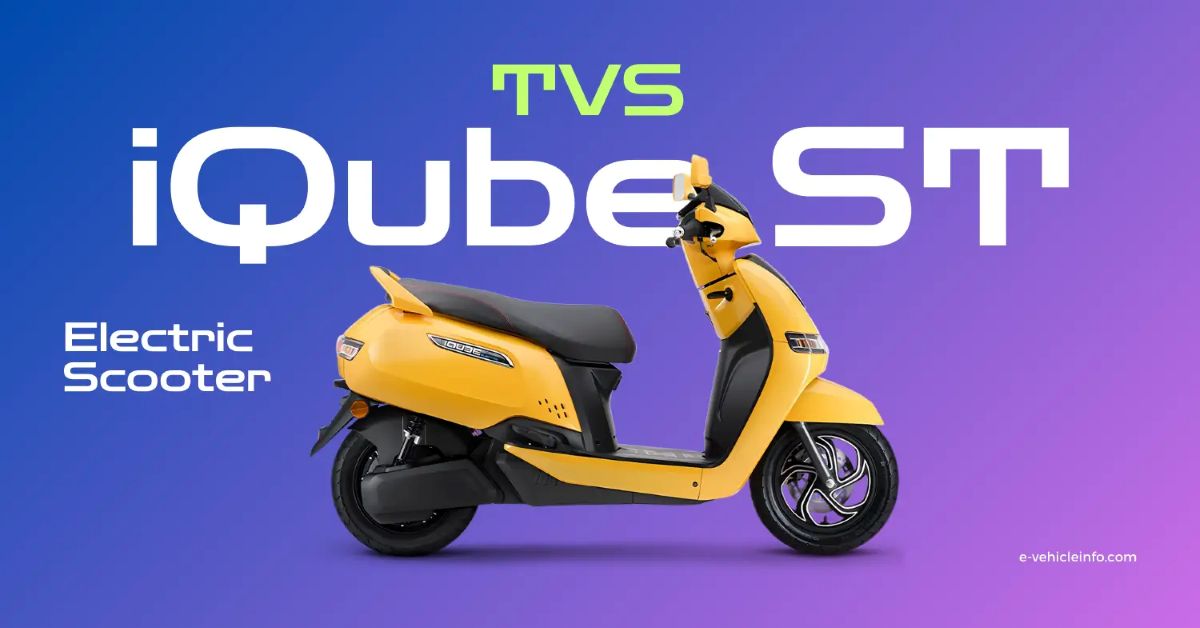
 TVS-Iqube-ST
Indian EV Motorcycles Market momentum has returned strongly in early 2026, with Q1 sales reaching a record 417,447 units (+37.4% YoY). This rebound has been driven by a combination of seasonal demand, regional festive tailwinds, continued (though reduced) policy support under the PM E-Drive scheme, and rising fuel costs linked to global geopolitical tensions.
Industry Trends and Perspectives
Following a phase of rapid expansion driven by strong government support and aggressive new energy policies, India’s electric two-wheeler (e-2W) segment entered 2025 in a more mature stage. The earlier wave of growth had encouraged the entry of over a hundred EV startups while also prompting traditional internal combustion engine (ICE) players to invest heavily in electrification.
However, in 2025, the segment experienced a modest slowdown. Growth was limited to just 4.4%, reflecting a natural consolidation phase as weaker players exited or lost relevance. Additionally, reduced government incentives tempered demand. This came despite the broader Indian two-wheeler market achieving record-high domestic sales, indicating that EV adoption lagged behind overall industry momentum.
The start of 2026, however, has marked a strong rebound. In the first quarter of 2026, EV sales surged to a record 417,447 units, representing a 37.4% year-on-year increase. This sharp recovery highlights renewed consumer interest and improving market fundamentals.
Several factors contributed to this resurgence. Seasonal demand played a role, as March typically benefits from fiscal year-end purchasing behavior. In 2026, this effect was amplified by key regional festivals such as Gudi Padwa and Ugadi, which significantly boosted demand in leading EV markets like Maharashtra and Karnataka.
Policy support also remained influential. Although the PM E-Drive scheme was initially set to expire on March 31, 2026, its extension—albeit with reduced subsidies—helped sustain buyer momentum. Furthermore, ongoing global geopolitical tensions impacting crude oil supply chains have strengthened the economic case for EV adoption, pushing many undecided consumers toward electric mobility.
Market Leaders and Performance
The strong performance of the e-2W segment in both March 2026 and FY2026 has been largely driven by the top four manufacturers: TVS Motor, Bajaj Auto, Ather Energy, and Vida (Hero MotoCorp’s electric arm). These players have demonstrated consistent execution and scale advantages, each recording their highest-ever monthly retail sales.
TVS Motor leads the segment with over 100,000 units sold, achieving a robust 48.2% growth, supported by strong product acceptance and distribution reach.
Bajaj Auto holds second place with a 43.2% increase, delivering a surprisingly strong performance driven by rapid product rollout and brand trust, despite historically being perceived as slower in EV innovation.
Ather Energy, the leading pure-play EV manufacturer, ranks third with an impressive 83.9% growth. Notably, it still operates with approximately 40% unused production capacity, indicating significant room for expansion.
Vida has emerged as the fastest-growing player, with sales surging 140.7%, signaling a strong ramp-up phase and improving market traction.
In contrast, Ola Electric has experienced a sharp decline, with sales dropping 61.9%, reflecting operational, competitive, or perception challenges.
Collectively, these five manufacturers account for over 90% of total industry sales, underscoring a highly concentrated market structure where scale, execution, and brand credibility are becoming increasingly critical.
 ultraviolette-f77