Tesla registered 1,819 vehicles in the Netherlands in March, more than doubling the combined total of the first two months of the year, according to data published by industry body BOVAG on Wednesday.
The figure marked an 18.4% increase from the 1,536 units sold in the same month a year ago.
Tesla‘s Dutch registrations follow a consistent end-of-quarter pattern, with March, June, September and December historically producing the highest monthly figures.
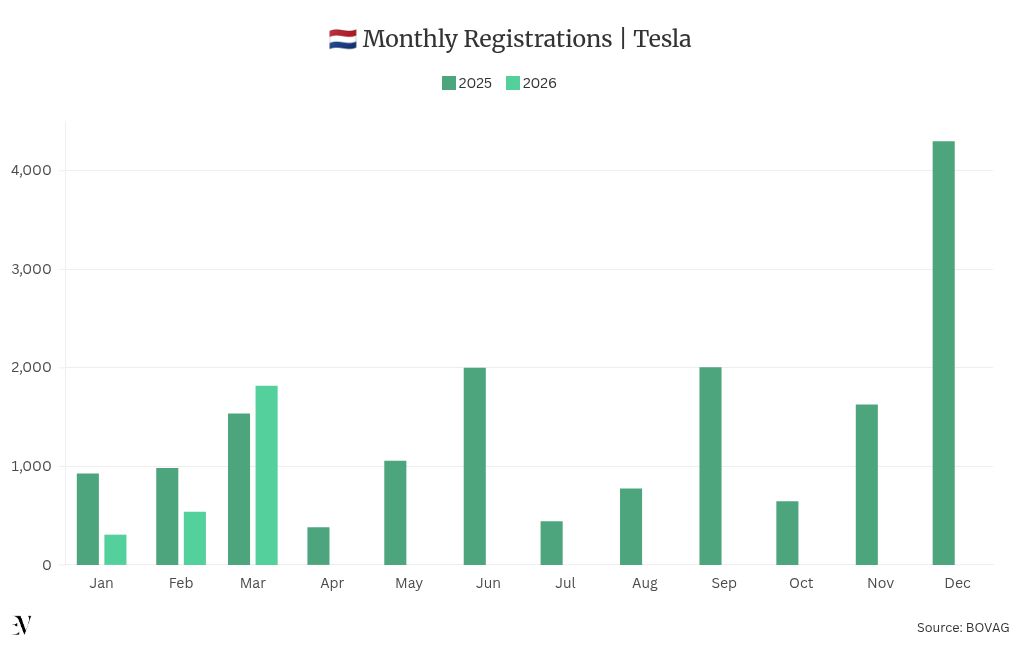
The reasons include both the company’s global push to maximize quarterly delivery numbers and the shipping logistics of the Model 3, which is manufactured in Shanghai and arrives in Europe in periodic batches — unlike the Model Y, which is produced at the GigaBerlin plant.
First quarter figures have jumped to 2,662 units; still, they remained below the 3,446 vehicles registered in the first three months of 2025.
EV sales in the Dutch market have been affected by policy changes which took effect on the first day of 2026.
The motor vehicle tax exemption for zero-emission passenger cars in the Netherlands was replaced with a 30% discount effective January 2026, dropping to 25% in 2029 before ending entirely in 2030.
Tesla was the best-selling brand when it comes to fully electric vehicles, outperforming South Korean automaker Kia — which ranked first in both January and February.
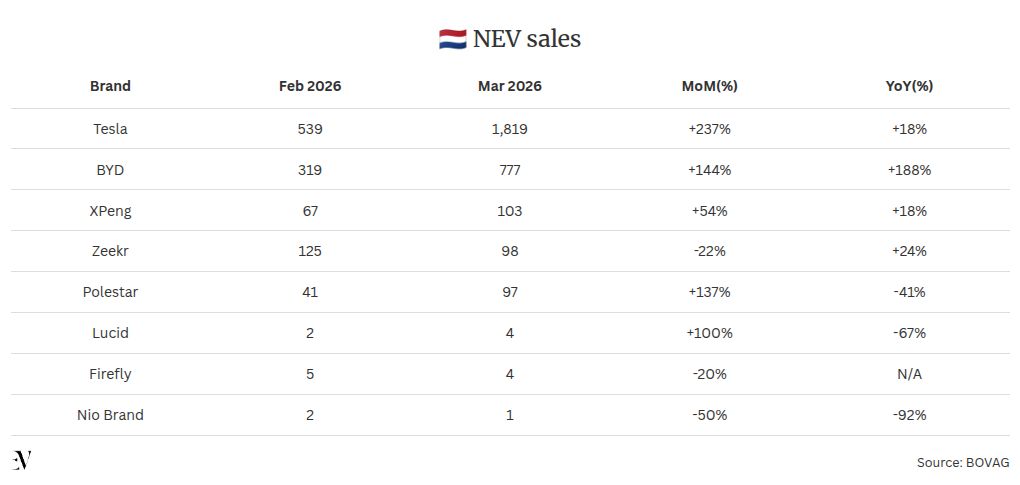
Last quarter, 24,869 fully electric vehicles were sold in the Netherlands, representing 30.5% of the market.
Hybrids lead the market with a 58.4% share, while internal combustion engine (ICE) vehicles, including both gasoline and diesel, have a 10.8% share.
Lineup
Tesla‘s Model Y SUV was the best-selling electric vehicle in the Netherlands during the first quarter, with 1,619 registrations.
The Model 3 sedan followed at third place, accounting for 1,002 units, just below the Kia EV3 SUV.
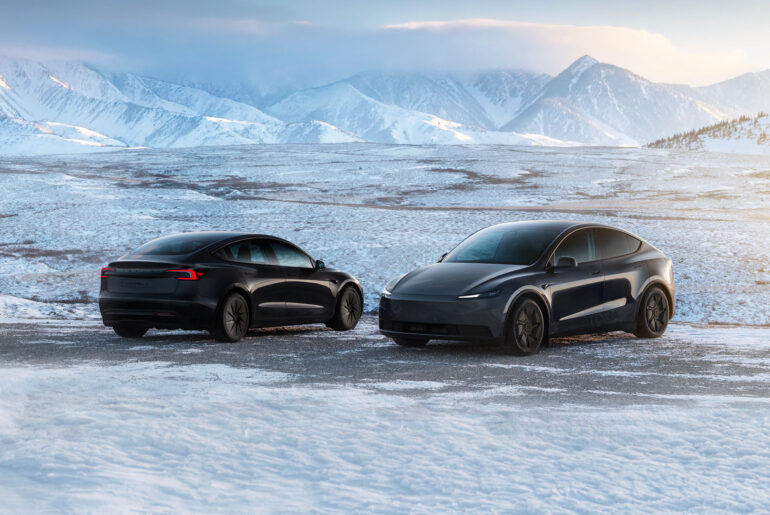
In 2025, Tesla launched Standard variants of its best-selling models — the Model 3 and Model Y — across Europe and the US.
The lower-priced versions feature reduced specifications and simplified interiors, allowing the company to target more price-conscious buyers.
Both Standard models are now available in the Netherlands, with the Model 3 sedan starting at €36,990 ($42,900) and the Model Y SUV at €39,990 ($46,400).
Throughout the first quarter, Tesla offered a trade-in bonus of €5,000 for cash purchases of any of the two models.
The promotion ran until March 31.
Despite featuring the Model X and Model S on its Dutch website, Tesla has removed the online configurator for both flagship models, as it prepared to end orders for both by the end of the quarter.
The company will use the manufacturing lines of the luxury models to produce the upcoming Optimus humanoid robot.
Tesla redirects users to the inventory page for both models.
The company sold 19 Model S units and 22 Model Xs in the Dutch market between January and March.
FSD Approval
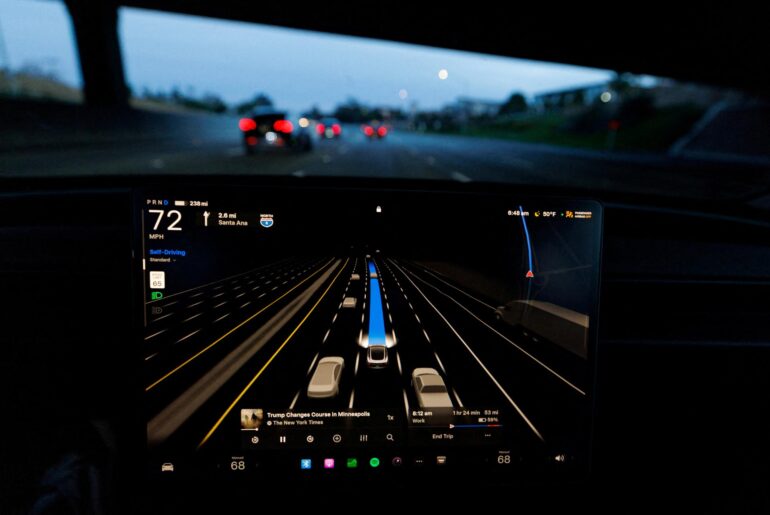
Tesla announced in mid-March that it had completed the testing phase of its Full Self-Driving (Supervised) software with the Dutch vehicle authority RDW, paving the way for a broader approval across Europe “during the summer.”
The company said RWD “has communicated the expected approval for the Netherlands date of 4/10.”
It represents an updated timeline, “shifting from 3/20 previously,” the Elon Musk-led company added.
Commenting on the date, Musk wrote on X that “Inevitably, this will be 4/20 😂.”
Tesla has previously claimed that the Dutch agency had committed to an approval timeline — with RDW later disputed.
In November, the company wrote that the “RDW has committed to granting Netherlands National approval in February 2026.”
Days later, however, the RDW issued a statement pushing back on that claim, clarifying that no approval had been granted.
According to the regulator, the two parties had only agreed to meet in February so Tesla could demonstrate whether the system’s capabilities meet the required standards.
FSD Data in Europe
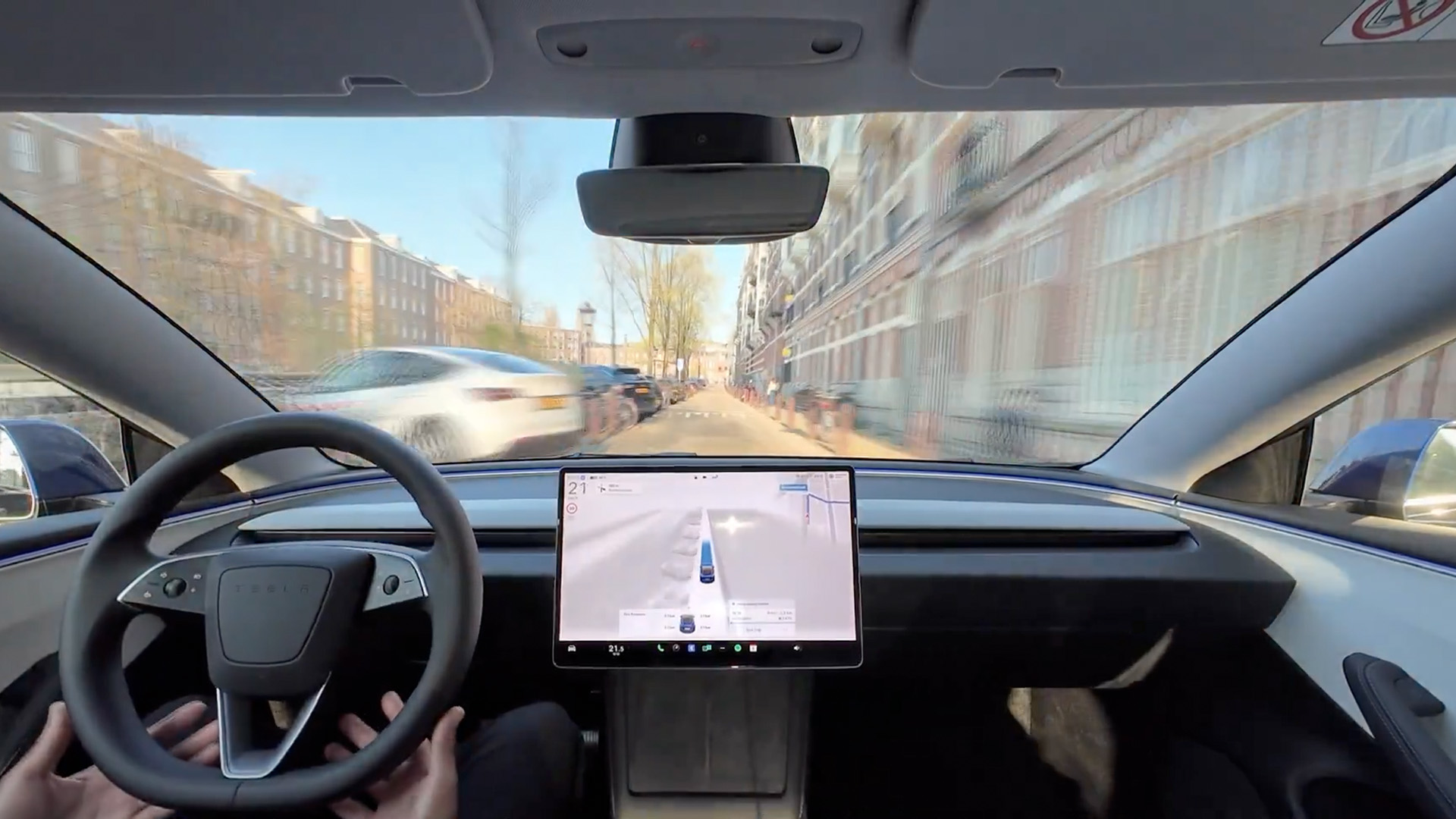
Tesla has been testing the FSD software in Europe throughout the past year, sharing several videos on X of its vehicles self-driving across cities such as Paris, Berlin, Rome, Amsterdam, etc.
The ongoing process has led to 1.6 million kilometers of FSD (Supervised) testing across Europe, according to the company’s statement on Friday.
Last November, Tesla shared that it had “driven over 1 million kilometers safely on EU roads across 17 different countries,” as part of its internal testing.
It also included over 13,000 customer sales ride-alongs.
Late last year, the company introduced Full Self-Driving (Supervised) test rides in several European cities.
The test rides, originally scheduled to run until the end of 2025, have been extended until the March 31 due to strong customer interest.
“Following the Netherlands’ approval, European countries will be able to recognize this approval nationally,” Tesla wrote, adding that it is “anticipating a possible EU-wide approval during the summer.”