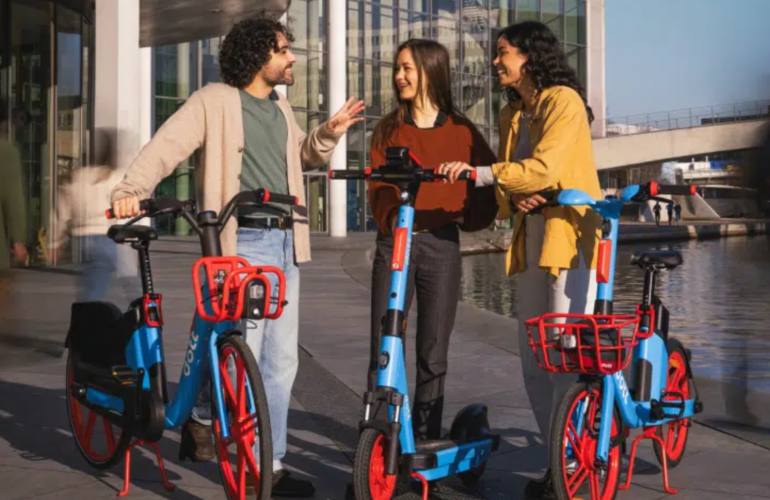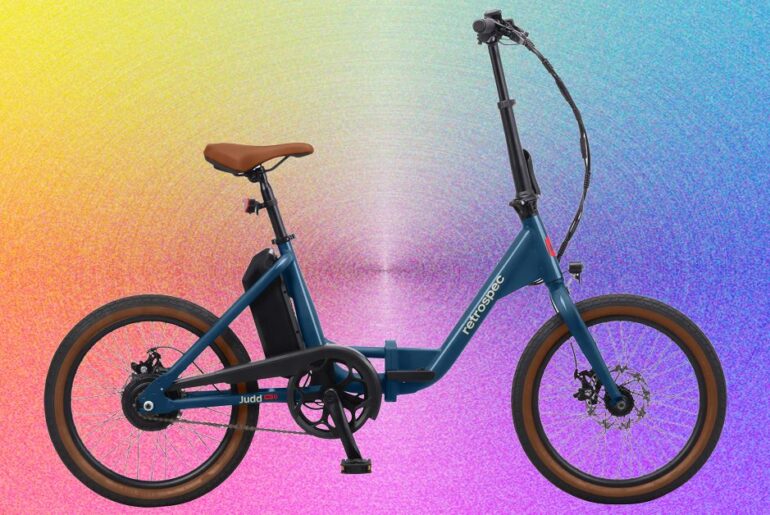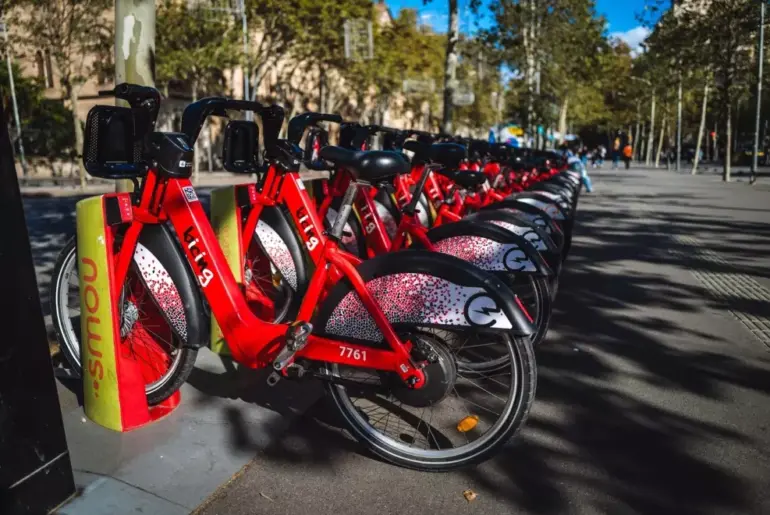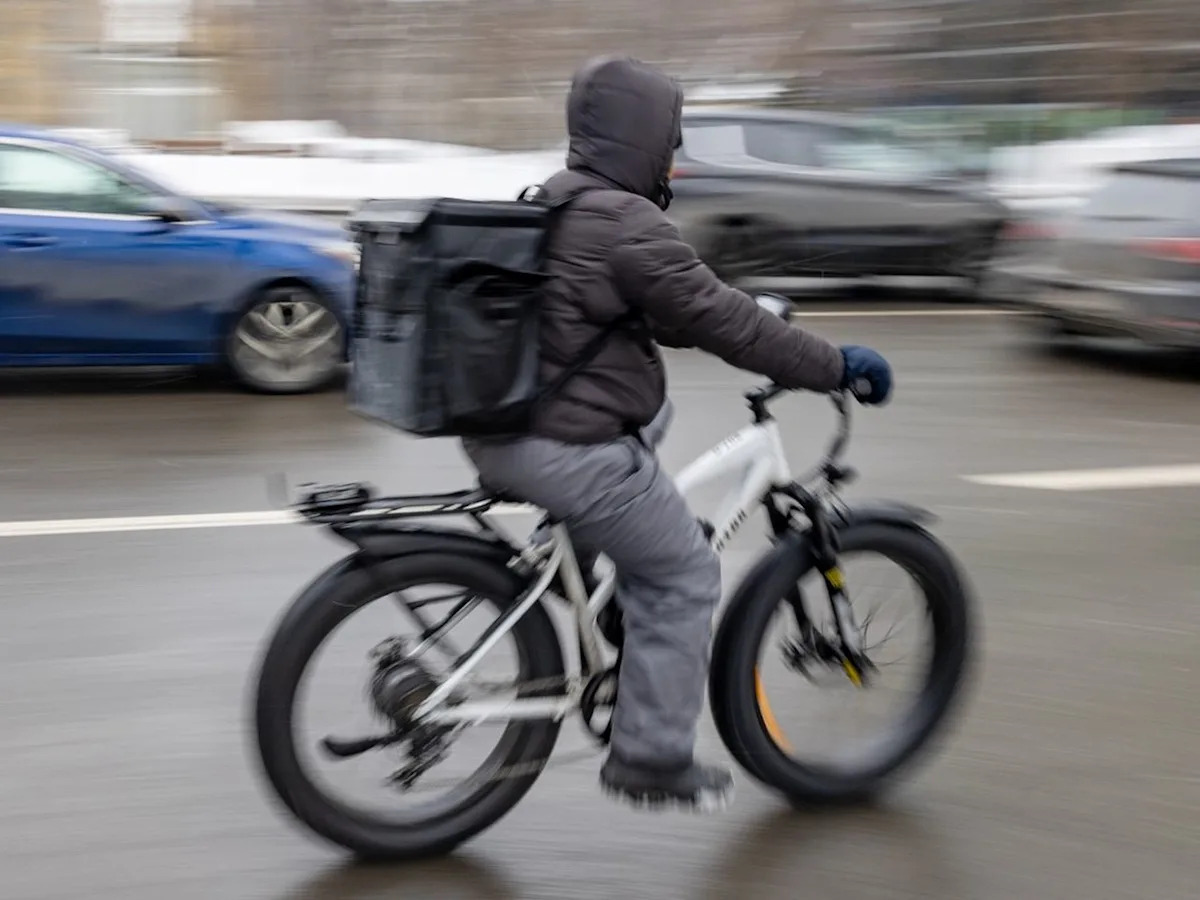
Like the swallows’ annual return to Capistrano, Ottawa will soon be abuzz with the whirring, thrumming and occasional buzzsaw whine of e-scooters, e-bikes, hoverboards, Segways, monowheels and small — plus not-so-small — Vespa-type motorcycles. They will once again compete with pedestrians, cyclists, motorists and each other as they freewheel from sidewalk to bike lane to traffic lane to multi-use path and back again, with all the cares of a kid on the last day of school.
It can feel like the Wild West at times — if the Wild West rode on two wheels, that is.
I try to pay attention to which have licence plates and which don’t, hoping that might help me understand what the rules are, but it’s a fool’s errand — one I’d initially attributed to the chasm between me and kids these days.
As it turns out, though, that sense that anything-goes isn’t just my age-addled confusion. Some of it arises from a failure to properly define these vehicles. Micromobility devices is the urban planner’s catch-all — a term that groups together machines that look and behave very differently, and then regulates them as if they’re the same.
If it’s their increasing preponderance each spring that gets me thinking about them, it was a coroner’s report that made me take a deeper interest.
The starkly named E-bike Death Review was released without fanfare in February 2025. In it, investigators, including Regional Supervising Coroner Dr. Louise McNaughton-Filion and representatives from Ottawa Police, Transport Canada, Ottawa Public Health, the City of Ottawa, the Canadian Electric Bike Association and the Traffic Injury Research Foundation, examined a series of 25 fatal crashes in Ottawa and across Ontario, and arrived at the unsettling conclusion that many of the so-called e-bikes involved in those deaths weren’t really e-bikes at all.
They were, in many cases, closer to motorcycles. Many had been modified to go faster than their designs specified — up to 70 km/h — but without any corresponding upgrades to such safety elements as steering, brakes and tires.
These weren’t kids out joyriding. In the five Ottawa cases examined in detail, three involved men in their ’50s, while another was in his 60s, and another in his 30s.
Each had previously lost his driver’s licence. Three of the five had suspended licences at the time of the crash, while the other two had earlier suspensions but active licences when the crash occurred. Those suspensions stemmed from driving infractions, impaired driving, medical reasons, or some combination of the three.
“The drivers,” the report notes, “appeared to be using their e-bike as a substitute for a registered, licensed vehicle.”
And yet, because the vehicles were electric powered, had pedals at the time they were sold, and were described and sold as electric bikes, each was treated as a bicycle.
The distinction matters, because bicycles don’t require licences or insurance. And in many cases they’re allowed to share space with pedestrians and slower cyclists.
What exists now is something of a regulatory grey zone — what the report describes as a “blurring of the lines between e-bike categories” that makes both regulation and enforcement difficult.
The consequences are predictable. Faster, heavier vehicles end up in bike lanes or on multi-use paths. Enforcement is nearly impossible. And even the data is muddled — e-bike collisions are often grouped with bicycles, motorcycles or even pedestrian incidents, making it difficult to understand the scope of the problem.
The report makes several recommendations, including the most obvious: that the province provide a revised clear definition of an e-bike as a pedal-assisted bicycle with specific requirements, including limits on motor output, maximum speed and weight.
The report also recommends that the Ministry of Transportation of Ontario classify low-speed electric motorcycles and “Vespa type” scooters separately, and that consideration be given to regulating them while requiring licensing and insurance.
Data collection needs to be done uniformly, so collisions and injuries can be properly tracked.
And measures need to be developed and implemented to actually enforce a safe speed limit for e-bikes and low-speed e-vehicles, especially in places where these vehicles are increasingly mixing with pedestrians and traditional cyclists. In short: draw clearer lines, and then take them seriously.
Whether the province acts on these recommendations, or continues to allow the current ambiguity to persist, remains to be seen.
In an email response to an inquiry about whether and how the ministry had responded to the now year-old report, MTO senior media relations adviser Julia Caslin said, “The Ministry of Transportation is reviewing feedback from the Chief Coroner’s E‑Bike Death Review.
“MTO continues to monitor best practices, research, and the safety impacts of micromobility vehicles on all road users.”
The boilerplate response isn’t all that reassuring.
Until the province actually does something, we’ll continue watching these vehicles weave in and out of whatever lanes we’re in, wondering what the rules are, and wondering if the latest e-bike death really had anything to do with e-bikes.
Related
Our website is your destination for up-to-the-minute news, so make sure to bookmark our homepage and sign up for our newsletters so we can keep you informed.