Customers accessing the scheme through VWFS can benefit from interest rate reductions of up to 1.0 percentage point on standard loan rates for eligible EVs, comprising a 0.5 percentage point contribution from the CEFC and 0.5 percentage point from VWFS.
The offer applies to consumer loans for passenger EVs below the Luxury Car Tax threshold, as well as commercial loans for light commercial electric vehicles such as vans and utility vehicles, which are not subject to the same cap.
The initiative is designed to lower financial barriers to EV adoption, particularly for commercial fleets, while supporting the development of a broader second-hand EV market. According to the CEFC, a typical AUD 70,000 loan over five years could result in savings of more than AUD 1,900.
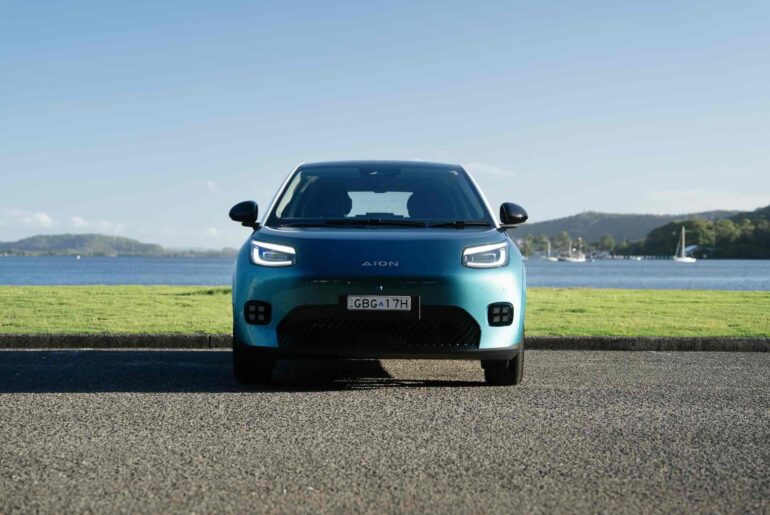
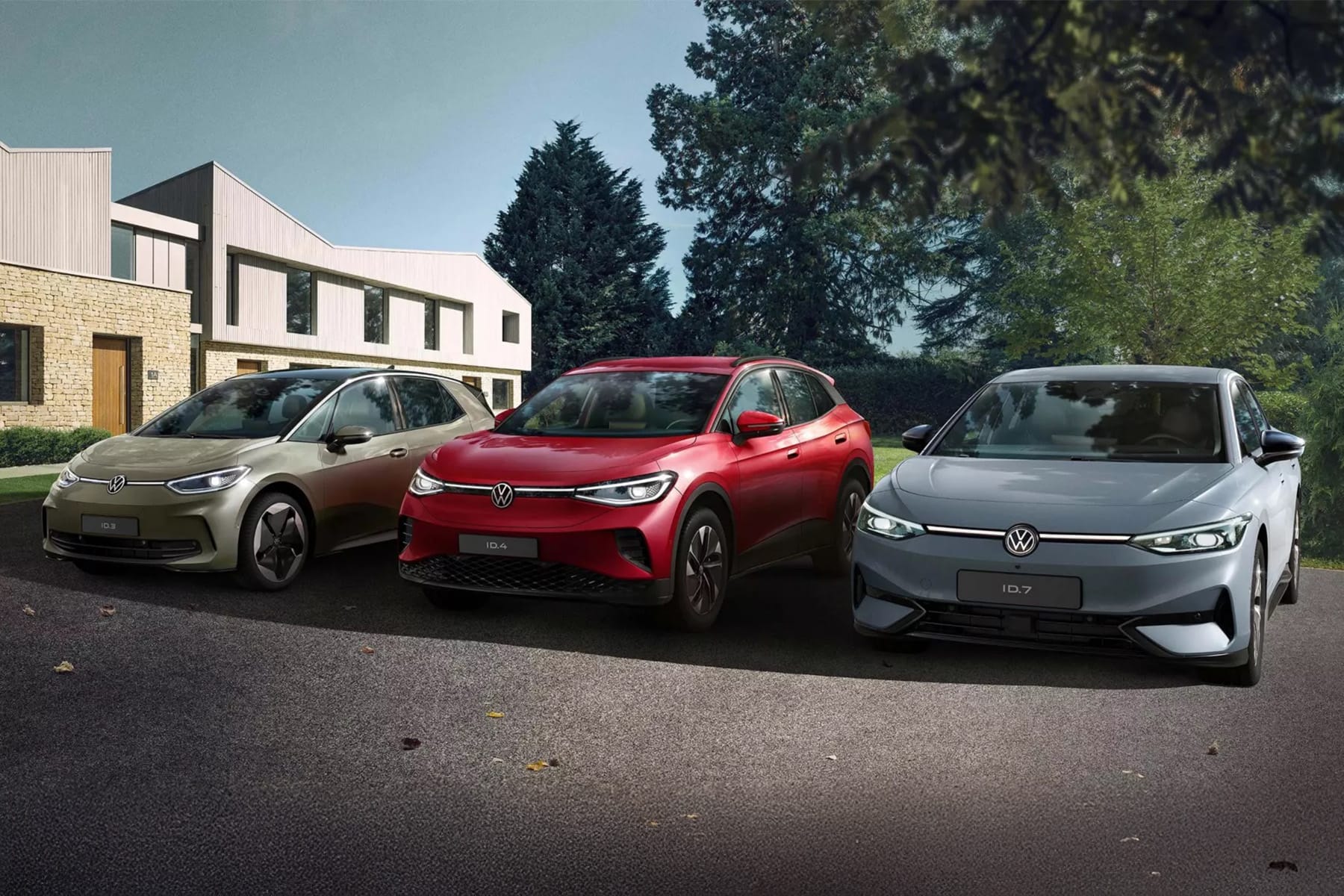
The financing programme enables customers to select from a range of brands, including Volkswagen, Audi, Škoda, Cupra and Volvo, as well as other eligible EVs available through VWFS’s accredited dealer network. The investment is also intended to send ‘a signal to manufacturers to offer a broader range of EV model options to the Australian market,’ the CEFC states in its press release.
“We’re making it easier for businesses to choose advanced electric vehicles, including those with future-ready features like V2G, by reducing barriers like high upfront costs and by encouraging manufacturers to increase model availability in Australia,” said Richard Lovell, CEFC Executive Director and Head of Debt Markets. “This investment helps lower costs today and builds a stronger market for affordable, second-hand EVs tomorrow, making clean transport more affordable for more Australians and their businesses.”
“This partnership with the CEFC is an important step toward accelerating EV adoption in Australia,” said Ralf Teichmann, Managing Director Front Office at VWFS Australia. “Through partnerships with Original Equipment Manufacturers and our extensive dealer network, and by offering flexible finance options, we make it easier for individuals and businesses to transition to cleaner transport solutions.”
He added that the initiative aims to ‘make mobility smarter, greener, and more attainable for all Australians – while helping to build a strong second-hand EV market for the future.”
According to the CEFC, transport accounts for approximately 23% of Australia’s national emissions and remains the second-largest emitting sector. While overall emissions declined in 2025, transport emissions increased by 0.3%. Light commercial vehicles represent nearly a quarter of new vehicle sales, underlining their relevance for electrification efforts.
Since its inception, the CEFC has financed more than 17,000 EVs with a total value exceeding AUD 1 billion, including third-party capital, and has supported initiatives ranging from electric trucks to electrified bus fleets.